Best Time to Visit La Palma: The Right Season for Every Type of Holiday
La Palma is a year-round destination. That’s not a tourist cliché – it’s a meteorological fact: on the west coast below 400 metres, there is hardly a month when the sun doesn’t dominate. The question isn’t whether you can go, but when is best for what. Hikers choose different months from those who want to sunbathe; those after almond blossom come in January or February; stargazers pick clear new-moon nights.
Winter (November – March): Winter Sunshine and Almond Blossom
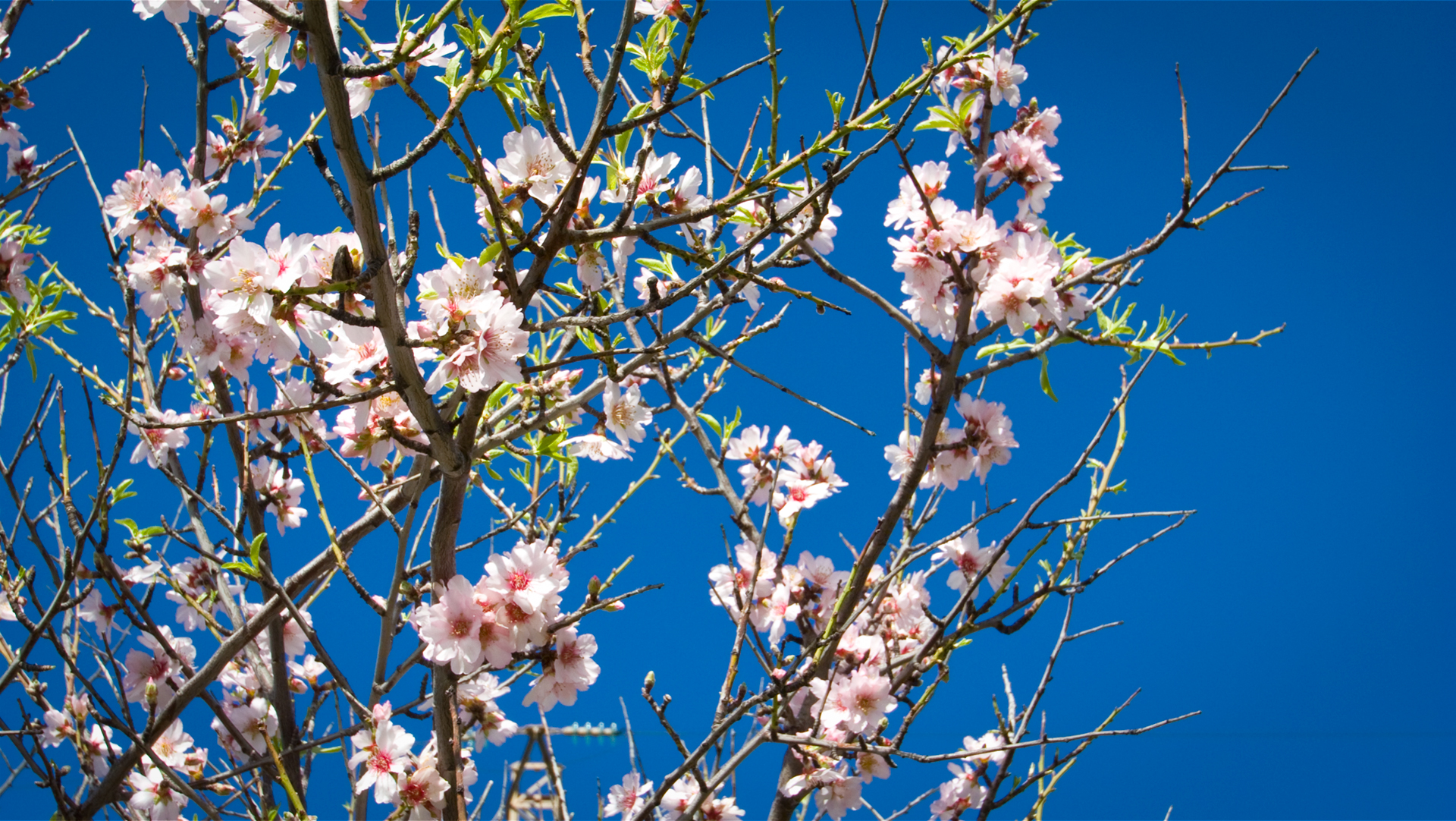
December to March is the peak season on La Palma – not for scorching heat, but for reliable winter sunshine. While much of northern Europe is cold and grey, visitors to the west coast can expect a pleasant 18 to 22°C. Nights cool to around 14 to 17°C. The sea sits at 19 to 21°C – fresh, but swimmable for many. A special natural highlight is the almond blossom in January and February around Puntagorda and the northwest of the island.
Spring (April – June): The Best Hiking Weather
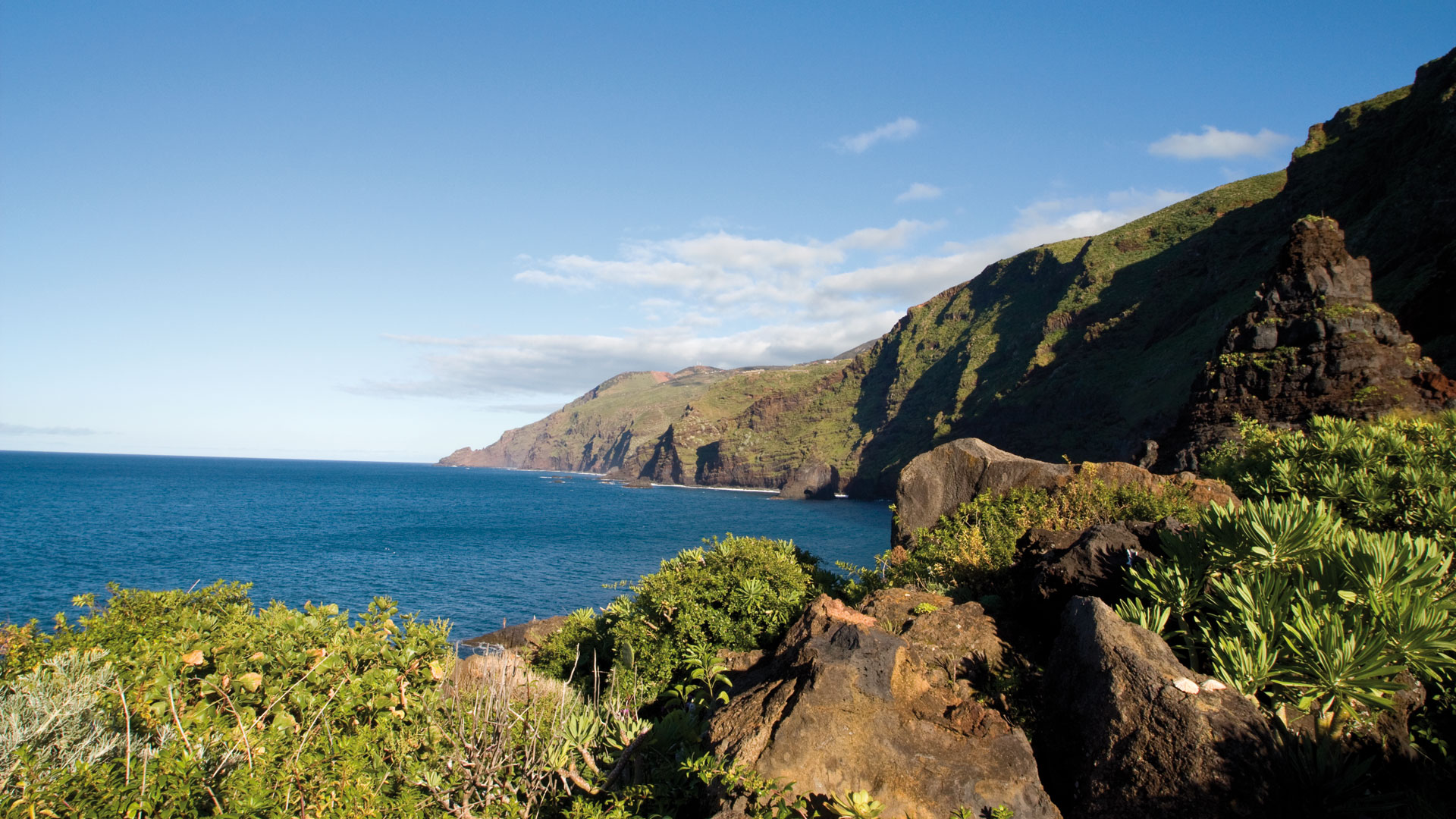
From April to June, La Palma is at its greenest. Coastal temperatures typically sit between 20 and 25°C, nature is in full bloom, and from mid-May to mid-June the Tajinaste flowers around Roque de los Muchachos. Hiking conditions are near-perfect: pleasantly warm, low risk of Calima, and far fewer visitors than in winter.
Summer (July – September): Swimming and Warmth
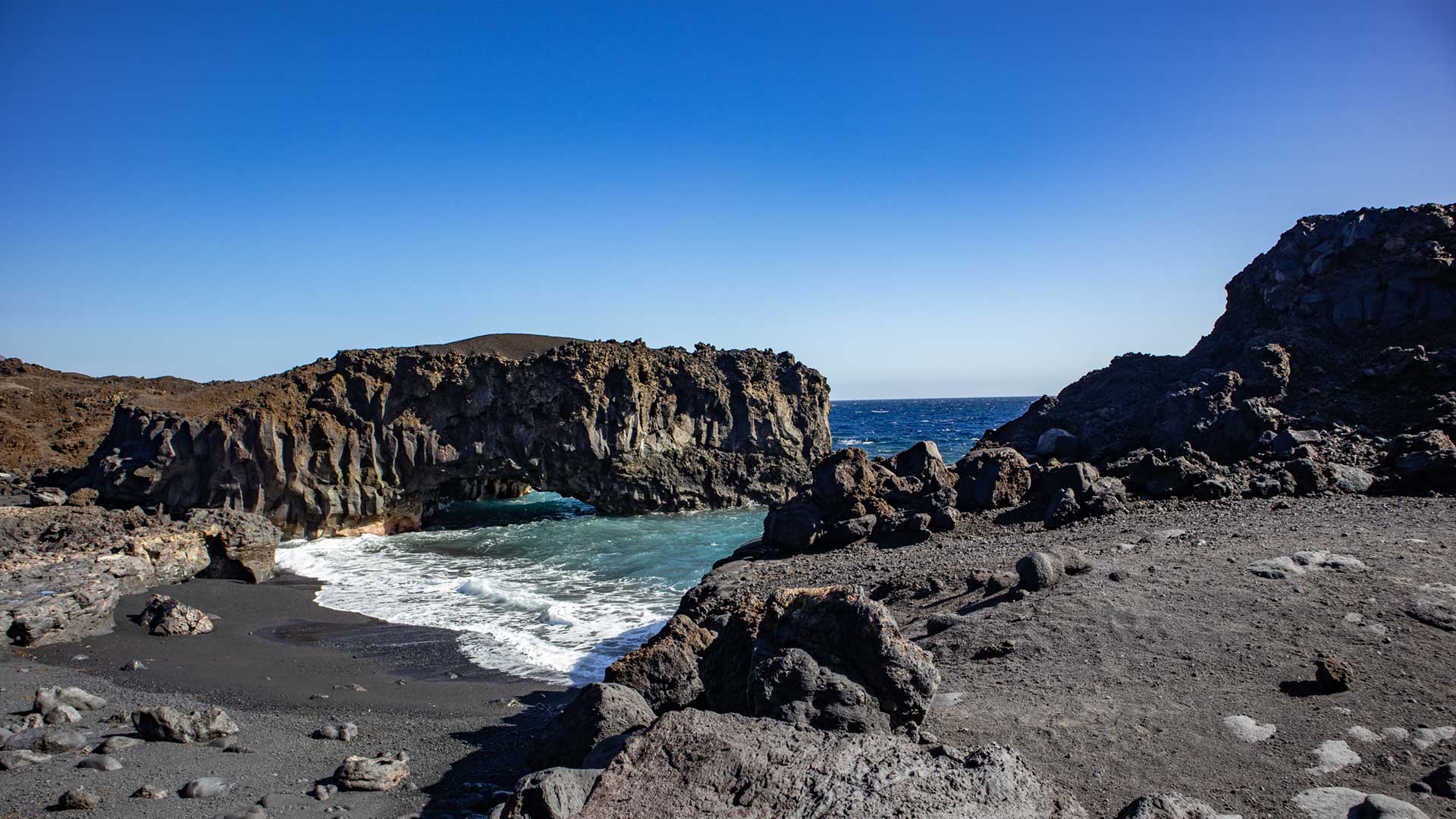
In summer the sea reaches its highest temperatures at 22 to 24°C and the beaches are in full swing. On the sunny west coast, temperatures often climb above 30°C. Those who prefer it cooler will find a natural air conditioner in the northeast – around Barlovento and Garafía – where trade wind clouds, laurel forests and altitude keep things 5 to 7 degrees cooler than the west coast.
Occasionally the Calima brings hot Saharan air with temperatures above 35°C and fine desert dust. These spells usually last just a few days.
Autumn (October – November): The Quiet Season
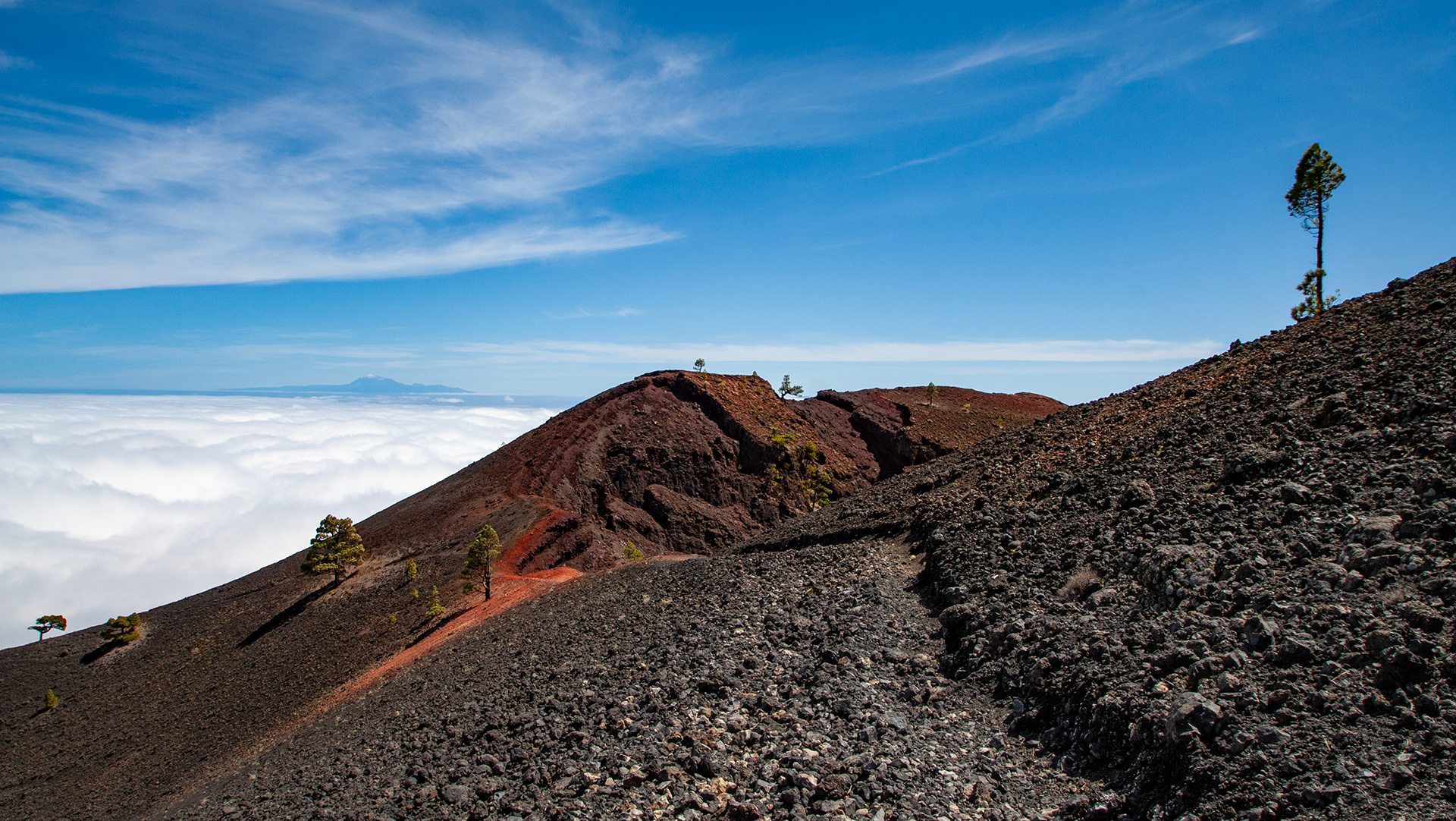
October and November are, for many in the know, the finest time to visit. The sea is still a pleasant 22 to 23°C after summer, temperatures are ideal for hiking and the island is far quieter than at peak season. Accommodation is often cheaper and easier to find. The warm autumn light also makes these months especially rewarding for photographers.
From December, the main season for winter sun-seekers begins again.
| Holiday Type | Best Time to Visit | Highlight |
|---|---|---|
| Hiking | April – June / September – November | Spring flowers, Tajinaste blooms and pleasant temperatures |
| Swimming | July – October | Warmest sea temperatures (22–24°C) |
| Winter Sunshine | December – March | Sunny west coast below 400m |
| Nature Highlights | January – February / May – June | Almond blossom and Tajinaste in bloom |
| Those after peace and quiet | October – November | Fewer visitors, mild climate and great-value prices |
Conclusion:
La Palma has something for every month – the trick is knowing which side of the island and which altitude to choose. For sunshine: west coast below 400m. For hiking: April–June. For peace and quiet: October–November.
Frequently Asked Questions
When Is the Best Time to Visit La Palma for Hiking?
When Is La Palma at Its Busiest?
Can You Swim in La Palma in Winter?
Does La Palma Get Bad Weather?
Is La Palma Too Hot in Summer?
Which Season Is Best for a First Visit to La Palma?
This article is based on the on-the-ground knowledge of the Gequo editorial team – publishers of the Reisezeit hiking guides and operators of Sunhikes.com. Last updated: May 2026