Tajogaite 2021 – 85 Days That Changed La Palma
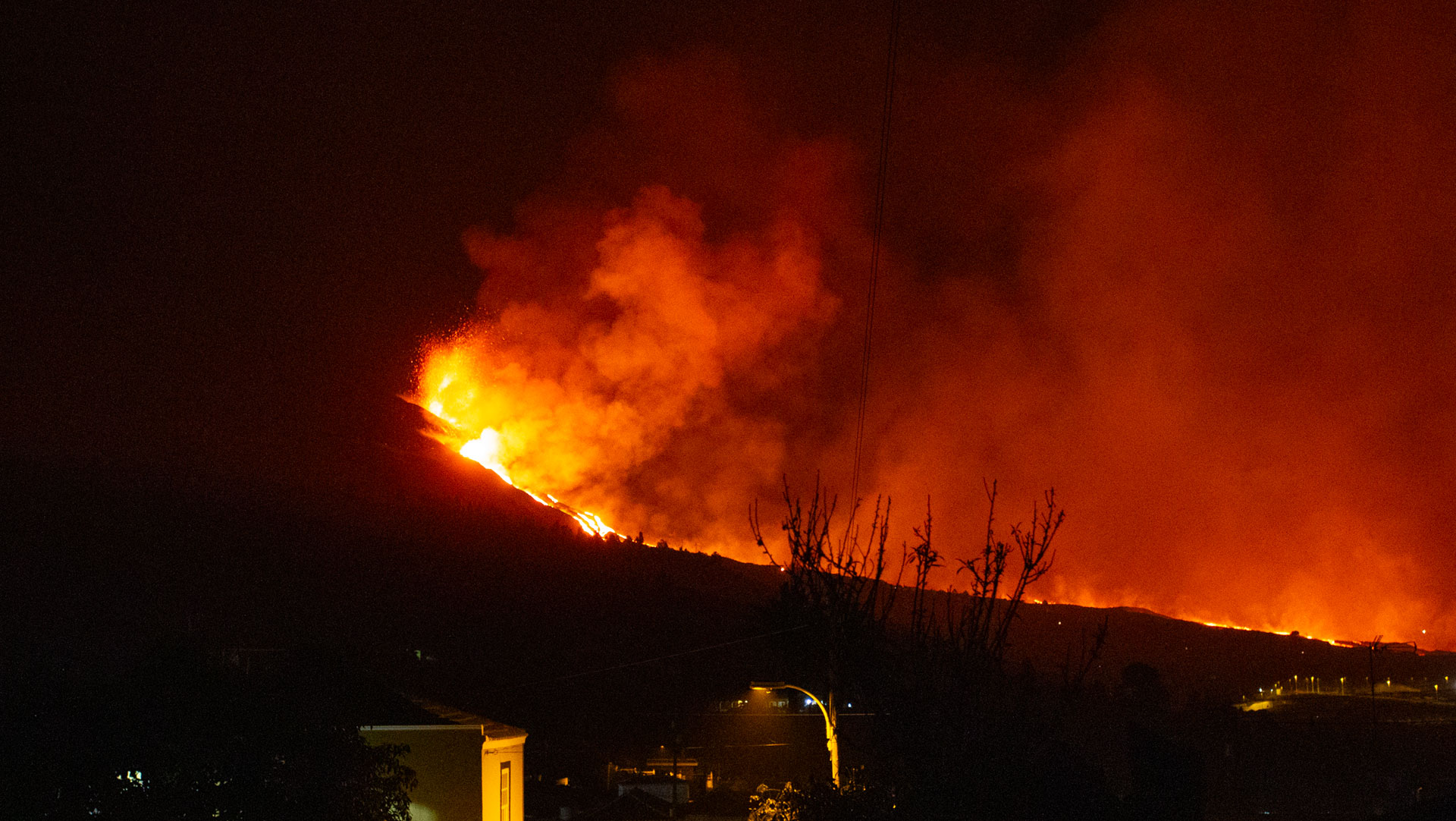
On 19 September 2021 at 3.12 pm local time, the earth opened a fissure near El Paraíso. Within minutes, lava was flowing. Within hours, the first people had been evacuated. What followed were 85 days of fire, ash, and uncertainty – the longest volcanic eruption in La Palma’s documented history, and the first that the entire world watched in real time.
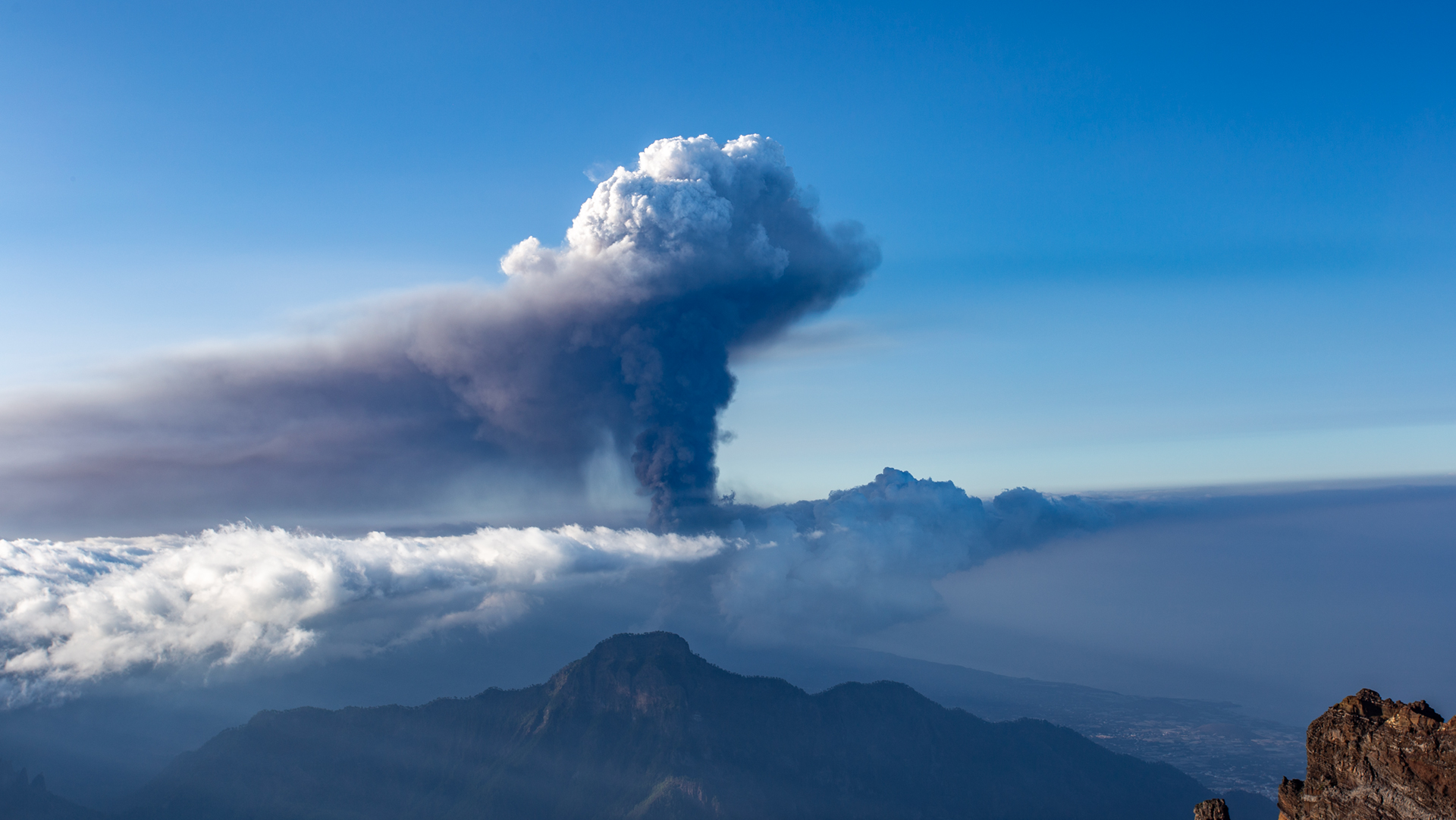
The eruption did not come without warning. From early September 2021, an intense swarm of earthquakes had kept the island on alert – hundreds of small tremors each day, straining the rock beneath the Cumbre Vieja. When the strongest quake, at magnitude 3.8, was registered, geologists knew: an eruption was imminent. Only the exact location and timing remained unknown until the last moment.
The First 48 Hours
The evacuation that followed was orderly and rapid. Around 7,000 people had to leave their homes in the first two days – a logistical achievement that received wide international recognition. Apart from one tragic accident during clean-up work on an ash-covered roof, in which a 72-year-old man lost his life, there were no direct fatalities from the eruption.
The images that went around the world showed the full tragedy regardless: houses slowly swallowed by lava, plantations buried under metres of lava flows, and families who could only watch as their homes disappeared.
85 Days of Eruption – the Numbers
The Tajogaite eruption lasted from 19 September to 13 December 2021 – 85 days, 5 hours, and 8 minutes.
| Feature | Figure |
|---|---|
| Duration | 85 days, 5 hours, and 8 minutes |
| Area covered by lava | 1,219 hectares |
| Buildings destroyed or damaged | over 3,000 |
| New coastal deltas (fajanas) | two |
| New land created | approx. 49 hectares |
| Distinction | youngest new land formation in Europe |
When the lava reached the Atlantic, two new coastal deltas (fajanas) formed, creating around 49 hectares of new land. New basalt coastlines and underwater reefs also emerged, already being colonised by the first organisms. The lava field is today one of the youngest landscapes in Europe.
Puerto Naos and La Bombilla – the Long Wait
After the eruption, the resort villages of Puerto Naos and La Bombilla lay within the zone of influence of volcanic gas emissions. Carbon dioxide (CO₂) and sulphur dioxide (SO₂) accumulated in buildings and low-lying areas, which meant both places were accessible only on a limited basis – or not at all – for several years.
The reopening process was lengthy and cautious. Numerous gas sensors monitored the affected areas before they were gradually cleared for access. Since 2025, Puerto Naos and La Bombilla have been largely accessible again to residents and visitors.
La Palma Today – Reconstruction and Resilience
What the island has achieved since the eruption is remarkable. New roads have been built through the lava field, cut-off communities reconnected, and many families have been able to return home or build new houses. At the same time, the lava field has developed into a place of remembrance and understanding.
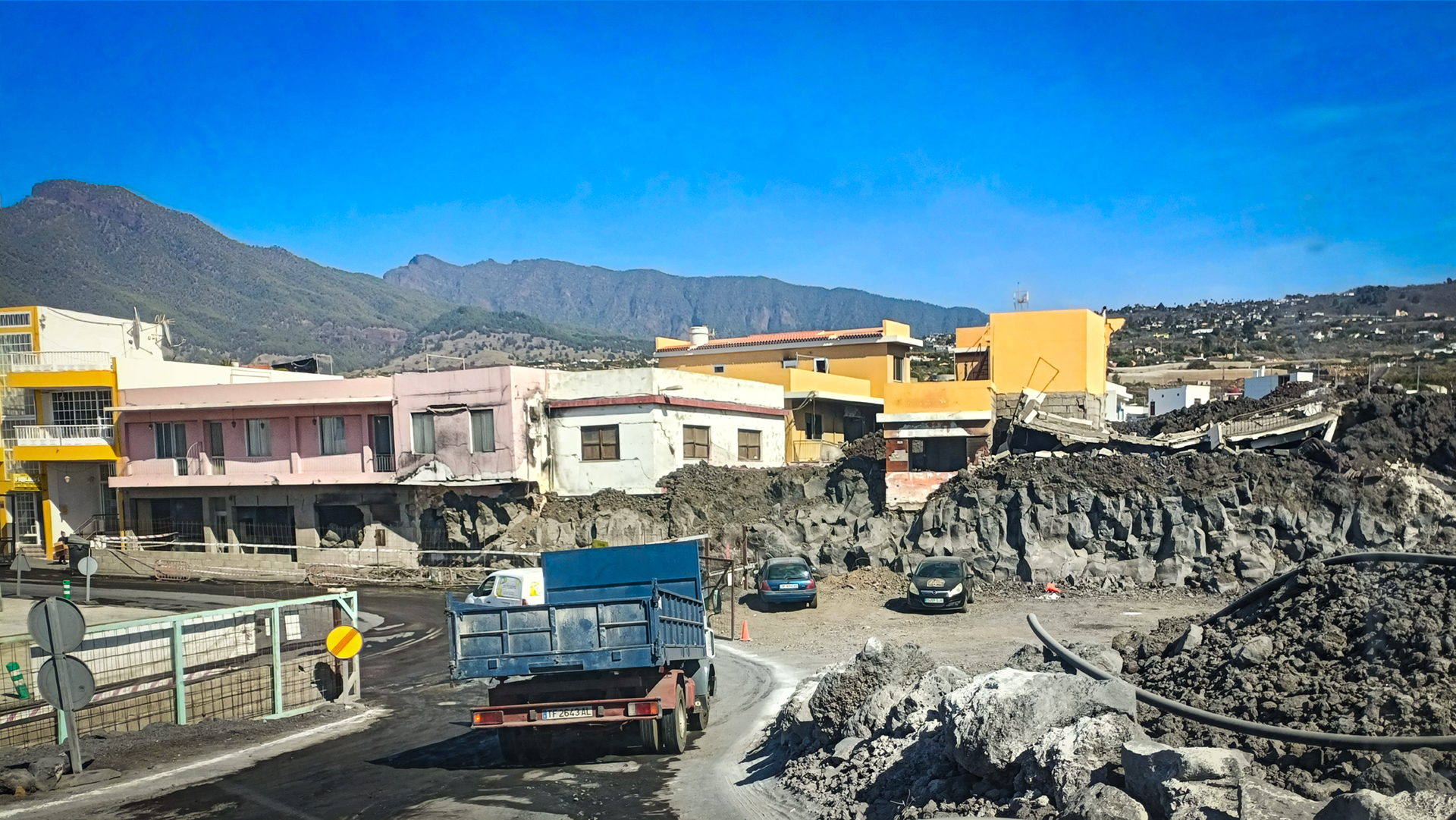
Tajogaite is now one of La Palma’s most important new visitor destinations. Viewpoints such as the Mirador de Las Hoyas, or the lava field trail between Tajuya and Jedey, powerfully convey the forces that were at work here in 2021. Anyone standing on the black basalt rock today is standing on a landscape that, in 2026, is still less than five years old.
What the Lava Field Tells Us Today
Visiting the Tajogaite lava field means encountering a paradox: the site represents both destruction and new beginning. Information panels recall vanished houses and roads, while the first mosses and tabaibas are already taking hold on the young basalt.
A guided tour conveys far more than geological facts. Many of the local guides come from the affected communities themselves and share the stories of the people who lost their homes here. The visit becomes not just a natural experience, but a vivid insight into the most recent chapter of La Palma’s history.
Tip:
The volcanic cone itself may only be entered as part of certified guided tours. The terrain outside the designated areas remains closed, as unstable lava fields and elevated gas concentrations can still occur.
Frequently Asked Questions (FAQ)
Why is the volcano called Tajogaite and not Cumbre Vieja?
Can you visit the Tajogaite and is the lava field open to tourists?
How hot is the lava today?
Can Tajogaite erupt again?
How large was the economic damage?
Can you visit Tajogaite today?
This article is based on the on-the-ground knowledge of the Gequo editorial team – publishers of the Reisezeit hiking guides and operators of Sunhikes.com. Last updated: May 2026