La Palma in Winter – Green, Mild and Almost Tourist-Free
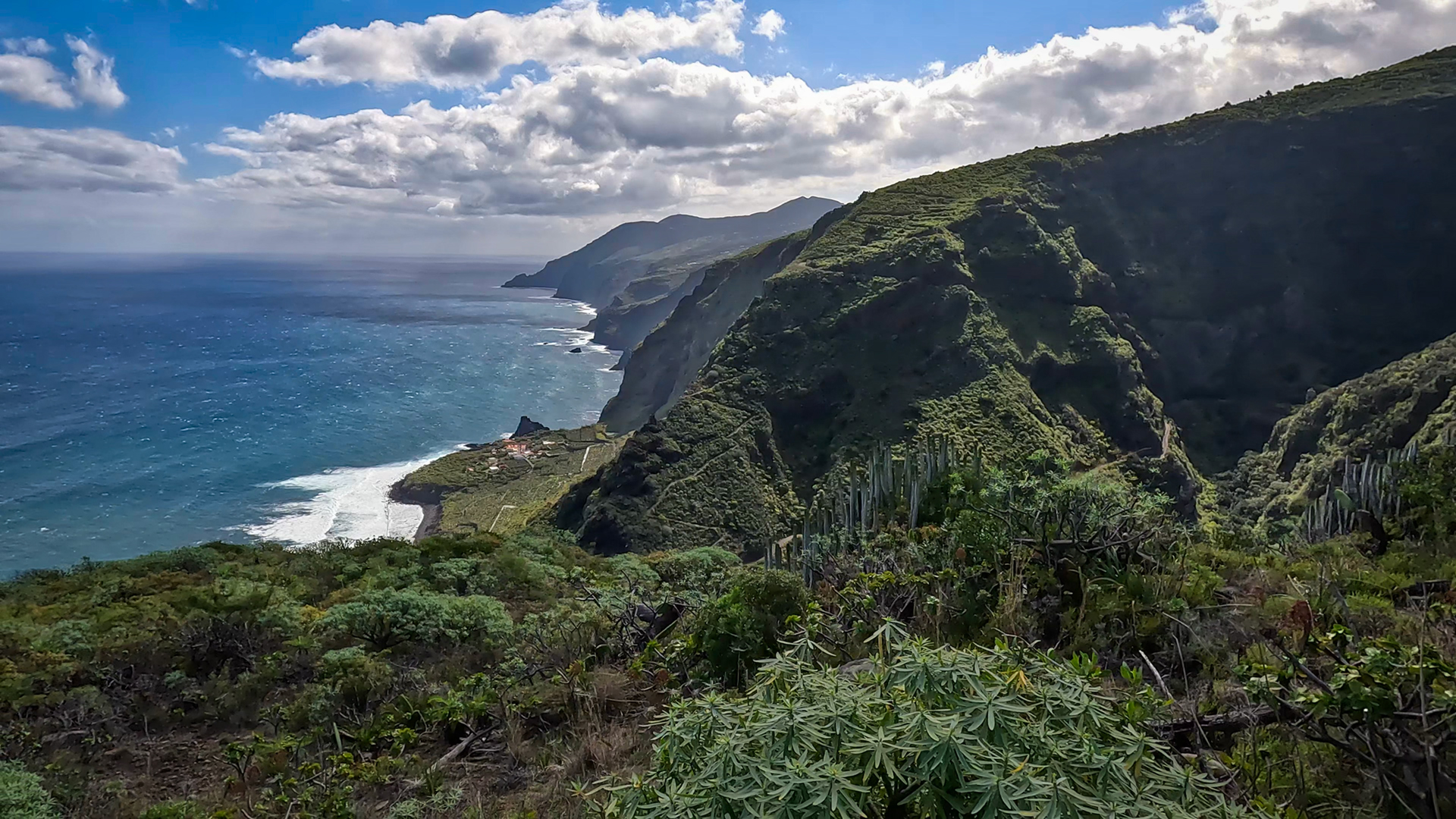
While northern Europe is grey and cold, you can walk through La Palma’s green laurel forests in short sleeves. The Canarian winter is the exact opposite of mainland Europe’s: warm enough for outdoor activities, wet enough for lush nature, and quiet enough to have the island almost to yourself. December to February are among the best months to visit – those who know come back every time.
La Palma’s Winter Climate
On the coast, winter temperatures range from 18–22°C during the day, rarely below 14°C at night. The north and east of the island are wetter and cloudier – the southwest and west coast are sunnier. Puerto Naos and Tazacorte are among the sunniest spots and significantly drier than the north coast in winter.
In the high mountains (above 1,500 m), it can get frosty in winter and snow occasionally falls at the Roque de los Muchachos. The access road LP-4 may be closed in icy conditions – check the weather forecast beforehand. At mid-altitude (600–1,200 m), winter is usually mild and overcast.
Winter Highlights
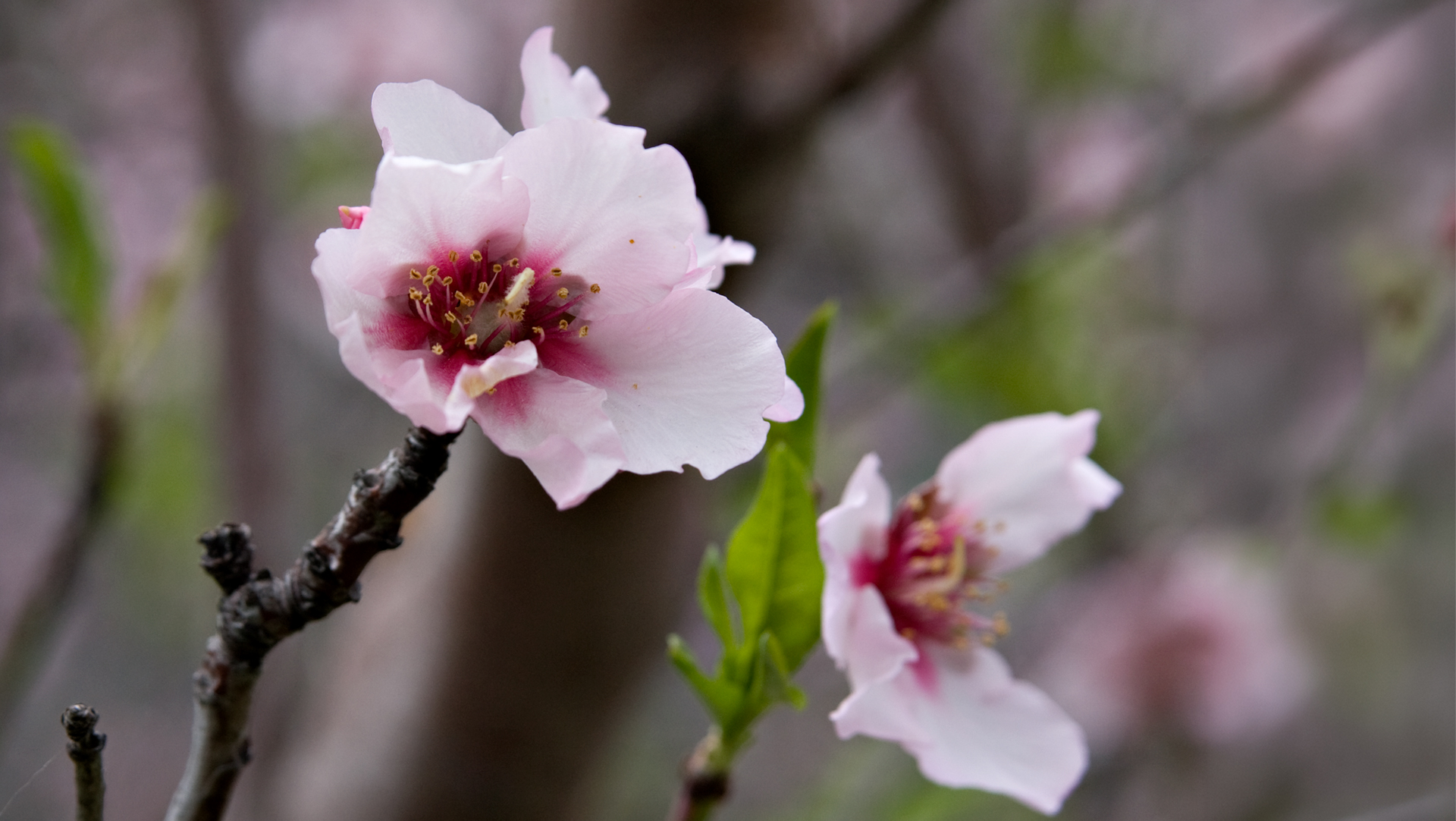
Almond Blossom in Puntagorda (January–February)
From late January to mid-February, the almond trees bloom in Puntagorda – thousands of trees on the hillsides, white and pink, in a natural spectacle unique to the Canarian winter landscape. Add to that the Fiesta del Almendro en Flor with music and a market. Early in the morning, when the blossoms glow in the first sunlight, the scene is at its most beautiful.
Green Laurel Forests in the North
In winter, the laurel forests of Los Tilos and Cubo de la Galga are at their peak: the trade wind clouds bring moisture, the green is intense, mosses and ferns glow. Los Tilos in the mist – that is an image you simply cannot get in summer.
Stargazing – Clear Winter Nights
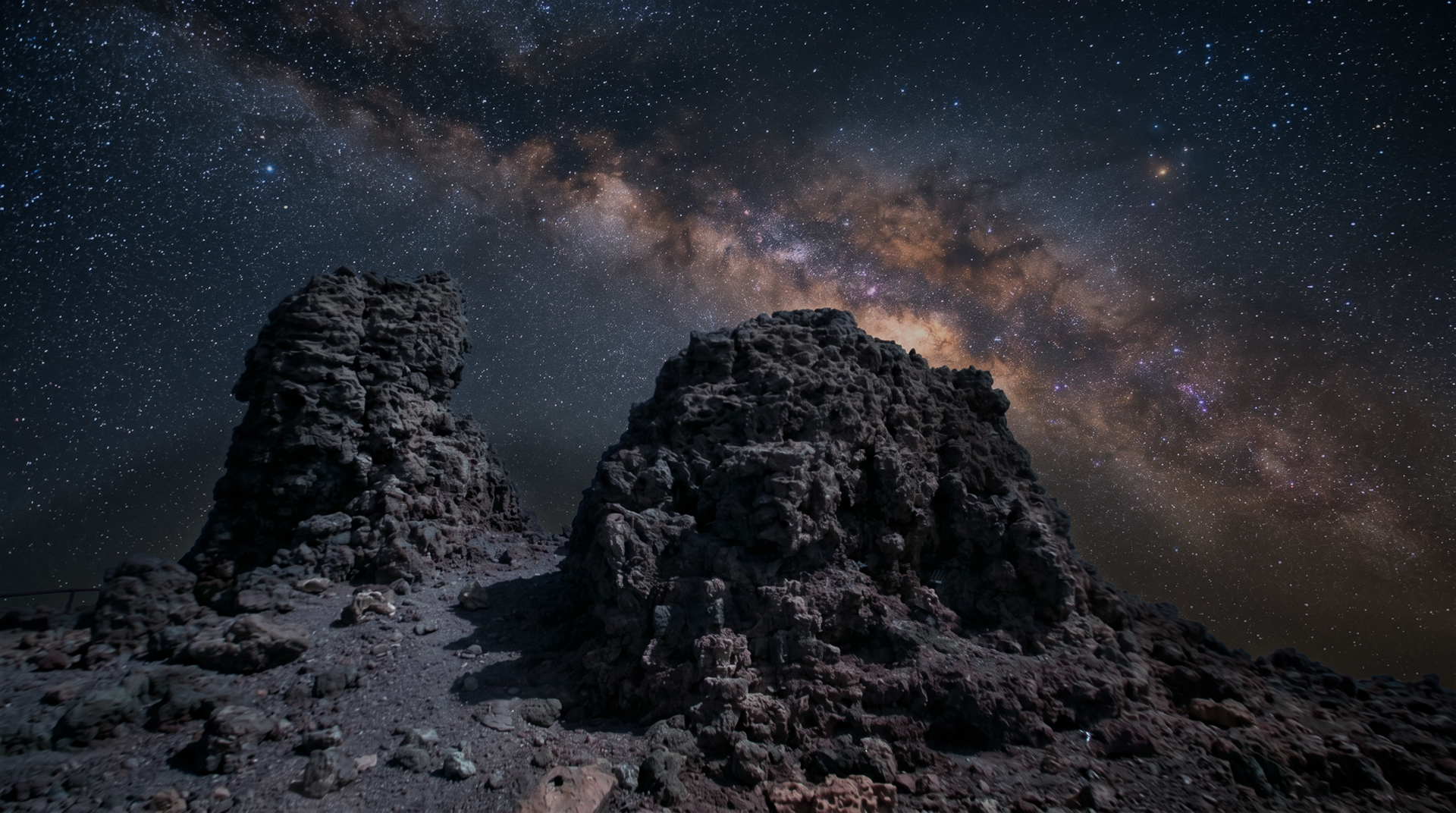
The long winter nights and the stable atmosphere make the period from October to March an excellent time for stargazing on La Palma. On clear nights, winter constellations such as Orion, Taurus, and the Pleiades are visible with exceptional clarity.
Those wanting to photograph the Milky Way should note: the bright galactic core is visible mainly from May to October. Winter, however, is particularly well suited to observing constellations, star clusters, and other deep-sky objects.
Los Indianos – The White Carnival (February)
Los Indianos is one of La Palma’s most celebrated festivals and traditionally takes place on Shrove Monday in Santa Cruz de La Palma. Thousands of people arrive in white clothing, accompanied by Cuban music and the characteristic clouds of talcum powder. The festival recalls the historic ties between La Palma and Cuba and is one of the most extraordinary carnival events in Spain.
Hiking in Winter
Winter is one of the best hiking seasons on La Palma. Pleasant temperatures, clear air, and the soft light of the winter sun create ideal conditions on many trails. The ravines and laurel forests in the north of the island are particularly impressive at this time of year.
After heavy rainfall, individual trails or barrancos may be temporarily closed for safety reasons. Before longer hikes, it is worth checking the latest notices from the national park authority or the local municipality.
Winter on La Palma at a Glance
| Area | Information |
|---|---|
| Coastal climate | 18–22°C during the day, 14–16°C at night |
| Sunniest regions | Tazacorte, Puerto Naos and Los Llanos de Aridane |
| Rainfall | North and northeast wetter; south and west significantly drier |
| Nature highlight | Almond blossom from late January to mid-February |
| Cultural highlight | Los Indianos on Shrove Monday |
| Stargazing | October to March – particularly clear nights |
Winter Tips for La Palma
Choose the right part of the island
While the north and east of the island are more often affected by the trade wind clouds in winter, the west coast is frequently sunnier. Those looking for the most sunshine hours should book accommodation in Tazacorte, Puerto Naos, or Los Llanos de Aridane.
Pack layers
Between the coast and the Roque de los Muchachos there are over 2,400 metres of altitude difference. While it can still be T-shirt weather at the beach during the day, warm clothing and a windproof jacket are often essential at higher altitudes.
Check road and weather conditions
Before driving up to the higher altitudes in winter, it is worth checking the current weather and road situation. After snowfall or ice, certain roads – in particular the LP-4 – may be temporarily closed.
Experience nature after rain
After winter rain, waterfalls, barrancos, and laurel forests are at their most spectacular. Many hikes are at their most scenic at this time, even if individual paths may be briefly closed.
Best photography time in winter
Winter light is softer than in summer. The first two hours after sunrise and the hour before sunset are particularly atmospheric. Volcanic landscapes appear more contrasty and the green northern slopes take on a particularly deep colour.
Accommodation in Winter – What to Look For
Those looking for as many sunny hours as possible will find the most stable weather conditions on the west coast. Places such as Tazacorte, Puerto Naos, and the sunny areas around Los Llanos de Aridane are among the warmest parts of the island even in winter.
For holiday homes and fincas with sea views, specialist providers such as Clariso.eu offer a wide selection of properties on the western side of the island. Those wanting to experience the almond blossom or the laurel forests in the north will find many peaceful properties around Puntagorda or Garafía in easy reach of the hiking areas.
Frequently Asked Questions (FAQ)
Is La Palma too rainy in December?
What should you wear in winter on La Palma?
Is La Palma a good destination for hikers in winter?
Can you swim in the sea in winter on La Palma?
When does Los Indianos take place?
Can you always reach the Roque de los Muchachos in winter?
Where is it sunniest on La Palma in winter?
This article is based on the on-the-ground knowledge of the Gequo editorial team – publishers of the Reisezeit hiking guides and operators of Sunhikes.com. Last updated: May 2026