La Palma’s Water System – Engineering in Volcanic Rock
La Palma is a water-rich island – but this water is almost invisible to the eye. There are no large lakes, barely any rivers, and only occasionally does a small stream trickle through the barrancos. What keeps the island so lushly green and alive flows deep underground and through an ingenious network of channels that people have driven into the hard volcanic rock over centuries. Walking the Marcos y Cordero springs trail brings you face to face with this remarkable system.
Galerías – Horizontal Tunnels in Volcanic Rock
The most important water extraction systems on La Palma are the galerías: near-horizontal tunnels driven kilometres into porous volcanic rock to reach water-bearing layers.
The ingenious part: through a minimal gradient, water flows out of the mountains entirely without pumps or additional energy. Some galerías extend several kilometres into the volcano.
La Palma has over 200 active galerías today. Particularly in the water-rich northern and eastern parts of the island, they collect large quantities of spring water. This is then transported via the historic channel system to the drier western and southern sides of the island, where it is used for agriculture and supply.
Acequias and Canales – the Island’s Lifelines
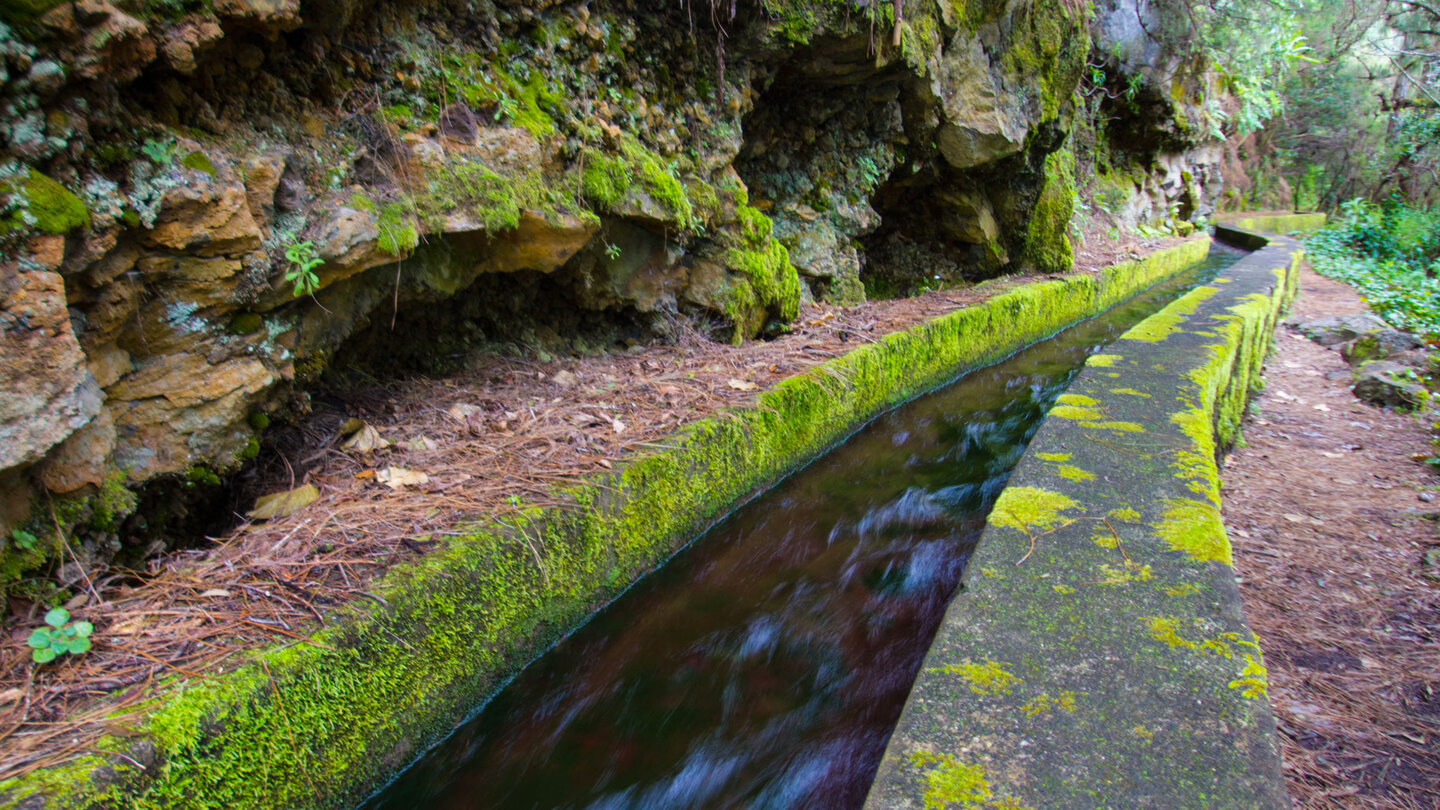
Once water leaves the galerías, it is distributed through an extensive network of acequias (open irrigation channels) and larger canales. This historic conduit system carries water from the wet highland zones down into the agricultural valleys.
Along many walking trails you encounter these water channels. Their steady murmur is as much a part of the landscape as the laurel and pine forests. The open channels also provide a slight natural cooling effect through evaporation in their immediate surroundings.
Balsas – the Island’s Water Reservoirs
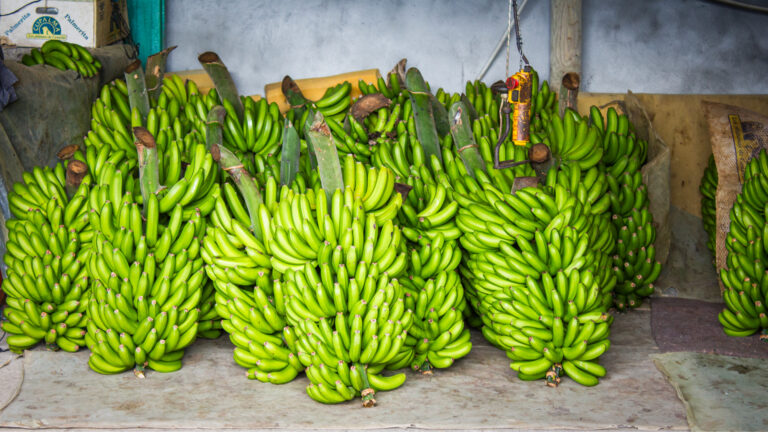
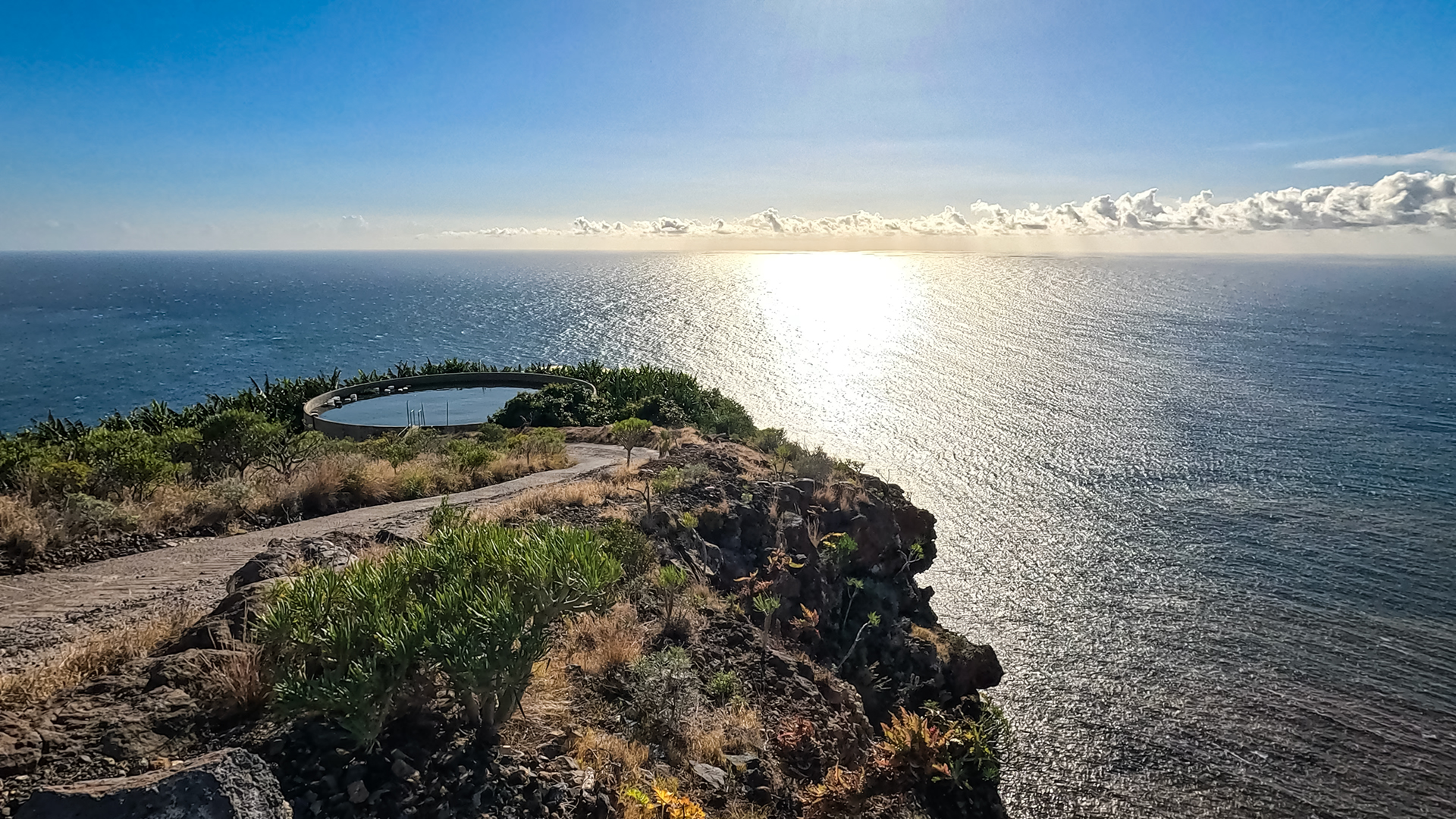
Across La Palma you will notice large storage ponds, usually lined with black specialist sheeting – the balsas. They store water for the dry summer months, when agricultural demand is at its highest. A well-filled balsa is invaluable to a local banana farmer on the west coast, securing irrigation for the plantations even in low-rainfall periods.
Water Rights – Water as a Tradeable Asset
The most fascinating aspect of La Palma’s water system is its legal structure. Water has traditionally belonged not to the state but predominantly to private communities – the so-called heredamientos.
Water rights are divided into shares (acciones de agua) that can be bought, sold, inherited, or leased much like shares. Someone may own a plot of land but not automatically have the right to water – this must be separately acquired. At the historic distribution points, precisely calibrated sluices and apertures determine which owner receives water, and when and how much. This sophisticated distribution system has functioned reliably for centuries.
The Canarian Pine as a Natural Water Collector
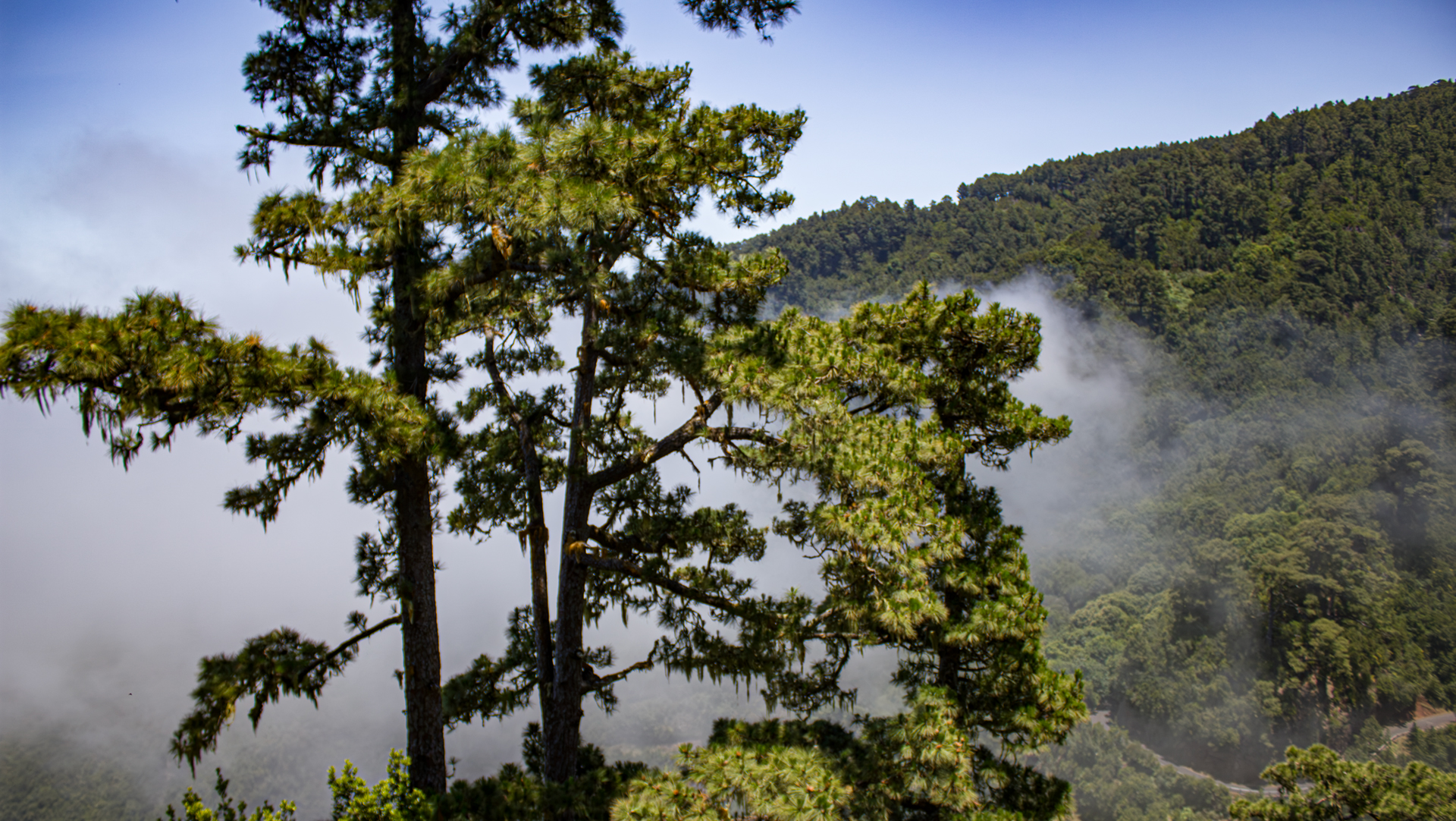
An often underestimated component of the water cycle is the Canarian pine (Pinus canariensis). Its long needles comb moisture from passing trade wind clouds. The condensing water droplets fall to the ground and slowly percolate into the volcanic subsoil. This so-called horizontal precipitation delivers more water in many highland areas than rainfall itself, and plays a major role in replenishing the island’s groundwater reserves.
Hiking the Water System: Marcos y Cordero
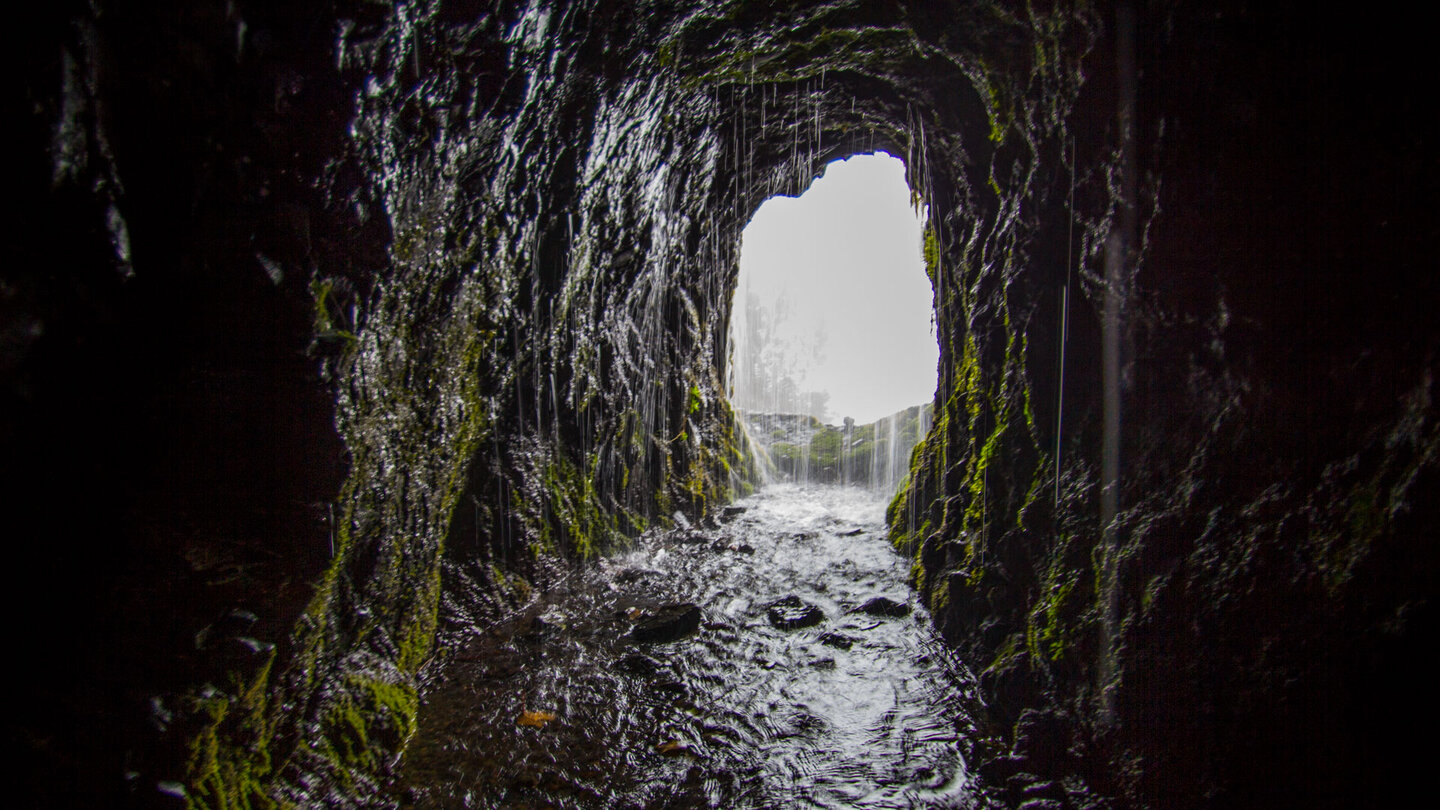
The most vivid way to experience La Palma’s water system is the hike to the Marcos y Cordero springs. Thirteen tunnels, bored in the early 20th century, run alongside acequias all the way to the springs in the laurel forest. The water you follow is still flowing today – supplying plantations on the west coast that would be dry without these tunnels.
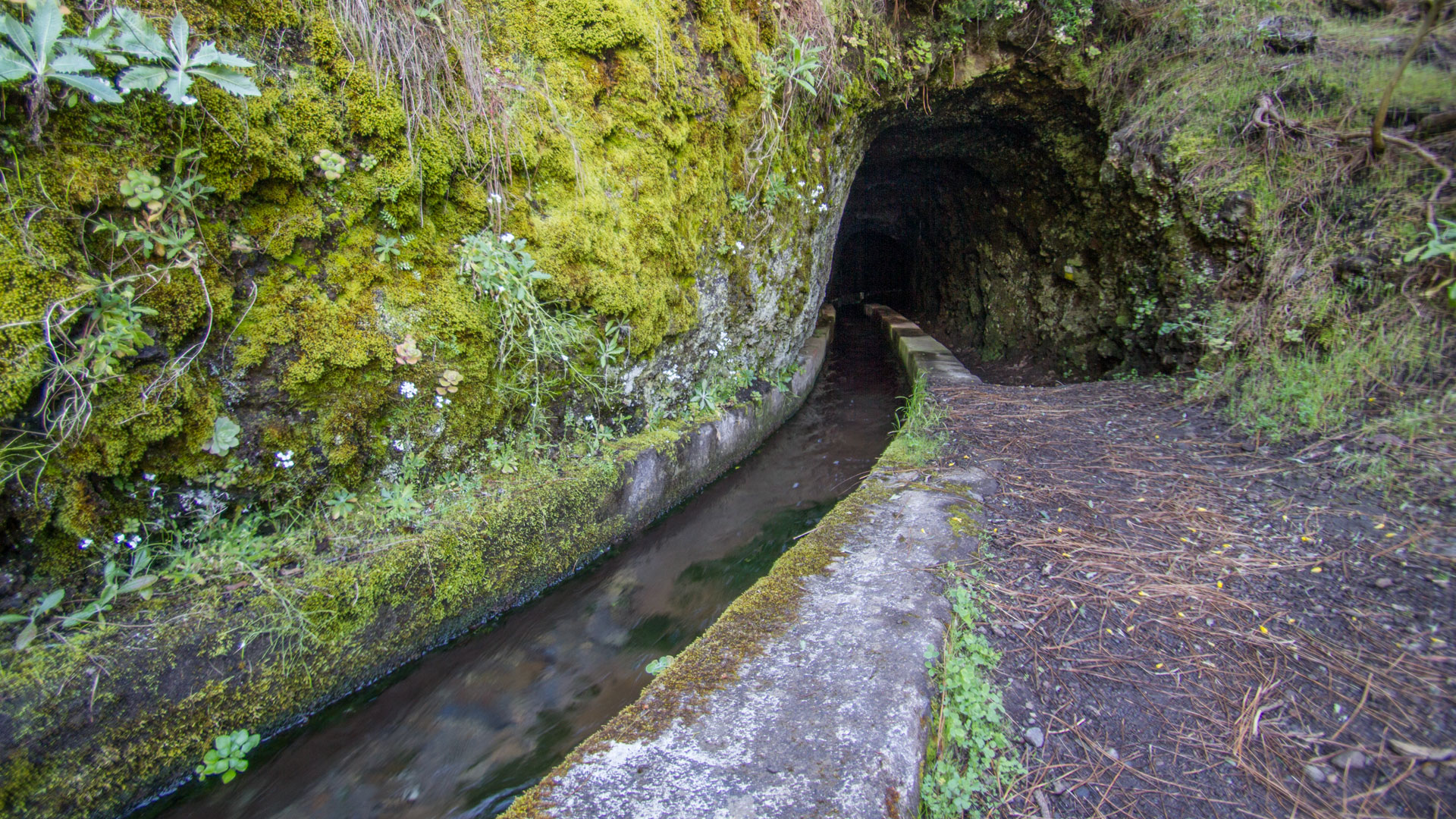
What makes the walk so special: you experience a functioning historic feat of engineering at first hand. No museum, no model – the real system, still working.
Important Note:
A helmet, a head torch (or torch), and a waterproof jacket are essential for this walk. In some tunnels, water drips constantly from the ceiling; the tunnels are also low and uneven underfoot. Always check the current condition and any path closures before setting out.
Frequently Asked Questions (FAQ)
Can you drink the tap water on La Palma?
How can you best experience the water system?
This article is based on the on-the-ground knowledge of the Gequo editorial team – publishers of the Reisezeit hiking guides and operators of Sunhikes.com. Last updated: May 2026