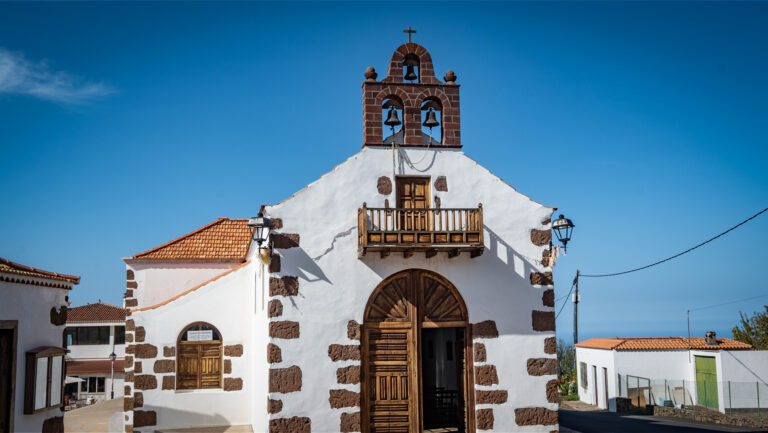
Villa de Mazo: Where Flower Carpets Tell History
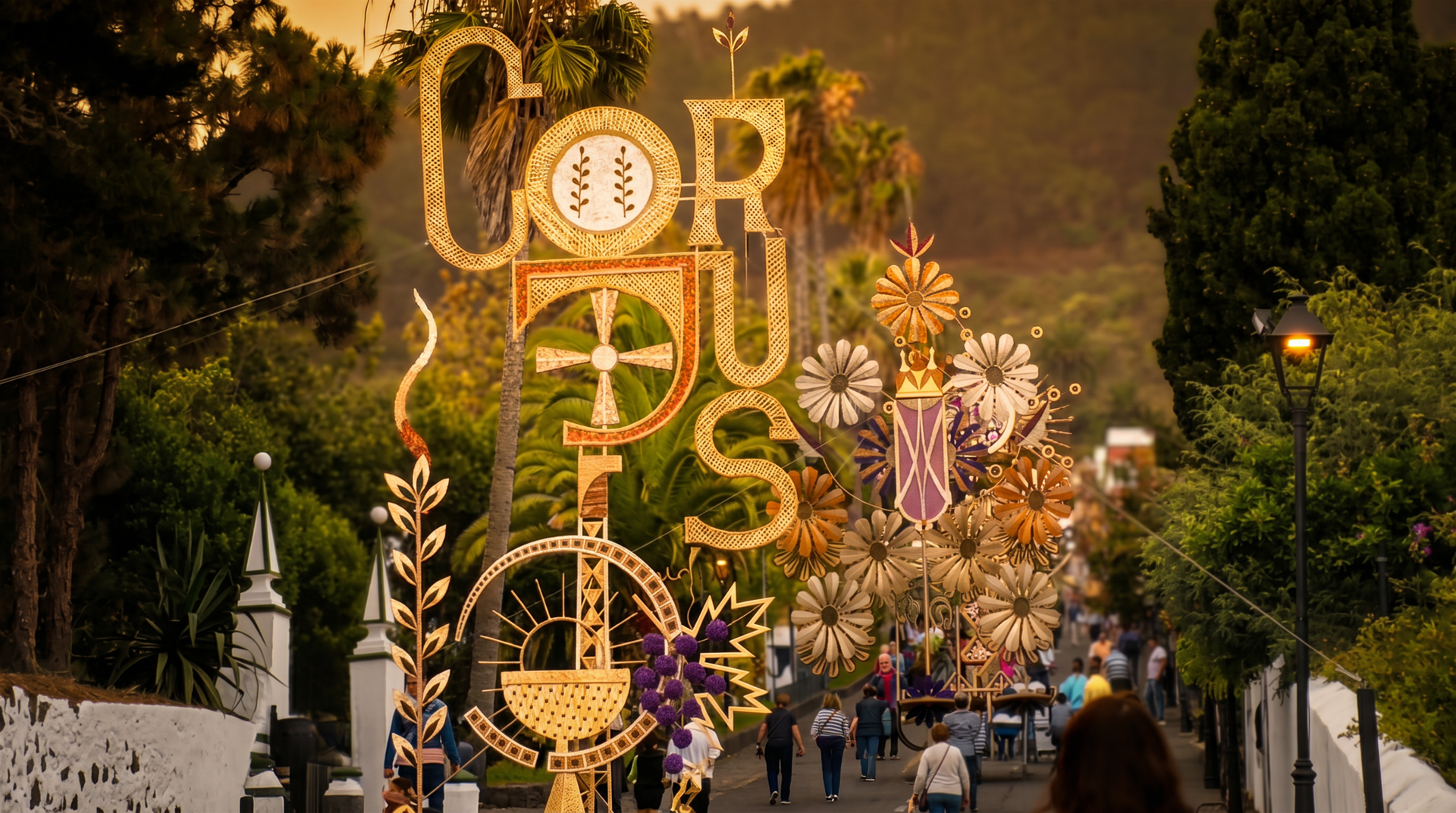
Once a year, at Corpus Christi, the residents of Villa de Mazo transform their streets into a fleeting work of art unlike any other. Colourful flower petals, volcanic sand, salt crystals, lapilli, and other natural materials are crafted over days of painstaking effort into intricate carpets and stunning motifs. What appears to visitors as a unique spectacle is for the Mazeros a living tradition and an expression of community spirit. For generations, the flower carpets have been created in friendly competition between the different districts — turning Villa de Mazo into a living open-air art school every year.
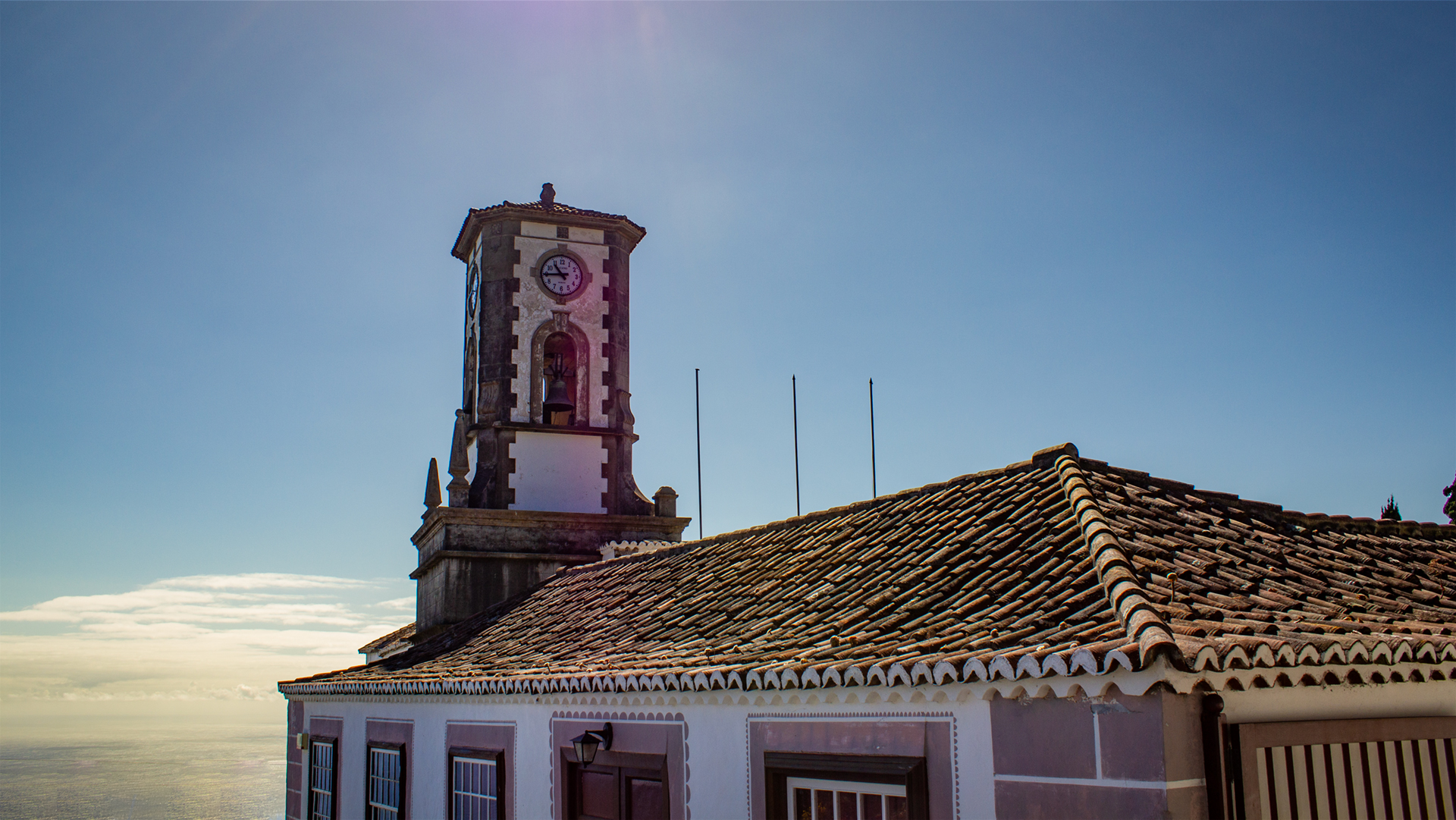
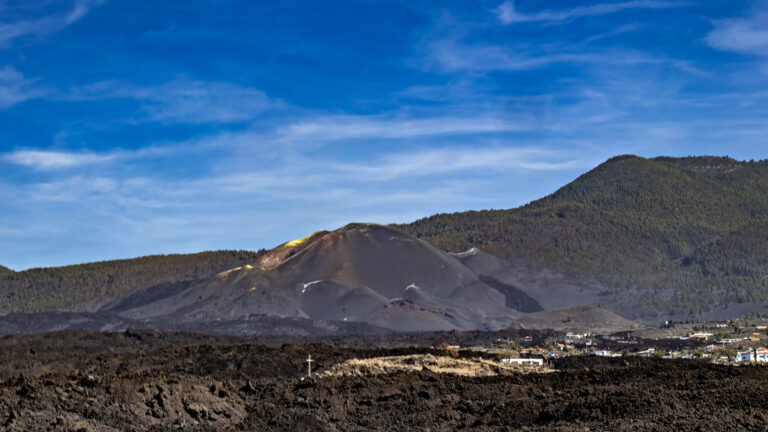
The municipality lies in the lush south-east of the island, about 15 kilometres from Santa Cruz de La Palma, and is one of the oldest settlements on the island.
The Casa Roja and the Museums
The Casa Roja — a neoclassical manor house from the 19th century with its striking red facade — now houses the Museo Casa Roja. The exhibition focuses on two important traditions of the municipality: the artful embroidery (bordados) and the Corpus Christi festival with its famous flower carpets. Historical patterns, tools, and award-winning designs offer insight into this unique cultural heritage.
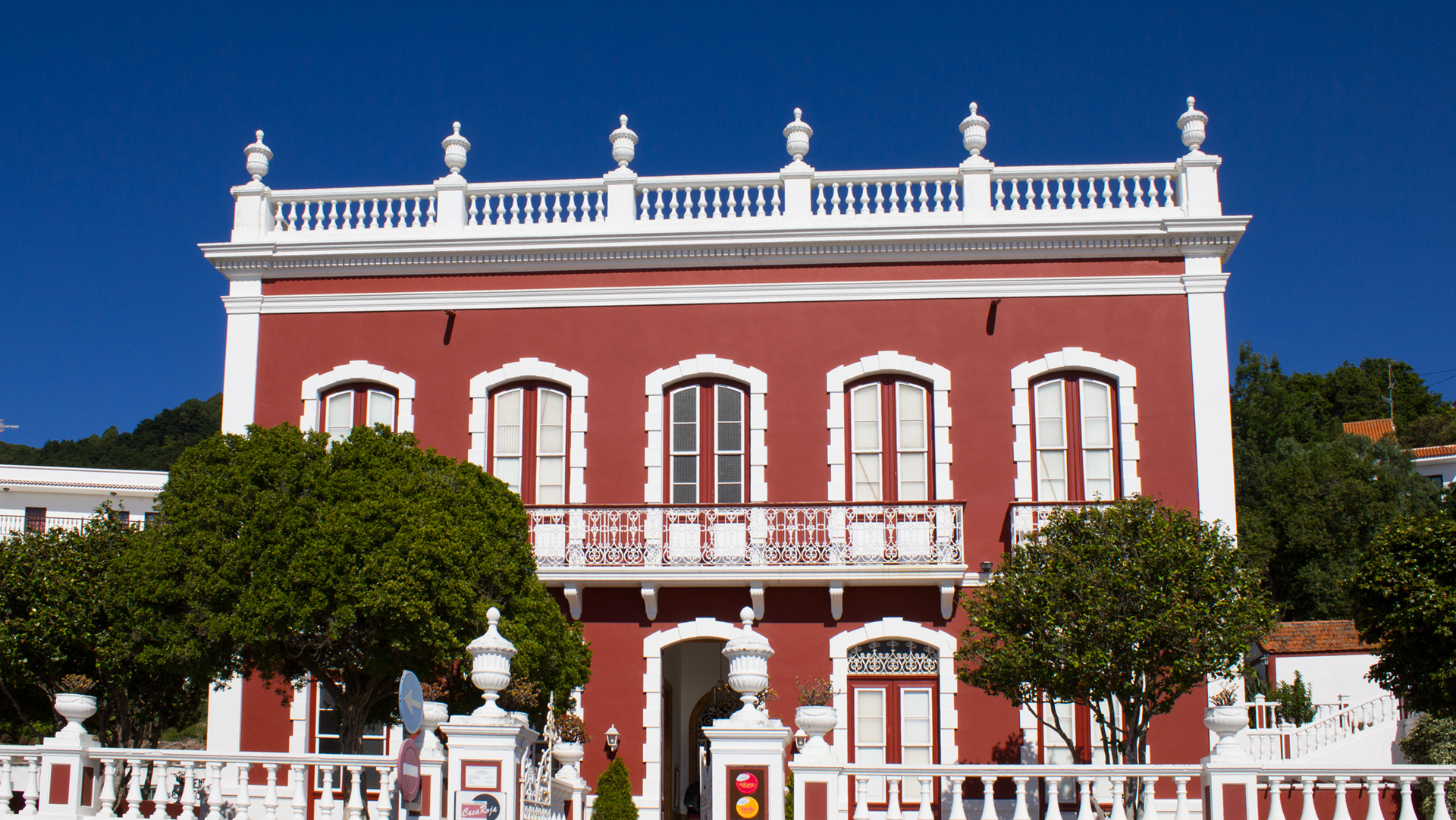
Photography tip: As the facade faces east, the best shots are taken in the morning when the warm morning light makes the characteristic red glow especially intense.
Anyone wanting to experience authentic Villa de Mazo should visit the Mercadillo de Mazo. The farmers’ market is well known far beyond the municipality for its blend of regional products and traditional crafts. Alongside fruit, vegetables, cheese, wine, and almond pastries, you’ll also find embroidery and the island’s traditional ceramics.
A few kilometres outside the village centre lies the Belmaco Eco-Museum — a cave complex with ten natural dwelling caves of the Benahoaritas, La Palma’s indigenous people. As early as 1752, the first scientifically documented rock engravings (petroglyphs) on the island were discovered here. The carved spirals, meanders, and geometric signs remain a mystery to this day. The visitor centre explains the significance of the site and vividly conveys the pre-Hispanic history of La Palma — a fascinating destination for families too.
Pottery, Craftsmanship, and the Corpus Feast
Together with El Paso, Villa de Mazo is considered one of the most important centres of traditional craftsmanship on La Palma. Particularly well known is the Cerámica Benahoarita — a hand-built pottery made without a wheel, whose production traces back to the techniques of the Benahoaritas. A central location for this tradition is the historic El Molino windmill, where old Canarian ceramics are still made and displayed following historical models. Further workshops and studios invite visitors to discover the traditional crafts of the municipality.
Conclusion
Villa de Mazo combines history, craftsmanship, and living tradition like few other municipalities on La Palma. The famous Corpus Christi flower carpets, the petroglyphs of Belmaco, the ancient pottery tradition, and historic buildings such as the Casa Roja make it one of the cultural highlights of the island. At the same time, Villa de Mazo’s quiet setting, its proximity to the airport, and its rural fincas make it an ideal base for exploring the southeast of La Palma.
Frequently Asked Questions
When does the Corpus Christi flower carpet festival take place in Mazo?
What can you see at the Belmaco Eco-Museum?
Where can you buy traditional pottery from Villa de Mazo?
Is Villa de Mazo a good place to stay?
How far is Villa de Mazo from Santa Cruz de La Palma?
This article is based on the on-the-ground knowledge of the Gequo editorial team – publishers of the Reisezeit hiking guides and operators of Sunhikes.com. Last updated: May 2026