La Palma’s Plant World: A Quarter of All Canary Island Endemics Found Here
La Palma is not called La Isla Verde — the Green Island — without reason. Around 2,000 plant species grow on this small volcanic island. Among them are numerous Canary Island endemics, of which around 40 species are found exclusively on La Palma. The island owes this botanical uniqueness to its geographical location, its dramatic vertical relief, and the confluence of moist trade wind clouds and a dry westerly climate.
From the coast to the summit of the Roque de los Muchachos, La Palma crosses all climate zones in less than 30 horizontal kilometres — from the dry coast to alpine highlands. Each zone has its own specialized plant community — and many of these plants have evolved in evolutionary isolation, existing only here.
La Palma’s Vegetation Zones
Along the coasts up to about 500 metres elevation, spurges, Tabaibas, dragon trees, and other drought-adapted plants dominate. Above this, in the warm middle elevations, the thermophilic vegetation zone takes over. Here grow Canary Island date palms, wild olives, Savin trees, and other heat-loving woody plants.
Between about 500 and 1,200 metres, the laurel forest (Laurisilva) extends across the moist north and northeast slopes — considered a relict of the Tertiary-era forests of Europe. Above this, the extensive pine forest with the Canary Island pine (Pinus canariensis) takes over, before giving way to Codeso, Teide broom, and endemic Tajinastes in the summit zones above 2,000 metres.
The Laurel Forest — the Most Precious Part
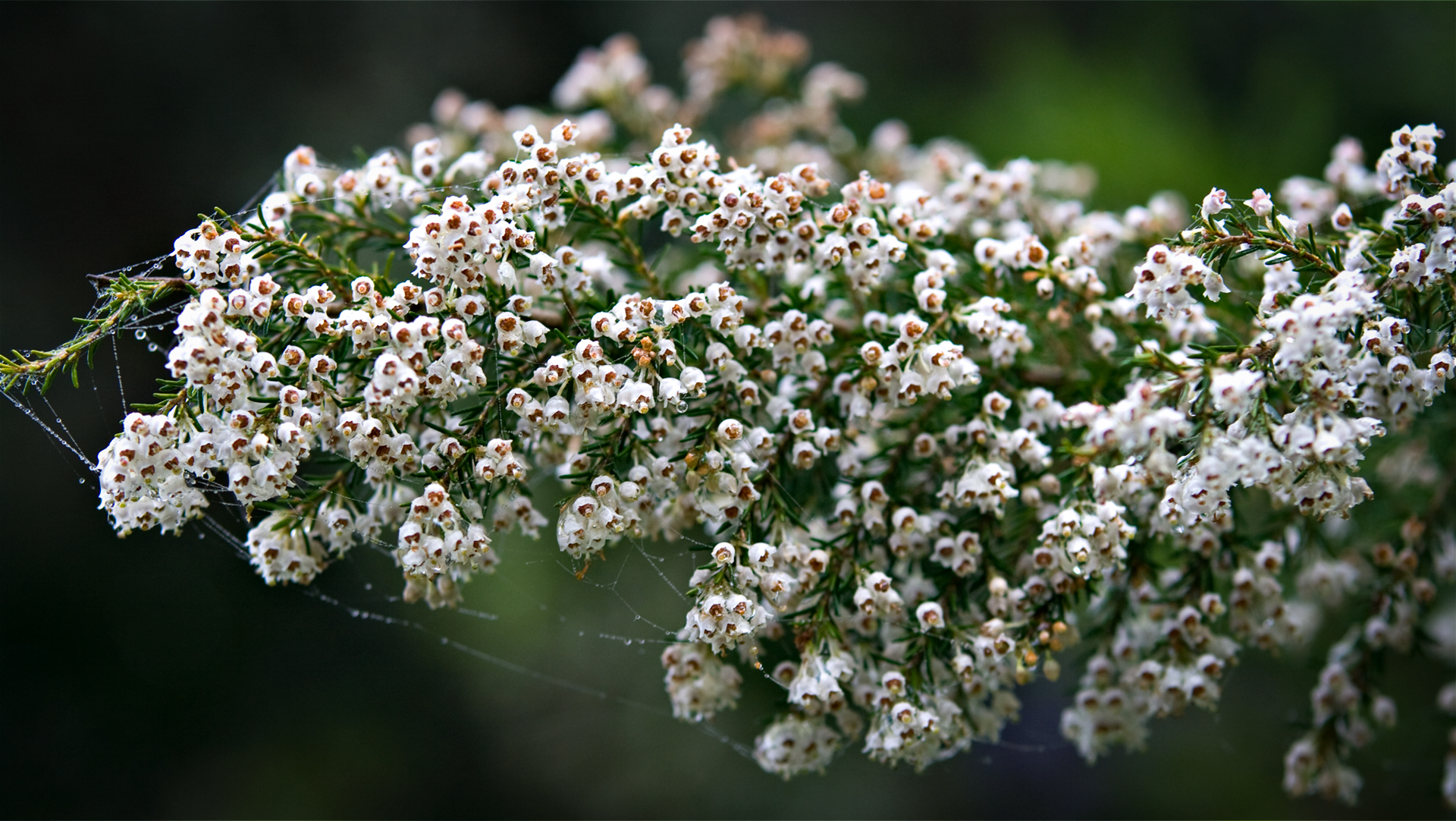
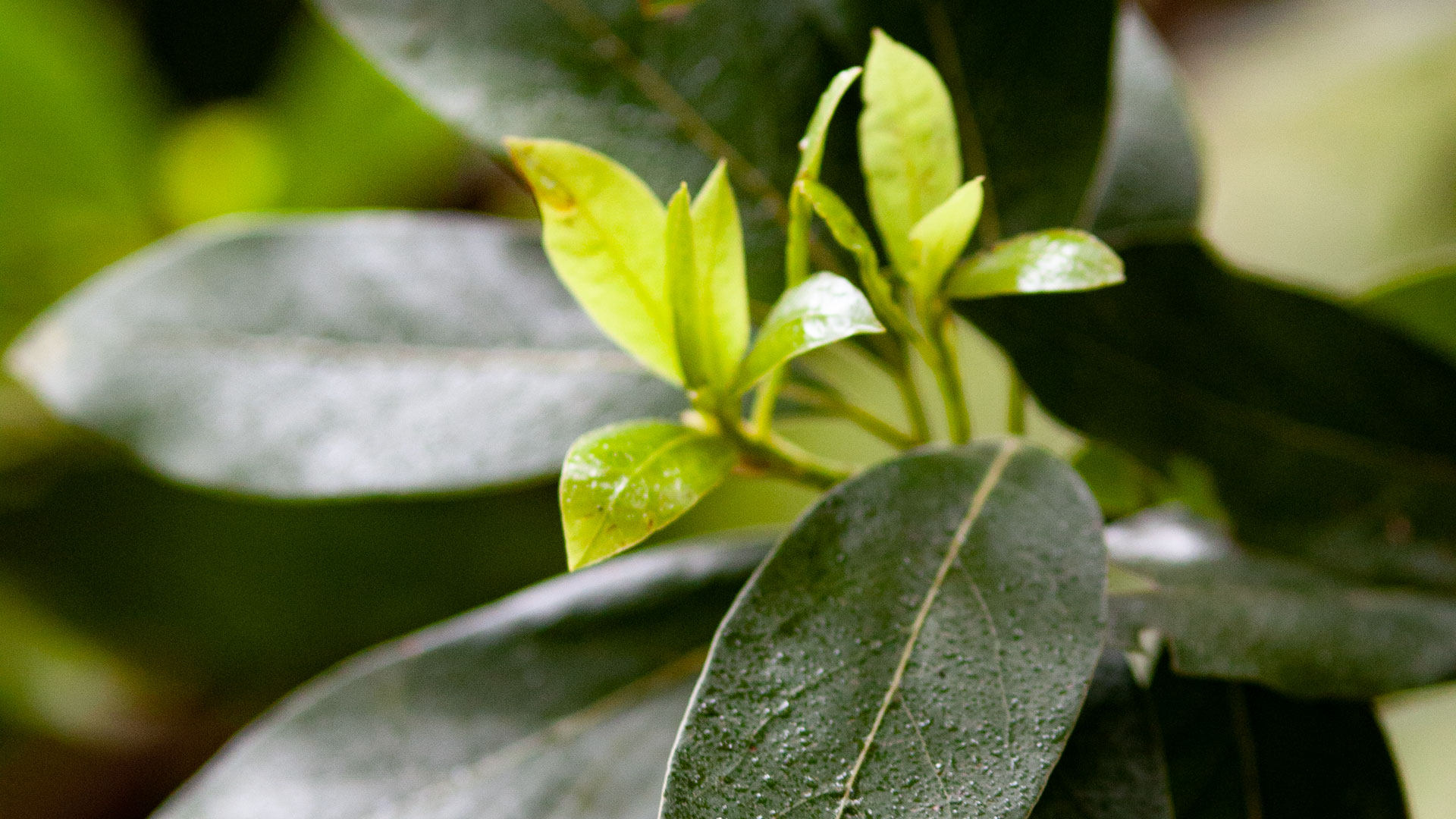
The laurel forest (Laurisilva) is one of La Palma’s most valuable natural spaces. The most impressive stands are found around Los Tilos, the Cubo de la Galga, and in other moist ravines of the northeast. Here grow Canary Laurel, Til (Ocotea foetens), Acebiño (Canary Holly), Canary strawberry tree, and the magnificent tree heath. The trade wind clouds create an extraordinary natural phenomenon here: leaves and needles capture the finest water droplets from the clouds, which then drip to the ground as so-called horizontal precipitation. This natural water reservoir supplies the forest even during periods of low rainfall and is one of the reasons La Palma is known as “La Isla Verde”.
Special Endemic Species of La Palma
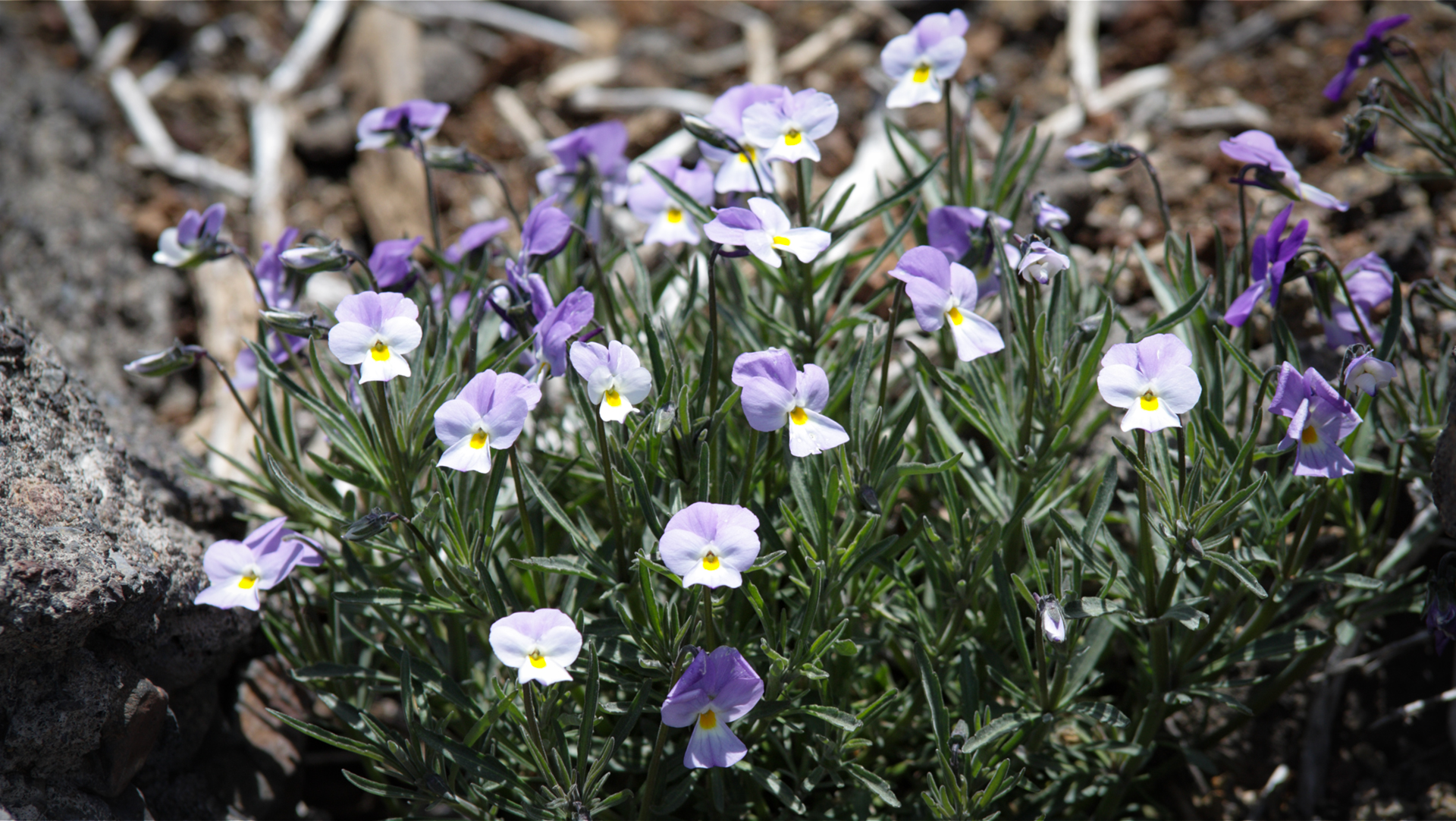
Besides the dragon tree and Tajinaste, La Palma is home to numerous botanical treasures. These include the Palmerian Violet (Viola palmensis), which grows only in the moist high-elevation ravines of the island.
The Canary Island bracken (Pteridium aquilinum var. canariense) covers extensive areas in the moist ravines of the laurel forest.
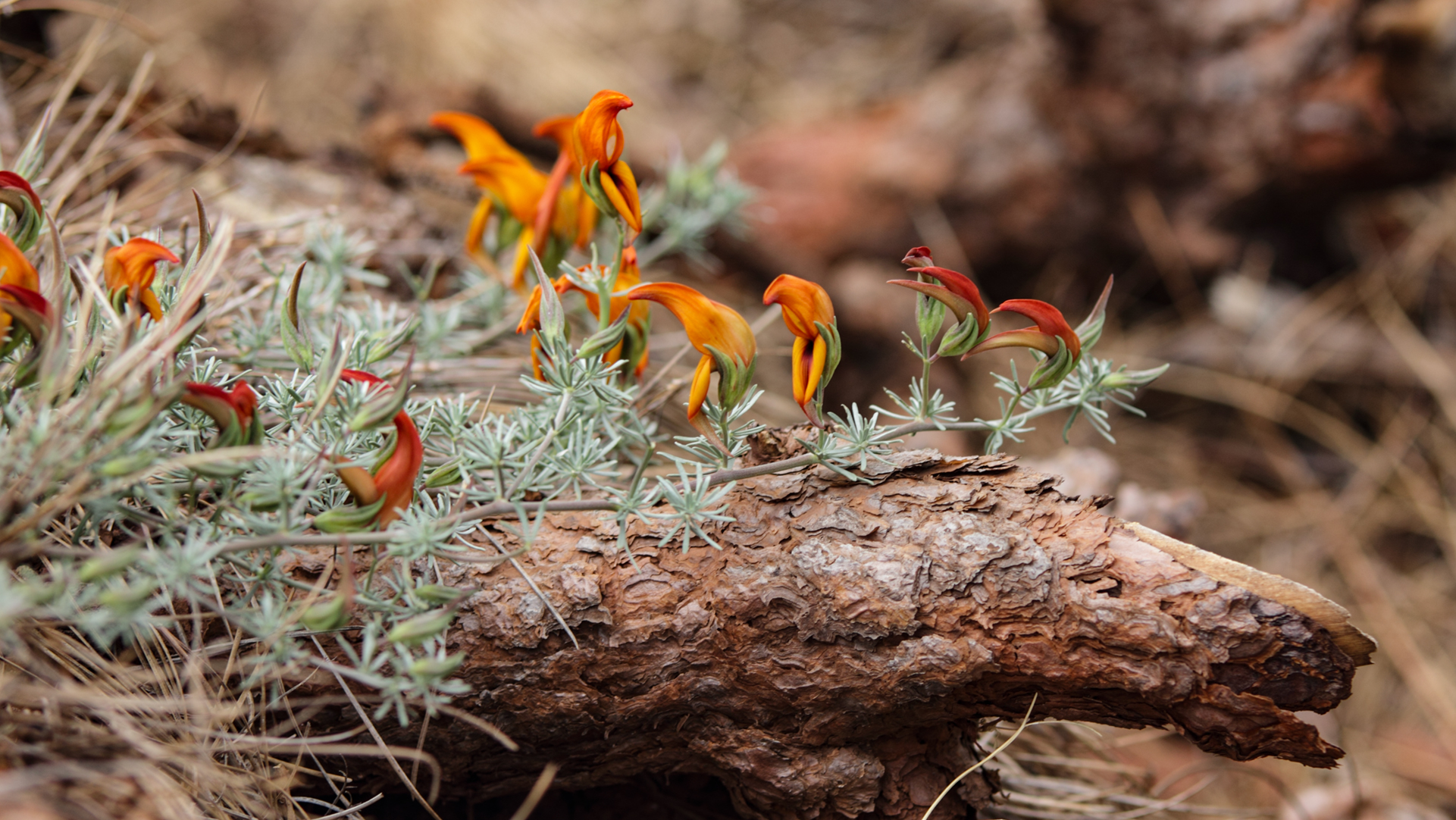
Among the rarest plants on La Palma is the Pico de Fuego (Lotus pyranthus). The strictly protected species grows only at a few locations on the island and is considered one of the most extraordinary endemic legumes of the Canary Islands.
Equally impressive is the Canary Island pine (Pinus canariensis). It is considered one of the most resilient pine species in the world. Its long needles extract moisture directly from the trade wind clouds, making a decisive contribution to the island’s water balance.
Conclusion
La Palma’s plant world is a total work of art: from the spurge by the coast to the Tajinaste on the summit, from the primeval laurel forest to the Canary Island pine. Anyone who truly wants to understand its nature requires far more than just a single holiday.
Frequently Asked Questions
Why does La Palma have so many endemic plants?
Where can the laurel forest be best experienced?
Which plant is the emblem of La Palma's high elevations?
Why is the Canary Island pine so special?
Which rare plant grows only on La Palma?
This article is based on the on-the-ground knowledge of the Gequo editorial team – publishers of the Reisezeit hiking guides and operators of Sunhikes.com. Last updated: May 2026