MAB – Where the Benahoaritas Come to Life
Anyone visiting the petroglyphs of La Zarza, the pottery of Mazo or the Belmaco cave and wanting to understand more – anyone looking for context for all the stone and buried remains left behind by La Palma’s original inhabitants – should start at the MAB. The Museo Arqueológico Benahoarita in Los Llanos de Aridane is the most modern and complete museum on La Palma’s prehistory: not a cabinet of display cases, but a reconstructed way of life.
The MAB doesn’t just show finds – it tells a story. In well-designed rooms with interactive displays and reconstructions, it answers the question: how did the people live who came to this island more than 2,000 years ago and stayed until the Spanish conquest in 1493? What did they eat, how did they live, how did they bury their dead?
What the Museum Shows
Archaeological Original Finds
The centrepiece is the original finds from excavations across the whole island: pottery made using the characteristic coil technique (without a wheel), stone tools made of obsidian, bone implements, remnants of leather. As modern comparisons show, Benahoarita pottery changed hardly at all over more than 1,500 years.
Burial Rites and Mummies
One of the museum’s most striking chapters is devoted to the burial customs of the Benahoaritas. The indigenous people buried their dead in caves, sewn into animal skins – a technique that led to natural mummification. The MAB displays genuine mummy and skeletal finds from cave graves, complemented by explanations of Benahoarita social structure and worldview.
Diet and Daily Life
Gofio – roasted, ground grain that remains a Canarian staple to this day – was also central to the Benahoaritas’ diet. Alongside it: goat’s milk and meat, seafood (limpets), wild fruits and berries. Using reconstructions and experimental finds, the museum shows what the indigenous people’s everyday cooking looked like.
Why Visit the MAB Before the Archaeological Sites?
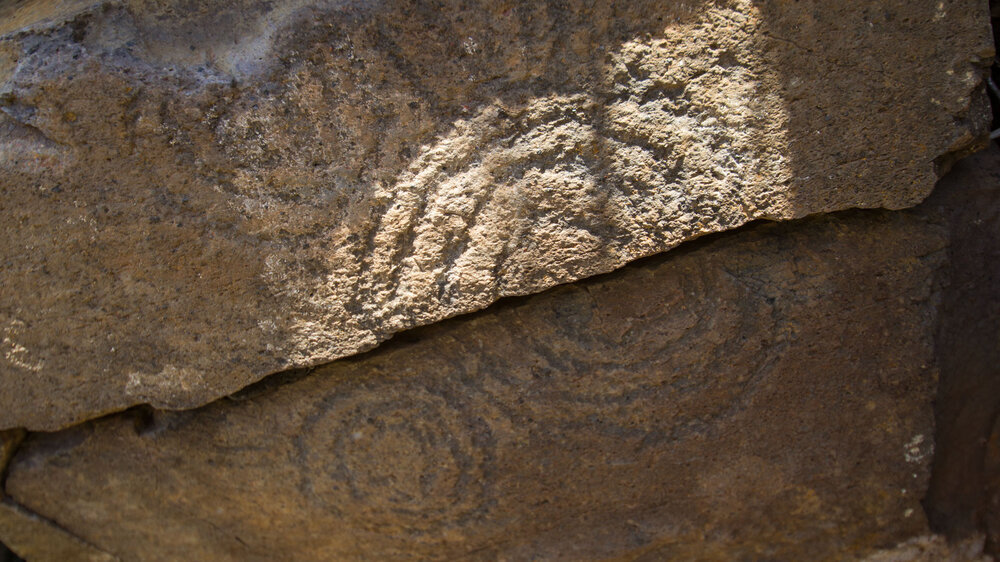
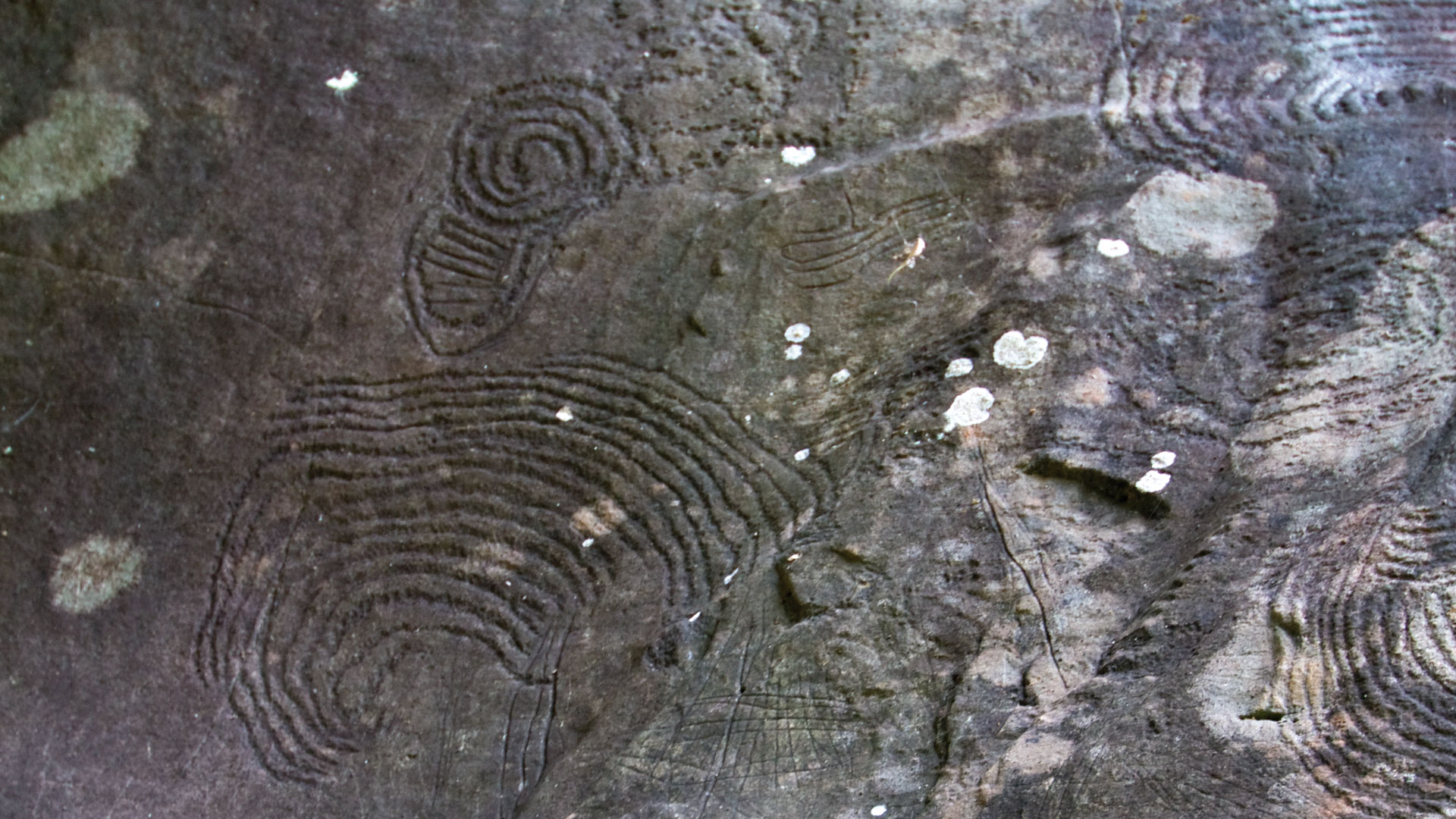
The sites themselves – Belmaco, La Zarza y La Zarcita – show what the Benahoaritas left behind: stone, spirals, silence. The MAB provides the interpretive framework. Anyone who visits the museum first and the sites afterwards sees more there: you know who lived in these caves, what they ate, how they thought. The recommended order: MAB first, then Belmaco or La Zarza.
Visitor Information
Museo Arqueológico Benahoarita (MAB): Calle Las Adelfas 1, 38760 Los Llanos de Aridane
Opening Hours: Mon–Fri 9am–8pm; Sat 9am–2pm; closed Sundays
Admission: Approx. €5.00 for adults
Languages: signage partly multilingual
Duration: approx. 1–1.5 hours
Combine With: Plaza de España, Los Llanos (5-minute walk)
Practical Tips for Your Museum Visit
Parking in Los Llanos
Only a few parking spaces are available directly at the museum. The most convenient option is to park near the bus station (Estación de Guaguas) or in the surrounding car parks and side streets. From there you can reach the museum after a short walk through the town centre.
Ideal Starting Point for Archaeological Discoveries
The Museo Arqueológico Benahoarita provides an excellent overview of Benahoarita culture and makes an ideal introduction to the subject. Afterwards, significant sites such as the Belmaco Archaeological Park, El Tendal or the rock carvings of La Zarza and La Zarcita can be explored with a completely different level of understanding.
Allow Time for the Visit
Allow around 60 to 90 minutes for the tour. Those who engage more closely with the exhibits, reconstructions and multimedia presentations will naturally spend more time in the museum.
Frequently Asked Questions (FAQ)
Who were the Benahoaritas?
Is the MAB suitable for children?
Is the museum worth visiting before a tour of the archaeological sites?
How much time should I allow for my visit?
Can the museum visit be combined with a stroll through town?
The Benahoaritas and Their Society
The Benahoaritas lived in a society without rigid hierarchies—there was no monarch, written law, or standing army. Decisions were made by councils of elders, land was communal property, and personal belongings were limited to individual items. The goat herds that populated La Palma’s slopes were their most important asset.
The transition to adulthood was marked by ritual: young people were initiated in caves and had to pass tests that proved their strength, endurance and knowledge. The MAB explains these initiation rites using archaeological finds and comparisons with other Canarian cultures.
What Came After the Conquest
The Spanish conquest of La Palma in 1493 marked the end of Benahoarita culture as an independent society. Most survivors were enslaved, forcibly baptized, or absorbed into the lower strata of colonial society. Within a generation, the original language, Benahorí, had nearly died out. What remains are the petroglyphs, the pottery and the genes – genetic studies show that a significant proportion of today’s La Palma population has Benahoarita ancestry.
This article is based on the on-the-ground knowledge of the Gequo editorial team – publishers of the Reisezeit hiking guides and operators of Sunhikes.com. Last updated: May 2026