Lava Cave Tours on La Palma – Through the Interior of the Volcano
When lava flows on La Palma, a fascinating natural process takes place: the outer surface of the stream cools and hardens upon contact with the air, while the molten magma beneath continues to flow. Once the eruption subsides and the liquid lava drains away, it leaves behind a hollow tunnel—a lava tube. These natural underground passages, some stretching for hundreds of metres and tall enough to stand in, offer a rare glimpse into the inner mechanics of a volcano, frozen in time.
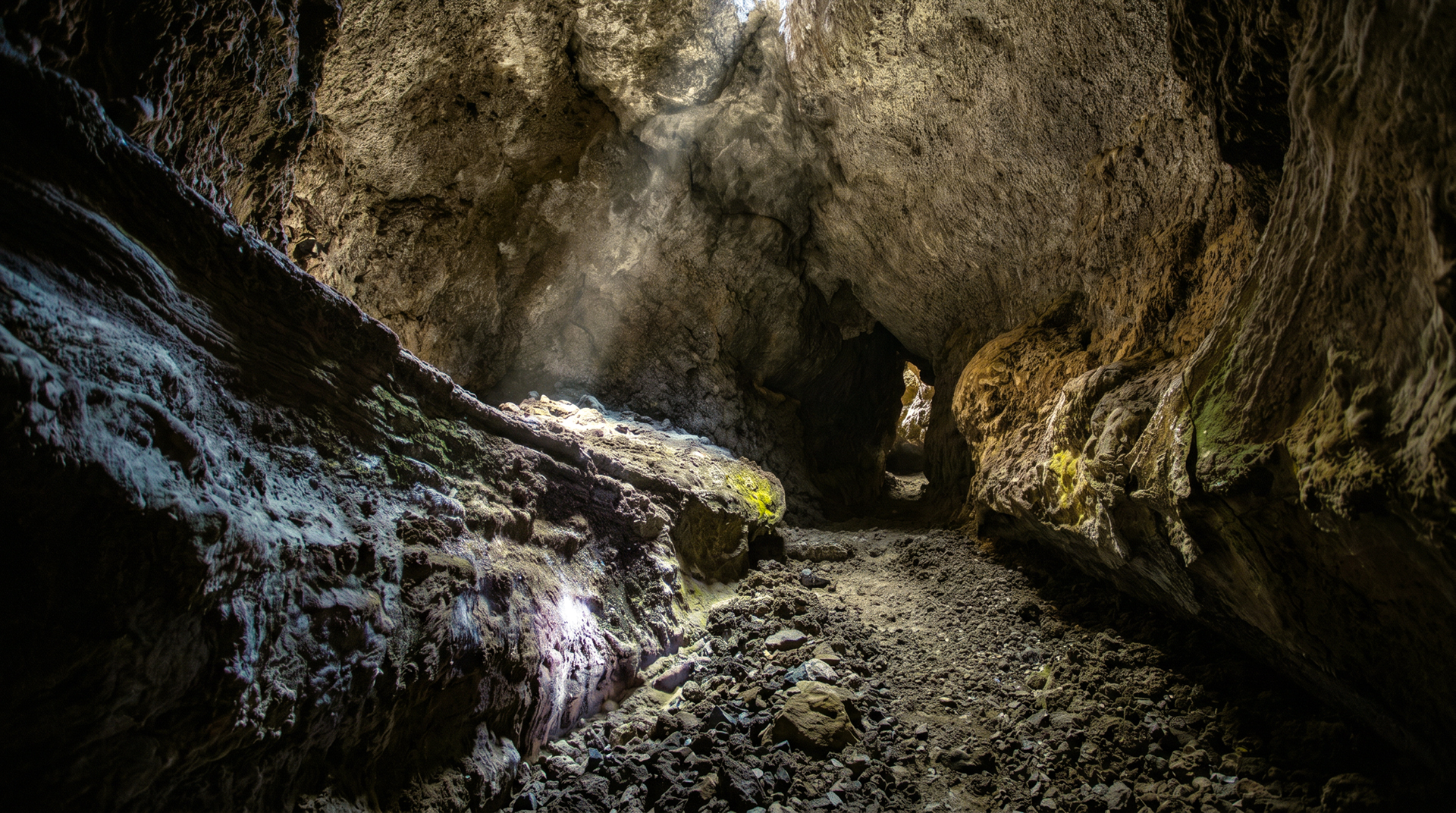
La Palma has some of the most impressive accessible lava tubes in the Canary Islands. The best known is the Cueva de las Palomas near Las Manchas – formed during the 1949 eruption of San Juan – but the tube system at the Caños de Fuego visitor centre also offers a remarkable window into the island’s geology.
Cueva de las Palomas
The Cueva de las Palomas is La Palma’s best-known and most accessible lava tube. The tunnel runs for about 500 metres, reaches up to 3 metres in height, and its walls show fascinating geological formations: lava stalactites (formed as lava cooled and dripped from the ceiling), colourful mineral deposits in black, red and ochre, and the smooth, ribbed texture left by the solidified flow.
The cave can only be visited with a certified guide, and each group is limited to a maximum of 14 people. Equipment (helmet, headlamp) is provided, and the cost is around €20–25 per person. Book directly with the operators or through GetYourGuide.
Caños de Fuego – Visitor Centre
The Centro de Interpretación Caños de Fuego in Las Manchas offers a different way to experience the caves: raised glass walkways above the lava tubes let you look down into the tunnels without having to climb inside. This makes access much easier, and suitable for all ages.
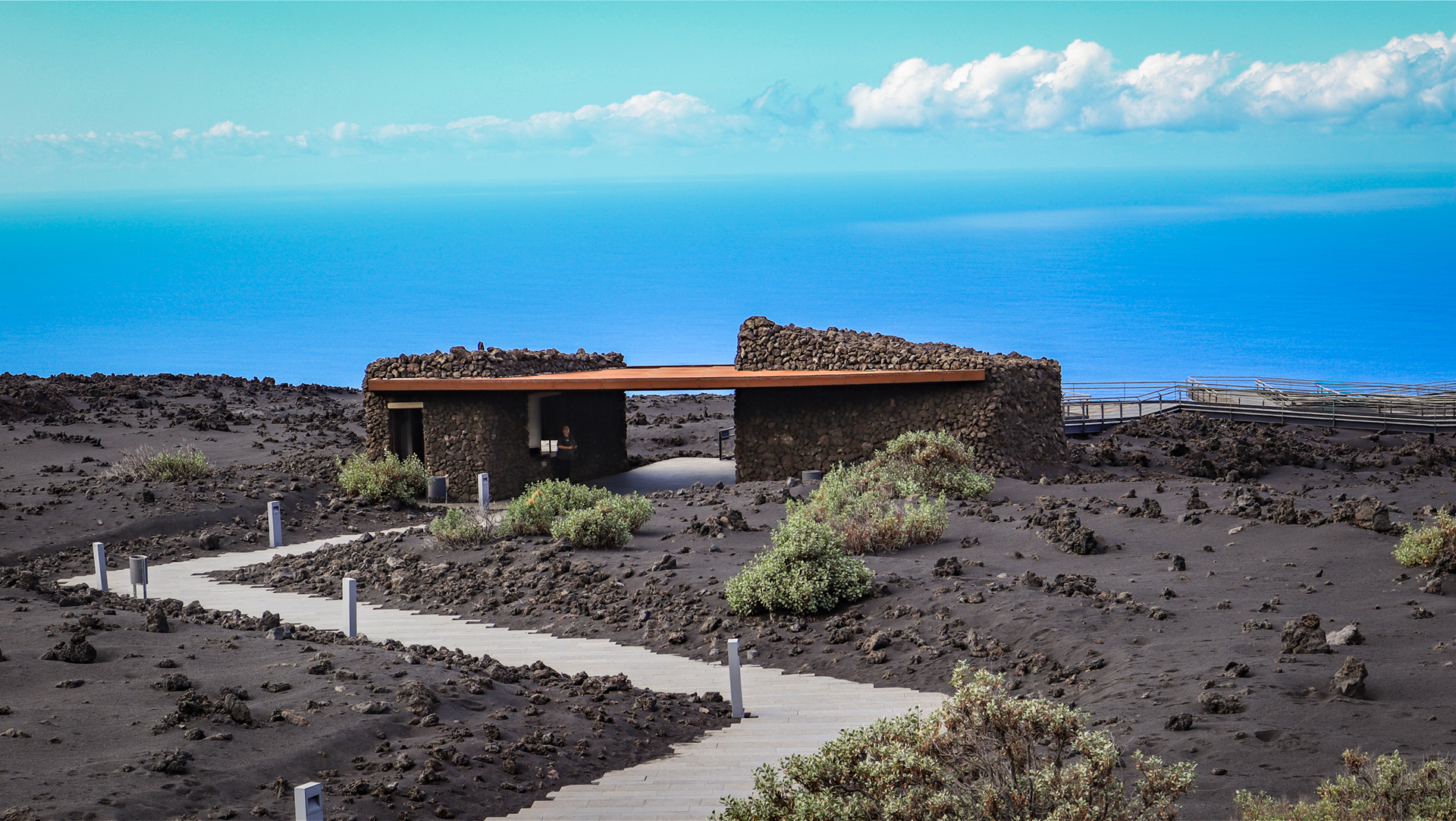
The visitor centre has exhibitions on the island’s geology and the 1949 eruption. The Cueva del Vidrio – part of the same tube system – can be visited in groups. Admission costs around €8 (including the walkways), with a guided tour of the Cueva de las Palomas bookable as an add-on.
Other Caves on La Palma
La Palma has several other interesting caves, though not all of them are open to the public. Of particular archaeological interest is the Cueva de Belmaco in Mazo – a dwelling cave once used by the Benahoaritas, with petroglyphs carved into its walls (Ecomuseo Belmaco, around €3). The Cueva Bonita, on the Tijarafe coast, is a sea cave reachable only by boat. Many of the island’s wild lava tubes are closed off for conservation reasons and because of the risk of collapse – stick to marked paths and official tours.
Practical Information for Your Cave Tour
Book tours in advance
Guided tours of the Tubo Volcánico de Las Palomas have limited participant numbers. These visitor limits are in place to protect the fragile lava tube and the unique wildlife living inside it, so it’s worth booking well ahead, especially during peak season.
The Right Clothing
The lava tubes have a cool, often damp microclimate all year round. Wear sturdy, non-slip footwear and clothing you don’t mind getting dirty, and bring a light jacket too. Helmets and headlamps are usually provided by the operator on guided tours.
Cave Tour Operators
| Operator | Contact | Specialisation |
|---|---|---|
| Graja Tours | +34 686 443 832 | Official certified tours of Cueva de las Palomas |
| EKALIS | +34 651 822 510 | Cave exploration & geology-focused hikes |
| La Palma Outdoor | +34 617 704 019 | Lava tube tours for all age groups |
| Canary Live Experience | +34 622 118 811 | Specialized caving tours (by appointment) |
| Cueva de las Palomas | Guided visits only (max. 14 people); approx. €20–25 |
|---|---|
| Provided Gear | Safety helmet & headlamp included |
| Caños de Fuego Centre | Open daily; approx. €8 (walkways), €20+ (guided tours) |
| Cave Temperature | Approx. 14–16°C year-round (jacket recommended) |
| Location / Access | Road LP-211, Las Manchas (west of Los Llanos) |
Practical Information for Your Visit
Cueva de las Palomas: guided visits only (max. 14 people); approx. €20–25
Equipment: helmet & headlamp provided
Caños de Fuego: open daily; approx. €8 (walkways), approx. €20 (guided tour)
Cave temperature: approx. 14–16°C – bring a jacket
Booking: directly with operators or via GetYourGuide
Getting there: LP-211, Las Manchas, west of Los Llanos
Frequently Asked Questions (FAQ)
Are cave tours on La Palma suitable for children?
How does a lava tube differ from a standard cave?
Can I explore La Palma’s lava tubes independently?
Why are visitor numbers strictly limited?
What footwear and gear should I bring?
How Lava Tubes Form on La Palma
La Palma is one of the most volcanically active islands in the archipelago – the 2021 Tajogaite eruption made that abundantly clear. With every eruption, lava flows down the slopes. The surface cools first and hardens into a crust, while the liquid magma beneath keeps flowing until it reaches the sea and drains away. What’s left behind is the hollow space: a lava tube that can be metres high and hundreds of metres long.
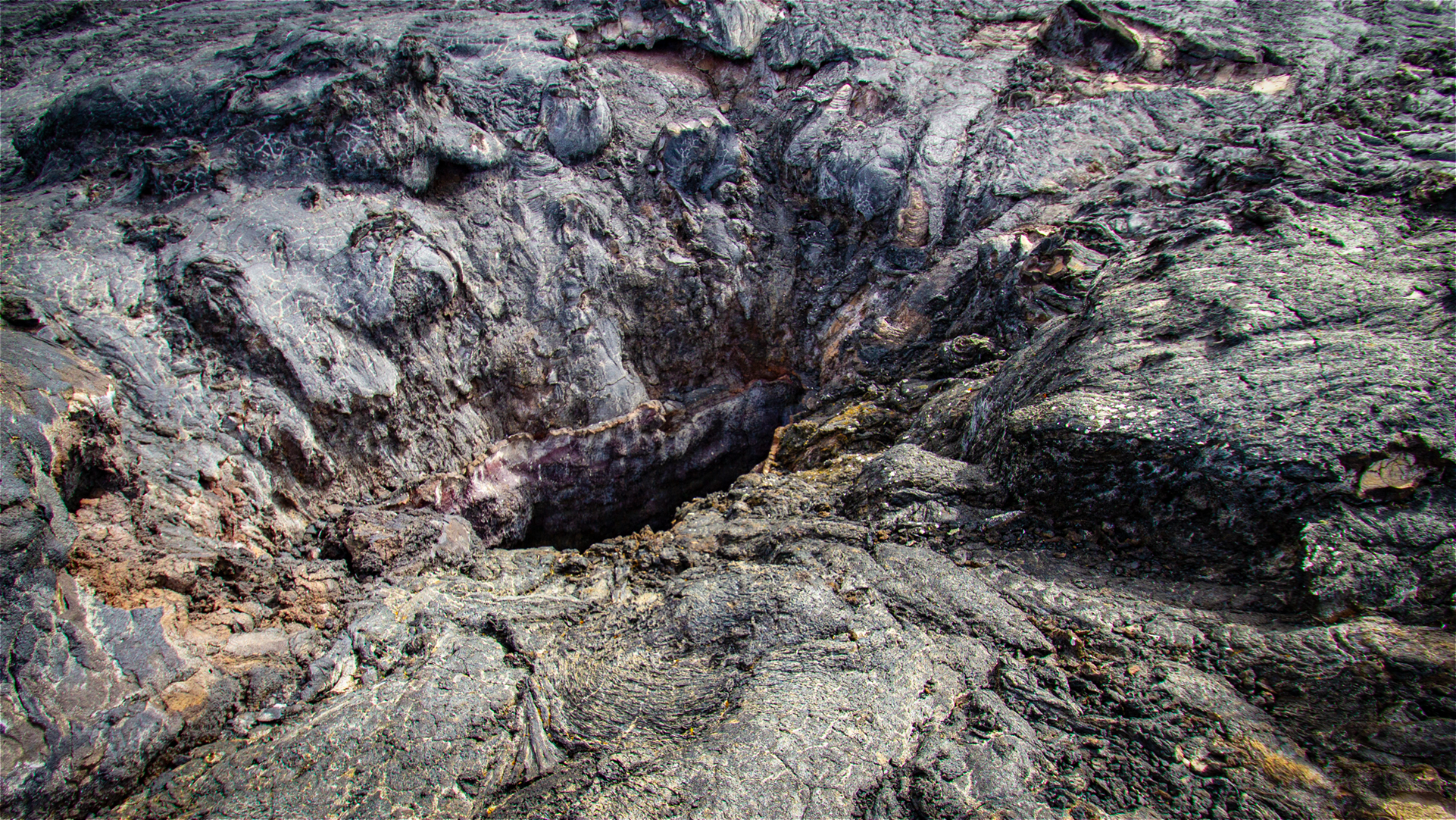
Along the west coast, where historic eruptions have left behind especially many lava flows, you’ll find the densest concentration of these tubes. The tube system at Las Manchas (Caños de Fuego / Cueva de las Palomas) formed during the 1949 eruption of San Juan. Other systems are considerably older – some of La Palma’s lava tubes are thousands of years old.
This article is based on the on-the-ground knowledge of the Gequo editorial team – publishers of the Reisezeit hiking guides and operators of Sunhikes.com. Last updated: May 2026