El Paso – Silk, Crafts and the Gateway to the Caldera
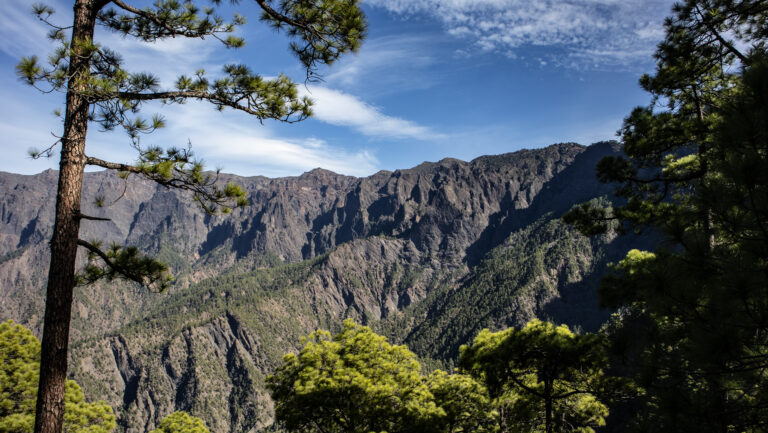
El Paso is located exactly where the coastal plain meets the mountains – a town between two worlds. On one side the lush Aridane Valley, on the other the steep slopes rising toward the Caldera de Taburiente.
El Paso was the centre of silk production on La Palma in the 16th and 17th centuries. Mulberry trees were cultivated here to feed the silkworms, and the fine fabrics were exported across the Atlantic.
Insider Tip: Don’t just look—watch the craft in action. The value of El Paso silk only becomes apparent when you see how much patience and skill goes into every single piece. A short visit during working hours is therefore often more impressive than simply looking at the finished products in the shop.
The Old Town and the Balconies
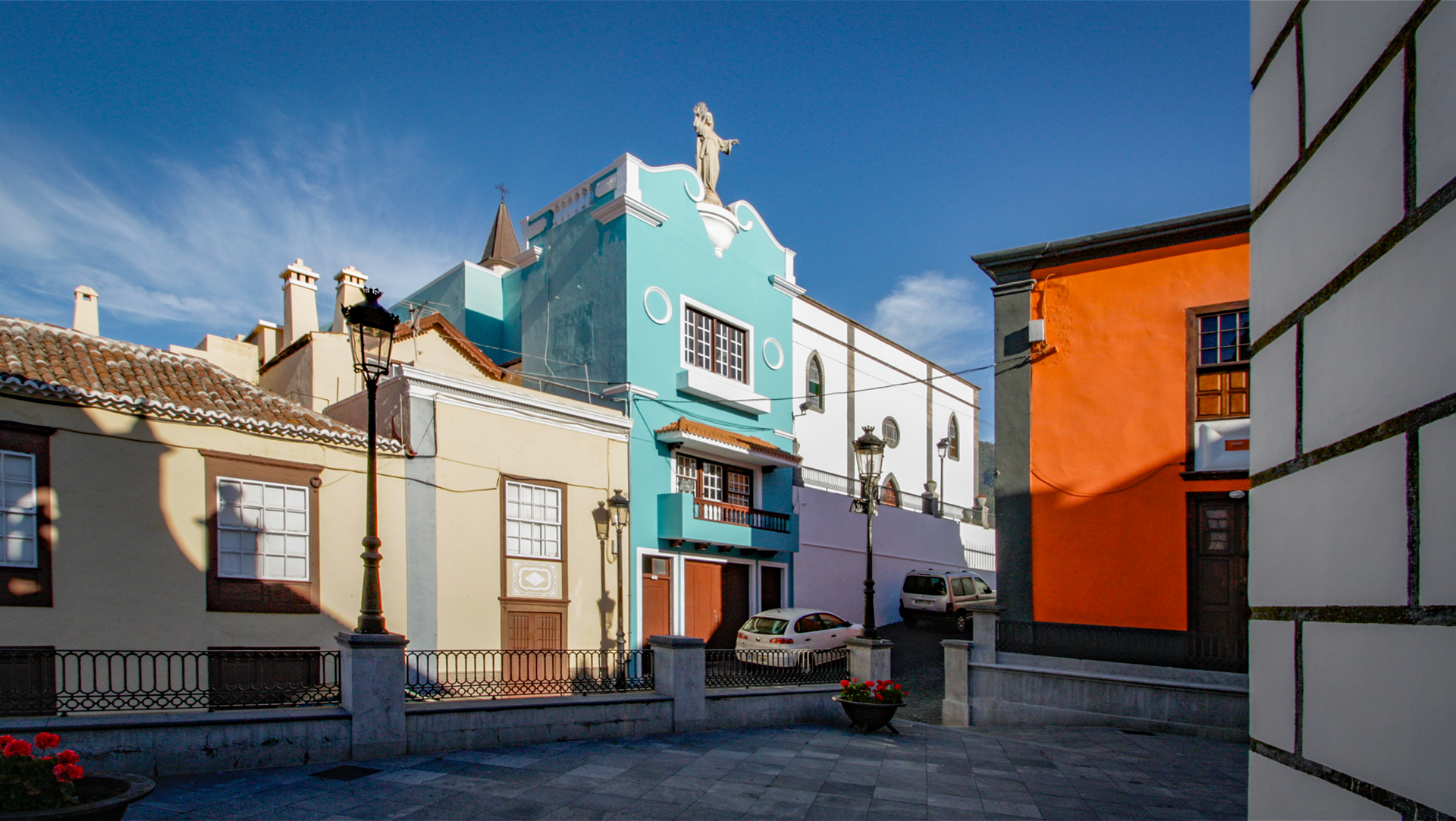
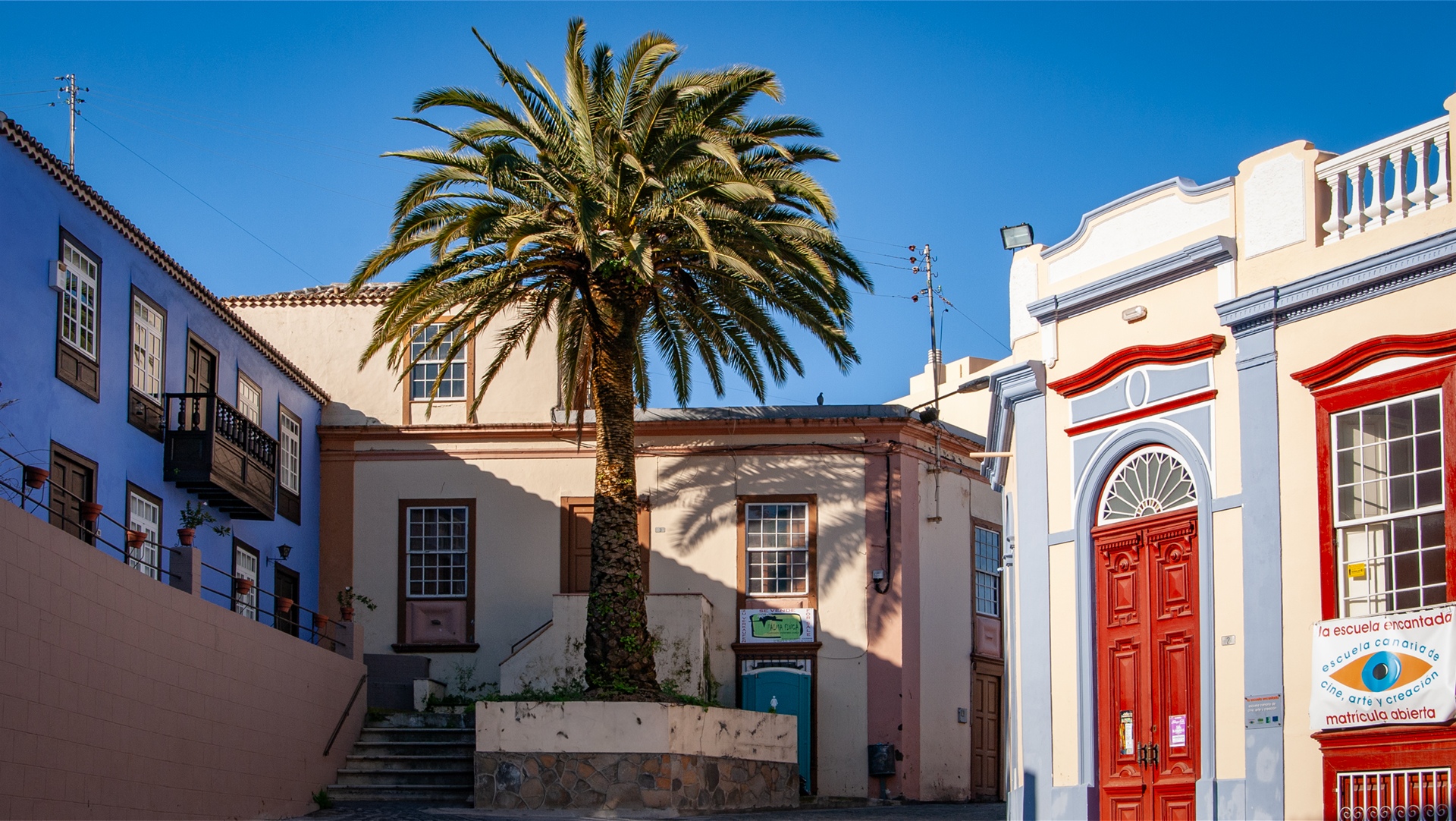
The old town of El Paso is modest but charming: narrow lanes, Canarian wooden balconies, small squares. It is not as well-known as Santa Cruz, but that is precisely its appeal.
The Museo de la Seda
The Museo de la Seda on Calle Belmaco is El Paso’s most important cultural heritage site. The museum documents the history of silk production and houses an active weaving workshop.
In the adjoining shop, locally produced silk fabrics can still be purchased today – a genuine souvenir from La Palma.
El Paso as a Base for the Caldera
El Paso is only 20–30 minutes from the most important access points to the Caldera de Taburiente: La Cumbrecita, El Zumacal and the visitor centre.
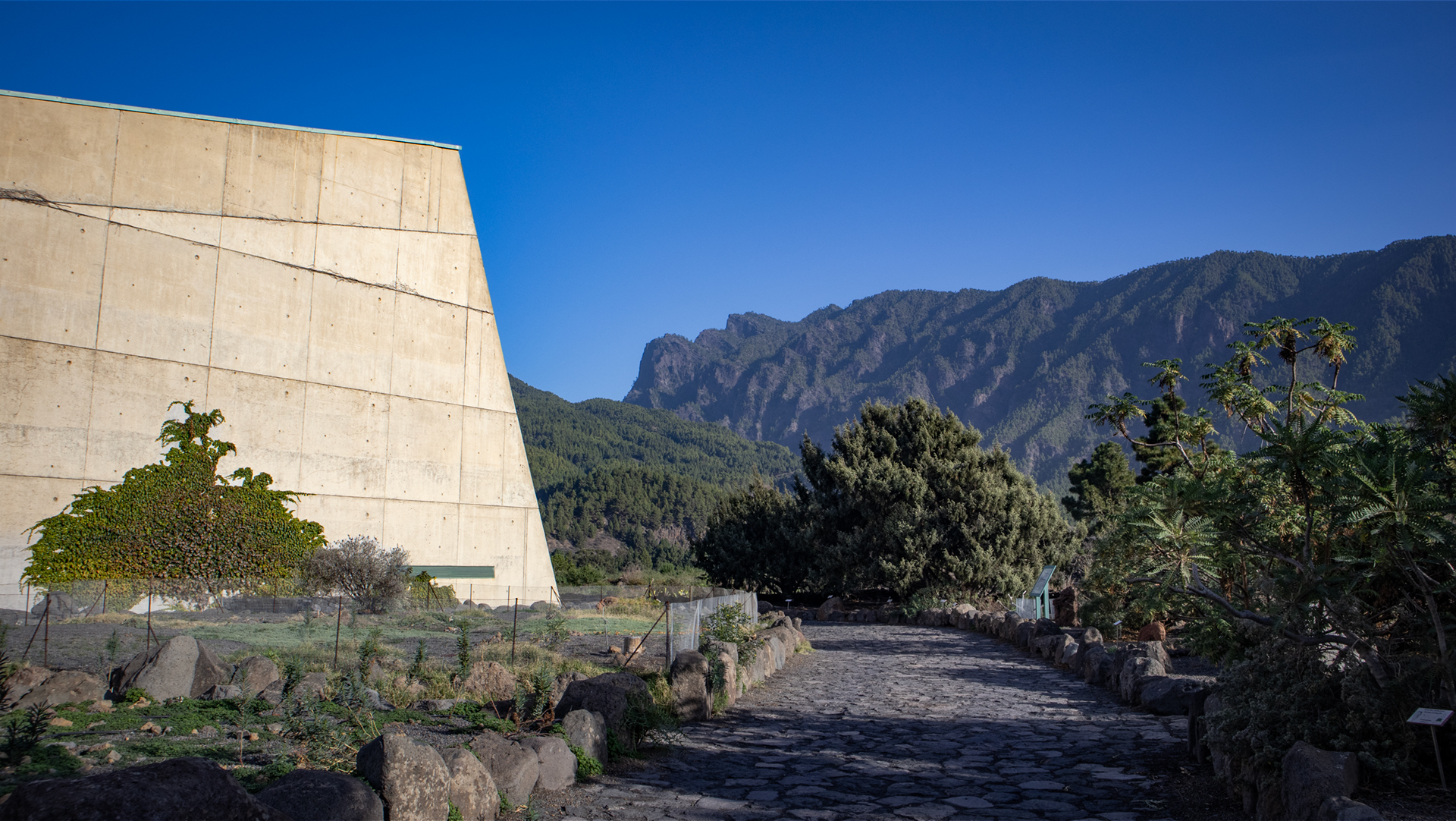
The national park visitor centre is also located in El Paso. It offers an excellent introduction to the geology, flora and fauna of the caldera – and is a good starting point for planning your hike.
| Location | Heart of La Palma |
|---|---|
| Museo de la Seda | Calle Belmaco, El Paso – Mon–Fri 10:00–14:00 & 16:00–18:00 |
| National Park Visitor Centre | Ctra. General Padrón 47 – daily 09:00–14:00 & 15:00–18:00 |
| Getting there | LP-3 from Los Llanos (~10 min) / LP-1/LP-2 from Santa Cruz (~30 min) |
| Accommodation | Clariso: 11 Holiday Homes in El Paso |
Accommodation in El Paso
El Paso features 11 verified Clariso holiday homes – ideal for anyone wanting to explore the Caldera intensively. Early departures to La Cumbrecita or Los Brecitos from El Paso are possible without losing time: Holiday Homes in El Paso on Clariso
Practical Tips for Your Visit
Check Opening Hours in Advance
The silk workshop in El Paso is an active craft business with limited opening hours. It is worth checking the current times before your visit to avoid disappointment.
A Special Souvenir from La Palma
Handmade silk from El Paso is no ordinary souvenir. Each piece is produced on traditional looms and represents centuries of craft tradition.
Discover Arts and Crafts in El Paso
A visit to the silk workshop combines beautifully with other cultural experiences – a stroll through the old town, a coffee on the plaza, and perhaps a look into the small local market.
Frequently Asked Questions (FAQ)
What is the history of silk production in El Paso?
Can you see silk production live?
Is silk still produced in El Paso today?
What makes El Paso silk so special?
Is a visit worth it even if you don't buy a souvenir?
What else is there to do in El Paso?
The Mulberry Trees of El Paso
In and around El Paso, mulberry trees can still be found today that are tended – some for the silk tradition, others as part of old gardens and agricultural terraces.
Most of the mulberry trees are found in old gardens or at the edges of the terraced fields – a living reminder of the silk era.
El Paso Through the Year
El Paso experiences genuine seasons – as mild as La Palma’s climate remains overall. Summer brings warm, sunny days; winter can bring fog and occasional rain at altitude.
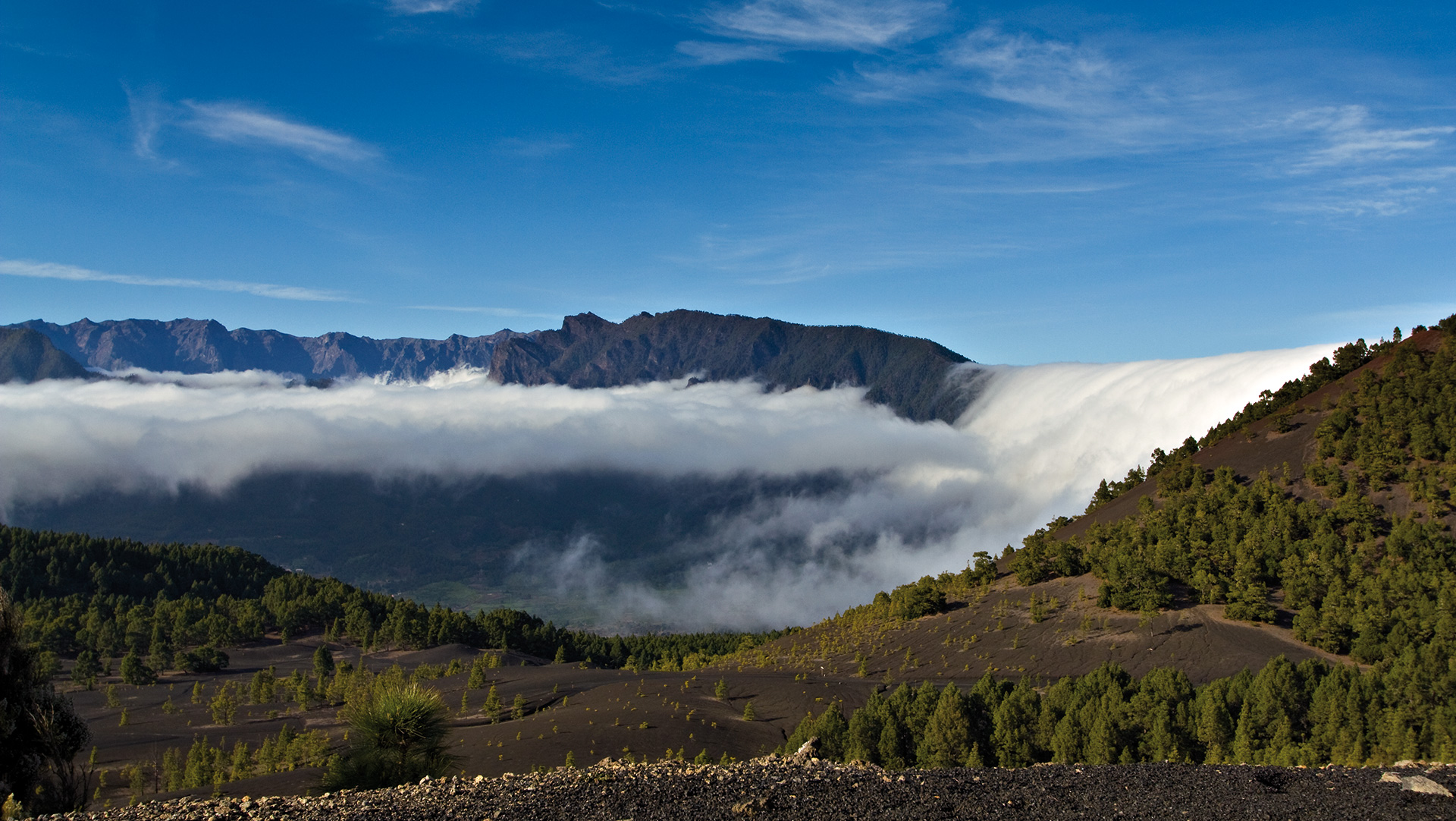
The Cumbre Nueva offers a truly unique natural spectacle: the Cascada de las Nubes – the cloud waterfall. When trade wind clouds build up and spill over the ridge, it looks as if the sky itself is flowing downhill.
This article is based on the on-site knowledge of the Gequo editorial team – publishers of the Reisezeit Hiking Guides and operators of Sunhikes.com. As of: May 2026