Las Nieves: Laurel Forests and the Island’s Sanctuary
The name Las Nieves (“the snow”) greets visitors to La Palma in two very different contexts: on the one hand it refers to the island’s most important sanctuary above Santa Cruz de La Palma, and on the other to the expansive Parque Natural de Las Nieves in the lush northeast of the island. Both bear the name of La Palma’s patron saint — the Virgen de las Nieves.
The Santuario de las Nieves
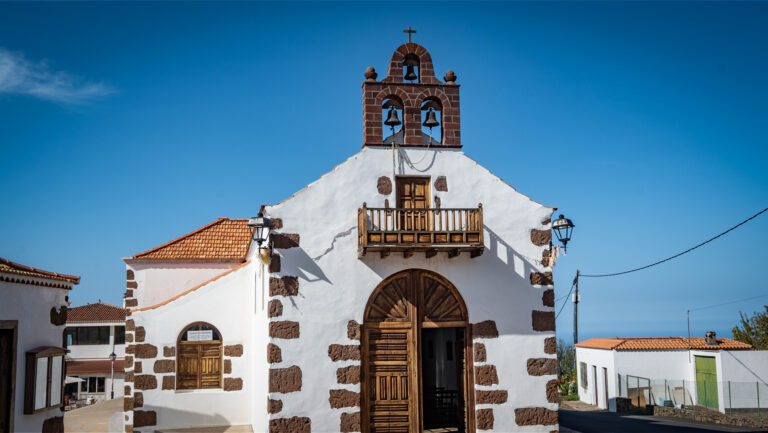
The Real Santuario de la Virgen de las Nieves is located just a few minutes’ drive above Santa Cruz de La Palma and is the island’s most important pilgrimage site. The church’s origins date back to the 15th century. Over the centuries it was expanded several times and today ranks among La Palma’s most significant religious buildings.
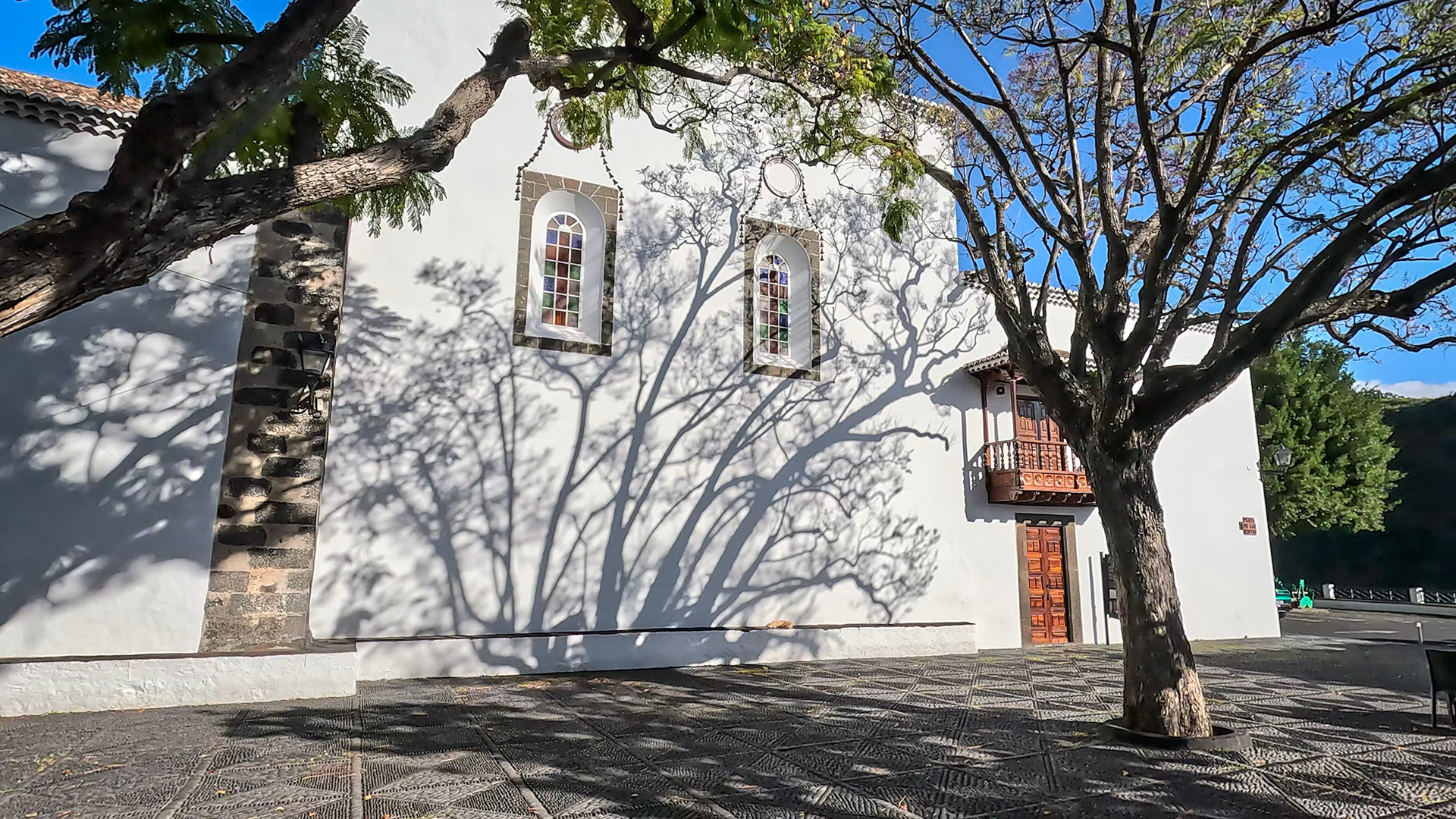
At the centre of veneration stands a small Flemish terracotta sculpture of the Madonna from the 14th century. It is considered the oldest Christian Marian image on the island and holds extraordinary religious significance for the Palmeros. Visitors are warmly welcome, but are asked to respect the quiet atmosphere of this active place of pilgrimage.
The Bajada de la Virgen: Every Five Years
Every five years, the patron saint leaves her sanctuary and is carried in a solemn procession to Santa Cruz de La Palma. The Bajada de la Virgen de las Nieves ranks among the most important religious and cultural festivals of the Canary Islands.
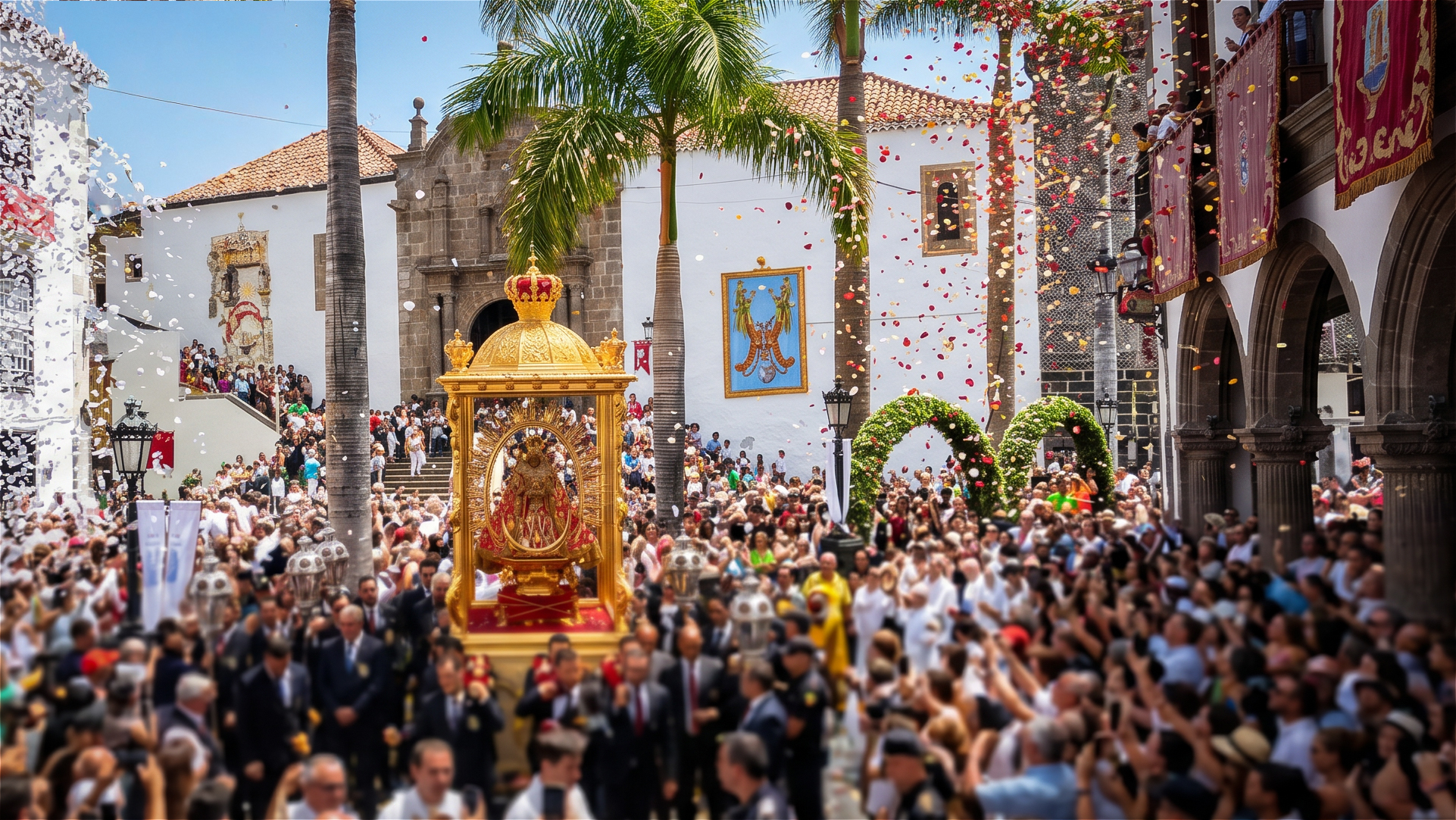
After the last Bajada in 2025, attention already turns to the next celebration in the summer of 2030. During the weeks-long festivities, tens of thousands of locals and visitors come to the island. Particularly well known is the traditional Danza de los Enanos, one of the highlights of the festival programme. Anyone wishing to experience the Bajada should book accommodation and flights well in advance.
The Las Nieves Nature Reserve
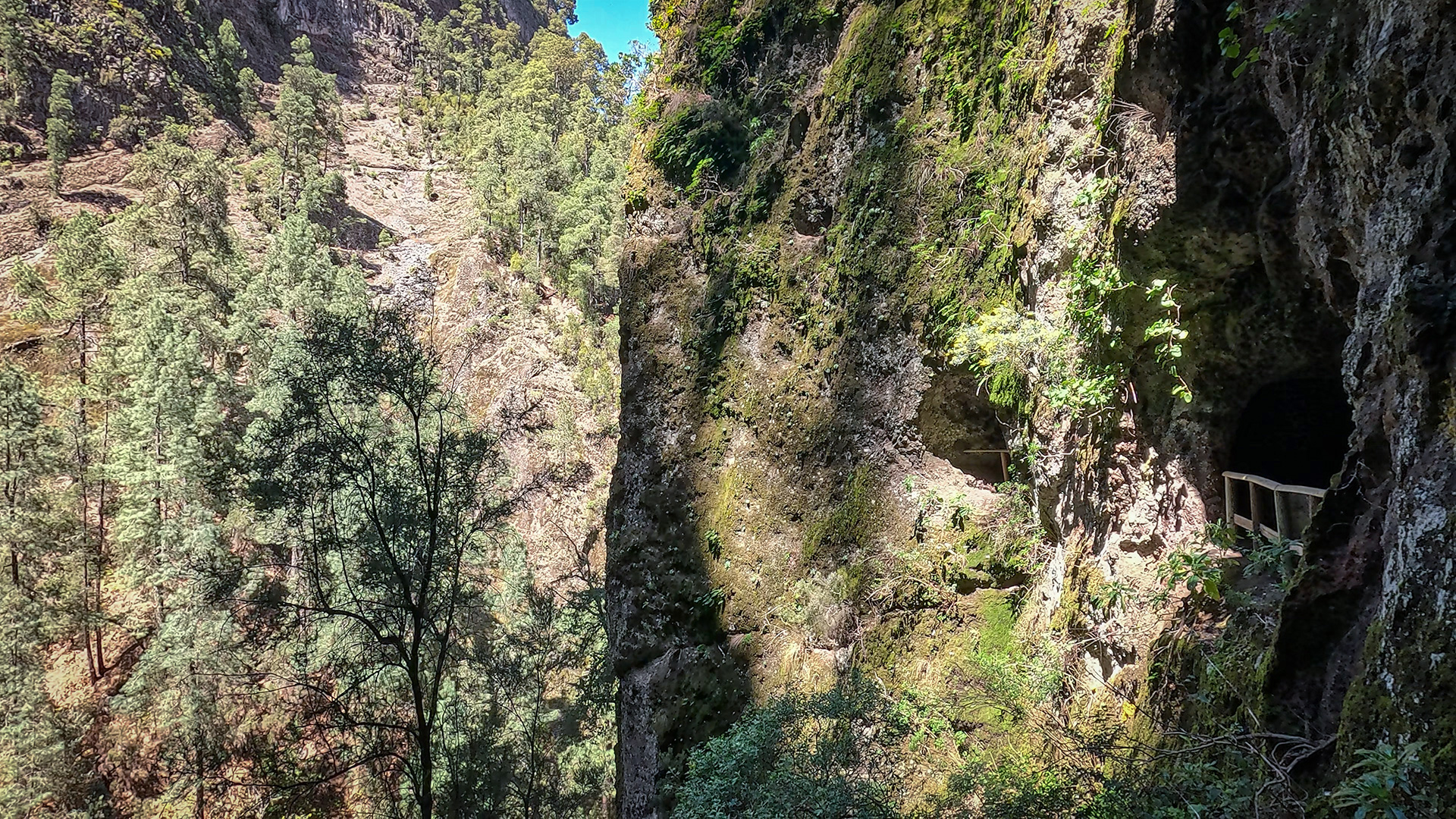
The Parque Natural de Las Nieves is not located directly next to the sanctuary, but extends far into the northeast of La Palma. It protects one of the island’s most valuable natural areas, with extensive laurel forests, deeply carved ravines, and vital water sources.
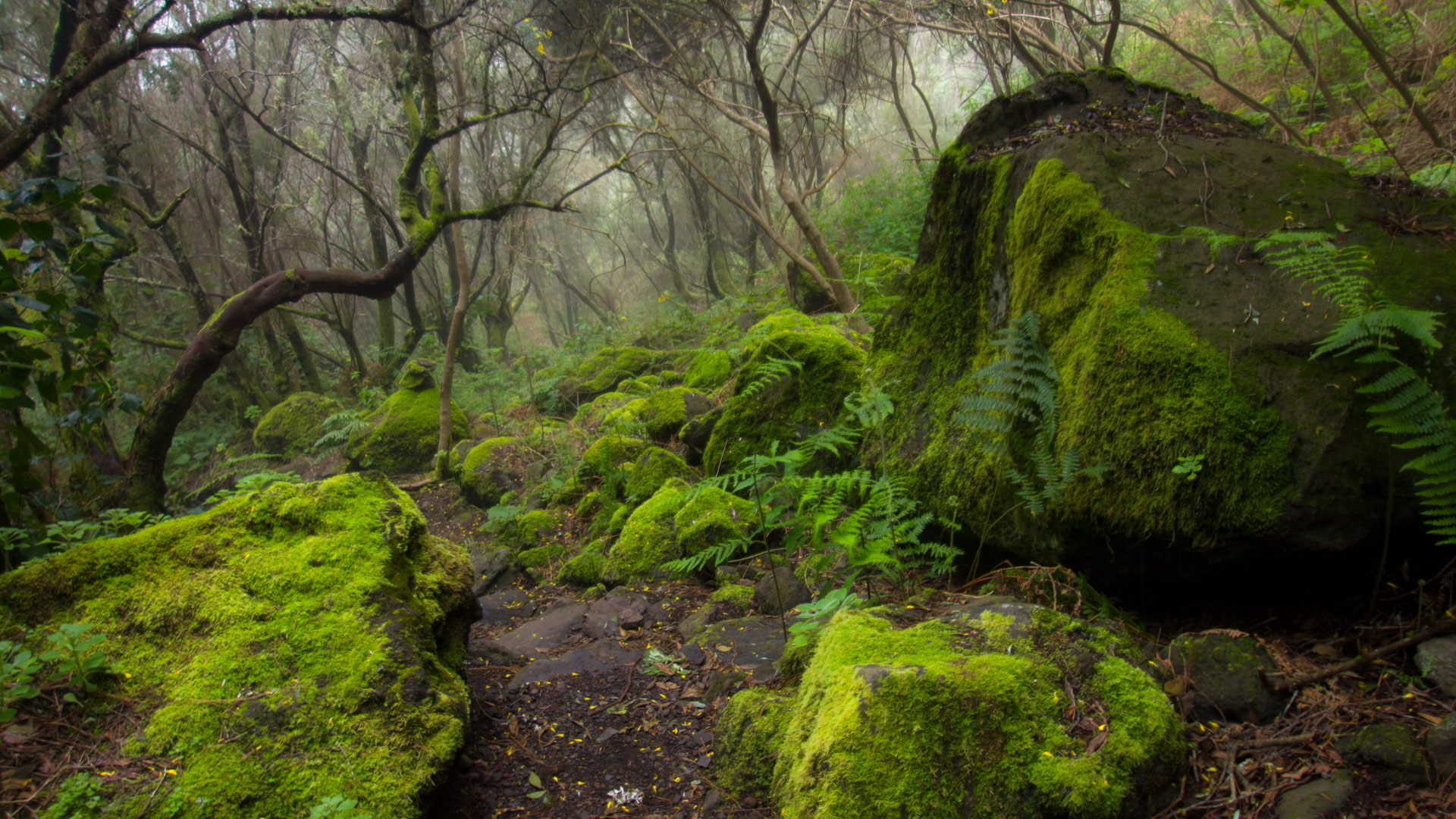
Among the best-known hiking areas are the Cubo de la Galga, the Marcos y Cordero springs and parts of the Los Tilos Biosphere Reserve. The dense laurel forests capture the moisture from the trade wind clouds and form the basis for numerous springs and streams that shape the most water-rich part of La Palma.
Two Places, One Name: Las Nieves Means More Than Just One Place
| Name | Meaning | Location / How to Get There |
| Santuario de Las Nieves | The island’s most important pilgrimage church, above Santa Cruz de La Palma. | On the outskirts of the capital; easily reached by car or bus (Line 11) in 10 minutes. |
| Parque Natural de Las Nieves | Vast protected nature reserve with ancient laurel forests. | In the northeast of the island; main access points via Puntallana (Cubo de la Galga) and San Andrés y Sauces (Los Tilos). |
Tip: Both places are worth visiting — but they are not located right next to each other.
Hiking in the Nature Reserve
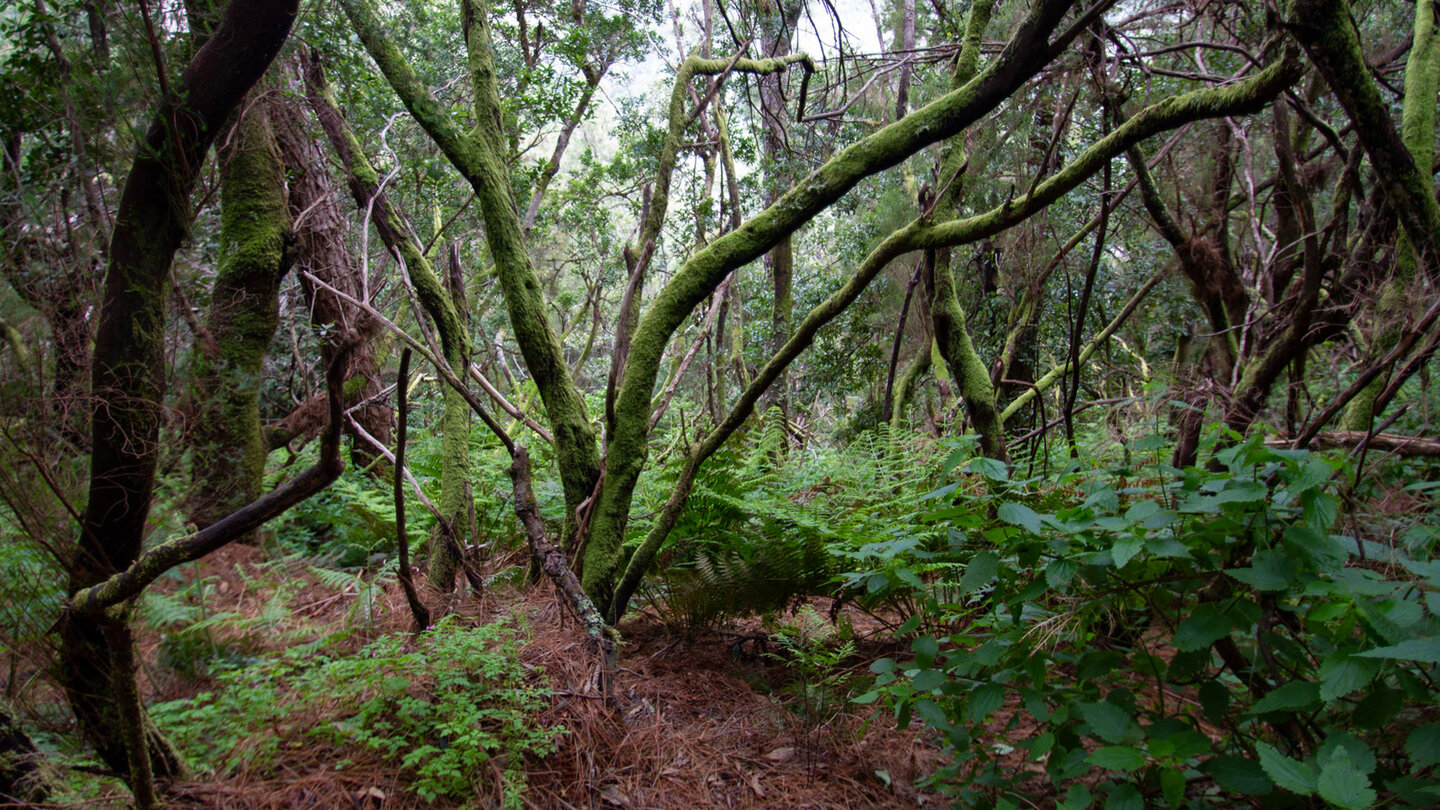
The nature reserve is crisscrossed by numerous hiking trails through pristine laurel forests and along spectacular ravines. Especially after rain, the paths can be wet and slippery, making sturdy footwear essential. The combination of dense vegetation, ferns, mosses, and ancient laurel trees makes this one of the most impressive nature experiences on the island.
Hiking Tip:
Cubo de la Galga — laurel forest straight out of a fairy tale
Difficulty: easy to moderate
Duration: approx. 2–4 hours (depending on route)
Best time: spring and autumn
Tip: Particularly impressive after rain, but paths can be slippery
An ideal introduction to the typical vegetation of the Las Nieves nature reserve.
Conclusion
Las Nieves connects two sides of La Palma in a unique way: the Santuario de la Virgen de las Nieves is the spiritual heart of the island, while the Las Nieves Nature Reserve ranks among the most species-rich and pristine landscapes in the Canary Islands. Together they stand for culture, history, and La Palma’s extraordinary nature.
Frequently Asked Questions
Is the Santuario de la Virgen de las Nieves located within the nature reserve?
When will the next Bajada de la Virgen take place?
Can you visit the Santuario?
Which hiking routes are part of the Las Nieves Nature Reserve?
Why is the nature reserve named 'Las Nieves'?
This article is based on the on-the-ground knowledge of the Gequo editorial team – publishers of the Reisezeit hiking guides and operators of Sunhikes.com. Last updated: May 2026