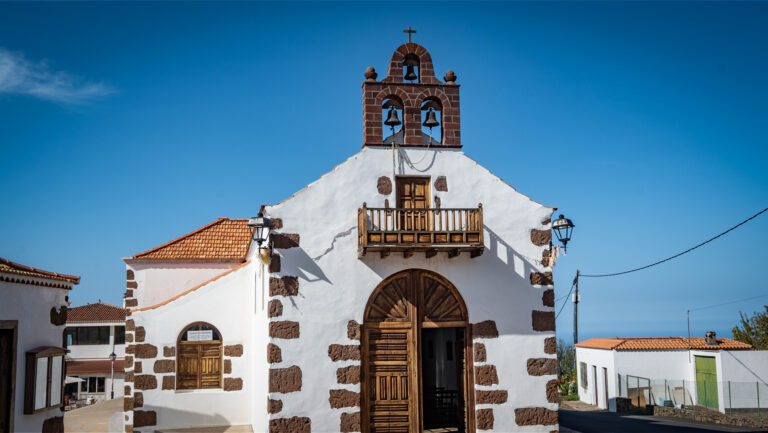
Puerto Naos: Where the Sun Lingers Longest on La Palma
There are places on La Palma you visit for their wild beauty — and then there is Puerto Naos, which perfectly embodies the relaxed beach life of the island. Black volcanic sand, over 300 sunny days a year, the deep-blue waters of the Atlantic, and a palm-lined promenade that invites you to linger: the west coast of La Palma between Tazacorte and Fuencaliente is considered the sunniest region on the island — and Puerto Naos is its most beloved beach resort.
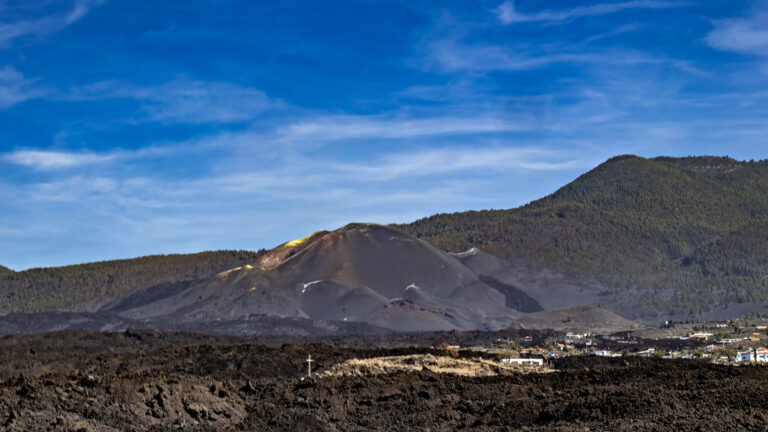
The Tajogaite volcanic eruption of autumn 2021 left a lasting mark on Puerto Naos. The lava flows did not reach the town itself, but volcanic gas emissions with elevated CO₂ levels led to a prolonged closure. Today, Puerto Naos is largely accessible again. A permanently installed CO₂ traffic-light system monitors air quality and indicates which areas can be safely entered.
The Beach: Black Volcanic Sand and West-Coast Sun
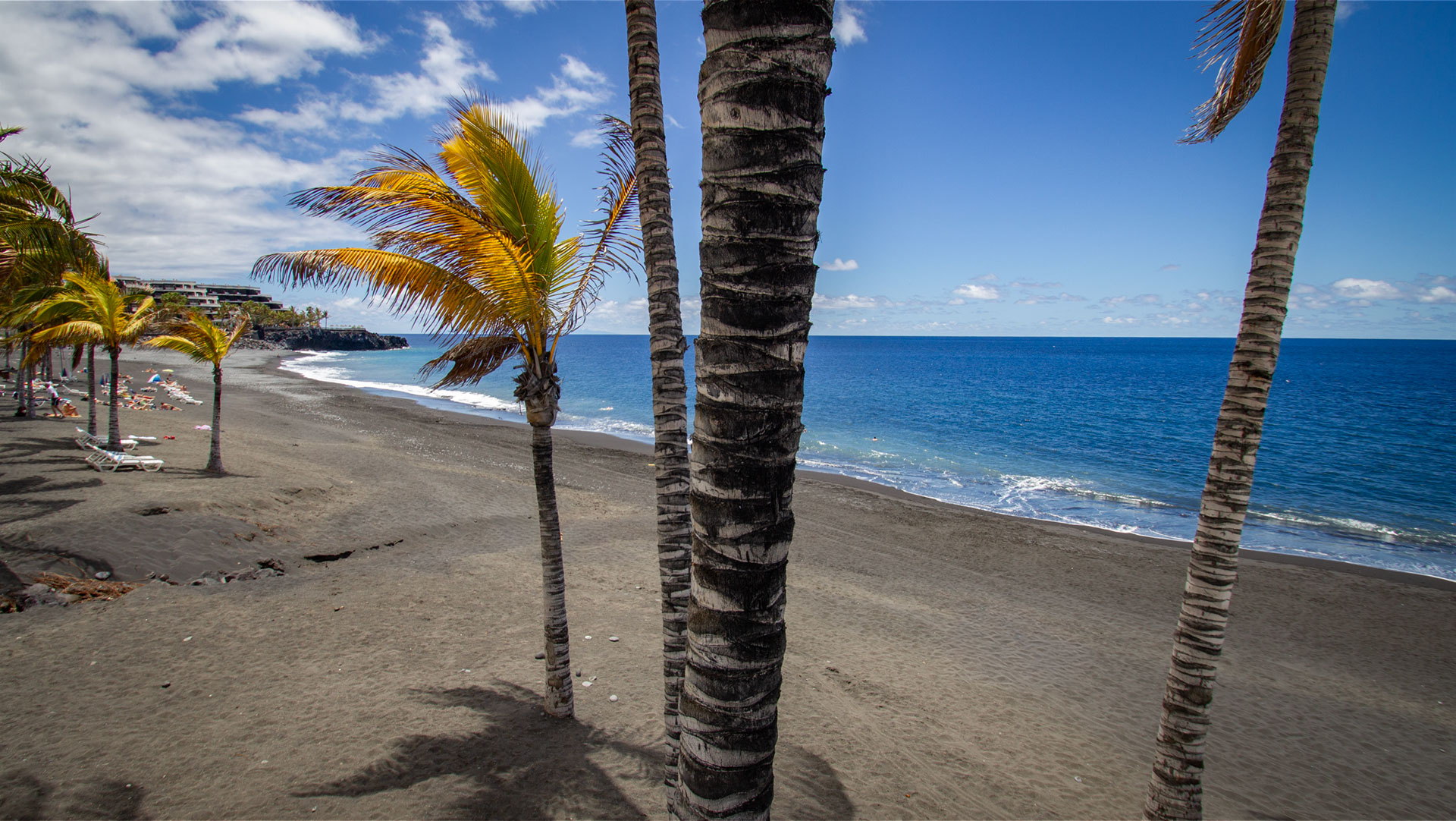
Playa de Puerto Naos is one of the longest and widest sandy beaches on La Palma. The dark volcanic sand, the tall palms lining the shore, and the clear Atlantic waters give the bay a special atmosphere. Anyone sitting here on a late afternoon, watching the sun sink behind the sea, quickly understands why Puerto Naos has been one of the island’s most popular beach destinations for decades. In winter, guests from Central Europe especially enjoy the pleasant west-coast sunshine, while in summer the resort also draws many Spanish families from the mainland.
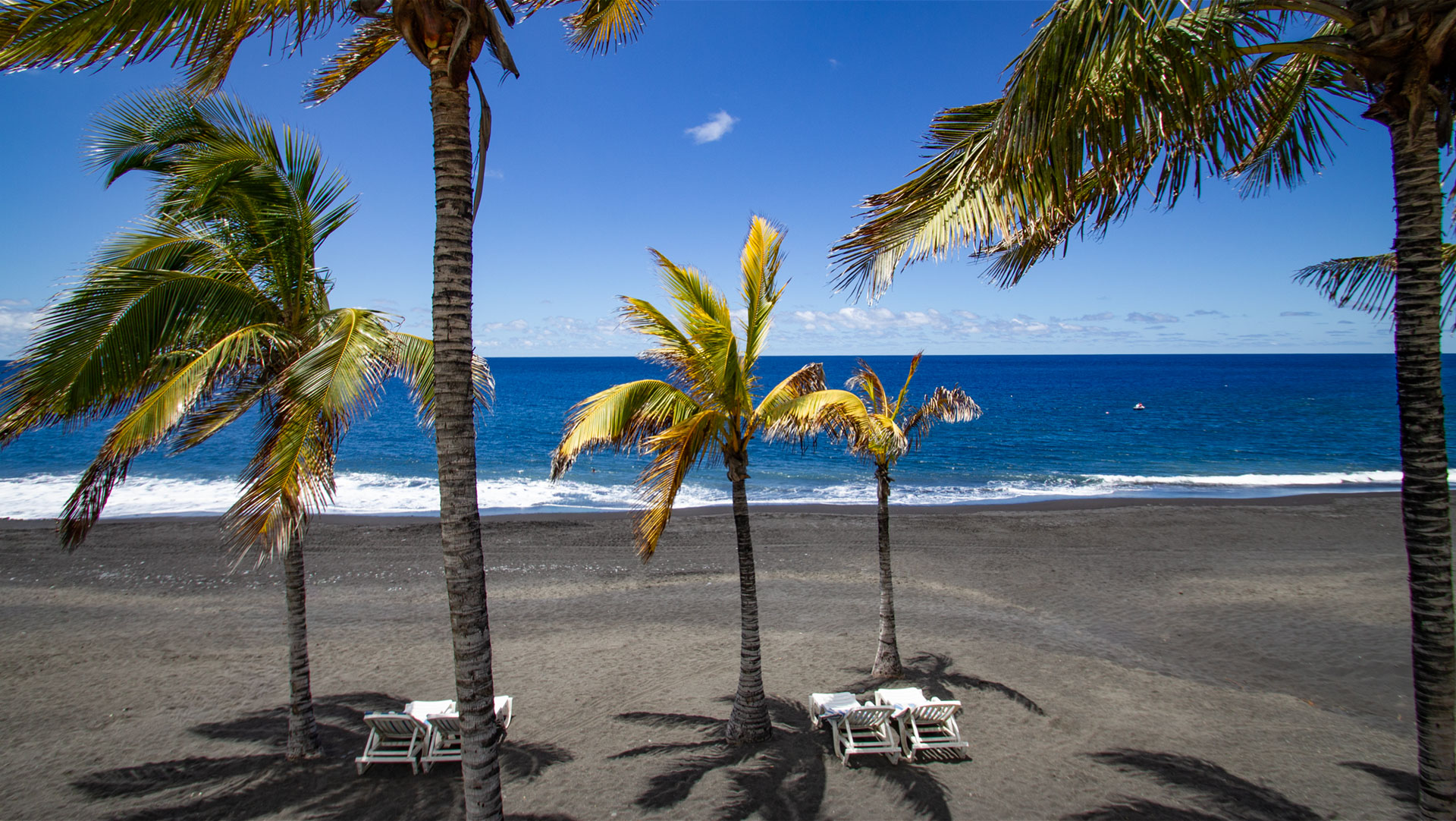
The Atlantic remains a natural body of water. Even when the surface looks calm, undertow currents can occur. A red flag therefore means a strict no-swimming rule. On calm days, however, the bay shows its finest side: the water is clear, refreshing, and ideal for swimming or snorkelling. Sun loungers and umbrellas can be rented on-site.
Note
As of May 2026, Puerto Naos is largely accessible. The CO₂ traffic-light system is permanently in operation: Green = free access · Yellow = increased caution · Red = closed. Always observe on-site signage. Status: May 2026 (subject to change).
The Tajogaite: A Landscape in Transition
The Tajogaite eruption began on 19 September 2021 and lasted 85 days. It was the longest eruption on La Palma since the volcanic event of 1949 and permanently altered the landscape in the south of the island. The lava flows originated in the municipality of El Paso, carved their way through the areas of Los Llanos de Aridane and Tazacorte, and ultimately reached the Atlantic north of Puerto Naos. There, the cooled rock formed two new land spurs — known as fajanas — adding roughly 50 hectares to La Palma.
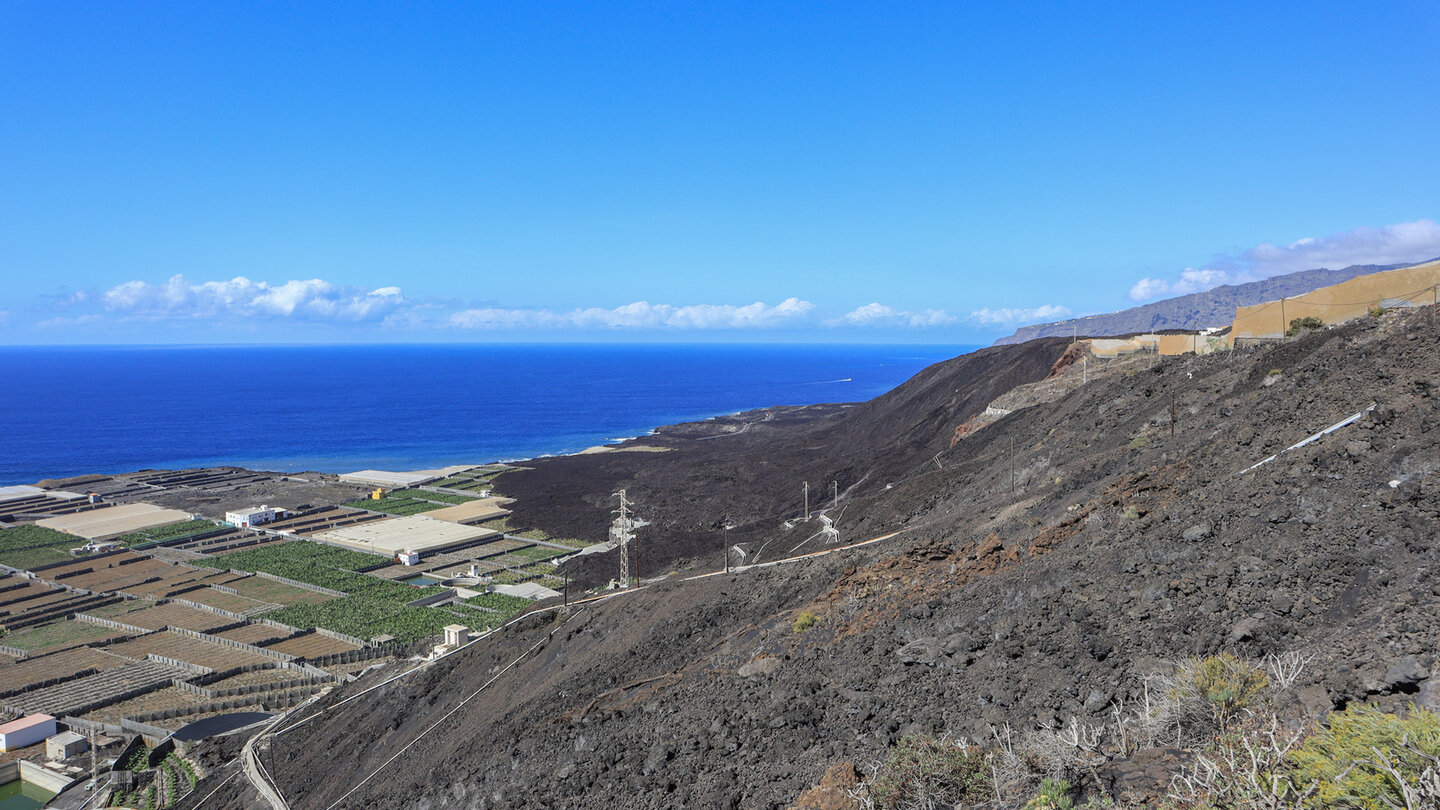
Puerto Naos itself was spared by the direct lava flows. The real challenge was the invisible aftermath of the volcano: escaping volcanic gases that restricted use of the town for an extended period. A modern CO₂ monitoring system now ensures safety. The display is easy to understand: green means free access, yellow means increased caution, and red means the area is closed. Visitors should always observe the on-site instructions.
Dining, Drinks, and Accommodation
Along the beach promenade, restaurants, cafés, and bars line up with a direct view of the Atlantic. Freshly caught fish such as the island-typical vieja (parrotfish), grilled lapas (limpets) with mojo sauce, or calamares are among the absolute west-coast classics here.
Those planning to stay longer will find a good range of accommodation in Puerto Naos — from comfortable apartments and holiday rentals to hotels. The compact town centre offers a solid base for daily needs, with a supermarket, smaller shops, and restaurants. For larger shopping trips or a more extensive stroll through town, the town centre of Los Llanos de Aridane is just about 15 minutes away via the coastal road.
Getting to Puerto Naos
From Los Llanos de Aridane, Puerto Naos is now reachable via the newly restored west-coast connecting roads in about 15 minutes. The traffic routing was adjusted several times after the volcanic eruption and is still partly evolving as infrastructure is being restored. Puerto Naos is also reachable by La Palma’s public bus network (TILP).
Puerto Naos at a Glance
| Category | Information |
|---|---|
| Location | Southern west coast of La Palma, approx. 15 min from Los Llanos |
| Beach | Approx. 600-metre black volcanic sand beach |
| Special Feature | One of the sunniest and mildest spots on the island |
| Safety | CO₂ monitoring system after the Tajogaite eruption |
| Activities | Swimming, snorkelling, diving, enjoying sunsets |
Conclusion
Puerto Naos is La Palma’s most important beach resort — a wide black-sand beach, west-coast sunshine, and a relaxed holiday atmosphere. The CO₂ traffic-light system following the Tajogaite eruption works reliably. Those who want sun, sand, and seafood are in exactly the right place.
Frequently Asked Questions
Is Puerto Naos open again after the volcanic eruption?
What is the water like in Puerto Naos?
Are there diving opportunities near Puerto Naos?
How do you get to Puerto Naos from Los Llanos?
This article is based on the on-the-ground knowledge of the Gequo editorial team – publishers of the Reisezeit hiking guides and operators of Sunhikes.com. Last updated: May 2026