Villa de Mazo – Pottery, Indigenous Heritage, and Flower Carpets
Villa de Mazo lies on the south-east coast of La Palma, between the capital Santa Cruz and the volcanic tip of Fuencaliente. The municipality is modest in size and unassuming, yet culturally one of the richest places on the island: here, one of the Canaries’ oldest pre-Spanish pottery traditions lives on, here you’ll find the oldest known petroglyphs in the Canary Islands, as well as La Palma’s most elaborate Corpus Christi festival.
Mazo is not a place for rushing. The sights lie close together, but experiencing them takes time: the potters show their work only by appointment, the Ecomuseo Belmaco lies a little outside the centre, and the Saturday market deserves an hour of its own. A day trip to Mazo is time well invested.
Pottery Without a Wheel
Mazo is one of the few regions in the Canaries where pottery is still made using pre-Spanish technique: without a potter’s wheel, by coil-building – coils of clay stacked by hand and smoothed, exactly as the Benahoaritas did. This technique has almost died out in Europe. In Mazo there are still a few pottery workshops where you can watch it done directly.
The vessels from Mazo have a characteristic shape: simple, organic, in colours determined by the region’s red and black clay. They are smoothed with plant saps or resins, not industrial glazes. The result is ceramics that look thousands of years old – because they’re made using a technique thousands of years old.
Ecomuseo Belmaco – the Petroglyphs
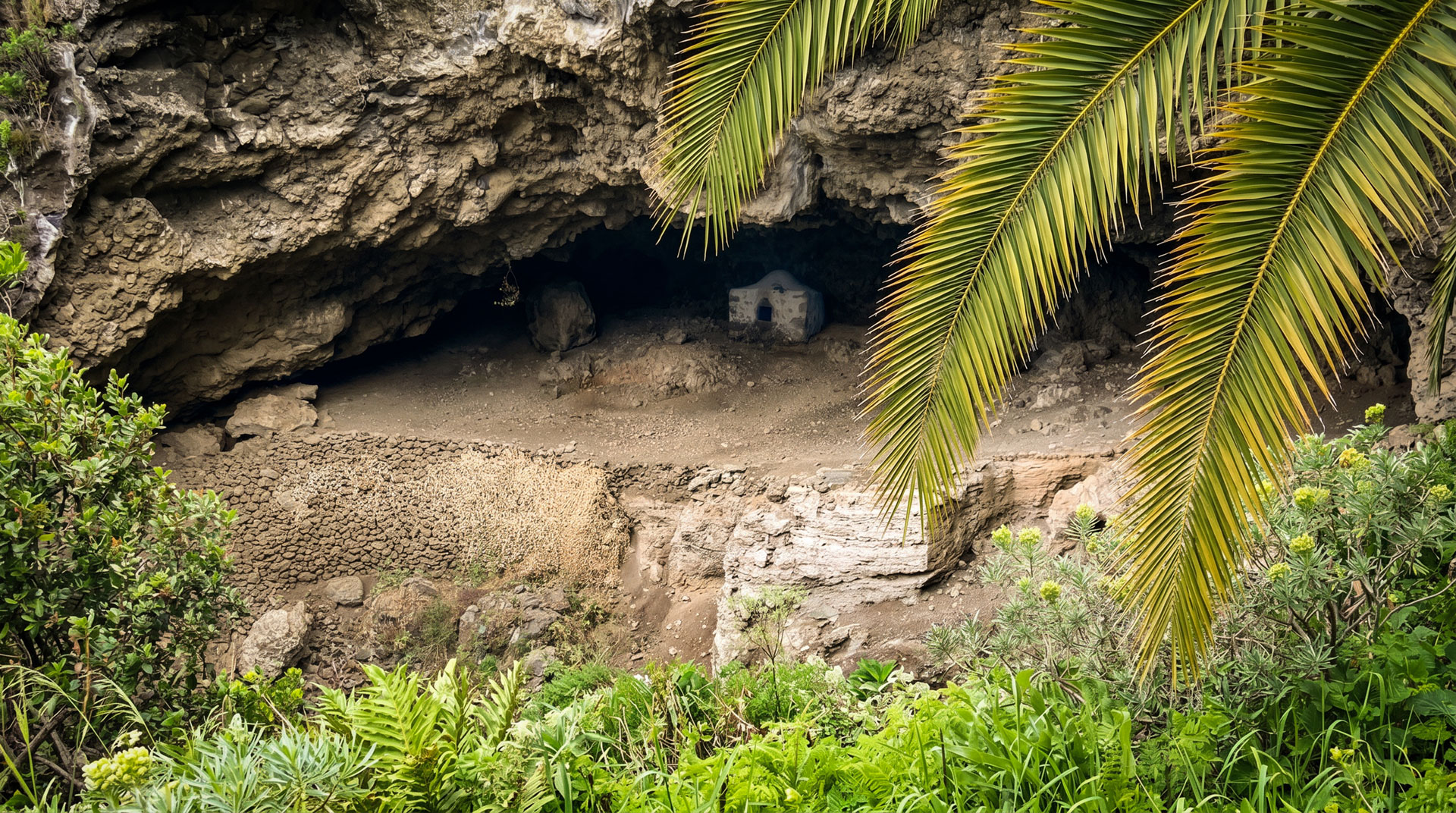
The Ecomuseo Belmaco lies a few kilometres from the village centre and shows the oldest known petroglyphs in the Canary Islands: spirals, circles and meanders carved into the rock by the Benahoaritas. The Belmaco cave has been known since the 18th century and belongs to the core archaeological heritage of the Canaries. The exhibition explains the life of the indigenous people – diet, tools, social structure, religion.
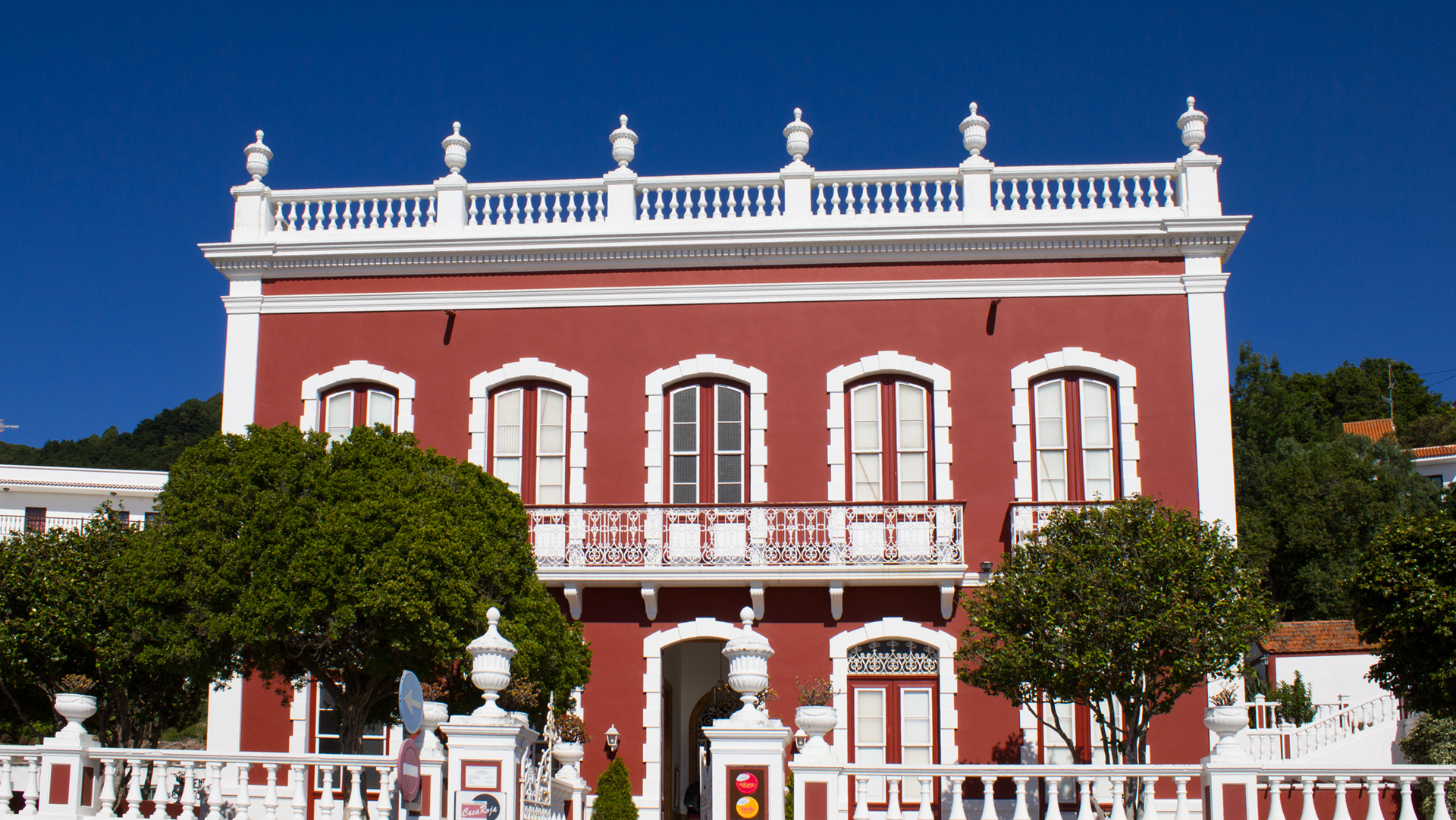
Admission approx. €3. Opening hours: Open Tue–Sat 10:00–18:00, Sun 10:00–14:00. Combining a visit here with the Casa Roja (embroidery and Corpus Christi) in the village centre is worthwhile – both lie close together.
The Weekend Market in Mazo (Mercadillo)
The Mercadillo de Mazo on Saturday mornings is one of the most popular and authentic weekly markets on La Palma. Local farmers sell vegetables, fruit, cheese, honey and wine – and right beside them stand craftswomen with their embroidery, pottery and basketwork. The market takes place directly below the Museo Casa Roja: half an hour at the museum, then an hour at the market, then coffee on the church square.
Visitor Information
Villa de Mazo: south-east coast of La Palma
Ecomuseo Belmaco: Camino de Belmaco – Tue–Sat 10–18, Sun 10–14; ca. 3 €
Museo Casa Roja: Calle Maximiliano Pérez Díaz – Mon–Fri 10–14, Sat 10–13
Mercadillo: Saturdays & Sundays next to Casa Roja
Getting there from Santa Cruz: LP-2 towards Mazo – approx. 15 min.
Accommodation: Clariso: 2 holiday homes available in Villa de Mazo via Clariso
Accommodation in Mazo
Mazo is one of the Clariso-eligible municipalities – a small selection of 2 houses, but a good location between the capital and the volcanic landscape: Explore holiday homes in Villa de Mazo on Clariso.
Frequently Asked Questions (FAQ)
Where can you visit the potters in Mazo?
What makes the pottery technique in Mazo special?
Does the weekly market only take place on Saturdays?
How much time should I allow for the Ecomuseo Belmaco?
Can Mazo be combined with Fuencaliente?
When exactly is Corpus Christi in Mazo?
Villa de Mazo and the Southern Route
Mazo lies on La Palma’s southern route – the LP-2, which runs from Santa Cruz to Fuencaliente. Anyone driving this route passes through Mazo on the way to the lighthouses, the salt flats and the volcanoes of the south. A stop in Mazo – even just 45 minutes for the market or the Museo Casa Roja – is always worthwhile.
The southern route of La Palma is one of the island’s most varied drives: from the historic capital, through the pottery villages, into the wine-growing region and on to the volcanoes. Mazo is the cultural highlight of this route – the place where several traditions are alive at the same time.
Corpus Christi in Mazo – the Festival
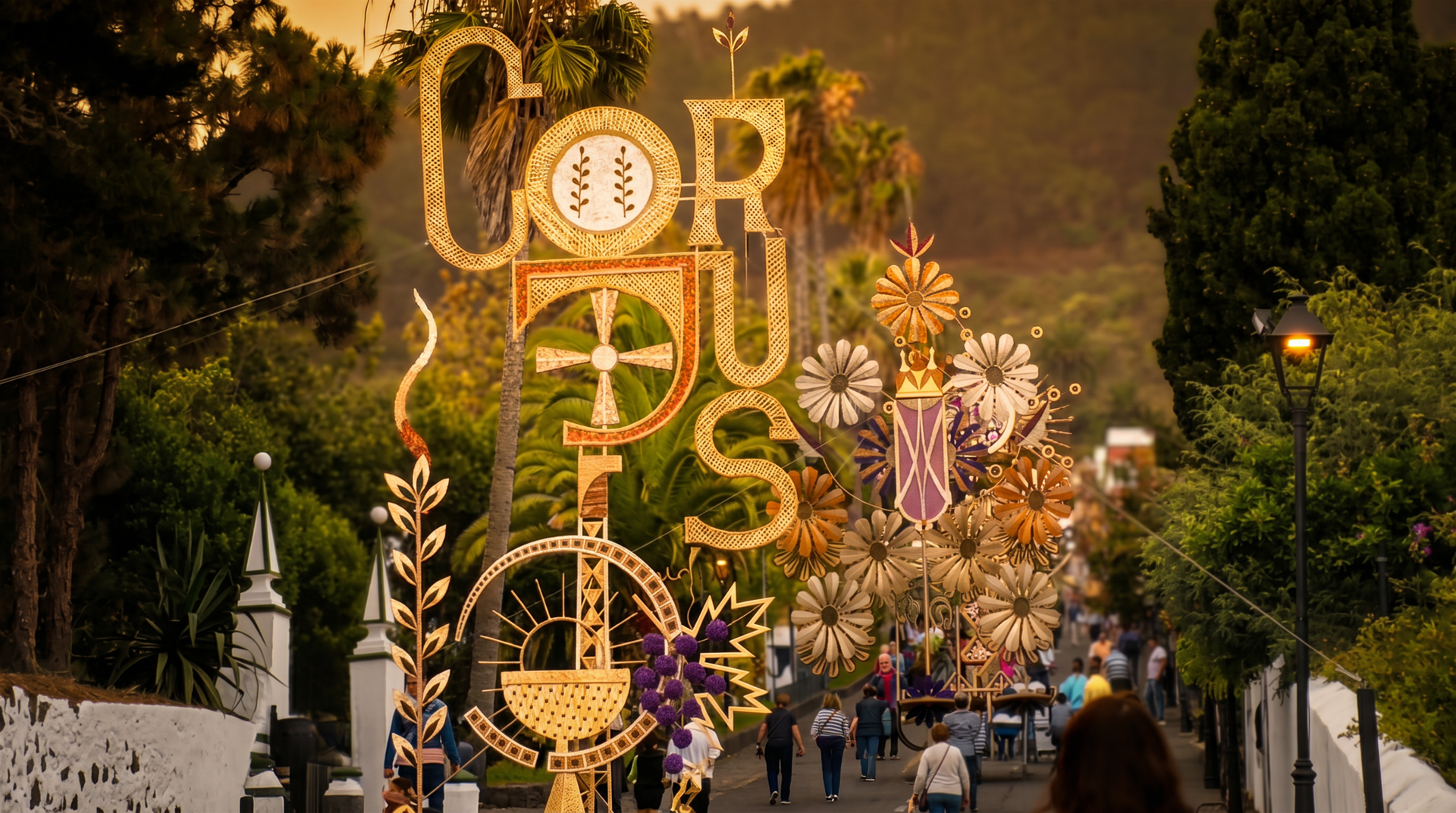
Mazo’s Corpus Christi festival is impressive for locals and visitors alike. In the weeks before the feast, elaborate flower carpets and triumphal arches are prepared on the town’s streets: millions of blossoms, seeds, mosses and coloured stones are arranged into patterns that combine religious devotion with craftsmanship. While the festival usually falls between late May and mid-June (depending on the liturgical calendar), watching the preparations is just as captivating as seeing the finished displays.
This article is based on the on-the-ground knowledge of the Gequo editorial team – publishers of the Reisezeit hiking guides and operators of Sunhikes.com. Last updated: May 2026