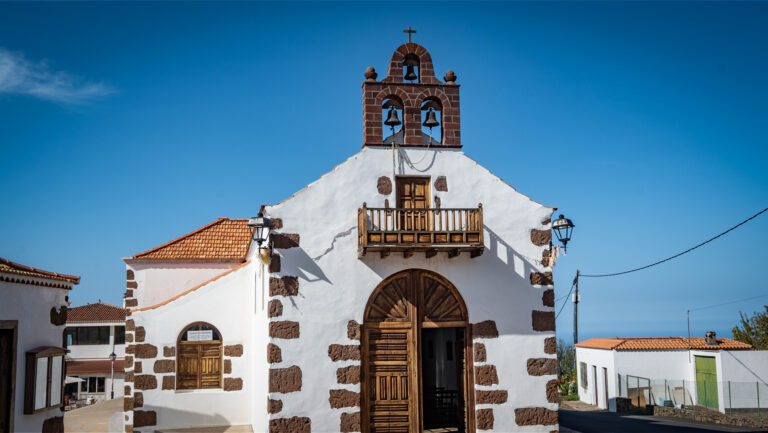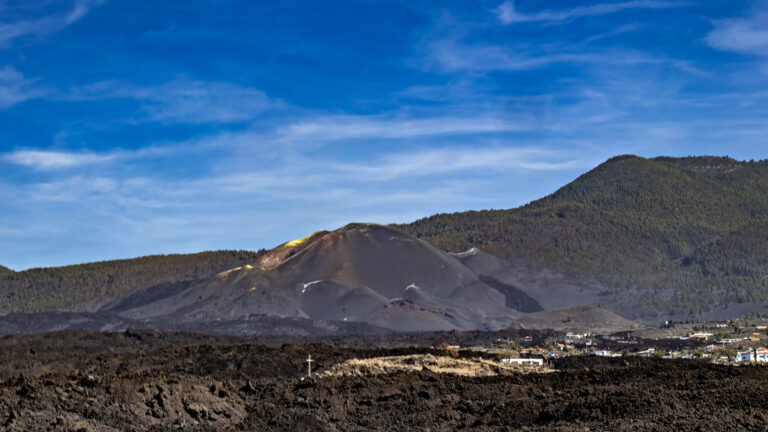
Barlovento: Green, Peaceful, and Still Undiscovered
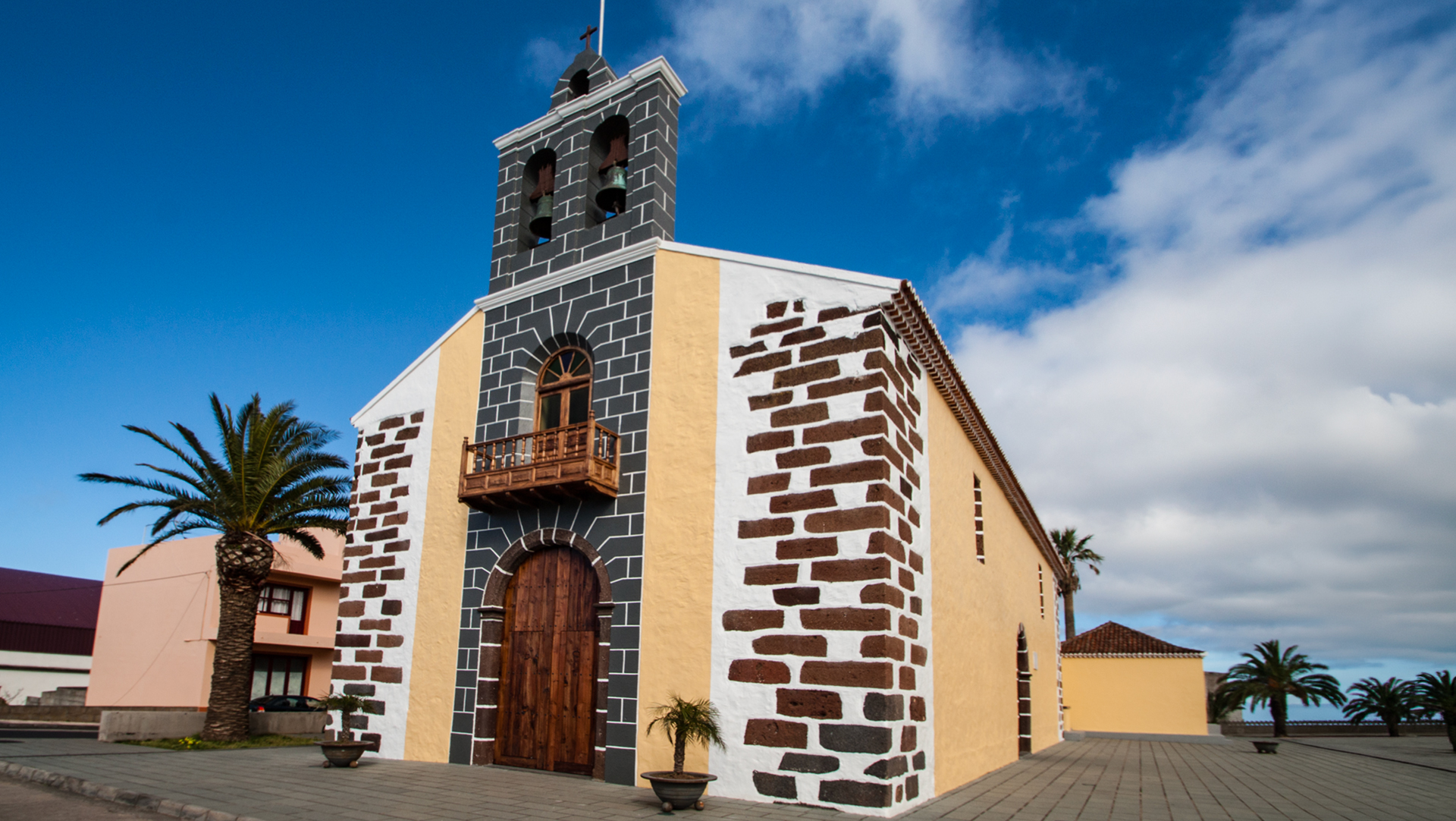
Barlovento is situated in the remote northeast of La Palma — and that is precisely what gives the municipality its special charm. Here the damp trade wind clouds build up against the mountain slopes, laurel forests cover wide stretches of the landscape and the rugged coastline reveals the wild side of the island. The name Barlovento means “windward” or “wind side” and aptly describes the climatic conditions. With around 2,000 inhabitants, the municipality is one of the quietest regions of La Palma and an ideal base for nature lovers, hikers and independent travellers.
La Fajana: Natural Seawater Pools on the Wild Northeast Coast
A few kilometres below the village centre lie the natural seawater pools of La Fajana. Three interconnected lava rock pools offer one of the most popular swimming spots in the north of the island. They fill continuously with fresh Atlantic water at high tide and provide — in calm conditions — a safe swimming experience directly on the ocean.
The complex includes sun terraces, showers, changing rooms, a restaurant with sea views, and ample parking. In heavy swells, the pools may be temporarily closed for safety reasons.
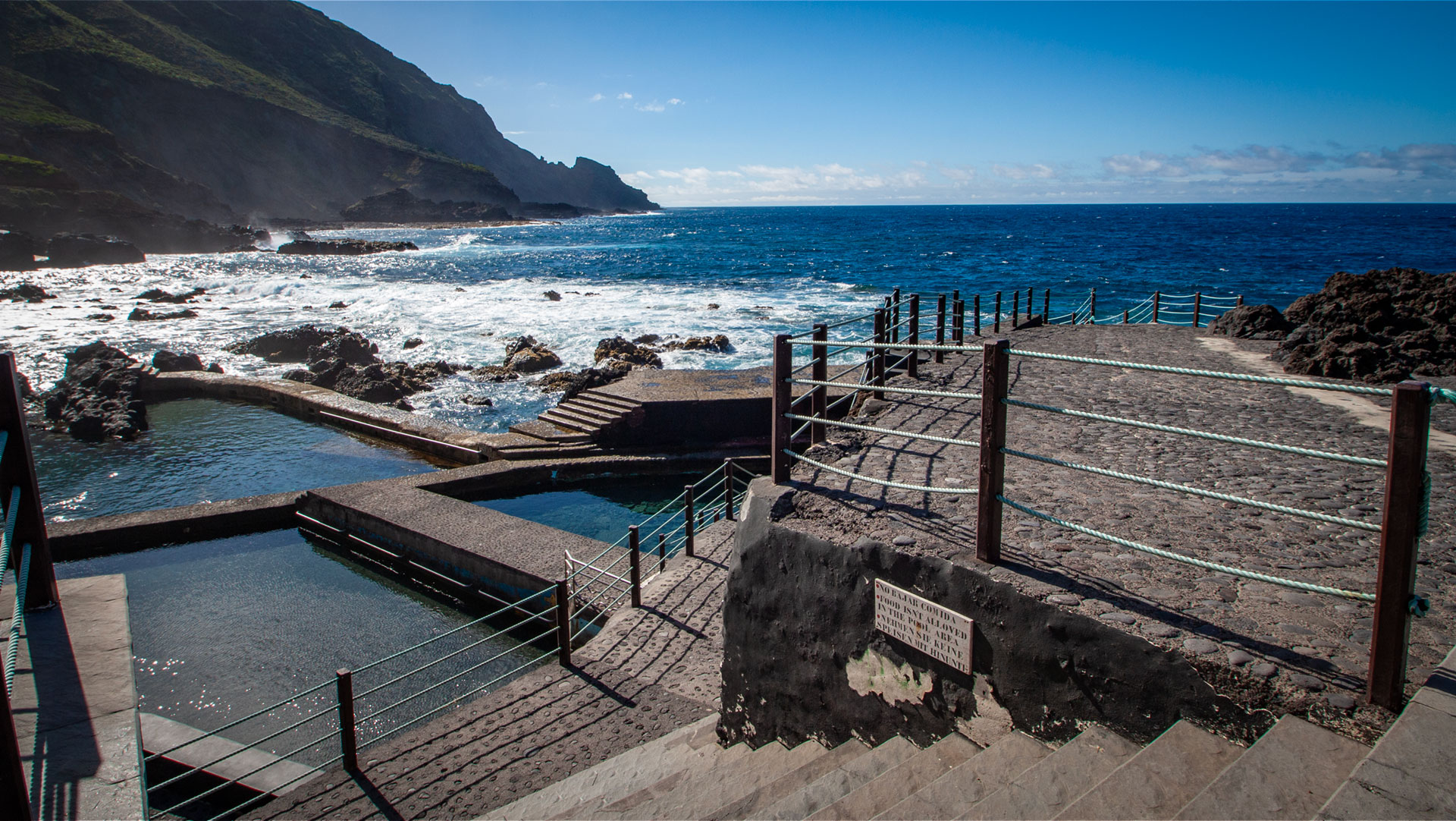
The restaurant is not cheap, but the terrace with its ocean view is unrivalled. Bringing your own food is not permitted. On weekdays La Fajana is pleasantly quiet; summer weekends attract many locals. Those seeking peace should visit in the morning or on weekdays. The complex is right on the road with a generous parking area.
Laguna de Barlovento, Fuente de los Mimbreras, and Mirador de La Tosca
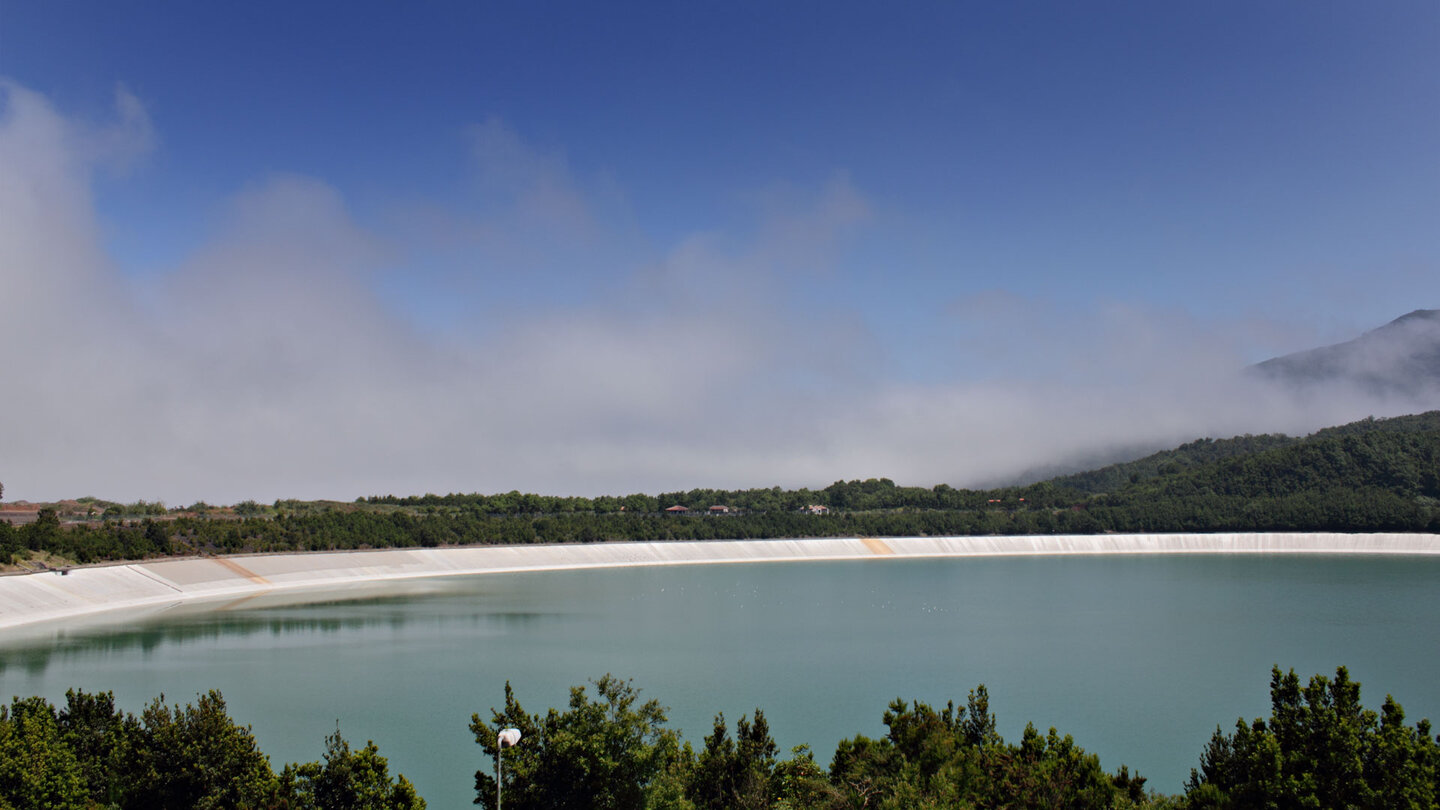
Above the village at around 600-metre elevation lies the Laguna de Barlovento, La Palma’s largest reservoir. Around the man-made lake, walking paths, picnic spots, and children’s playgrounds invite visitors to pause. Especially in the morning hours, the trade wind clouds give the landscape an almost mystical atmosphere.
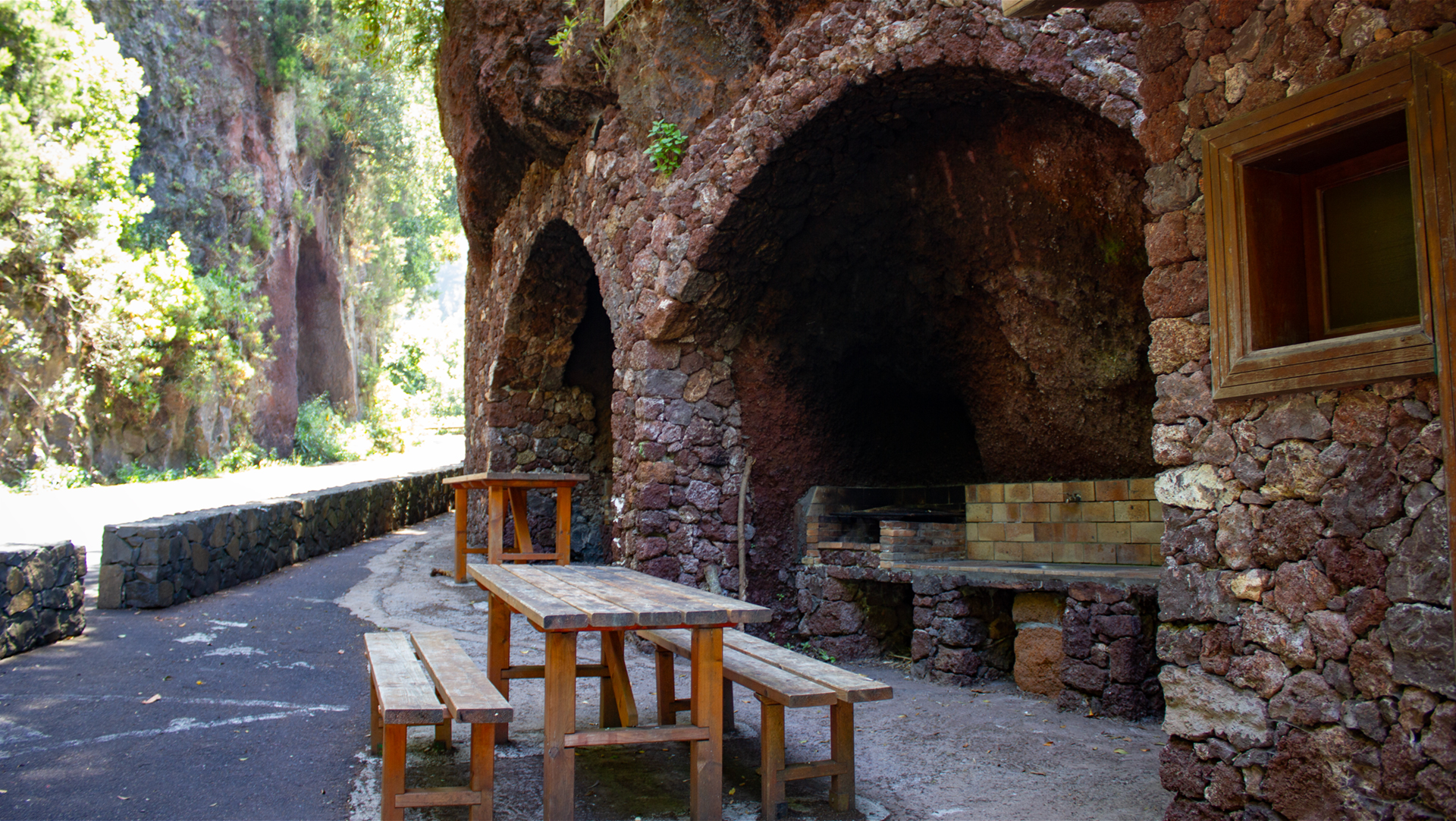
Just a few minutes’ drive away, in the heart of the laurel forest, lies the Fuente de los Mimbreras — an idyllic barbecue and rest area surrounded by giant ferns, moss-covered trees, and small springs. The dense canopy keeps the sun largely at bay, making this one of the most beautiful picnic spots in the north of the island.
A rewarding detour also leads to the Mirador de La Tosca. From this viewpoint, you can enjoy views across the green north coast to the slopes of the district of the same name, where one of La Palma’s largest concentrations of ancient dragon trees grows.
Faro de Punta Cumplida
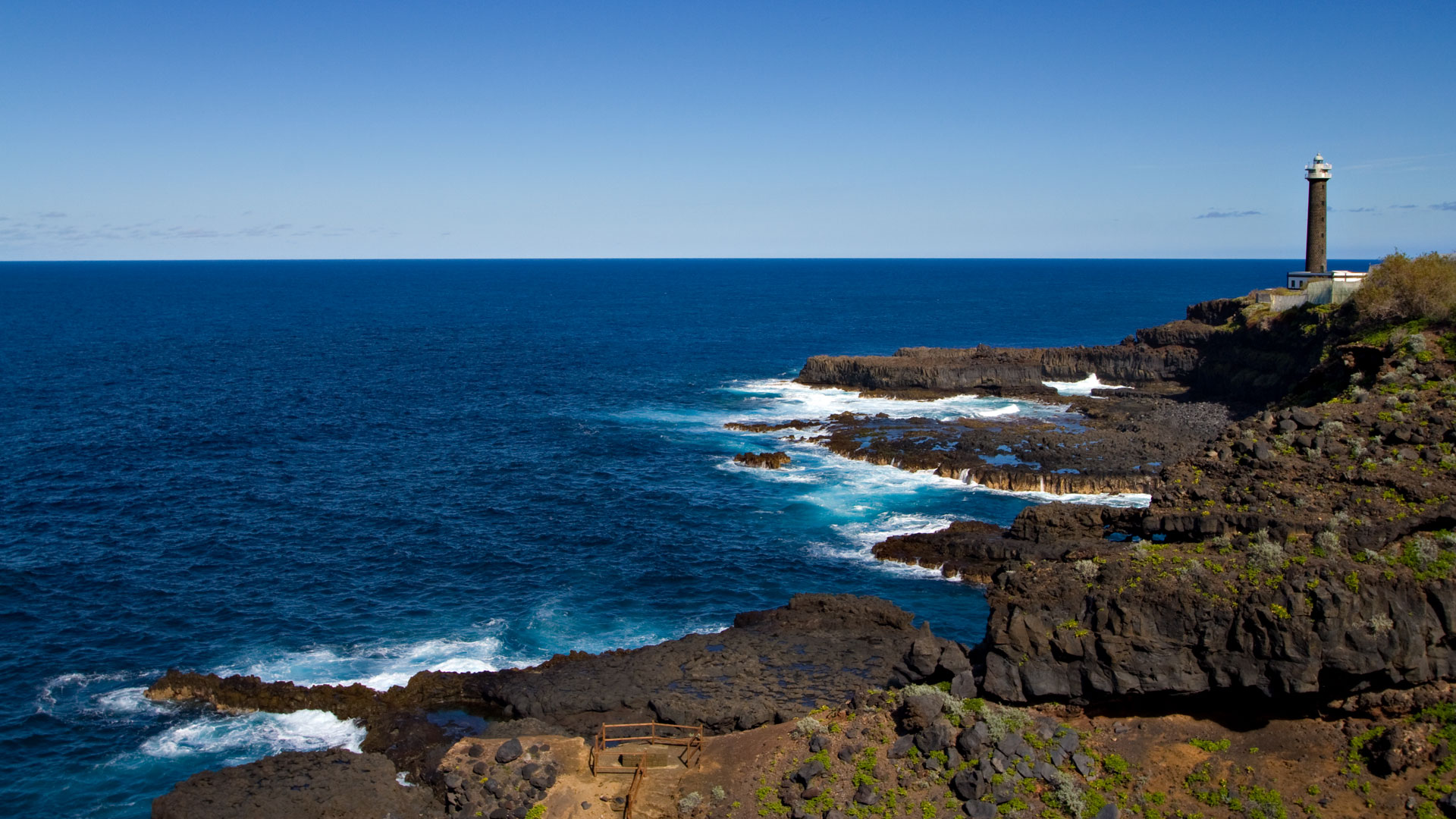
On the northeast coast stands the Faro de Punta Cumplida, which has guided maritime traffic along the north coast since 1867. Today the restored lighthouse houses an exclusive boutique hotel. Even though the property is reserved for hotel guests, the detour is worthwhile for the spectacular coastal scenery and impressive views over the Atlantic.
Culinary Tip
Barlovento is also known for its traditional cuisine. Many of the small restaurants serve regional meat dishes such as cabrito (young goat) or slow-braised beef, along with other typical specialities of La Palma’s northern cooking.
Barlovento at a Glance
| Location | Northeast of La Palma, about 50 minutes from Santa Cruz de La Palma |
| Known For | La Fajana natural pools, Laguna de Barlovento, Faro de Punta Cumplida |
| Highlights | Mirador de La Tosca, dragon trees, laurel forest, Fuente de Los Mimbreras |
| Activities | Swimming, hiking, viewpoints, picnicking, nature photography |
| Cuisine | Regional meat dishes, cabrito, traditional Canarian home cooking |
| Ideal For | Nature lovers, hikers, independent travellers, and those seeking tranquillity |
The Green Heart of the North
Barlovento shows La Palma at its most pristine. Natural seawater pools, laurel forest, the island’s largest reservoir, and the spectacular north coast make this municipality an ideal destination for those seeking peace, nature, and authentic landscapes.
Frequently Asked Questions
Is there an entry fee for the <em>La Fajana</em> natural pools?
Can you visit the <em>Faro de Punta Cumplida</em>?
What is the <em>Laguna de Barlovento</em>?
Why is Barlovento so green?
What hikes start in Barlovento?
This article is based on the on-the-ground knowledge of the Gequo editorial team – publishers of the Reisezeit hiking guides and operators of Sunhikes.com. Last updated: May 2026