Playa de El Pozo – Quiet Beach near Villa de Mazo
La Palma’s south-east coast between the airport and Fuencaliente is not classic beach territory. The coastline is rocky, the surf sometimes strong, the infrastructure minimal. And that is precisely why Playa de El Pozo near Villa de Mazo is a beach for those who are not looking for what everyone else is looking for.
Untouched and Unknown
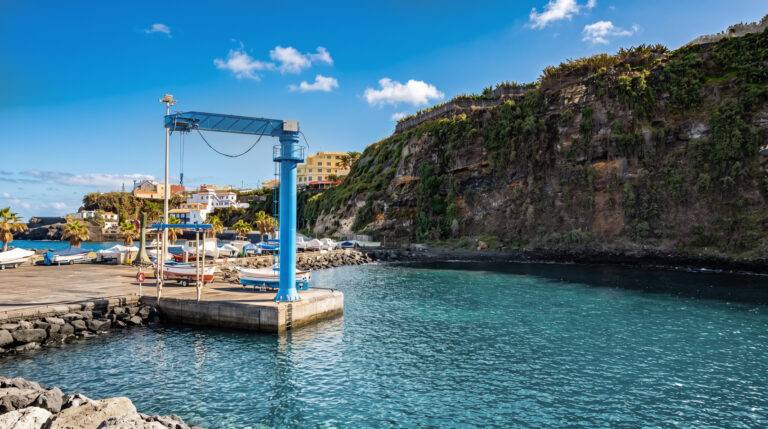
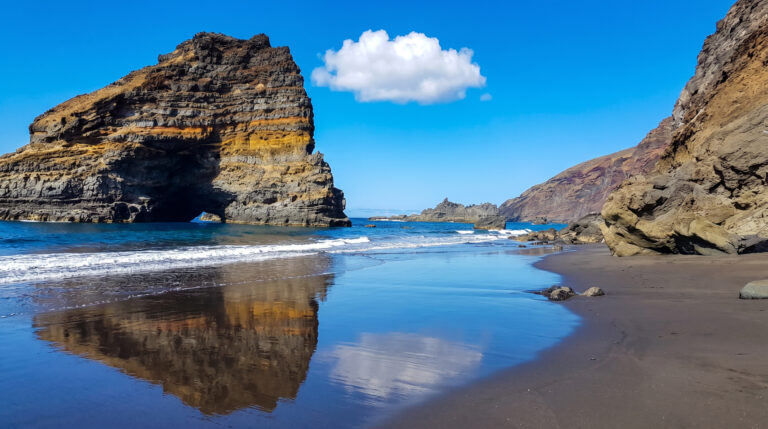
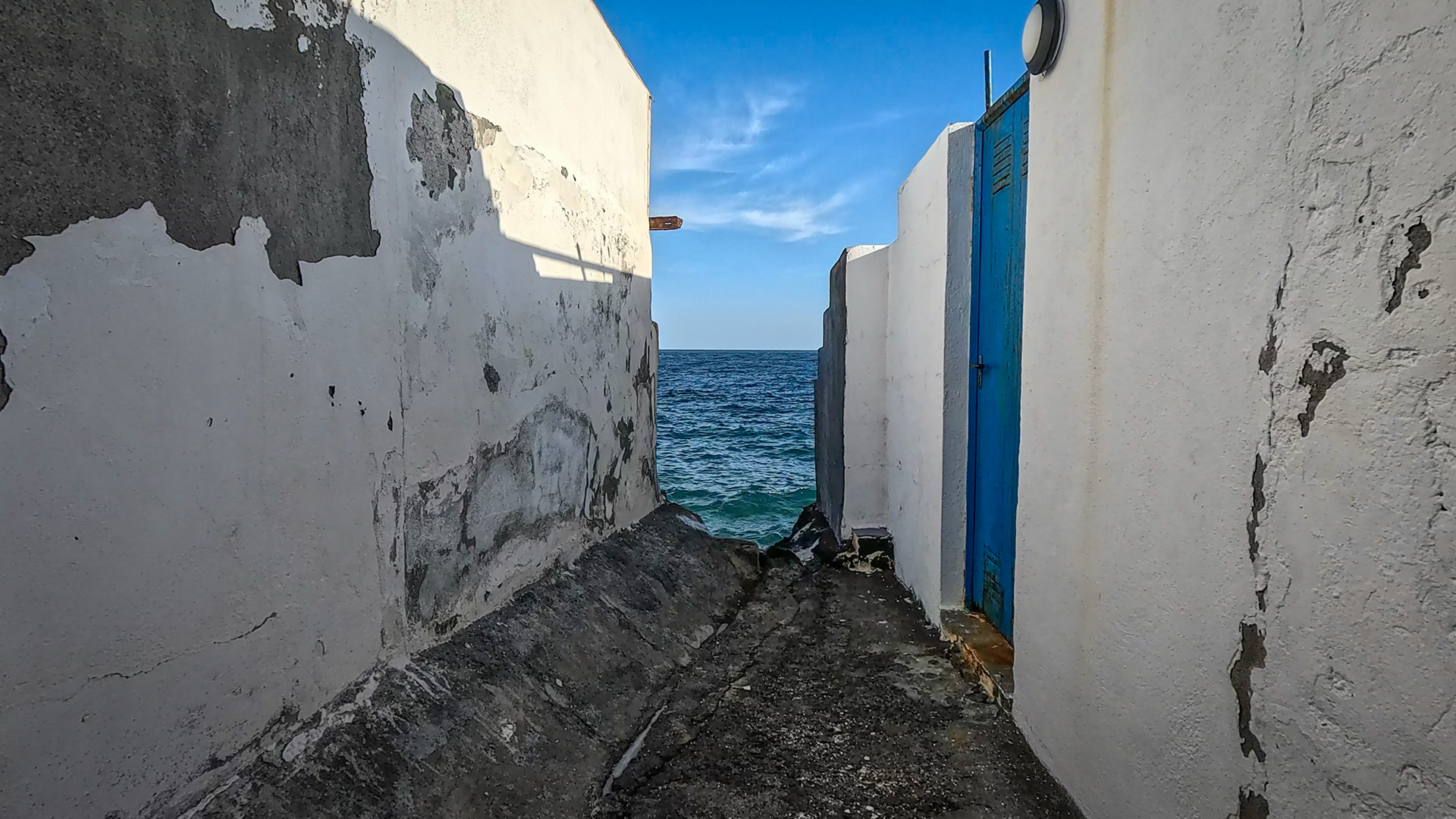
Playa de El Pozo lies below the municipal area of Villa de Mazo on the south-east coast. A natural, small beach with virtually no tourist development. No sun loungers, no parasols, no kiosk. Instead: lava rock, clear water and a tranquility you’ll struggle to find at the island’s busier spots.
The beach is known to locals from the region — families from Villa de Mazo and surrounding villages come at weekends. During the week you usually have it to yourself.
Swimming & Safety
Please note that there are no beach flags here:
No lifeguard. The south-east coast can have undercurrents.
Lava Cliffs and Coastal Walk
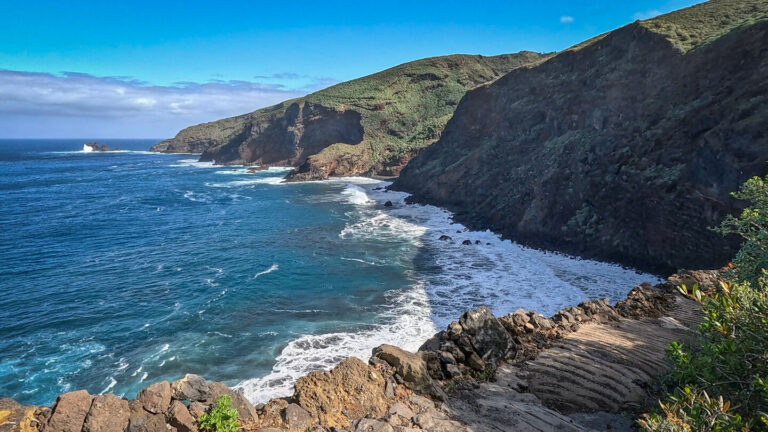
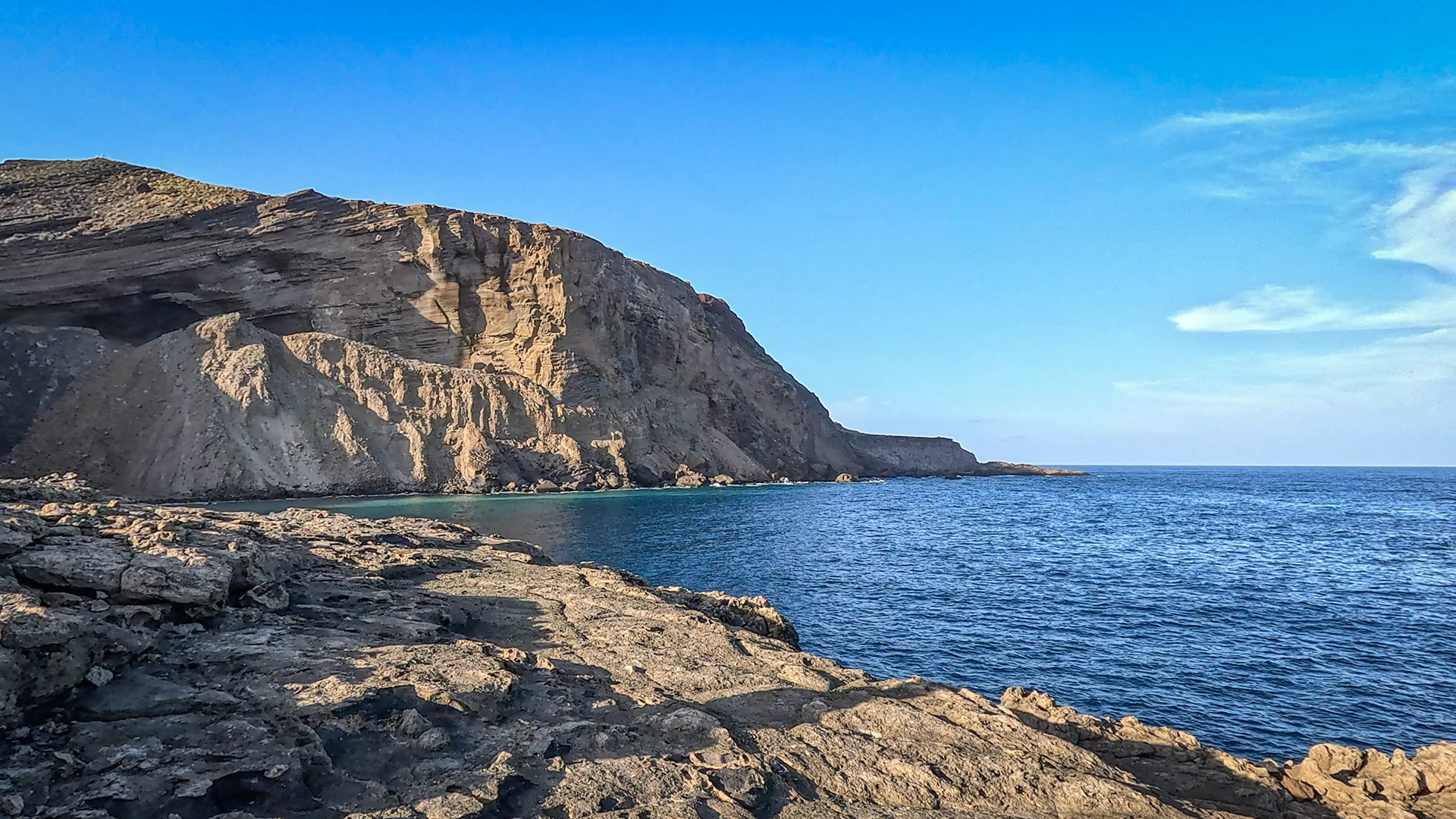
The coast around Playa de El Pozo offers coastal walks along the lava cliffs. The paths are partly exposed and require sure-footedness, but the effort is worth it: from the cliffs you can see the coastline in both directions, the surf breaking at the lava base, and in good weather the silhouette of La Gomera on the horizon. These views are the reason why La Palma, despite its few sandy beaches, is one of the most appealing coastal hiking destinations in the Canary Islands.
Villa de Mazo: Pottery and Petroglyphs
Villa de Mazo, the town above the beach, is known for its pottery tradition and the Ecomuseo Belmaco — the oldest archaeological museum in the Canary Islands. On display are the most significant petroglyphs of the Benahoaritas, La Palma’s indigenous people. The rock carvings show geometric patterns and spiral signs that testify to an advanced culture that did not survive the arrival of the Spanish in the 15th century.
A visit to the Ecomuseo pairs perfectly with a trip to the beach: beach in the morning, museum in the afternoon — or the other way around. Combining both in one day gives you the full picture of Villa de Mazo.
Corpus Christi: Flower Carpets in Villa de Mazo
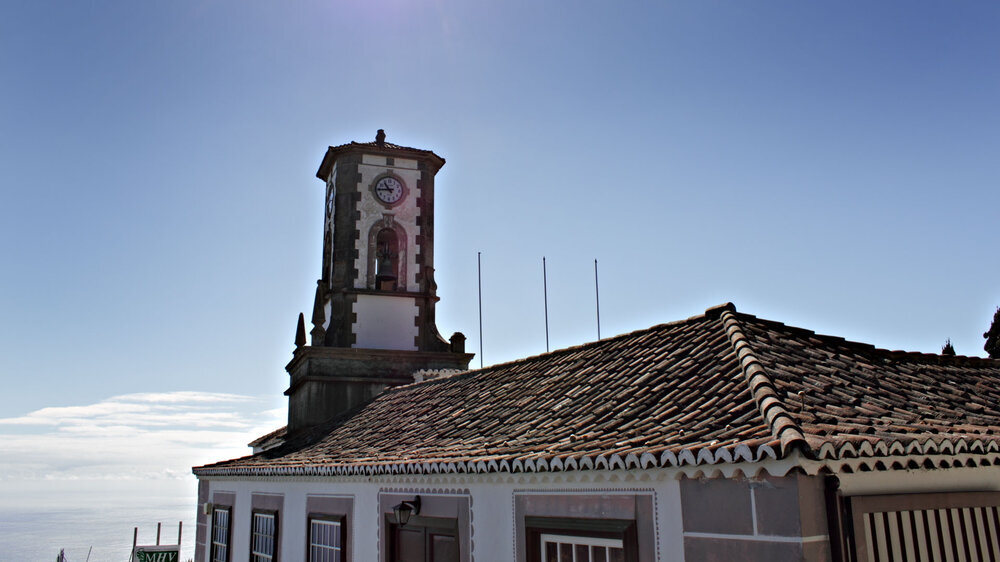
Once a year, at Corpus Christi, Villa de Mazo transforms into one of La Palma’s most celebrated festival communities. The village streets are covered with elaborate flower carpets made from natural materials — a tradition maintained for generations and recognised by UNESCO as intangible cultural heritage. Visitors on the island at festival time can combine a beach trip with the Corpus Christi experience.
| Location | South-east coast of La Palma, municipality of Villa de Mazo |
|---|---|
| Beach | Small natural black sand beach, completely undeveloped |
| Facilities | None – bring your own food and water |
| Lifeguard | None – swim at your own risk |
| Combine with | Ecomuseo Belmaco · Corpus Christi tradition |
| Accommodation | Clariso Villa de Mazo (2 houses) |
Accommodation in Villa de Mazo
Villa de Mazo is one of eight Clariso municipalities on La Palma. The selection is small: two holiday homes, booked directly with local providers. Book via Clariso Villa de Mazo.
Ecomuseo Belmaco: Petroglyphs of the Indigenous People
The Ecomuseo Belmaco is the oldest archaeological museum in the Canary Islands. In a natural lava cave near Villa de Mazo, the most impressive petroglyphs of the Benahoaritas, La Palma’s indigenous people, can be seen. The geometric patterns and spiral signs — carved into lava rock before the Spanish conquest — express an advanced culture that had almost entirely disappeared within 150 years of the Spaniards’ arrival. The museum explains the historical context and offers a glimpse into the life of the Benahoaritas, about which little is still known today.
Traditional Craft: Pottery in Villa de Mazo
Villa de Mazo is the centre of the Canarian pottery tradition. The women of the village produce ceramics using an ancient technique — no potter’s wheel, only their hands — directly linked to the craft culture of the Benahoaritas. This tradition has been passed down from generation to generation and is today recognised as intangible cultural heritage. Those wishing to watch the potters at work will find several workshops in the village open to visitors.
Ruta de los Volcanes: La Palma’s Volcanic Chain
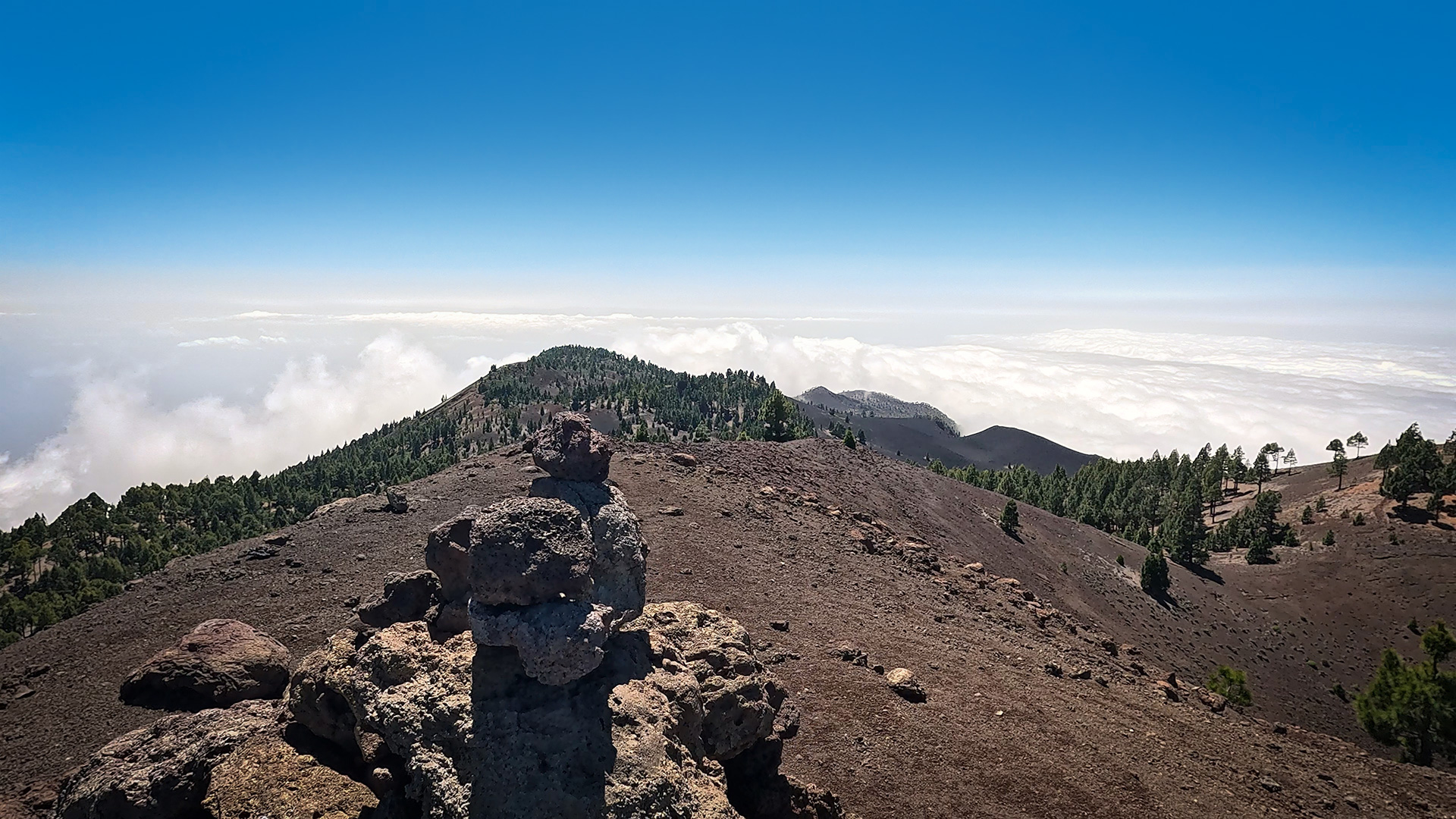
The south-east coast near Villa de Mazo lies at the foot of the Cumbre Vieja mountain range — the volcanic chain running north to south through La Palma that became active again with the Tajogaite eruption in 2021. From the coast you can partly see the lava fields stretching across the slopes. Those wanting to walk the Ruta de los Volcanes — one of the island’s most impressive routes — start at El Pilar, a few kilometres west of Villa de Mazo. Beach and volcano hiking in one day: that’s a complete La Palma day.
Travel Season and Practical Notes
Villa de Mazo and Playa de El Pozo can be visited year-round. The south-east coast is somewhat cloudier than the west coast but warmer than the north-east. In winter the surf can be stronger. A hire car is recommended for getting here — the beach lies off the main road. The nearest shop is in the centre of Villa de Mazo, a few minutes’ drive away.
Getting There: Between Airport and Fuencaliente
Playa de El Pozo is conveniently located between La Palma airport to the north and Fuencaliente to the south. From Santa Cruz it is about 30 minutes by car, from the airport about 20 minutes. Those passing through — for example on the way from Santa Cruz to Fuencaliente — can plan a short beach stop without much of a detour. The turn-off from the main LP-2 road is signposted.
La Palma is not a beach holiday destination — that is well known and no secret. Those who choose the island choose hiking, volcanoes, nature and silence. Playa de El Pozo fits this picture: no showpiece beach, no comfort, but a place that offers much more than just a swim. A community with millennia of history underfoot, a beach that asks for nothing, and a quiet that is hard to find elsewhere on the island in high season.
Practical: Getting There and What to Bring
Playa de El Pozo lies off the main LP-2 road — the turn-off is signposted from Villa de Mazo. Hire car recommended. Bring water shoes — lava rock at the beach edge. No kiosk on site: buy water and supplies in Villa de Mazo, a few minutes away. Sun protection essential: no natural shade at the beach.
Villa de Mazo is the place on La Palma where the island’s history and the present come closest together. Petroglyphs, pottery tradition, flower carpets — and a small, black natural beach that makes you forget all of that the moment you’re in the water. The interplay of these elements is typically La Palman: quiet, deep, without any grand display.
One last practical note: Playa de El Pozo is not listed on every navigation device. Those driving should navigate to Villa de Mazo and then follow local signs to the coast. The route is short, but finding it can take longer than expected.
First-time visitors to Villa de Mazo should plan a full day: beach in the morning, Ecomuseo late morning, lunch overlooking the coast, then through the village lanes in the afternoon – and perhaps a peek into a pottery workshop. This is not an itinerary for those in a rush – but La Palma is not an island for those in a hurry.
Conclusion: Playa de El Pozo
Playa de El Pozo is not a beach for comfort seekers – it is a quiet, unspoiled stretch of coast beside a village with extraordinary cultural heritage.
Beach, petroglyphs and flower carpets: Villa de Mazo offers a La Palma experience that most visitors miss.
Those who travel off the tourist mainstream will find a good reason to make a detour here.
Frequently Asked Questions
What is the Ecomuseo Belmaco?
What are the Corpus Christi flower carpets?
Is Playa de El Pozo suitable for children?
How far is Playa de El Pozo from the airport?
This article is based on the on-the-ground knowledge of the Gequo editorial team – publishers of the Reisezeit hiking guides and operators of Sunhikes.com. Last updated: May 2026