La Palma in Spring – The Most Beautiful Season on the Volcanic Island
While Northern Europe is still under lingering cold, La Palma is exploding in blossom. The Canarian spring begins early – with the almond trees of Puntagorda in late January – and ends late, when in June the tajinaste stretches its last flowering spires across the high slopes. February to April are for many visitors the most impressive time on La Palma: warm, green, colourful, and not yet summer-hot.
The Almond Blossom – Late January to Mid-February
The almond groves of Puntagorda and the surrounding northern highlands bloom from late January, covering the hillsides in white and pale pink. The Fiesta del Almendro en Flor is held in Puntagorda in February, with the market expanded to include special almond products – bienmesabe, almond liqueur, roasted almonds. Early in the morning, when the blossoms shimmer in the first light, the scenery is at its absolute best.
March and April – Perfect Hiking Season
March and April are the best hiking months on La Palma. Temperatures are pleasant even at mid-altitude (12–18°C), the vegetation is lush green, and the ravines carry water. The northern slope is in full splendour: laurel forests in deep green, the north coast barrancos with freshly flowing streams, and the first spring flowers on the dry ridges.
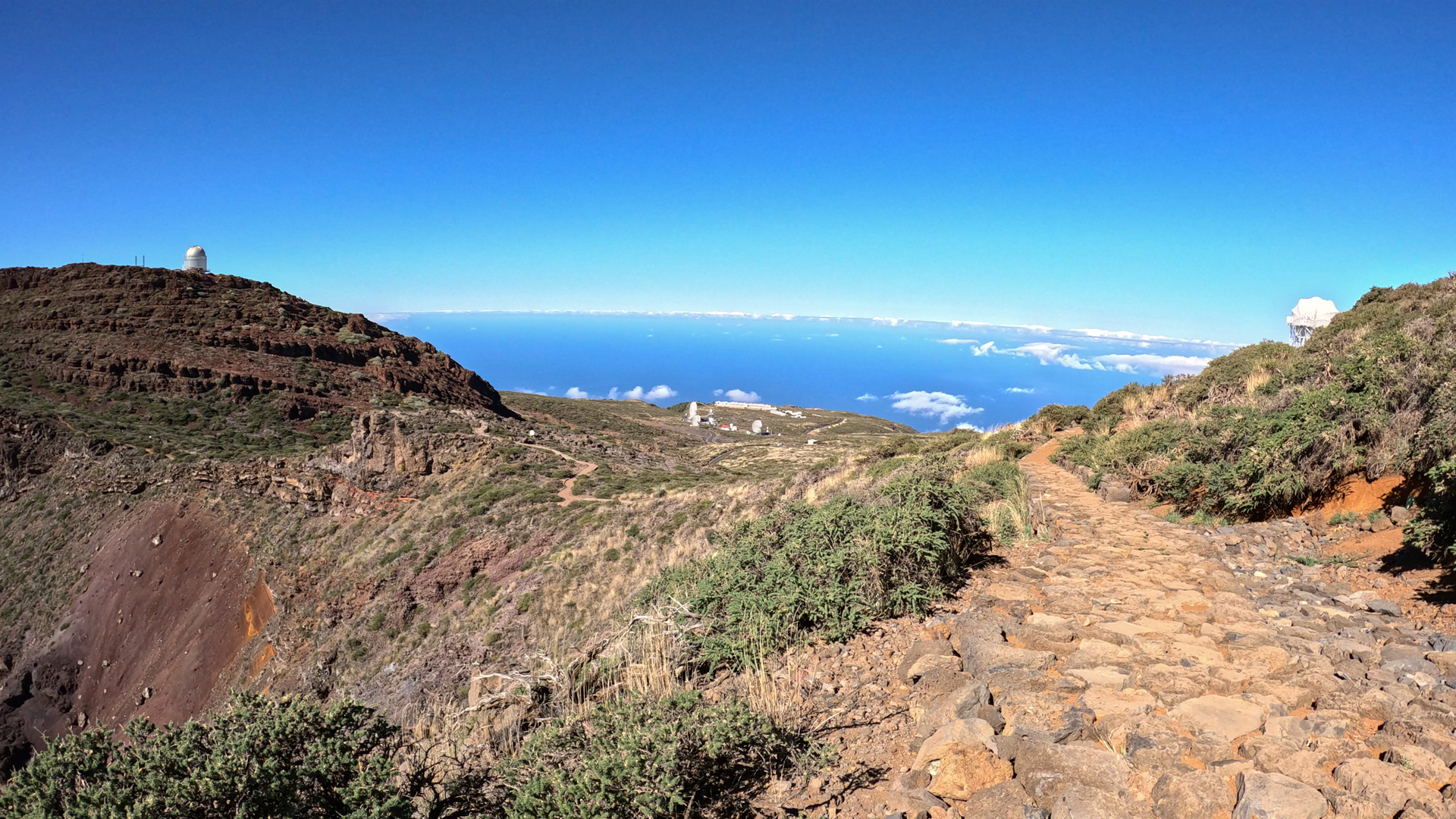
Particularly rewarding in spring: hikes along the GR-130 north coast route, the Caldera hike from Los Brecitos, and the Ruta de los Volcanes. Those wanting to see the Caldera at its most lush should come in March.
April to June – Tajinaste in Bloom
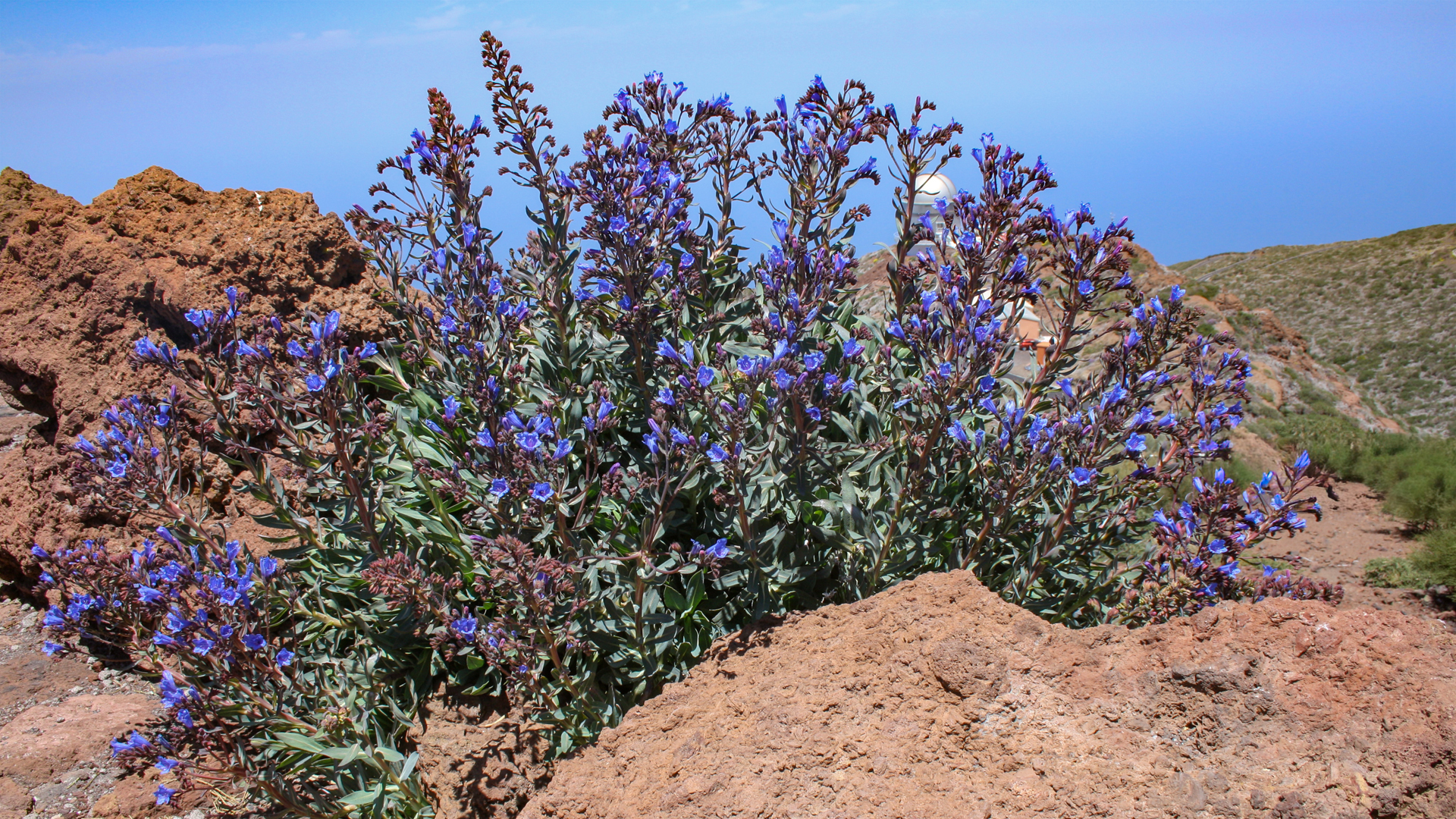
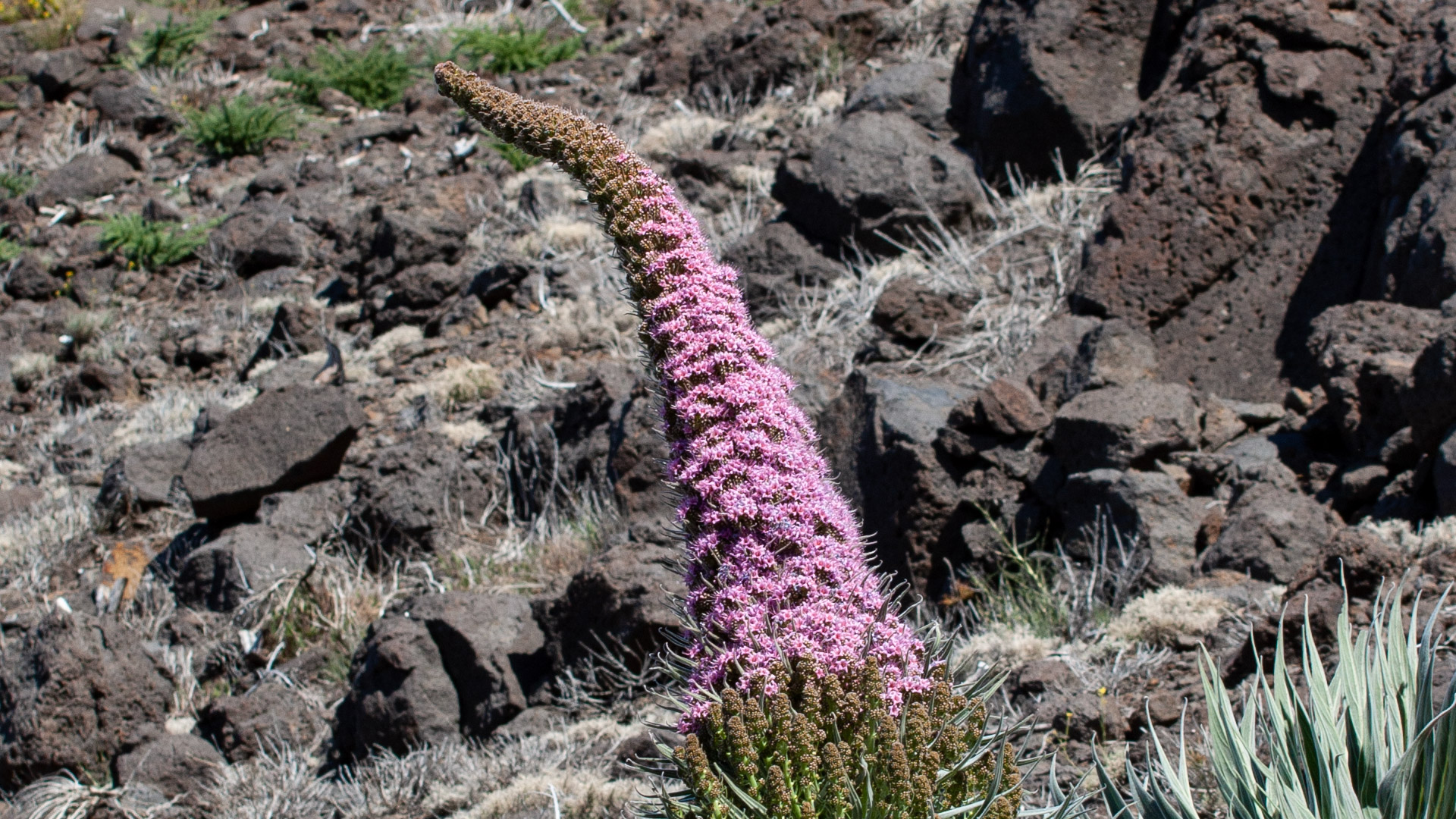
The Tajinaste rosado (Echium wildpretii subsp. trichosiphon) is the botanical emblem of La Palma’s high altitudes. The flowering spires, up to three metres tall, grow between roughly 1,800 and 2,400 metres and transform the volcanic slopes beneath the Roque de los Muchachos in late spring into an extraordinary display of colour. Together with the up to four-metre-tall Pininana (Echium pininana) and other endemic bugloss species, the flowering is one of the island’s most impressive natural events. The main flowering season extends – depending on the weather – from late April to mid-June and is one of the most important reasons for a spring trip to La Palma.
Easter and Corpus Christi – Spring Festivals
La Palma’s Holy Week (Semana Santa) processions are among the most devout in the Canary Islands. Easter weekend brings religious processions through Santa Cruz and the main towns. Corpus Christi in Mazo (late May or June) brings the famous floral carpets – intricate mosaics of petals, seeds, and natural materials assembled overnight. Both festivals are genuine community events, not tourist performances.
When Exactly to Travel in Spring?
| Period | Nature & Highlights |
|---|---|
| Late January – mid-February | Almond blossom in Puntagorda, Fiesta del Almendro en Flor |
| March | Lushest vegetation, water-filled barrancos, ideal hiking conditions |
| April | Start of tajinaste flowering at high altitude, Semana Santa |
| May | Peak of tajinaste flowering, Corpus Christi in Mazo |
| June | Late tajinaste flowering, increasingly summer temperatures |
Tips for La Palma in Spring
Plan almond blossom flexibly
The almond blossom begins at different times depending on the weather. Those wanting to experience the sea of blossom at its most beautiful should check the current flowering status shortly before travelling and keep a little flexibility in their dates if possible.
Starting early is worthwhile
In spring, temperatures are ideal for hiking. The most beautiful light and the clearest views come in the morning hours – especially on the high-altitude trails and in the Caldera de Taburiente.
Be prepared for different altitudes
Between sea level and the Roque de los Muchachos there are more than 2,400 metres of altitude difference. It is therefore worth bringing a light jacket for excursions to higher elevations even on warm spring days.
Book Easter week well in advance
During Semana Santa, La Palma is one of the most sought-after destinations in the Canary Islands. Car hire, ferries, and popular fincas are often fully booked months ahead.
Best time for nature photography
Spring on La Palma means lush laurel forests, water-filled barrancos, flowering almond trees, and from late April the spectacular tajinastes. For photographers, this season is one of the most varied of the entire year.
Spring Tourism and Accommodation
Spring is increasingly popular on La Palma, particularly among hikers and nature photographers from the UK, the Netherlands, and Scandinavia. Rural houses (casas rurales) fill up quickly for the almond blossom period and Easter week. Book at least two to three months in advance for February and the Easter period.
Outside Easter week, spring reveals its quieter side. March and the second half of April in particular combine pleasant temperatures, green landscapes, and comparatively few visitors. For many walkers and nature lovers, these weeks are the ideal travel window.
Frequently Asked Questions (FAQ)
When does the tajinaste bloom on La Palma?
Is La Palma warm enough for swimming in March?
When is the almond blossom at its most beautiful on La Palma?
Is spring the best time to hike on La Palma?
What should you wear in spring on La Palma?
This article is based on the on-the-ground knowledge of the Gequo editorial team – publishers of the Reisezeit hiking guides and operators of Sunhikes.com. Last updated: May 2026