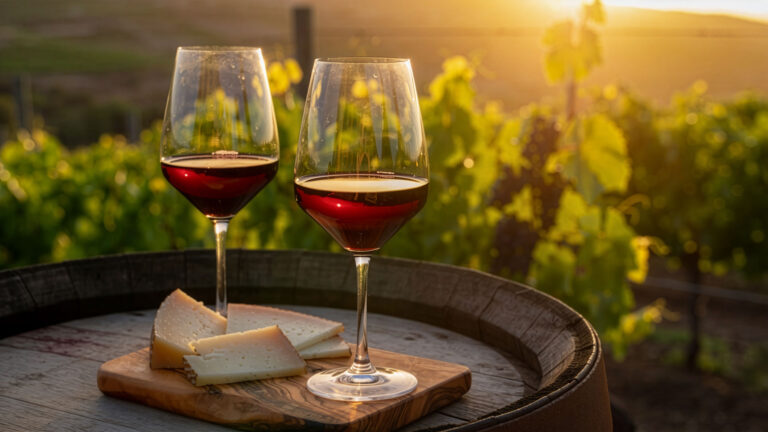
La Palma Highlights – 15 Sights That Define the Island
La Palma is small – 47 km long, 29 km wide – but extraordinarily dense with natural spectacle, cultural depth, and experiences that exist nowhere else in the Canary Islands. These 15 highlights are the essential reference points for any visit.
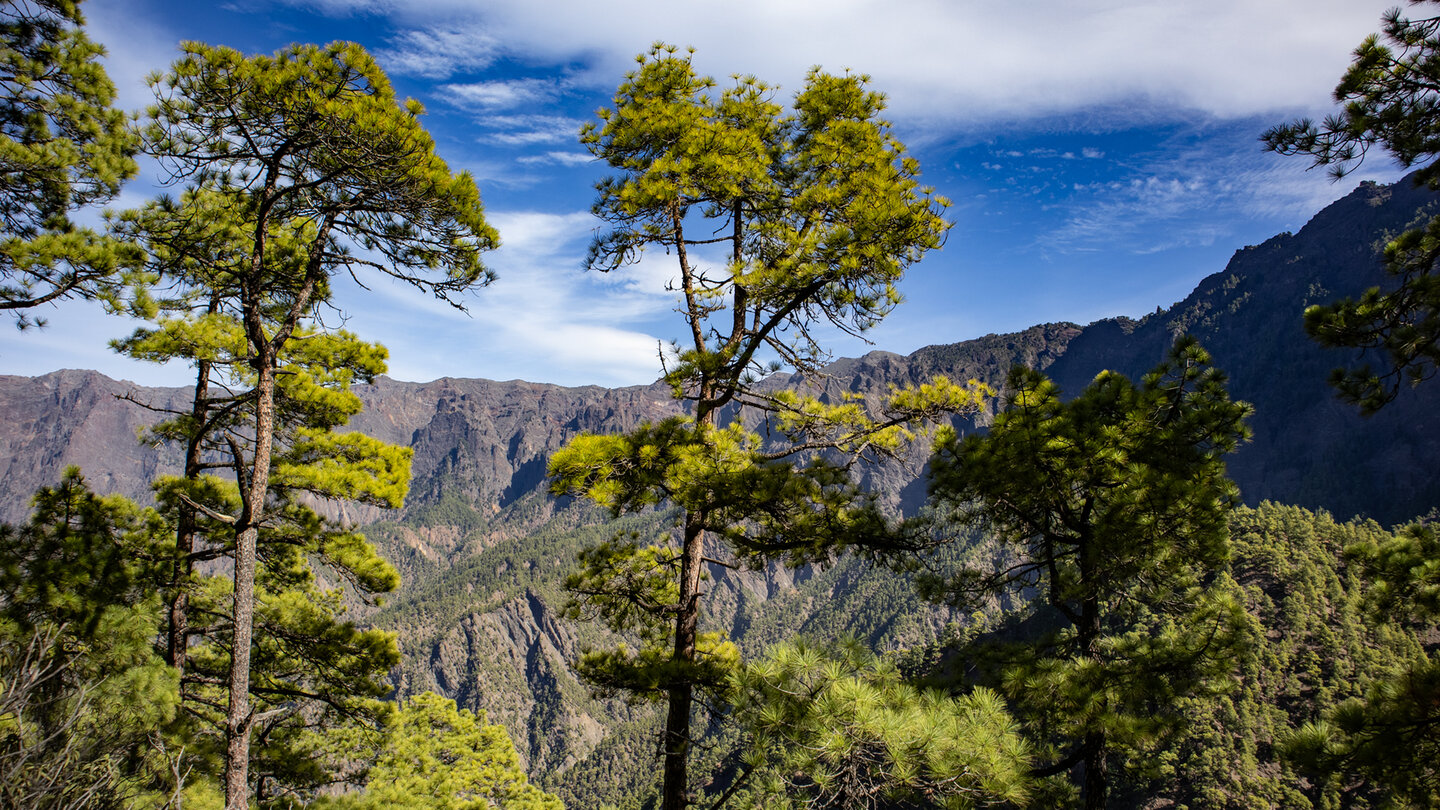
1. Caldera de Taburiente – The Heart of the Island
A National Park and one of the world’s great volcanic landscapes: a 9 km-wide erosion basin surrounded by walls rising 2,000 m, accessible on foot from the rim or from the canyon exit. The caldera interior – with its streams, pine forest, and total enclosure from the outside world – is unlike anywhere else.
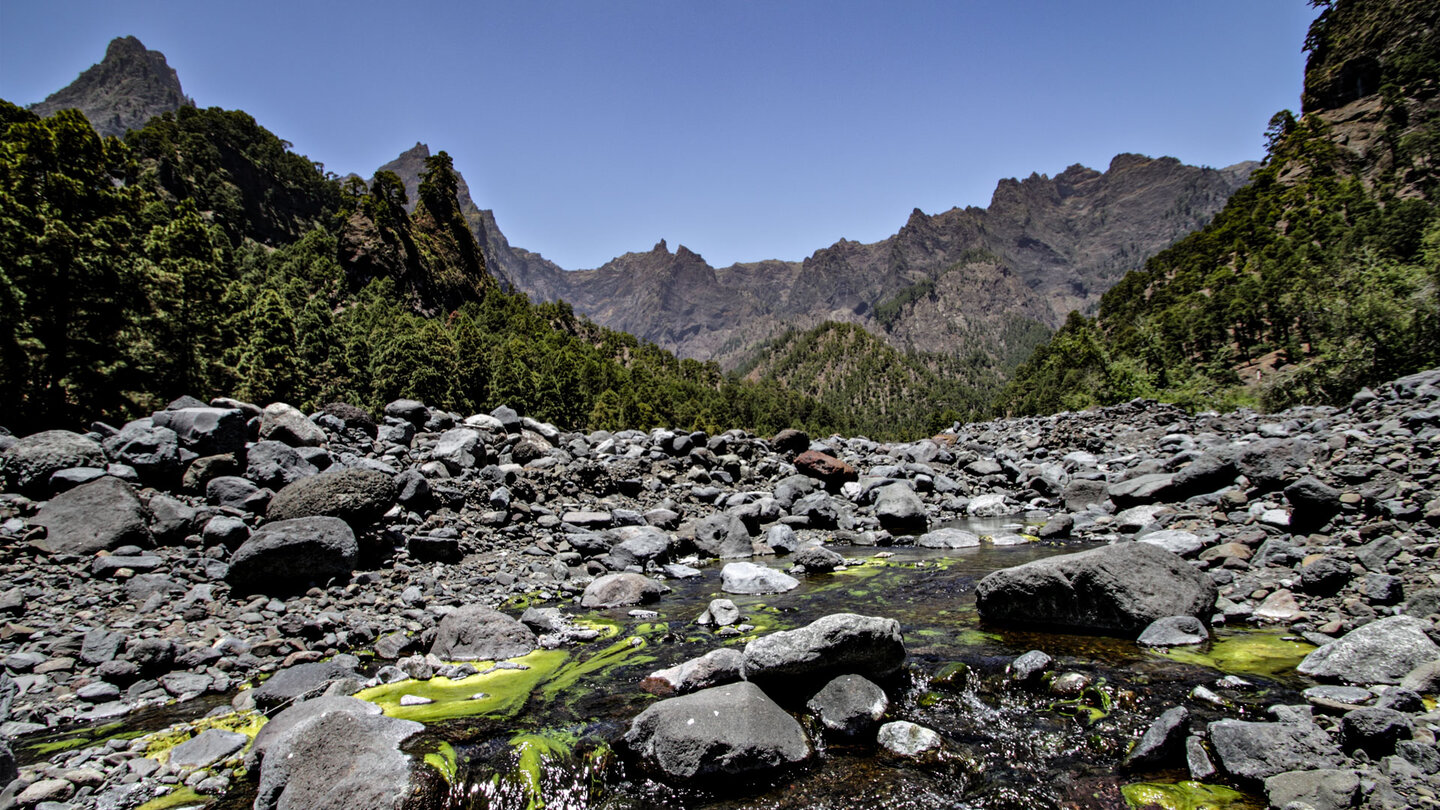
The Easiest Access:
The La Cumbrecita viewpoint at 1,833 m (Note: the car park requires advance online reservation!).
For Hikers:
The spectacular descent from Los Brecitos down to the Playa de Taburiente in the crater floor, and on to the famous Cascada de Colores – a waterfall stained with natural mineral colours.
2. Roque de los Muchachos – Above the Clouds
The island’s summit at 2,426 m, home to one of the world’s great observatory complexes, and the viewpoint above the famous sea of clouds. The drive up through cloud forest and pine, emerging into clear air above the inversion layer, is a defining La Palma experience.
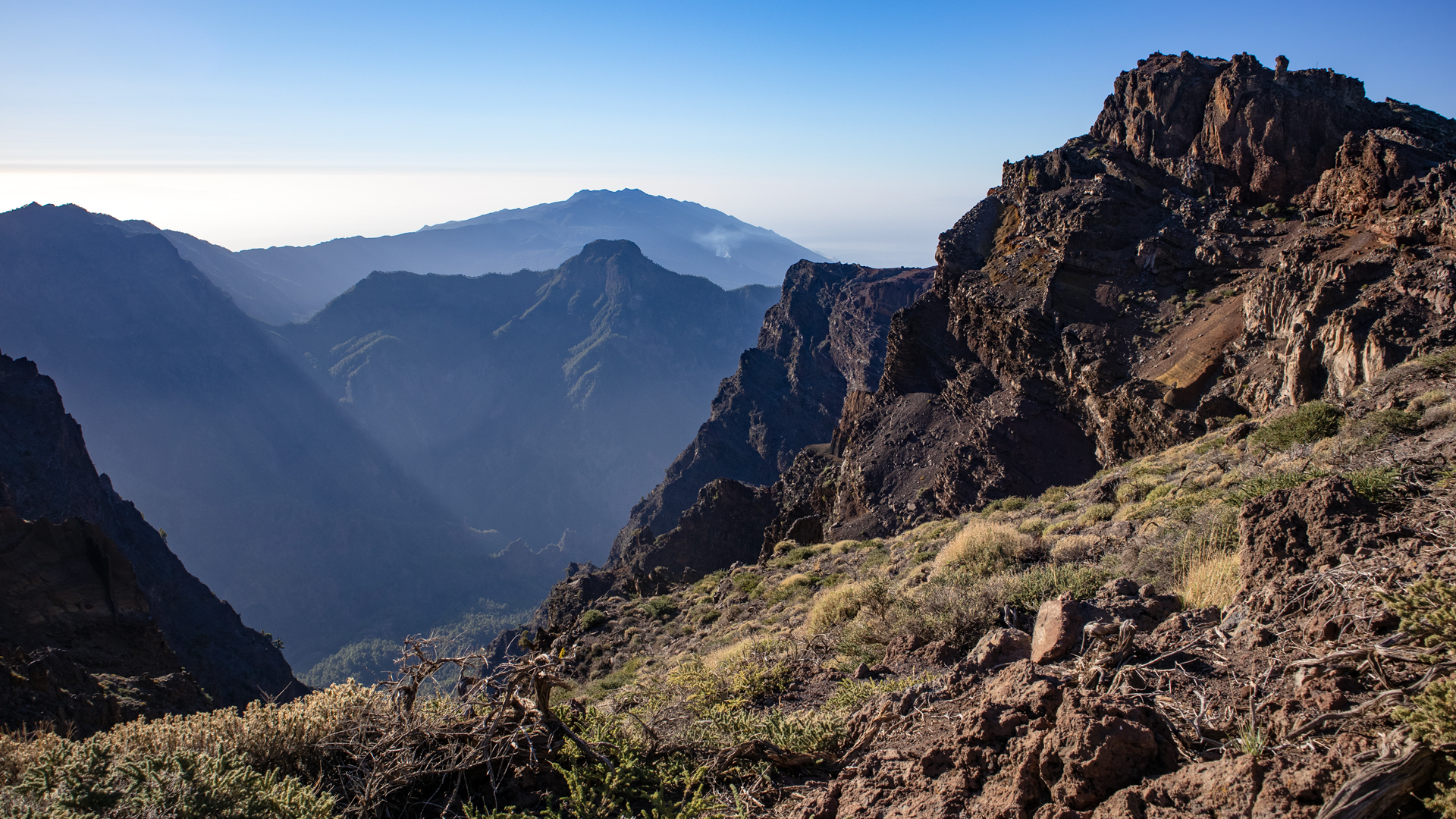
Important Note:
The summit area is freely accessible during the day. At night, access to the observatory and the summit plateau is closed to public traffic to protect the astronomical installations.
3. Tajogaite Lava Field – The Youngest Land on Earth
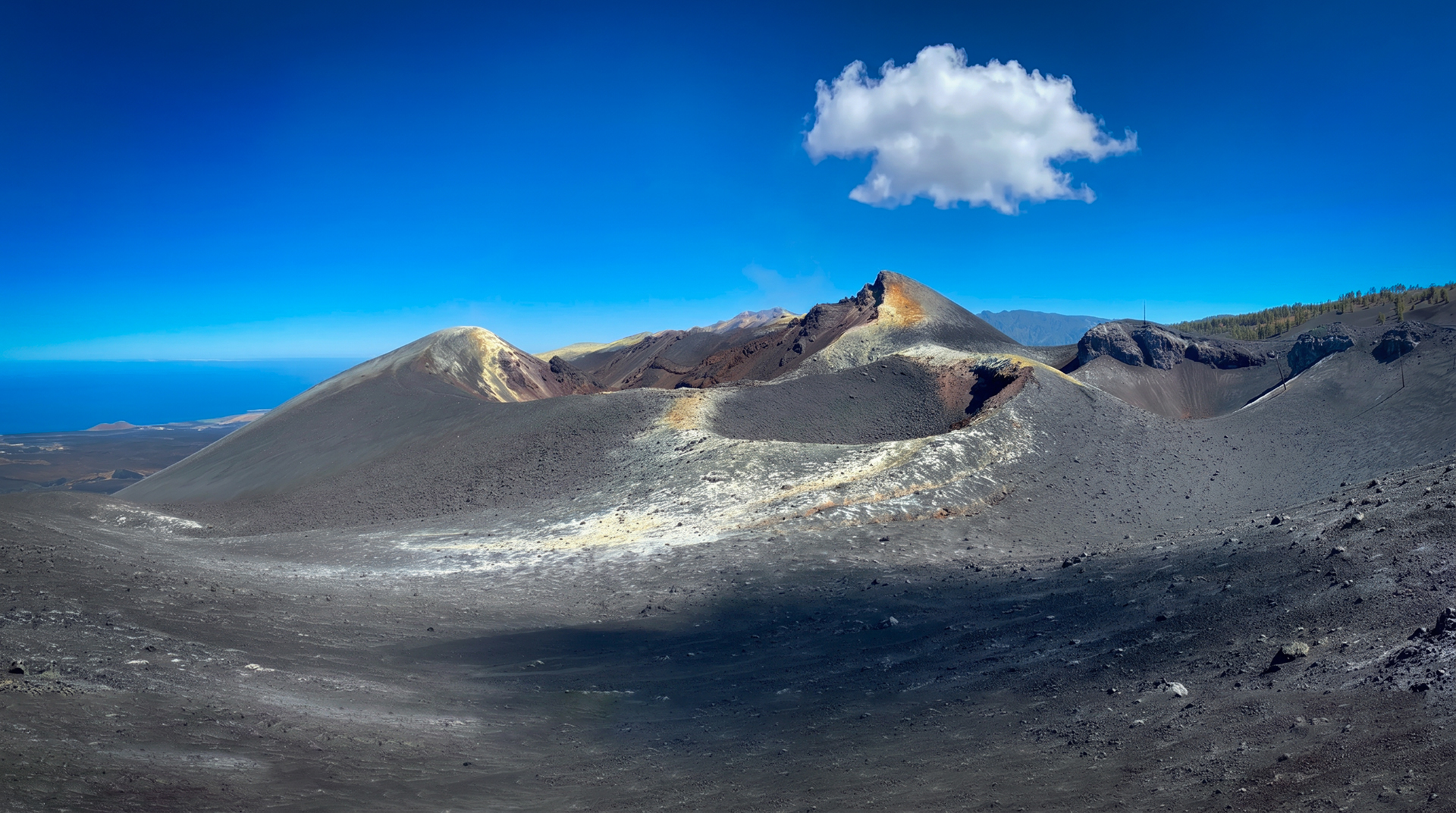
New land formed during the 2021 eruption: raw black basalt in dramatic textures, a new coastline, and the Tajogaite cone itself. Walking here is walking on the most recently created solid ground in Europe.
Best Spots:
The Mirador de Las Hoyas offers the perfect overview of the lava field and the new volcanic cone. Those wanting to get close to the solidified lava can walk along the designated paths between Tajuya and Jedey.
4. Balcones Típicos – The Symbol of the Capital
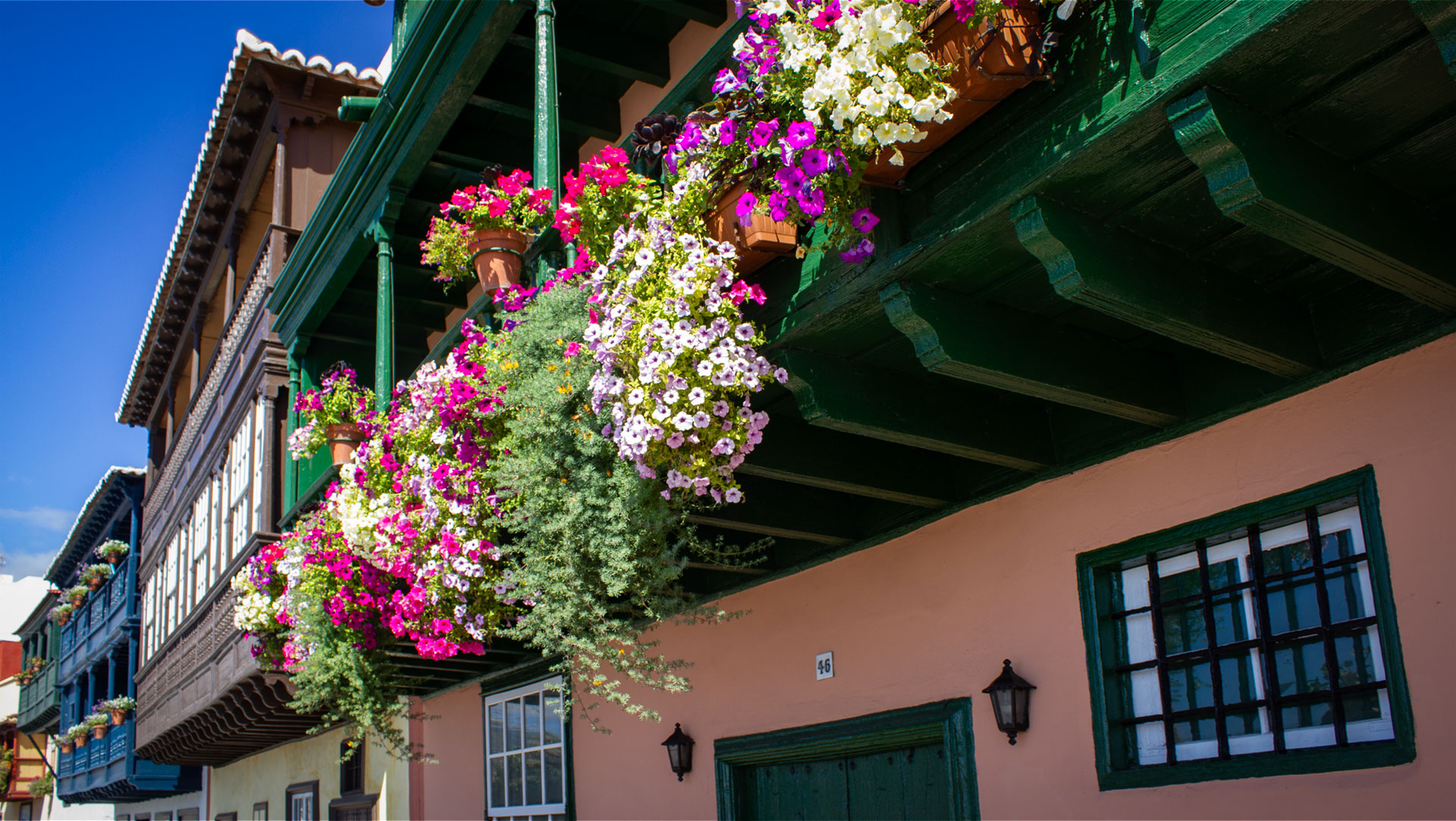
The ornate carved wooden balconies of Santa Cruz de La Palma’s historic Calle Real are the island’s most recognisable architectural motif and one of the finest examples of Atlantic vernacular architecture anywhere. Best seen in morning light.
5. Los Tilos – UNESCO Laurel Forest
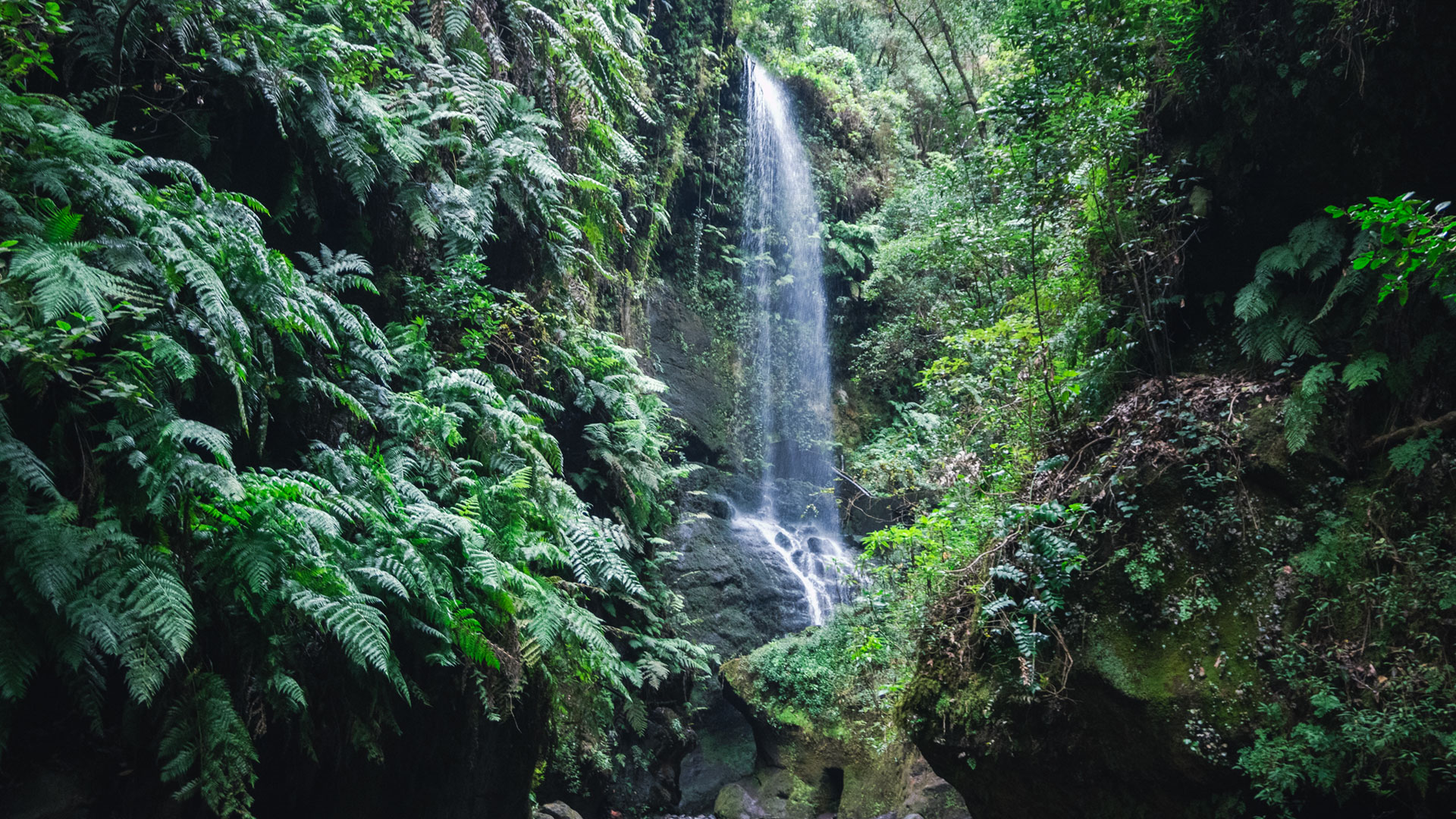
One of the last remaining ancient laurisilva forests in Europe, recognised as a UNESCO Biosphere Reserve since 1983. The trail into the ravine passes fern-covered walls, emerald-green moss, and a waterfall at the end – one of the most atmospherically complete forest walks in the Atlantic islands.
On-Site Highlights:
The spectacular yet easily accessible Cascada de los Tilos waterfall is just a few minutes’ walk from the visitor centre. The more adventurous can hike through 13 rock tunnels to the Marcos and Cordero springs.
6. Fuencaliente – Lighthouses and Saltpans
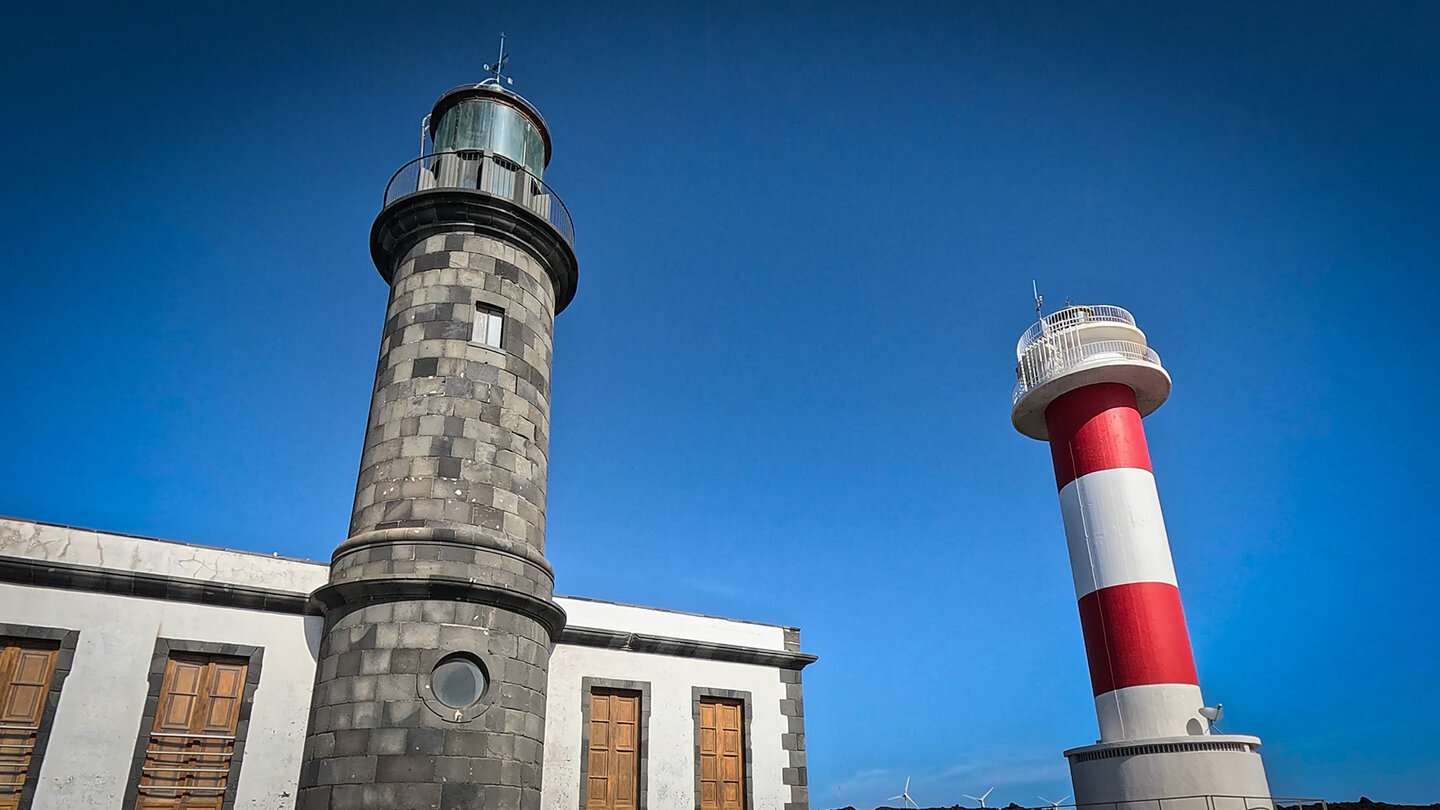
The southern tip of the island: two lighthouses (one half-buried in lava), the hand-harvested Teneguía salt flats, the 1971 Teneguía volcano cone, and small black sand beaches. One of La Palma’s most photogenic and geologically rich areas.
Food Tip:
At the Restaurante Temático El Jardín de la Sal, right beside the saltpans, you can taste the hand-harvested salt (Flor de Sal) and local wine at a spectacular sunset.
7. Marcos y Cordero – Springs in the Ancient Forest
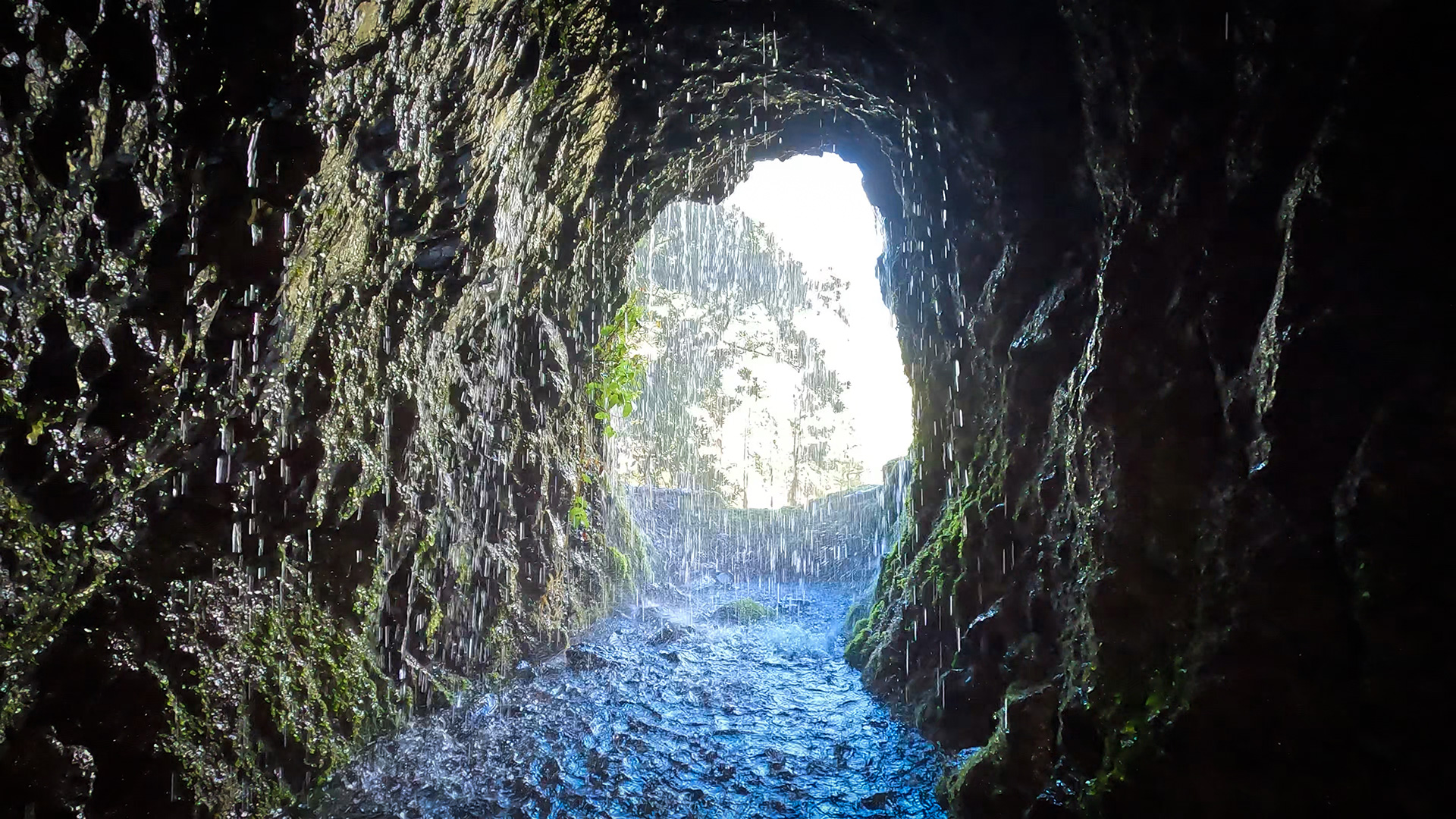
Thirteen tunnels, a historic irrigation system, and the two namesake springs Marcos and Cordero make this one of the most extraordinary hikes on the island. A torch is essential.
Tour Essentials:
A head torch and a waterproof jacket are absolutely essential – water drips from the ceiling inside the tunnels.
8. Porís de Candelaria – The Pirate Cove
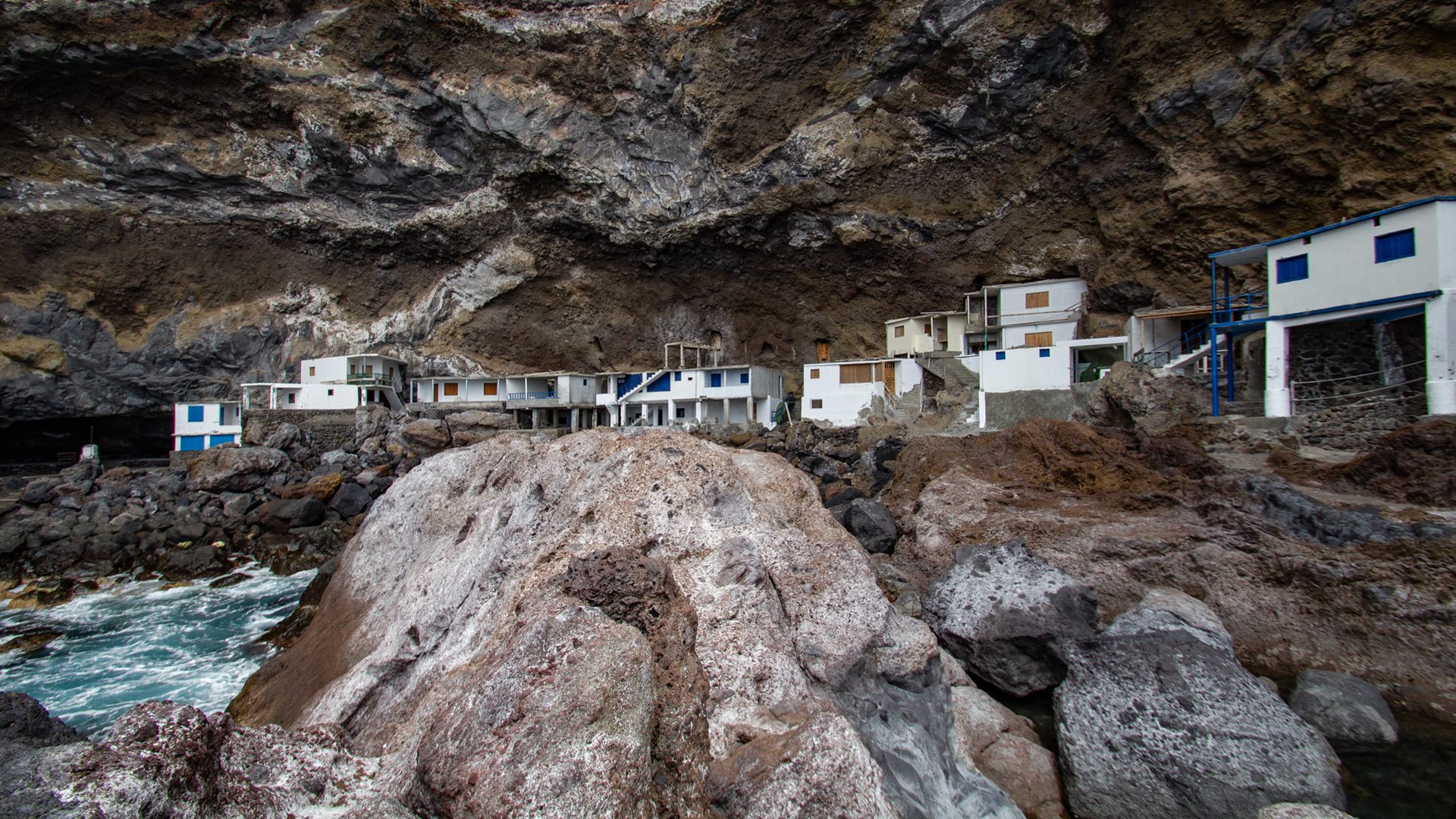
A vast natural rock dome directly on the sea, inside which locals have built their weekend homes. Accessible only by boat or via a steep footpath. One of the most extraordinary and memorable places on the Canarian Atlantic coast.
Getting There:
Accessible via a narrow, steep road followed by a footpath, or more comfortably as part of a boat tour from the harbour at Tazacorte.
9. Ruta de los Volcanes – Volcano Ridge Walk
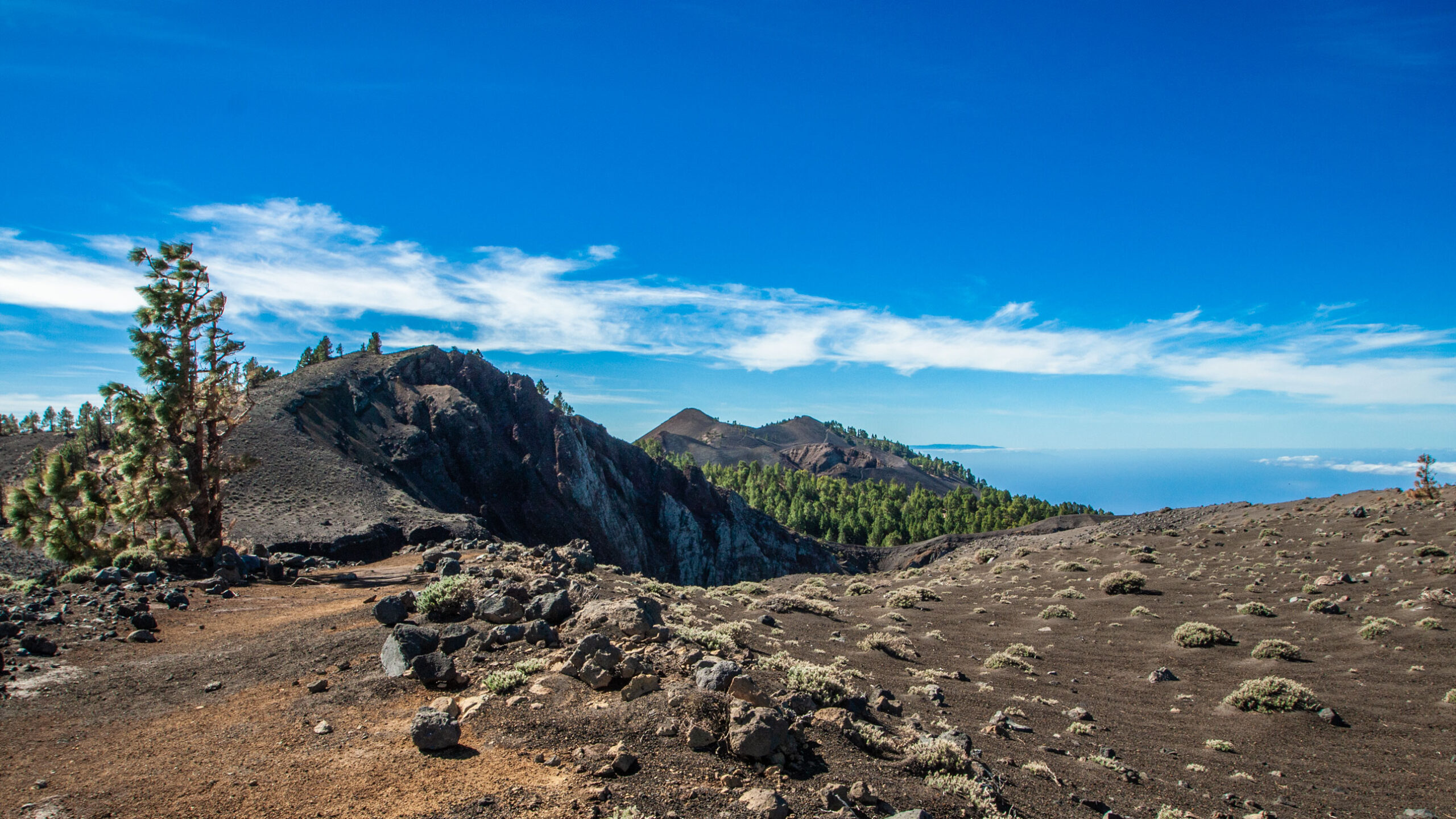
18.7 km along the volcanic spine of the Cumbre Vieja, over cooled craters, lapilli fields, and black ash plains. One of the finest hikes in the entire Canary Islands – an absolute must for experienced hikers.
Note:
There is almost no shade and no water sources on the Cumbre Vieja. Ankle-high hiking boots, wind protection, and at least 2–3 litres of water per person are essential.
10. Santa Cruz de La Palma – The Most Beautiful Old Town
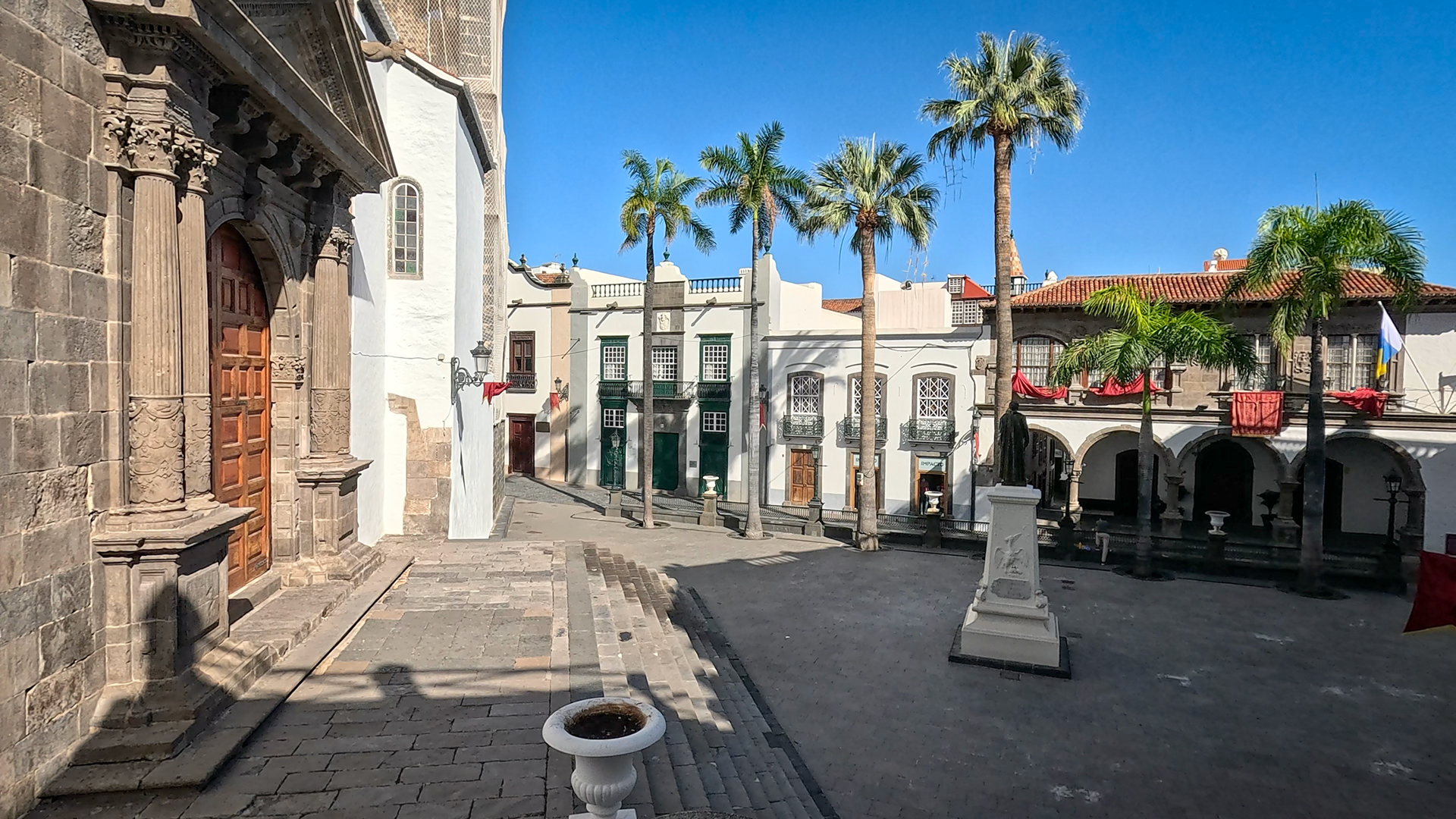
Founded in 1493 and for a time the third-largest port of the Spanish empire. Renaissance town hall, Iglesia de El Salvador with its Gothic portal, a replica of the Santa María (Museo Naval), and the Balcones Típicos. An old town of a preservation standard rarely found in Europe.
Worth Seeing:
The magnificent Renaissance town hall on the Plaza de España, the Iglesia de El Salvador, and a full-scale replica of Columbus’s flagship Santa María (now housing the maritime museum).
11. Barranco de las Angustias – The Canyon
The only outlet of the Caldera: a perennial mountain stream that flows through a ravine with basalt walls up to 2,000 m high to the sea. Pillow lava formations on the canyon walls – the visible foundation of the island.
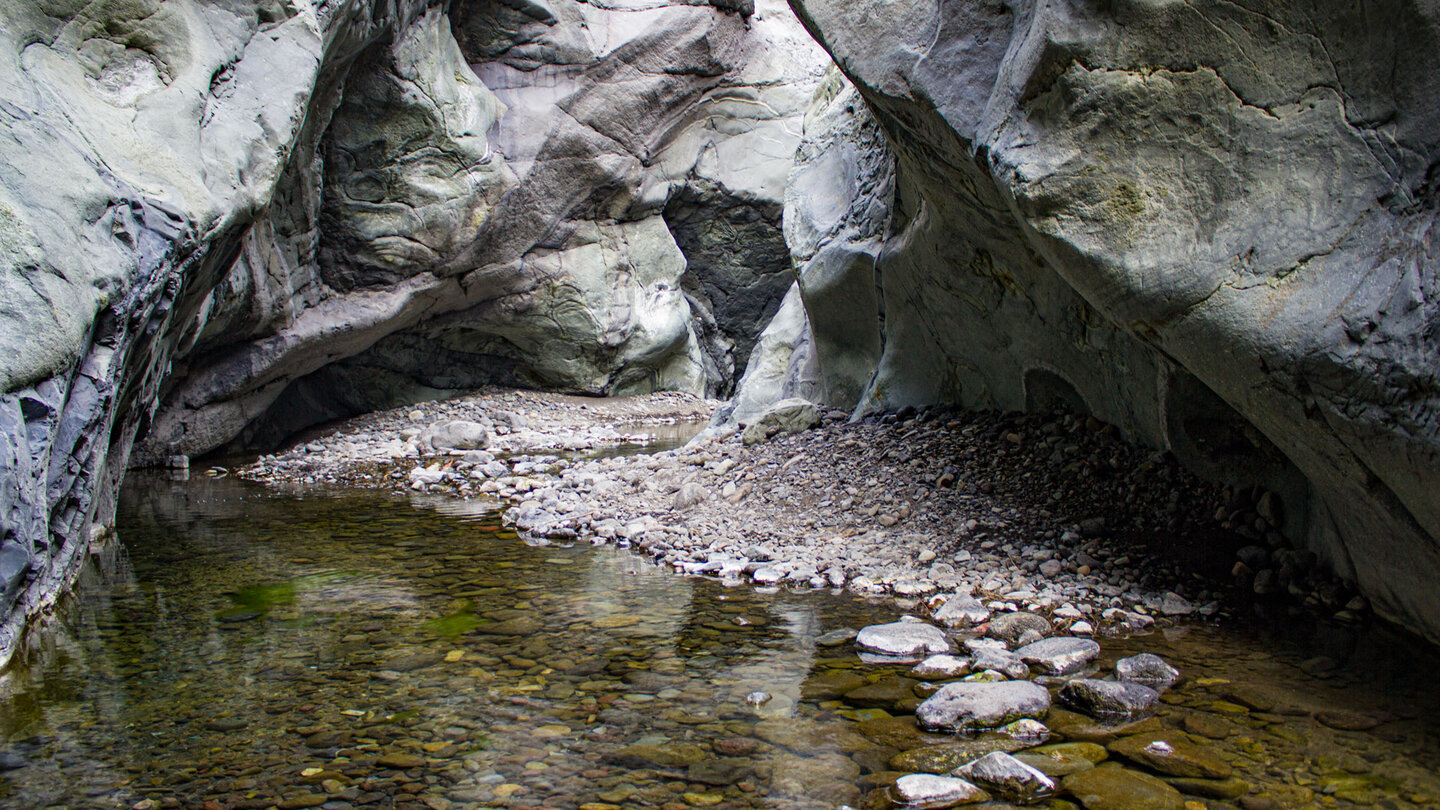
Geological Feature:
Here, impressive formations of pillow lava millions of years old are exposed – created on the ocean floor and brought to the surface by the island’s volcanic uplift.
12. Stargazing & Dark Skies – Europe’s Darkest Nights
La Palma is among the best places in Europe for stargazing. The Sky Protection Law (Ley del Cielo) protects the island from light pollution and ensures exceptionally dark nights.
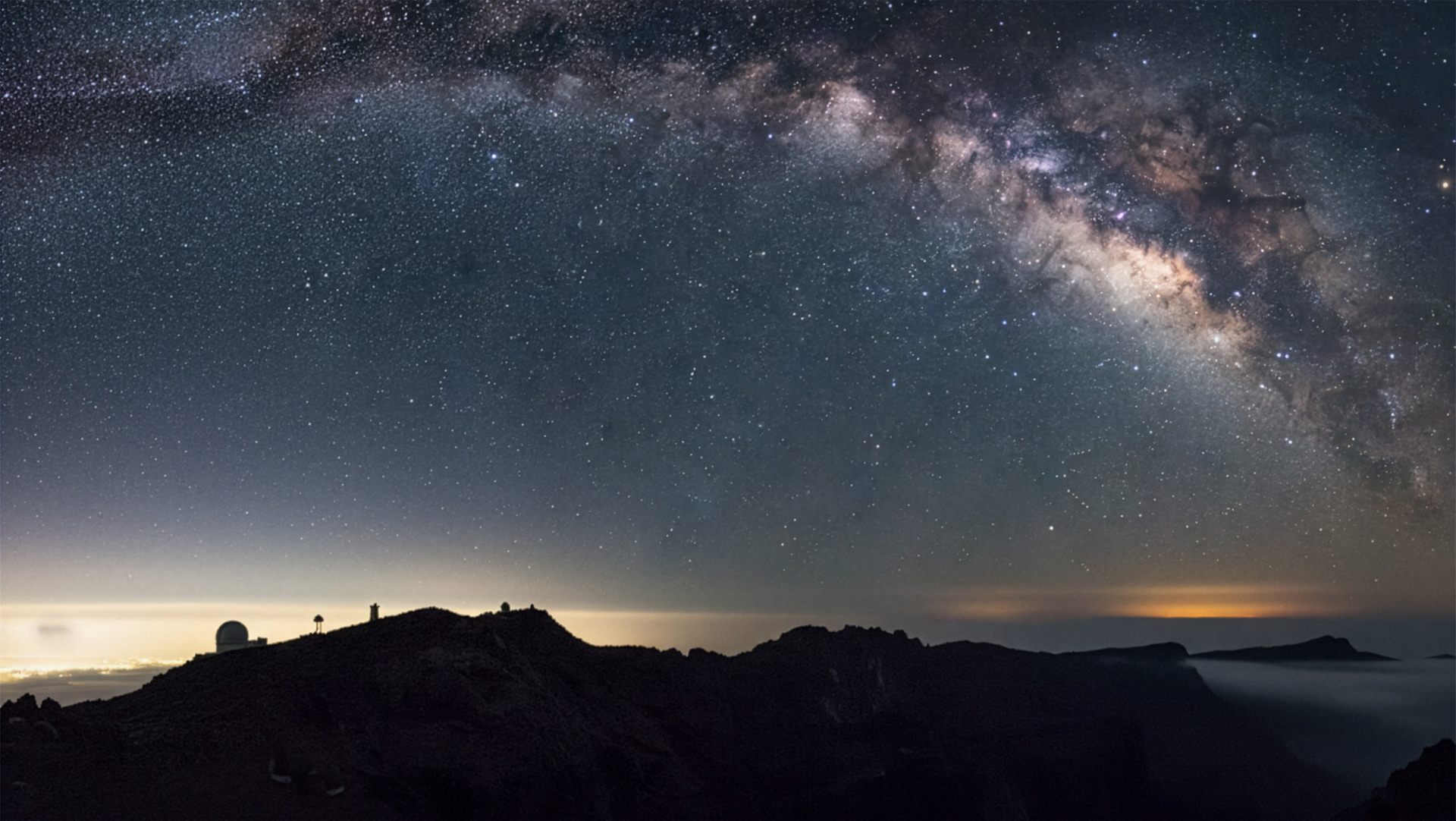
Experience Tip:
As the Roque de los Muchachos summit is closed at night, the freely accessible Miradores Astronómicos scattered across the island (such as Llano del Jable or Pico de la Cruz) offer fantastic conditions for your own stargazing.
13. Tajinaste in Bloom – A Botanical World Wonder
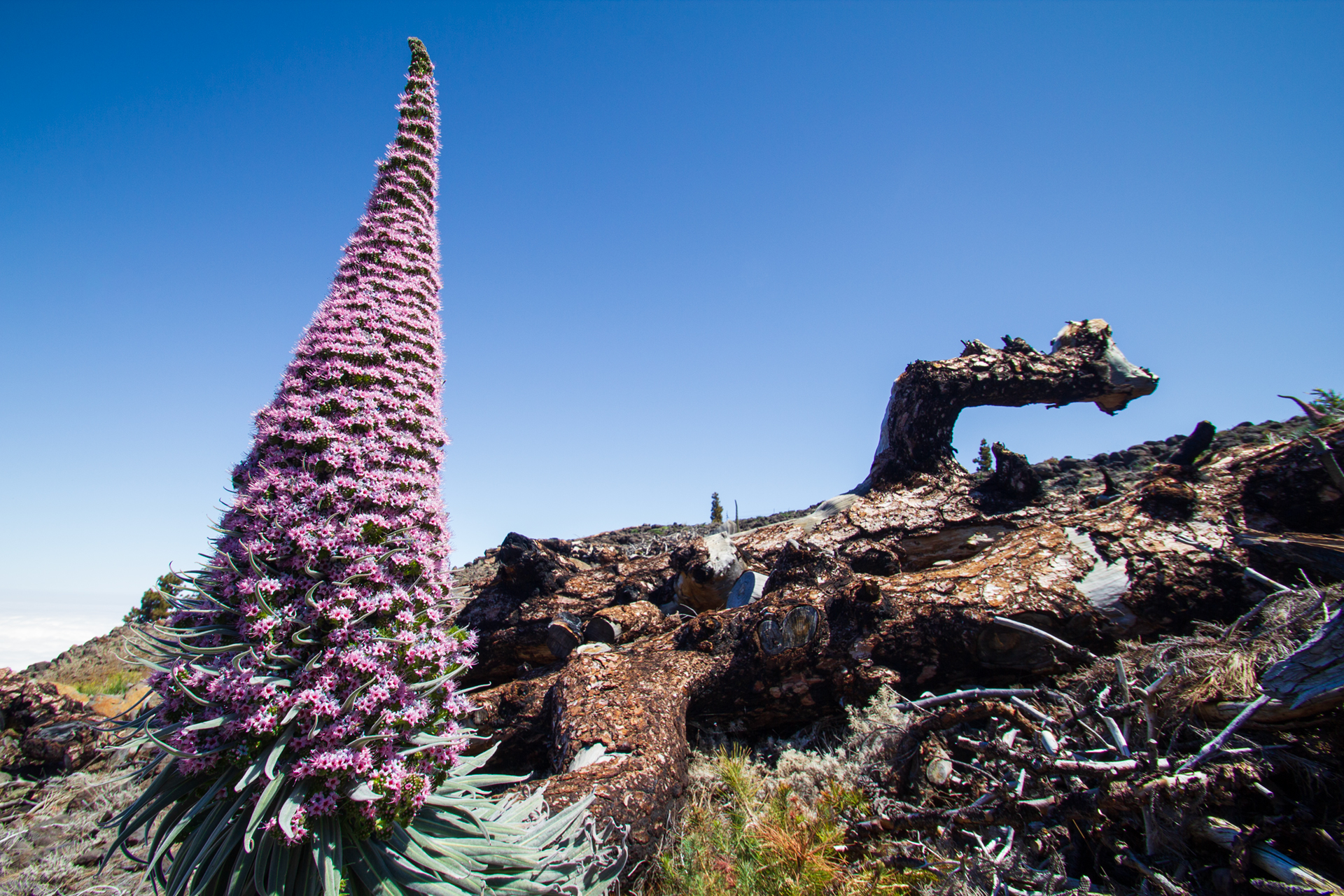
From May to June, three tajinaste species bloom on La Palma – two of them found nowhere else in the world. The Tajinaste rosada (pink), the Pininana (blue-violet, up to four metres tall), and the rare Tajinaste azul de la cumbre transform the high-altitude slopes around the Roque into an unparalleled display of colour in the Canary Islands.
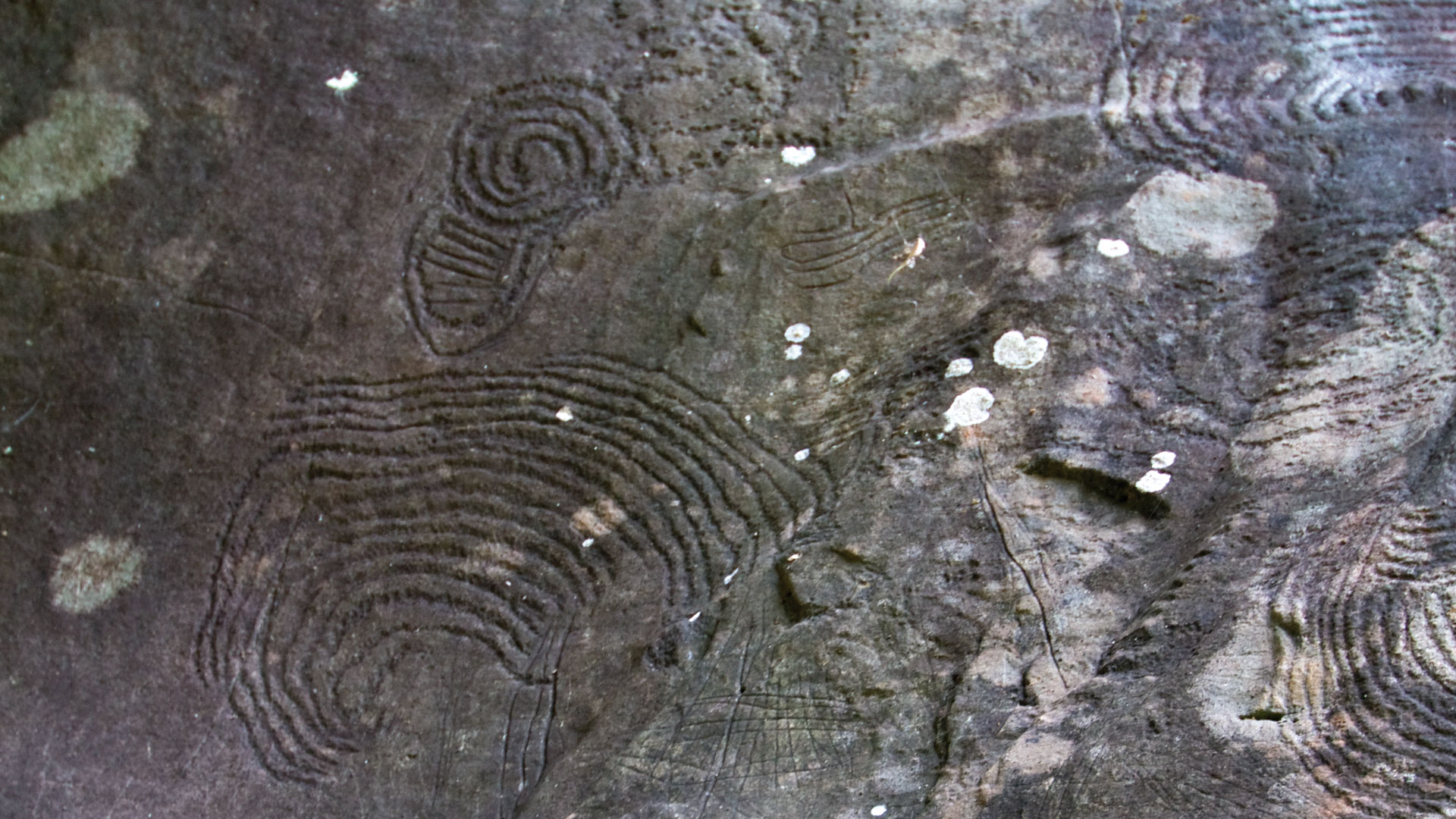
14. La Zarza y La Zarcita – Benahoarite Petroglyphs
The most significant archaeological sites in the Canary Islands: rock engravings by La Palma’s indigenous people, carved into rock at 1,000 metres altitude in the laurel forest of Garafía. 47 panels with spirals, circles, and meanders – not yet fully deciphered.
15. Cueva Bonita – Sea Cave in Shifting Light
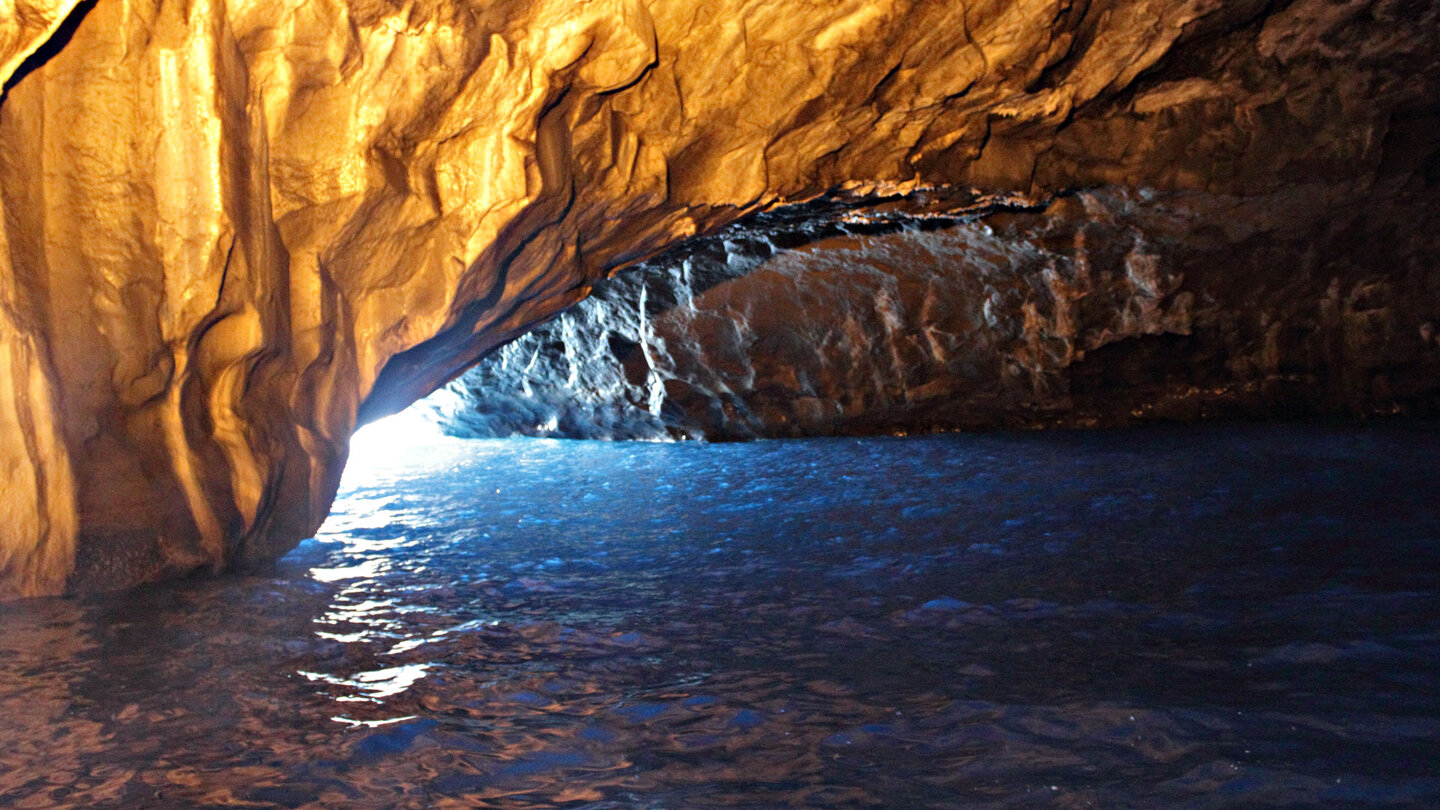
Accessible only by boat: the Cueva Bonita on the west coast is one of La Palma’s most extraordinary natural experiences. In the afternoon, the sun falls low enough into the sea cave for the reflected water to cast fascinating patterns of light onto the mineral-rich rock walls.
Combining the Highlights
The 15 highlights can be combined into varied day trips:
- The Caldera Day: Morning drive to the La Cumbrecita viewpoint, then a hike through the Barranco de las Angustias.
- The Summit & Sea Day: Early morning to the Roque de los Muchachos for sunrise, afternoon boat trip to the Cueva Bonita from Tazacorte harbour.
- The Culture & Food Day: Morning walk through Santa Cruz (including Balcones Típicos), afternoon drive to Fuencaliente (saltpans & lighthouses) with dinner by the sea.
- Wild North Day: Visit the petroglyphs at La Zarza, followed by a walk in the jungle-like laurel forest of Los Tilos.
How Many Days Should You Stay?
- 7 days: Ideal for experiencing all 15 highlights at a comfortable pace.
- 5 days: The essential must-sees (Caldera, Roque de los Muchachos, Tajogaite lava field, Santa Cruz, Fuencaliente, Los Tilos, Porís de Candelaria, and a starlit night).
Frequently Asked Questions (FAQ)
Which sights are the absolute highlights of La Palma?
Can you visit the main sights without long hikes?
How many days should you allow for La Palma's highlights?
This article is based on the on-the-ground knowledge of the Gequo editorial team – publishers of the Reisezeit hiking guides and operators of Sunhikes.com. Last updated: May 2026