Vino de Tea – The Wine That Smells of Pine Forest
There are wines that leave no room for indifference. Vino de Tea is one of them. For some it is the most singular wine experience in the Canaries — a journey into an aroma world that exists nowhere else. For others it is too resinous, too strange, too far from anything recognizable as wine. Both reactions are valid. What is not valid: having visited La Palma without at least trying it.
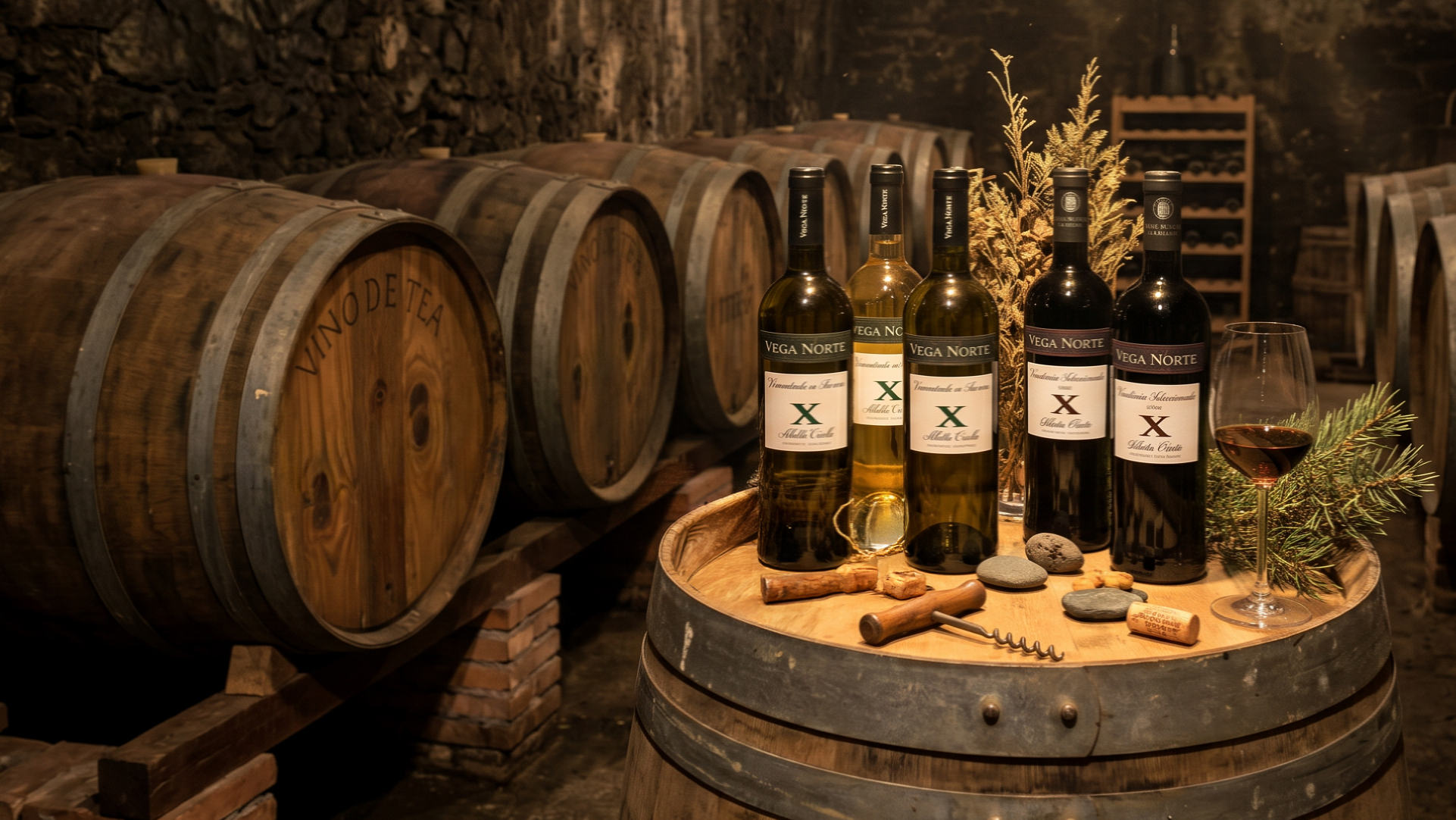
Its name reveals its defining feature: tea, the resin- and terpene-rich heartwood of the Canarian pine (Pinus canariensis). Traditionally, winemakers on La Palma stored their wine in casks made from this wood — not out of choice, but because it was the resource at hand. The result was a wine that tasted of pine forest, so distinctive that the tradition survived. The resin-rich heartwood of the Canarian pine (Tea) is now protected by law; the historic casks are carefully maintained and passed down through generations.
How It’s Made – and Why It’s Unique
Canarian pine produces an exceptionally resin-rich heartwood. The terpenes and resins of this wood dissolve into the wine and fundamentally transform its aroma profile. This is nothing like a typical barrique finish with vanilla or oak notes; instead, you get pine resin, crisp forest air, and hints of wild herbs. A wine that is as geographically precise as a set of coordinates.
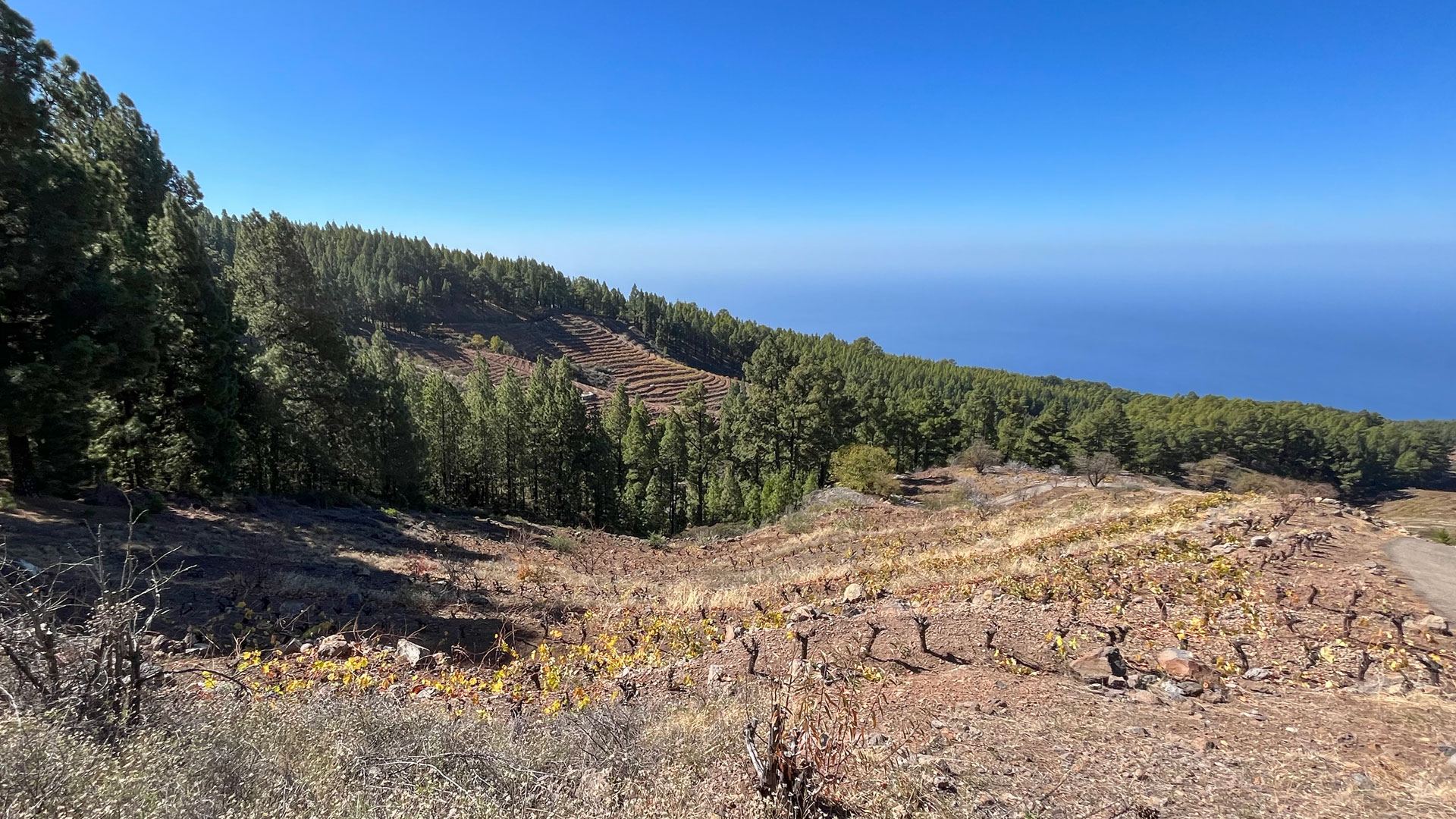
Vino de Tea originates from La Palma’s northwest, with its heartland in Garafía. However, vineyards in Puntagorda and Tijarafe are also part of this traditional D.O. La Palma growing area. On steep volcanic slopes grow varieties such as Negramoll and Albillo Criollo, from which this extraordinary wine is made. It is not an export product, not a standard restaurant wine. It is what people in the north and west drink.
Flavour and How to Approach It
On the palate, Vino de Tea features prominent pine resin (the standout feature rather than a subtle background note), wild herbs, dry woody undertones, and occasionally a hint of menthol sweetness. Acidity is medium, alcohol typically 12–13%, tannin structure varies by method.
Recommended for a first encounter: alongside a goat’s cheese from Garafía. The combination of aged curado cheese and the resinous, tannic wine creates something that can only be described as “terroir on a table” — two products of the same soil, reinforcing each other. This is the moment you understand why Vino de Tea exists on La Palma.
Where to Find Vino de Tea
- Bodegas Noroeste de La Palma (Garafía): The most direct place to buy at the source. Particularly notable is the award-winning Vega Norte Vino de Tea.
- Local markets: E.g. at the Sunday market in Santo Domingo de Garafía, occasionally direct from the producer.
- Supermarkets & specialist shops: Well-stocked HiperDino branches (e.g. Los Llanos, El Paso, Santa Cruz) and local wine shops reliably carry Vega Norte.
Frequently Asked Questions (FAQ)
Why does Vino de Tea taste of resin?
Is Vino de Tea a red or white wine?
Where can I buy Vino de Tea on La Palma?
Why aren't new Tea casks being made?
Is Vino de Tea a wine for beginners?
What food pairs best with Vino de Tea?
This article is based on the on-the-ground knowledge of the Gequo editorial team – publishers of the Reisezeit hiking guides and operators of Sunhikes.com. Last updated: May 2026