Franceses & Gallegos: La Palma’s Forgotten North Coast
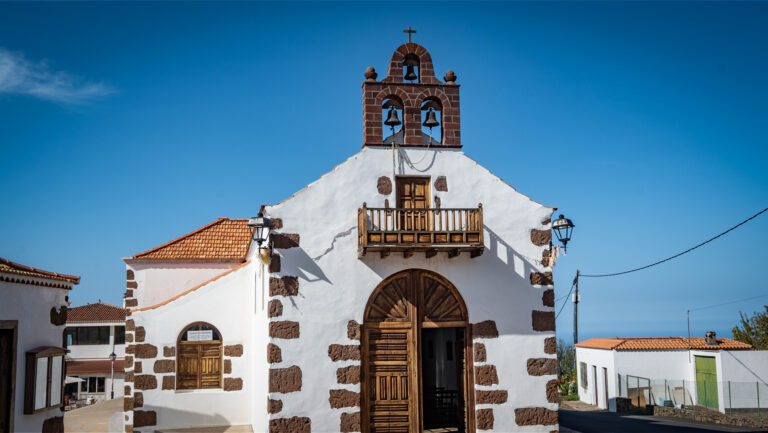
There are places on La Palma that lie far from the well-known tourist destinations. Franceses and Gallegos are among them. The two small hamlets on the wild north coast of the municipality of Garafía are connected by the historic Camino Real, now part of the GR-130 long-distance hiking trail. Long before roads reached these remote settlements, this royal road ran through the deep ravines of the north. Those who come here seek the original side of La Palma — either on foot or in a compact rental car.
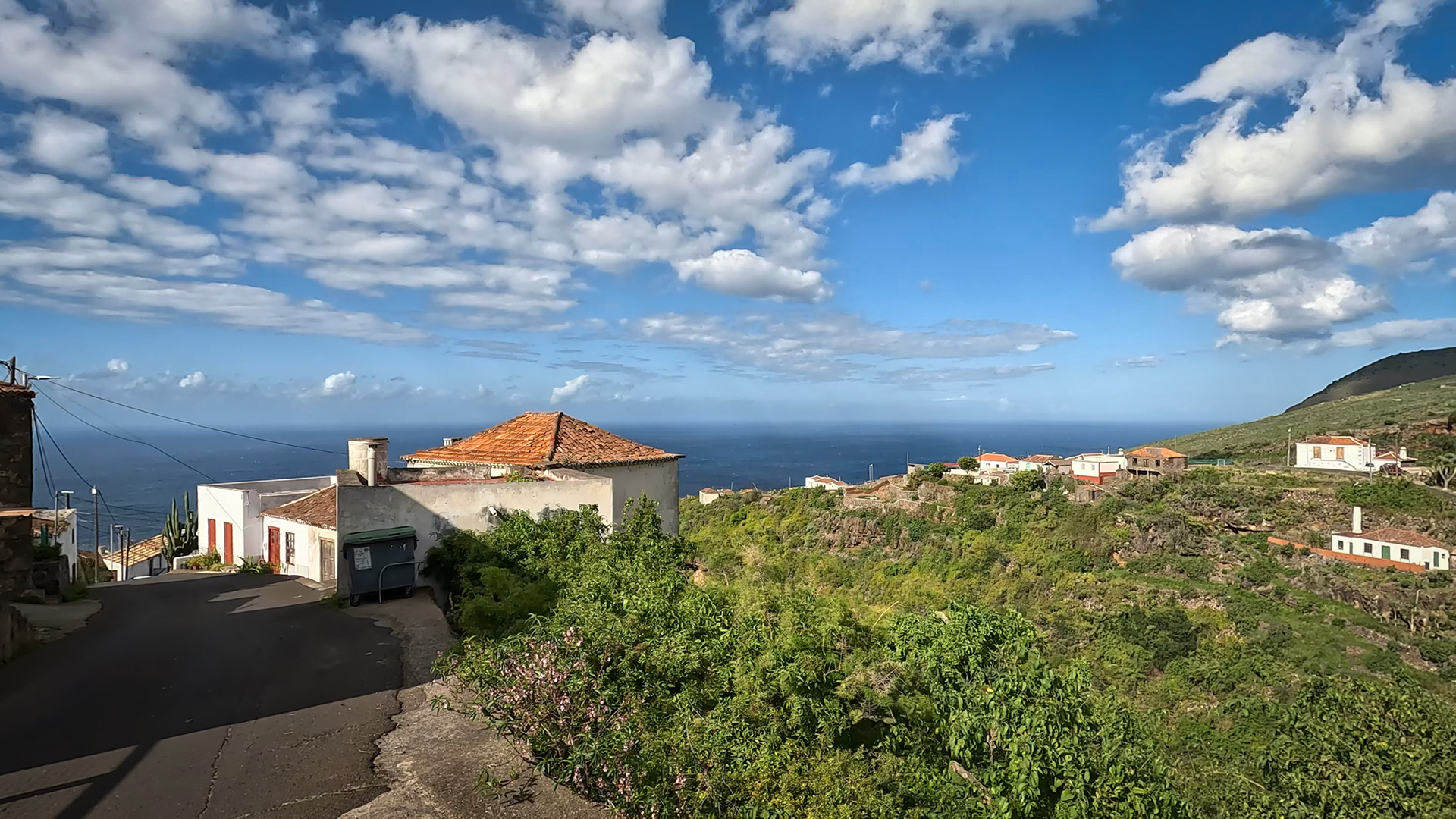
Only a few people still live in the two secluded hamlets today. What remain are traditional gardens, historic houses, and a landscape that has preserved its authentic character. The typical tea-wood houses in particular give Franceses and Gallegos their unmistakable appeal.
The Tea-Wood Houses
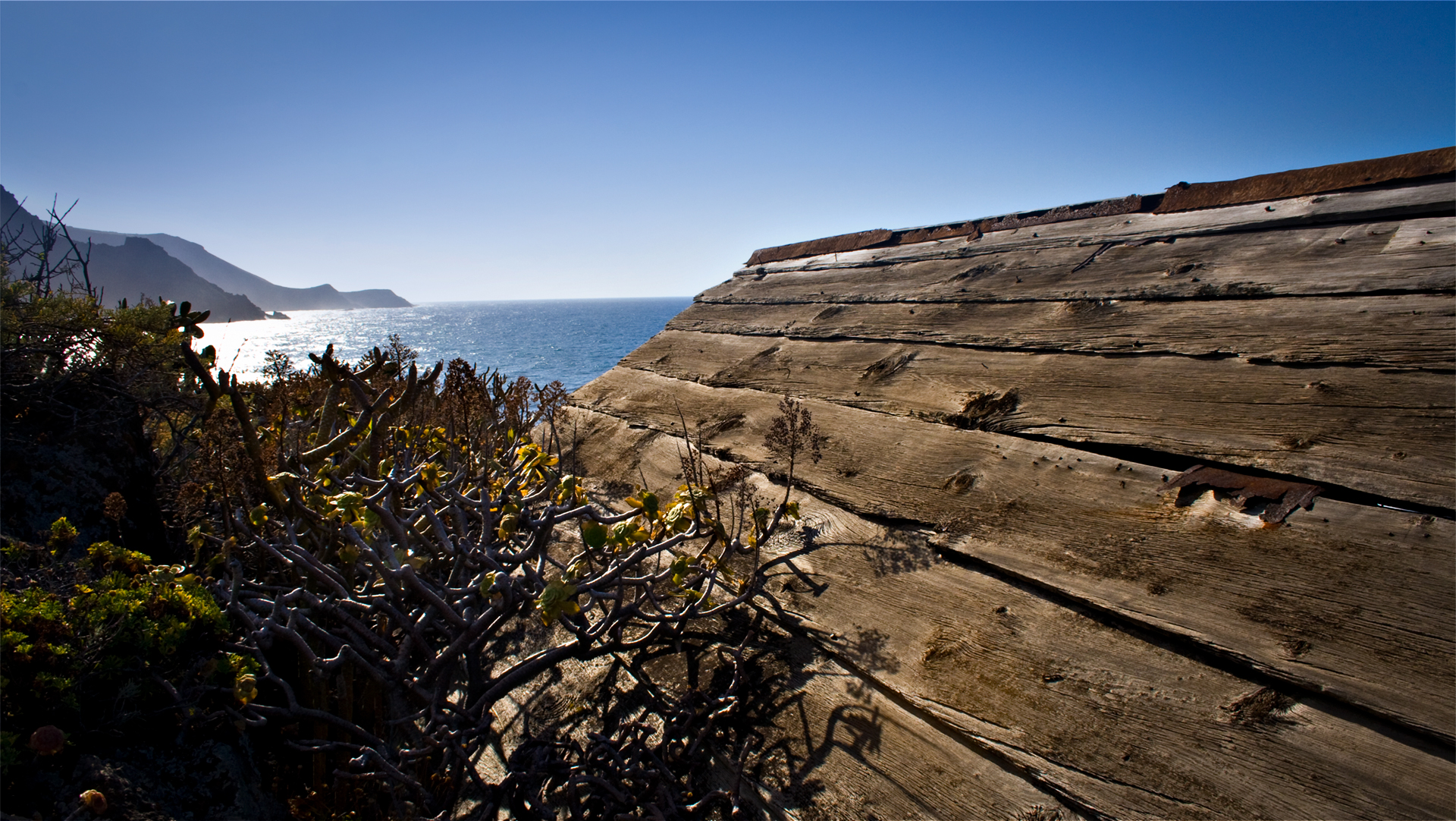
The historic houses in Franceses and Gallegos rank among La Palma’s architectural highlights. Many roofs are covered with tejuelas, traditional wooden shingles made from the resin-rich heartwood of the Canarian pine (tea). The shingles are applied in overlapping layers, forming an extraordinarily weather-resistant roof covering. Thanks to the high resin content, the wood swells slightly when wet, sealing the roof reliably against rain and wind. Over the decades, tea wood takes on its characteristic dark brown to almost black colour, standing firm even against the damp trade winds of the north.
Hiking Through the Ravines
From Barlovento, an impressive hike leads via the Mirador La Tosca to Gallegos. Along the way, you pass through the largest contiguous dragon tree forest on La Palma. Unlike the dragon trees at Las Tricias, the stand near La Tosca feels distinctly more primeval — the path is lined with ferns and mosses.
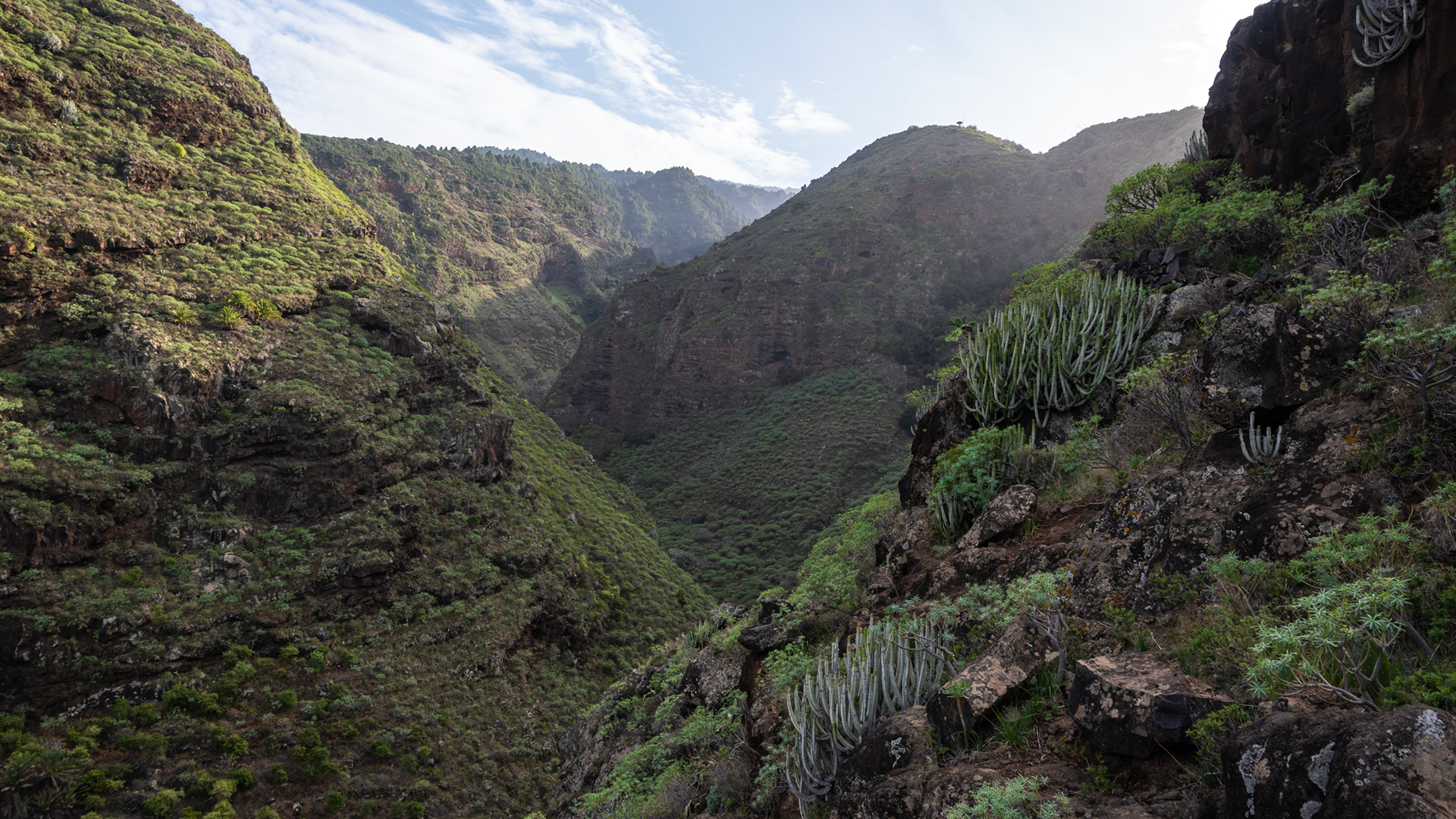
From Gallegos, the historic Camino Real (GR-130) continues to Franceses. The 2-to-3-hour section involves crossing the deep gorge of Barranco de Franceses from rim to rim. A long, steep descent is immediately followed by a demanding uphill climb. Sure-footedness, good fitness, and sturdy footwear are essential.
Local Bars and Provisions
Franceses and Gallegos are still shaped by traditional village life today. Small víveres — typical Canarian corner-shop-cum-bars — occasionally stock drinks, simple snacks, and daily essentials. They tend to open for just a few hours in the morning and evening and often close during midday. Those planning a hike or spending the afternoon in the hamlets should bring enough water and provisions. A wider selection of restaurants and shops can be found along the LP-1 or in the surrounding towns.
Conclusion
Franceses and Gallegos are among the most unspoiled places on La Palma. Those seeking the untamed north coast, historic royal roads, and traditional villages off the tourist trail will find a landscape that has preserved its authentic character to this day.
Frequently Asked Questions
How do you get to Franceses and Gallegos?
What makes the houses in Franceses and Gallegos special?
Are there places to eat or shop?
This article is based on the on-the-ground knowledge of the Gequo editorial team – publishers of the Reisezeit hiking guides and operators of Sunhikes.com. Last updated: May 2026