Gofio – The Food That Is Older Than La Palma’s History
Before wine was cultivated on the slopes of La Palma, before sugar cane and later corn reached the island, and long before the banana became its emblem, gofio was already a staple. The Benahoaritas, La Palma’s indigenous people, originally made gofio from roasted barley and other available grains. Only after the Spanish conquest did corn from the Americas arrive in the Canaries, gradually becoming the most common base for the gofio still widely eaten today.
Today, gofio is back on the menus of modern Canarian restaurants and in the kitchens of young chefs — not because retro is in vogue, but because it is genuinely delicious.
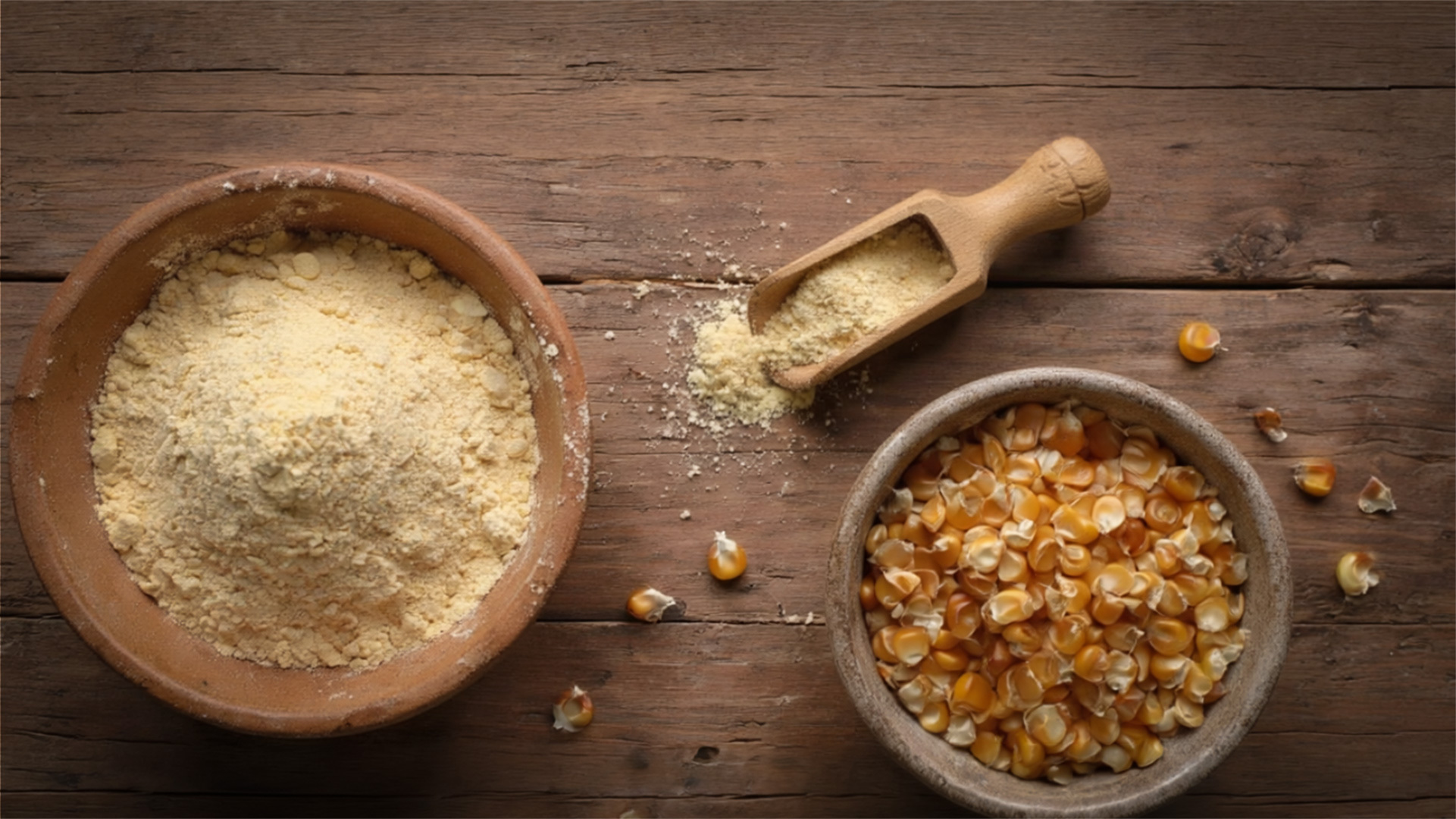
The secret is in the roasting. Gofio is not simply cornflour or wheat flour — it is roasted grain flour. This step gives it a nutty, caramelized flavour profile unlike any other flour. You taste the rich roasted notes, you taste the grain, you taste something found in this form only in the Canaries.
How Gofio Is Eaten – The Variations
Gofio con miel de palma – the original breakfast
Gofio stirred with a little water or goat’s milk into a thick porridge, sweetened with Miel de Palma. This is the breakfast of La Palma’s mountain farmers — and it is more nourishing, filling and satisfying than any supermarket muesli. In the small bars of the mountain villages (Garafía, Tijarafe) it can still be found as a morning staple.
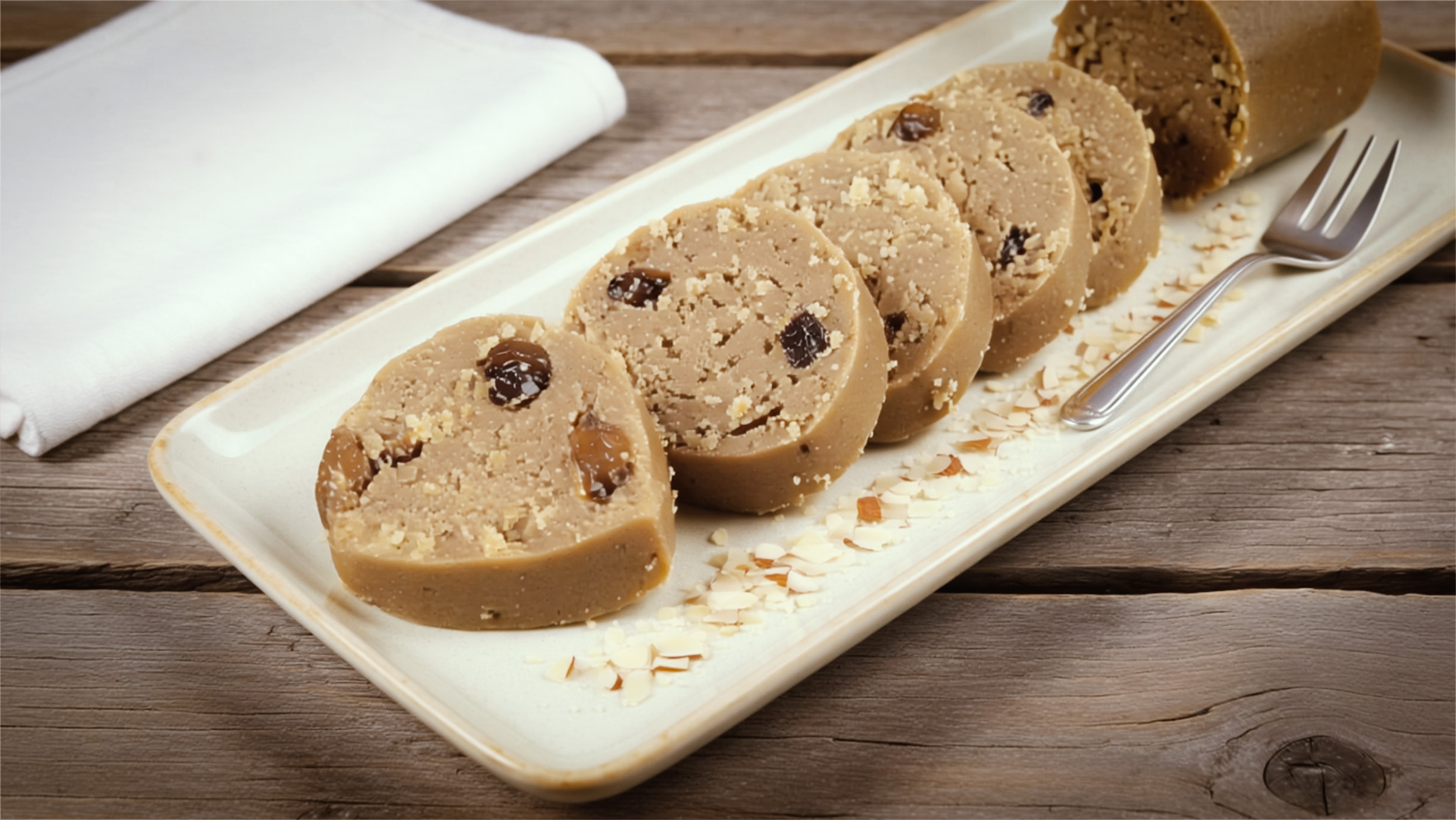
Gofio escaldado – with fish soup
Classic accompaniment to fish dishes: gofio is whisked into hot fish broth, sometimes with onions and garlic, until it forms a creamy, warm mass. The texture is somewhere between polenta and semolina, the flavour nutty with the richness of fish stock. In the coastal restaurants of the northeast, the traditional companion to vieja soup.
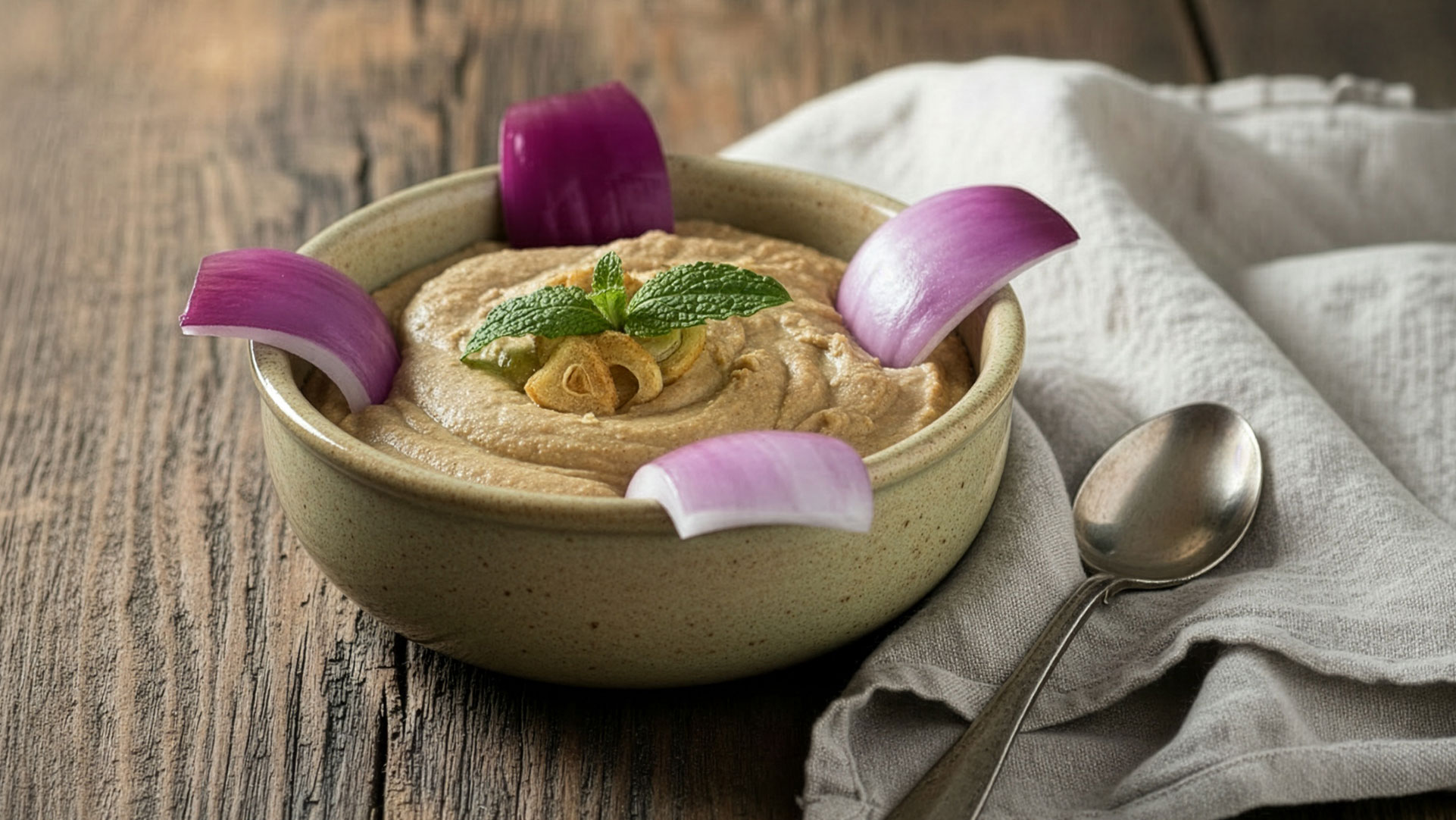
Gofio in Desserts – The Modern Use
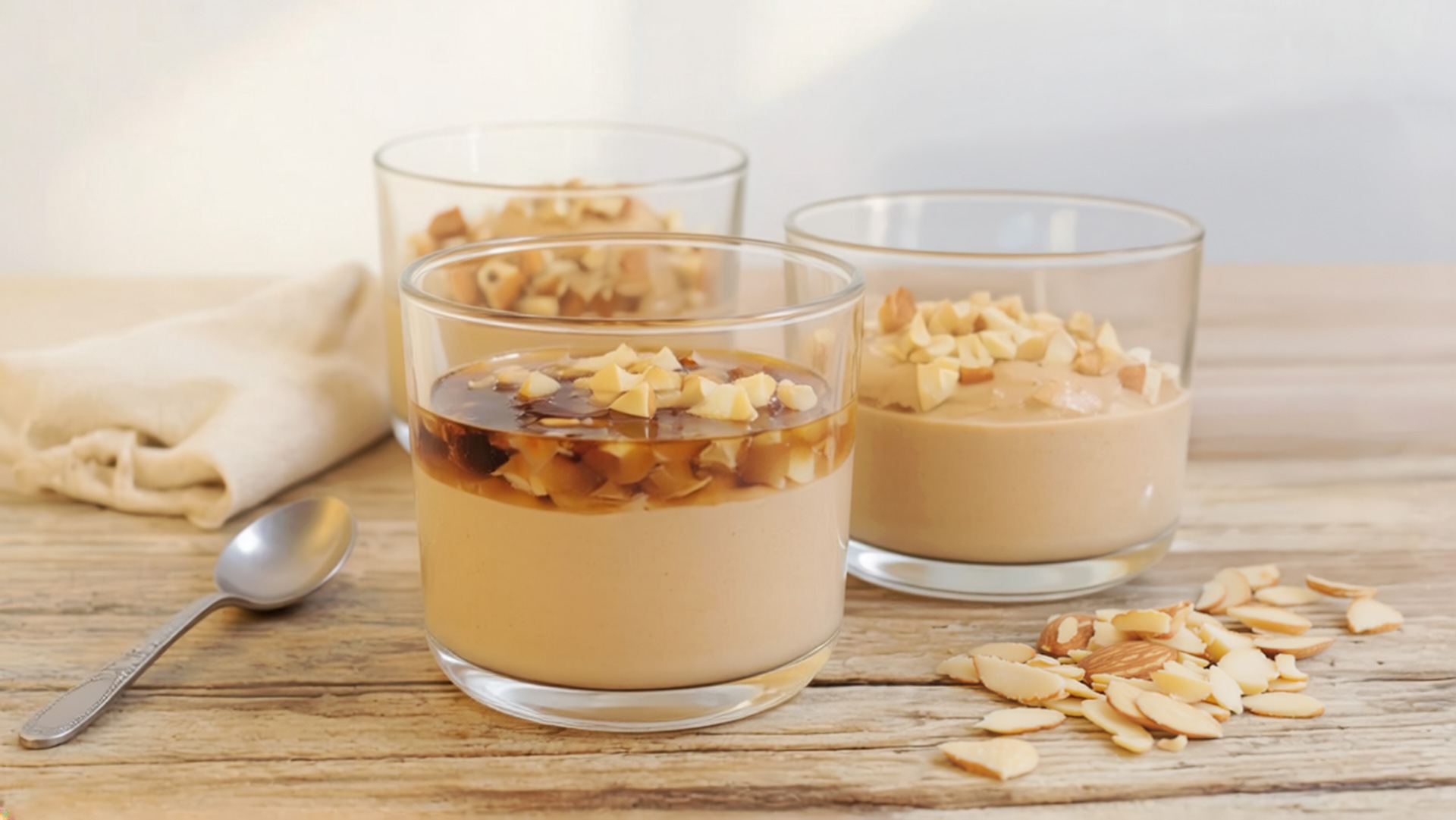
Gofio mousse, gofio ice cream, gofio cream as a base for bienmesabe or as a pudding with honey and cinnamon. Modern Canarian kitchens have discovered that the nutty-caramel flavour of gofio gives desserts a depth that ordinary flours cannot provide. In good restaurants on La Palma and throughout Canarian gastronomy, it has become a staple on the dessert menu.
Buying the Best Gofio
Stone-ground, slowly roasted: that is the quality marker. Industrial gofio is homogeneous and characterless. Artisan gofio has a coarser texture and a roasted aroma you smell immediately. On La Palma there are several smaller mills — the tourist office or the farmers’ markets can point you to current sources. In the supermarket: regional brands from local mills far outshine mass-produced versions.
Tip: The Best-Known Mills
- Molino de Gofio Las Breñas (Breña Alta) — legendary for traditionally roasted gofio.
- Molino de Gofio El Pasito (El Paso).
- Molino de Agua de Las Tricias (Garafía) — today a wonderful mill museum (Museo del Gofio) that perfectly explains how the Benahoaritas and later generations made gofio.
Frequently Asked Questions (FAQ)
Is gofio gluten-free?
What does gofio taste like?
Does gofio need to be cooked?
Why is gofio so popular in the Canaries?
Can I take gofio home as a souvenir?
Can gofio be used at home?
This article is based on the on-the-ground knowledge of the Gequo editorial team – publishers of the Reisezeit hiking guides and operators of Sunhikes.com. Last updated: May 2026