Safety & Infrastructure on La Palma 2026
For a small volcanic island, La Palma has excellent infrastructure. Roads are well maintained, the power and water supply is reliable, and the safety situation ranks among the best in the Canary Islands. That said, La Palma is a very mountainous island. Narrow mountain roads, rapidly changing weather at higher altitudes and a powerful natural environment are all part of everyday life here. Those who factor this in and plan their excursions carefully can explore the island in complete relaxation.
Roads and Driving
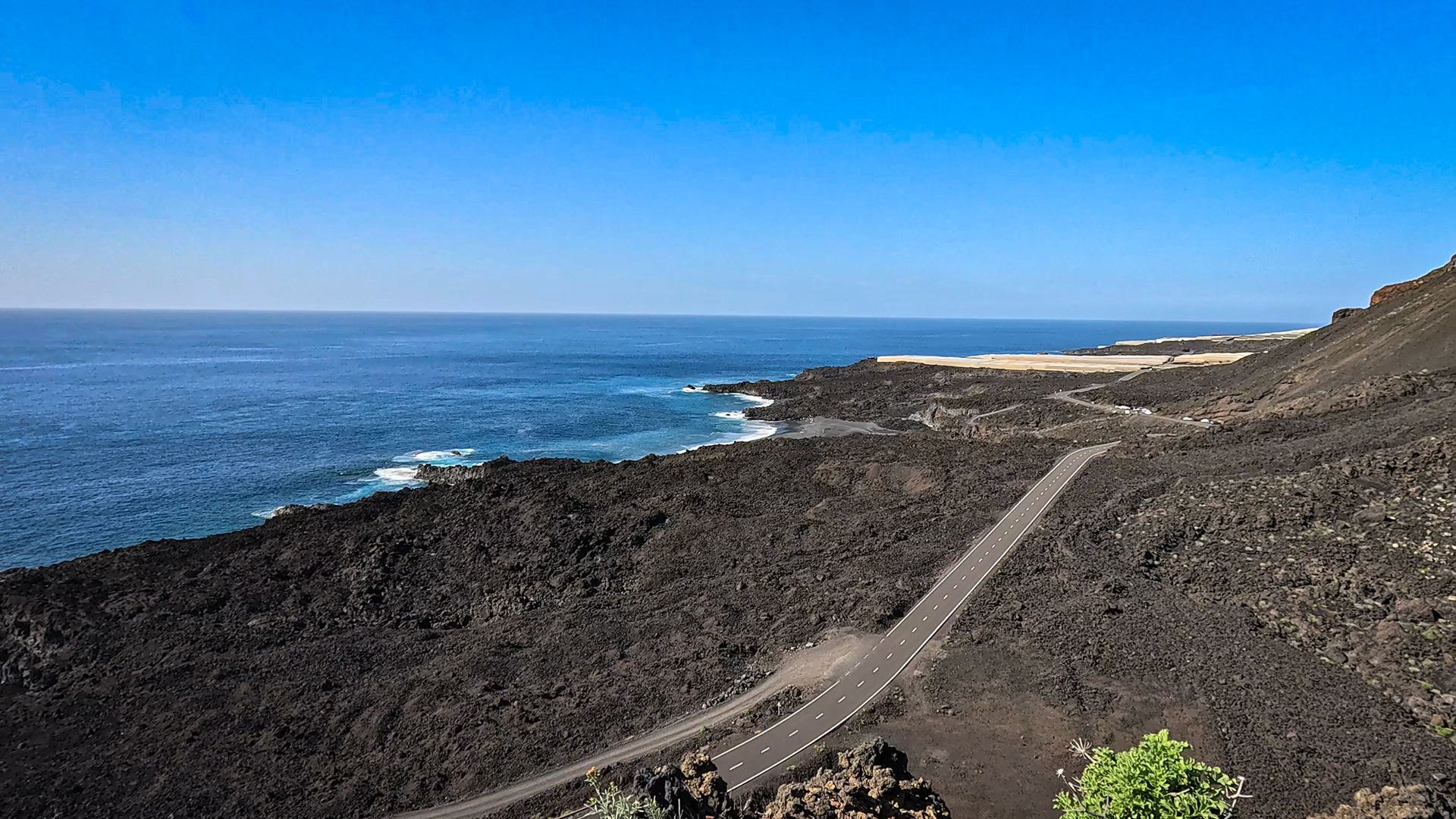
The road network on La Palma is in very good condition and reliably connects all towns and villages. The main roads – LP-1 in the north, LP-2 in the south and LP-3 linking the east and west coasts – are well built and easy to drive.
Once you leave the main roads, however, the routes become noticeably narrower, more winding and often very steep. In the mountains especially, allow plenty of time. A good rule of thumb: in the interior, expect around one hour for every 30 kilometres.
The Cumbre Tunnel between the east and west coasts deserves special attention. While the western side often enjoys bright sunshine, the eastern side can be wrapped in dense trade-wind fog. Always drive with dipped headlights in the tunnel, and in poor visibility switch on your fog lights and reduce your speed accordingly.
Drinking Water and Power Supply
Tap water on La Palma is of very high quality and can be drunk without concern in all towns and villages. It comes mainly from natural springs and reservoirs in the island’s interior. Anyone who wants to take water from streams in the Caldera de Taburiente while hiking should always filter or boil it first.
The power supply is equally reliable. La Palma uses 230V at 50Hz with European Type F (Schuko) plug sockets. Visitors from the UK, North America and some other countries will need a plug adapter. La Palma increasingly relies on renewable energy such as wind and solar power, and power outages are very rare – they occur mainly during severe winter storms in remote mountain areas.
Police and Emergency Services
Several law-enforcement agencies share responsibilities on La Palma:
| Agency | Responsibilities |
|---|---|
| Policía Local | Municipal police – handles local traffic, parking offences and noise complaints within each town. |
| Policía Nacional | National police – deals with general crime, theft, lost passports and visa matters (station in Santa Cruz). |
| Guardia Civil | Civil Guard – responsible for traffic on rural roads, countryside areas, and nature and coastal protection. |
| Bomberos & Ayuda | Fire brigade and rescue services – firefighting and complex mountain rescues following hiking accidents. |
Crime
La Palma is one of the safest regions in Spain, with an exceptionally low crime rate. Violent crime is virtually non-existent, and petty theft is significantly less common than on the larger Canary Islands.
That said, as anywhere, avoid leaving valuables on display in your hire car – especially at remote hiking car parks or viewpoints. If a theft does occur, you will need an official police report (“Denuncia”) from the Policía Nacional or Guardia Civil for your insurance claim.
Mobile, Internet and Post
Virtually all towns and tourist areas have excellent 4G or 5G coverage. Dead spots can occur in deep barrancos, in the laurel forest of Los Tilos or in parts of the Caldera de Taburiente. For hikes in these areas, it is worth downloading maps offline in advance.
Correos post offices can be found in all larger towns on the island. Postage for a postcard to Europe costs around €2.10 in 2026. The familiar yellow post boxes appear in almost every municipality.
Environment and Waste Separation
Environmental protection is taken very seriously on La Palma. Waste separation is taken seriously across the island. Yellow containers are for packaging, blue for paper, green for glass and grey for general waste.
In national parks and nature reserves, the “Leave No Trace” principle applies: do not leave rubbish behind, do not pick plants, and do not take lava stones or other natural materials home. Violations can result in substantial fines.
During the summer months, additional restrictions often apply due to the risk of wildfires. Open fires, barbecues and smoking may be completely prohibited in forested areas during periods of high fire risk.
What to Do in an Emergency (112)
In a medical emergency, road accident or hiking accident, call 112 – the European emergency number, reachable throughout Spain. The control centre operates around the clock and can connect interpreters in various languages if needed.
When hiking, try to give your location as precisely as possible. GPS coordinates or a pin from a maps app will greatly help rescue teams find you. The mountain rescue service on La Palma is very experienced and knows the island’s demanding terrain well.
Safety and Infrastructure at a Glance
| Topic | Key Tips |
|---|---|
| Emergency | 112 – works without credit or on a foreign network. |
| Driving | Use LP-3 for the east–west crossing; allow around 30 km per hour in the mountains. |
| Water | Tap water is safe to drink; always filter or boil stream water in the Caldera. |
| Internet | Excellent 4G/5G in most areas; download offline maps before hiking in remote areas. |
| Fire risk | Strict bans on fires and barbecues in forests during summer heat alerts (Alerta). |
Conclusion:
La Palma offers modern, reliable infrastructure without having lost its original character. Good roads, clean drinking water, a stable power supply and very low crime make for a relaxed holiday. Those who adjust to the winding mountain roads, pay attention to weather warnings and respect the natural environment will find La Palma to be one of the safest and most enjoyable destinations in the Canary Islands.
Frequently Asked Questions
Is tap water on La Palma really safe to drink?
What should I do if I have a car accident in a hire car?
Are there dangerous animals on La Palma?
Does mobile internet work all over the island?
Are there natural hazards to be aware of on La Palma?
This article is based on the on-the-ground knowledge of the Gequo editorial team – publishers of the Reisezeit hiking guides and operators of Sunhikes.com. Last updated: May 2026