Tajogaite: Excursion to the youngest volcano in the Canary Islands
The Tajogaite is the youngest volcano in the Canary Islands – formed in the eruption from September 19th to December 13th, 2021, the longest known eruption on La Palma. The new volcano is 1,122 m high and formed on the western slope of Cumbre Vieja. Hikes on your own are not yet possible – only with a certified hiking guide and official permission.
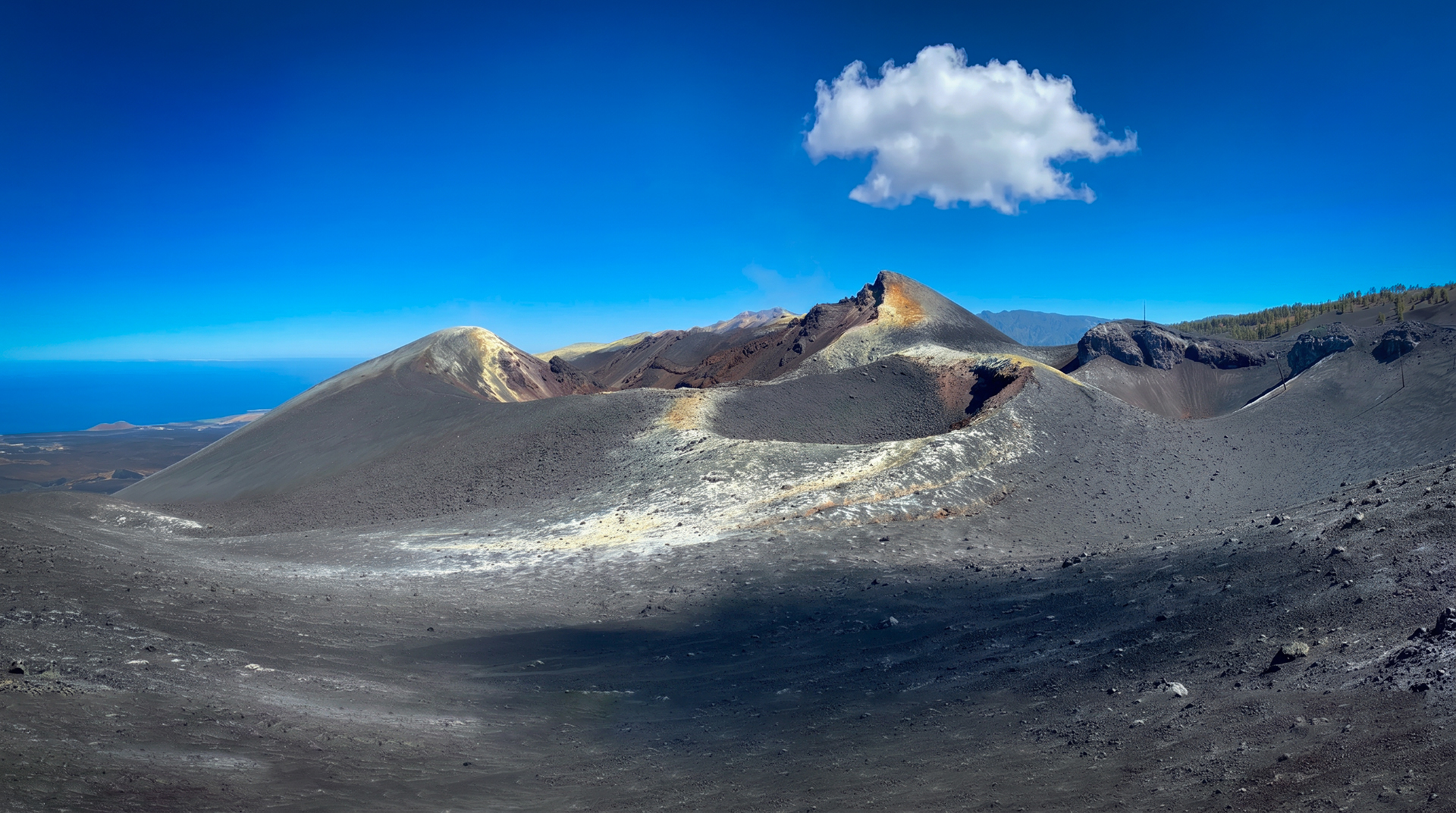
Guided tours last approximately 3 hours, approximately 6 km, and lead directly to the crater of the new volcano. As an alternative: boat tours from Puerto de Tazacorte show the new coastline (fajanas) from a distance – the tongue of lava that flowed into the sea and created new coastline. Both options provide different perspectives on the island’s most recent geological event.
The Tajogaite eruption 2021: numbers and facts
| Eruption | 19 September – 13 December 2021 |
|---|---|
| Duration | 85 days — the longest known eruption on La Palma |
| Volcano height | 1,122 m |
| Location | Western flank of Cumbre Vieja, 1,700 m north-west of Llano del Banco |
| Affected municipalities | El Paso, Los Llanos de Aridane, Tazacorte |
| Destroyed buildings | Approx. 3,000 buildings |
| New coastline | Fajanas: new lava platform that flowed into the sea |
| Evacuated | Approx. 7,000 people |
| Hikes | Guided only with permit — approx. 3 hrs, 6 km |
| Boat tours | From Puerto de Tazacorte — new coastline from a distance |
It is not possible to hike in this area on your own. Anyone who enters the restricted area is violating the protective regulations. The restrictions serve to protect visitors (unstable terrain, gas development) and the emerging ecosystem.
Guided hikes to Tajogaite
Hikes to Tajogaite are only possible with a certified guide and an official permit. Tours last around 3 hours and cover approximately 6 km. They are led by local guides and tour operators on La Palma — bookable via GetYourGuide and directly with local providers. The route leads to the rim of the new crater and offers insight into the geology of the eruption: lava cones, secondary cones, and solidified lava flows.
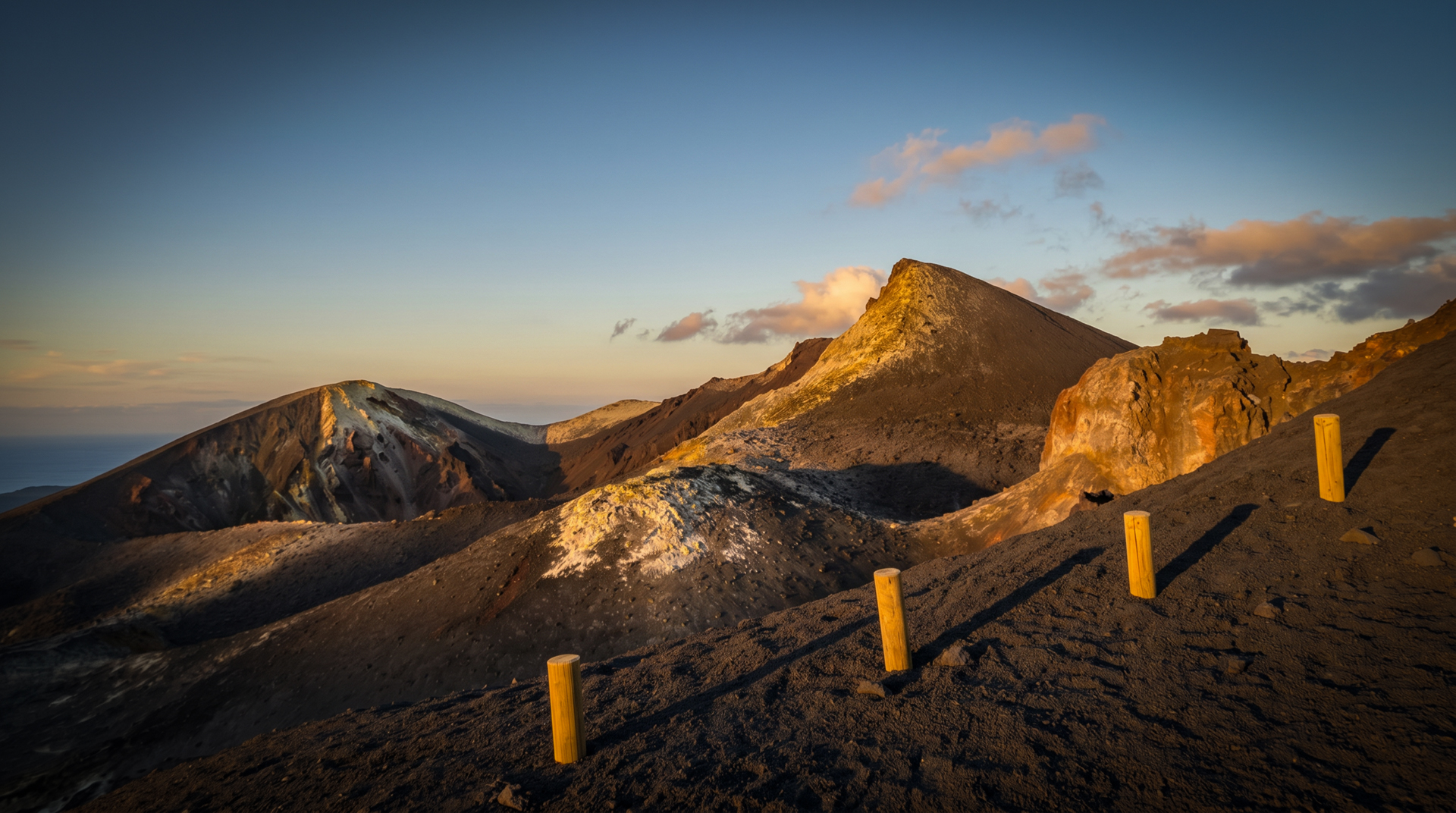
Hiking in this area independently is not possible. Anyone entering the restricted zone is committing a violation of the protection regulations. The restrictions serve to protect visitors (unstable terrain, gas emissions) and the developing ecosystem.
Boat tours: the new coastline
Boat tours from Puerto de Tazacorte reveal the fajanas — the new lava platforms created by the Tajogaite lava flow as it entered the sea. The black lava surfaces, which extend up to several hundred meters into the sea, are most impressively visible from the sea. The boat tours last approximately 1.5-2 hours and are suitable for all ages.
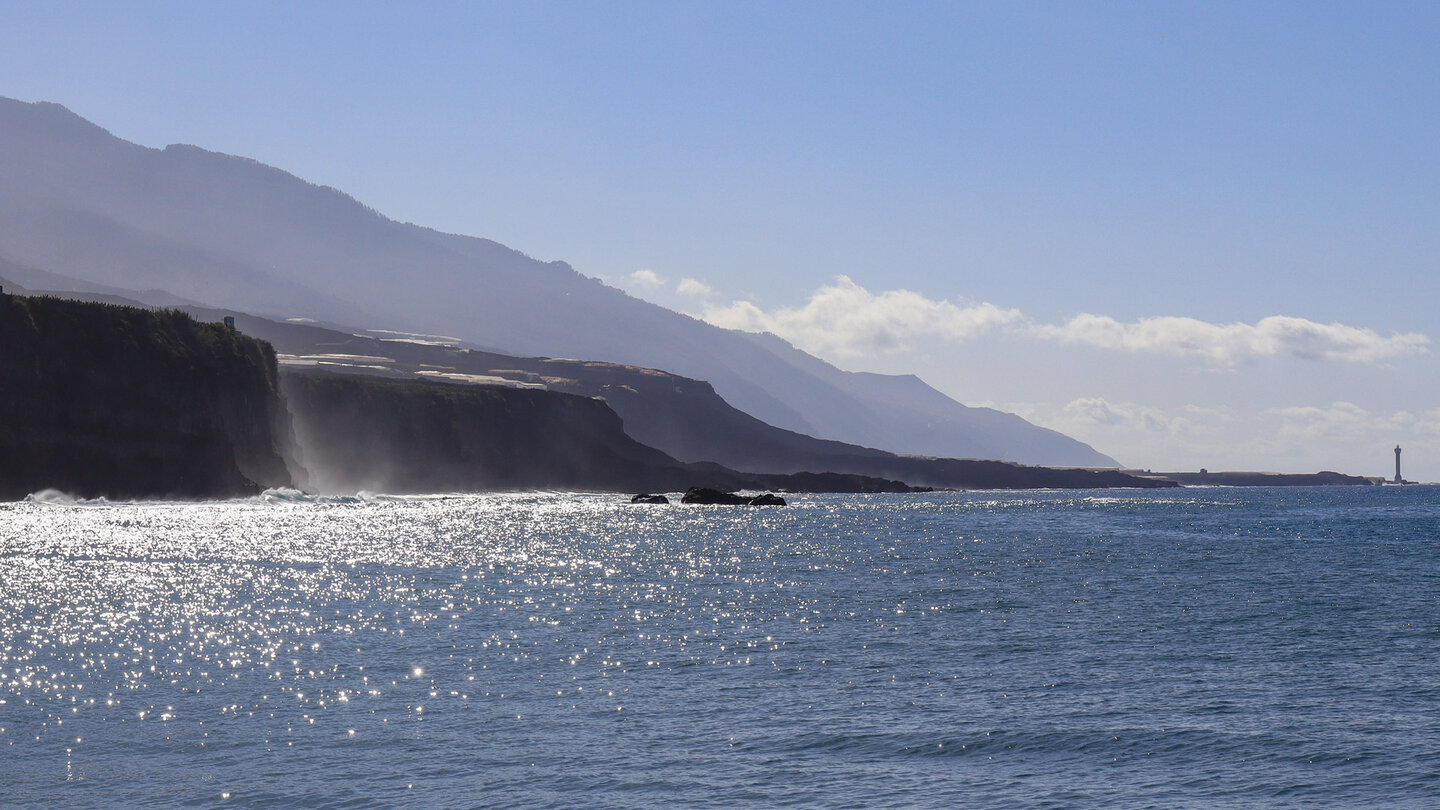
The Tajogaite lava fields: a changing ecosystem
The lava fields of Tajogaite are, geologically speaking, brand new – black basalt rock, hardly overgrown, still warm in places. In some places, sulfur dioxide comes out of cracks in the ground, giving the area a characteristic smell. The first pioneer plants begin to settle: mosses, lichens, individual ferns. This succession process will take centuries – whoever sees the fields today sees the beginning.
GR-130 Stage 6 (Los Llanos – Los Canarios) passes through the outskirts of the Tajogaite lava fields — a way to experience the lava in transit without booking a specific Tajogaite tour.
See Tajogaite from the hiking trail
If you want to view the Tajogaite from hiking trails without booking a guided tour, you have several options: GR-130 stage 6 (edge area of the lava fields), GR-131 stage 3 Ruta de los Volcanes (view of the Tajogaite from the Deseada summit from a distance), Mirador El Time (view of the lava flows in the Aridane Valley from above). These perspectives convey the extent of the outbreak without entering the restricted area.
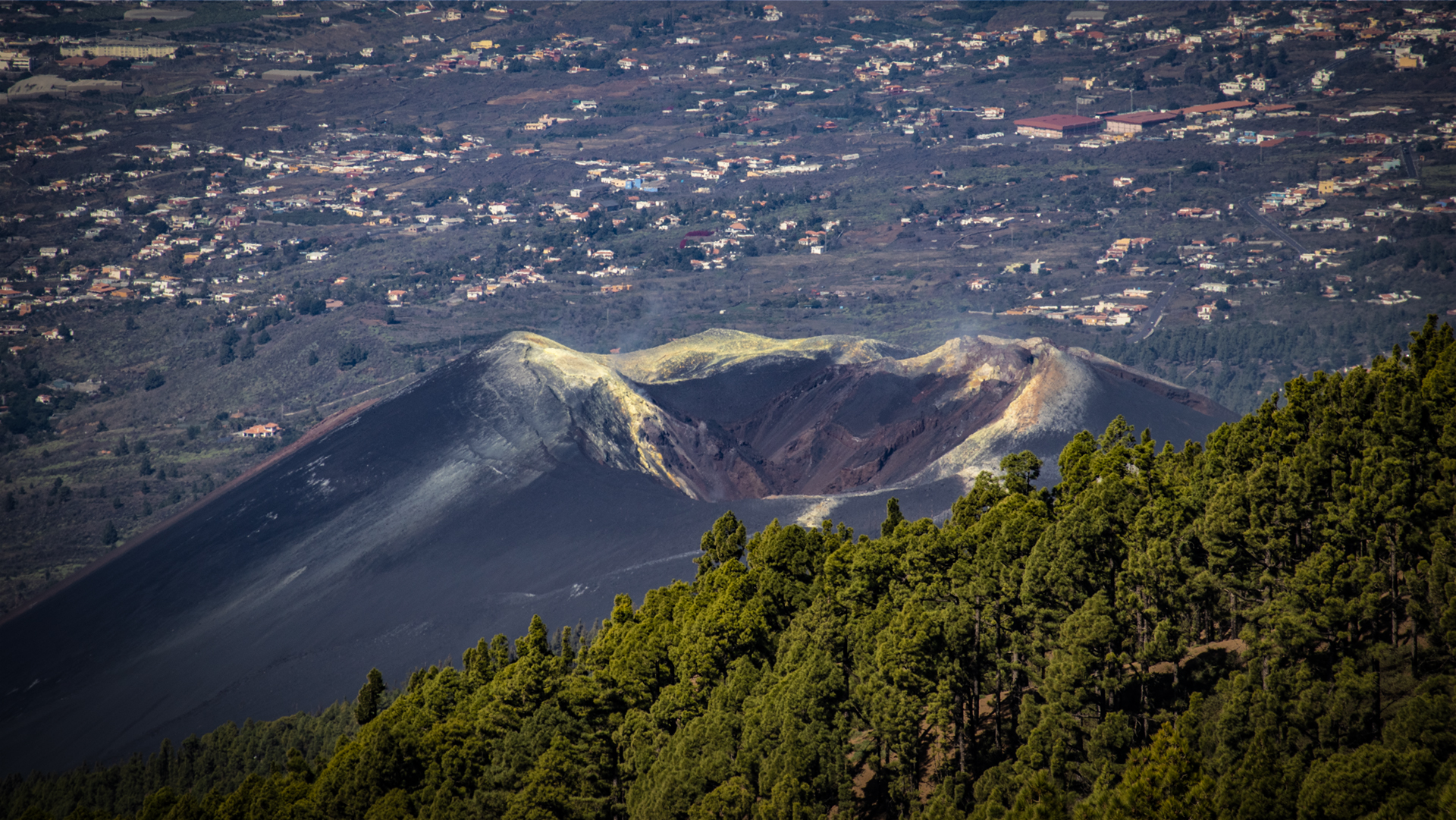
The human dimension of Tajogaite
The 2021 Tajogaite eruption destroyed approximately 3,000 buildings and forced approximately 7,000 people to evacuate. Todoque in Los Llanos de Aridane was particularly affected. Many of the evacuated families lost their homes and properties under the lava. La Palma has worked intensively on reconstruction since then – Puerto Naos and other west coast towns have gradually become accessible again.
Best travel time for Tajogaite tours
| Season | Character | Note |
|---|---|---|
| All year round | Tours run all year round | Book in advance – places limited |
| Autumn/Winter | Less heat on the lava fields | Most pleasant temperatures |
| Spring | Pioneer plants freshly visible | Best observation of succession |
| Summer | Lava fields very hot | Early; Take lots of water |
Booking notice
Guided Tajogaite tours can be booked via GetYourGuide – Tajogaite tours on GetYourGuide. Boat tours from Puerto de Tazacorte: also via GetYourGuide or book directly on site.
The name Tajogaite
The volcano bears the name of the barranco on whose slope it was formed: Barranco del Tajogaite. Tajogaite is a historic Canarian place name that goes back to the indigenous language of the Benahoritas. The decision to name the new volcano after the local terrain name (rather than the Cumbre Vieja mountain system) was a conscious linguistic rehabilitation of Benahorita toponymy.
The scientific name Tajogaite prevails over the historical media term “Cumbre Vieja eruption”: La Palma experts, geologists and locals use Tajogaite. Anyone who travels to La Palma and speaks of Cumbre Vieja as the name of the eruption indicates that they do not yet know the island well.
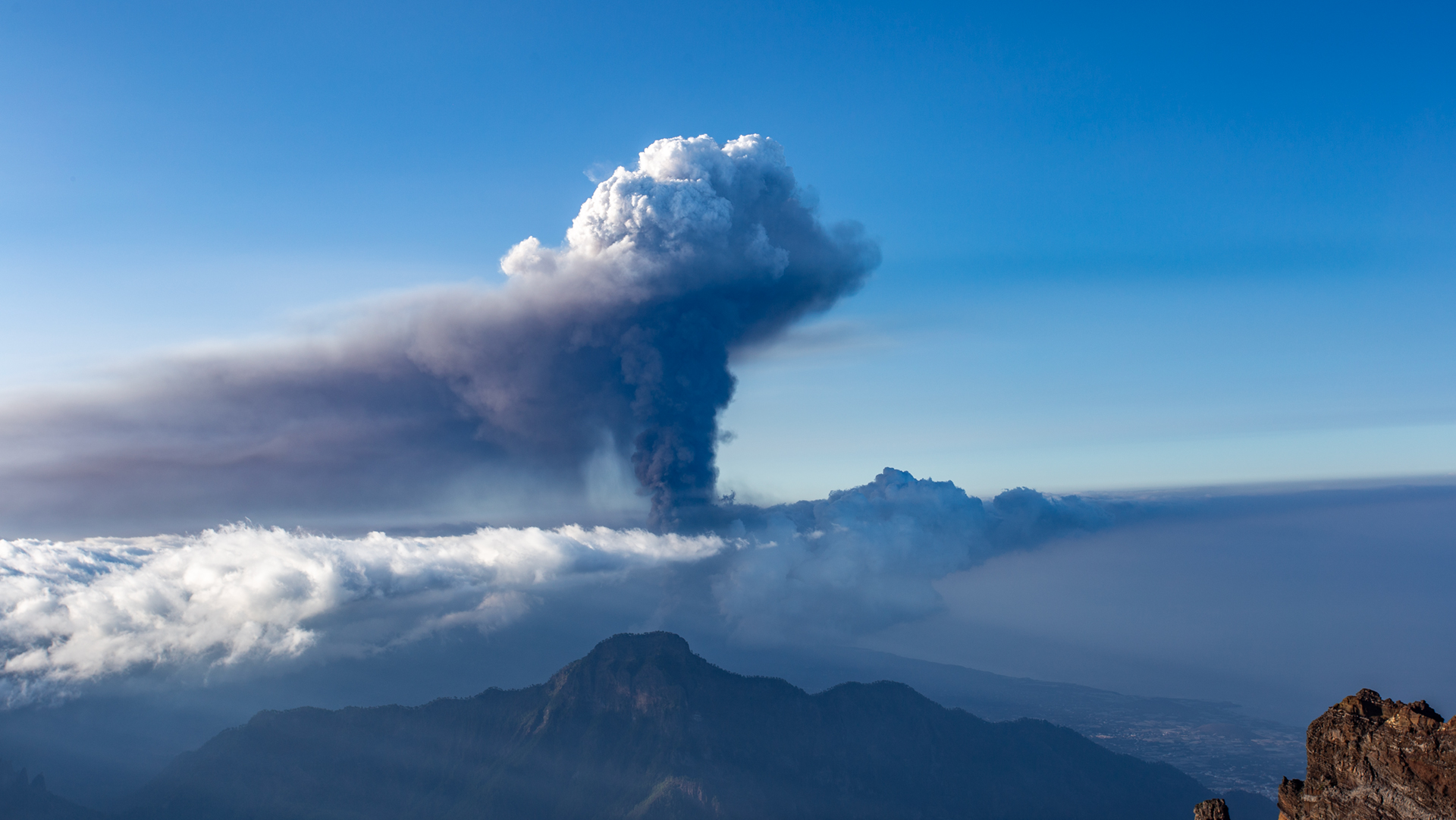
What has happened since 2021?
After the outbreak ended on December 13, 2021, reconstruction began: houses were demolished, infrastructure was rebuilt, and agricultural land was cleared where possible. Puerto Naos, which was evacuated during the eruption, is gradually reopening. The supply of air to the tunnel system under the lava field has been improved. As of 2025: Puerto Naos is open again, the lava fields are accessible (except the restricted area at the crater). The Tajogaite excursion shows these developments directly.
Tajogaite boat tours from Puerto de Tazacorte are accessible to all ages – even those who cannot do long hikes. The boat travels along the new coastline and shows the black lava tongues that flowed into the sea. Dolphins and whales are regular companions on this tour — Tazacorte is known for whale watching tours, and the Tajogaite boat tour combines both.
The GetYourGuide booking platform for Tajogaite tours offers different formats: half-day tour (approx. 3 hours, to the crater), full-day tours (with La Palma East program), pure boat tours (approx. 1.5 hours). If you want to combine Tajogaite with hiking, book a guided hike and then a boat tour in the afternoon – different perspectives, one day.
La Palma after the Tajogaite: Resilience of the island
The 2021 Tajogaite eruption briefly impacted La Palma as a tourist destination – declining bookings, uncertainty, negative headlines. But the recovery was faster than expected: the island has integrated the outbreak as part of its identity. Tajogaite tours, lava tours, geology exhibitions – La Palma markets its latest volcano not as a catastrophe, but as an attraction. This is one of the island’s strengths: volcanism is not an exception here, but the norm.
For hikers who know La Palma before and after Tajogaite: The changes are significant, but concentrated on the west coast between Tazacorte and Puerto Naos. The rest of the island — caldera, laurel forest, north coast, Garafía — is untouched. If you have Tajogaite on your itinerary, plan it as one of several days – not as the only topic.
If you have visited La Palma several times and haven’t seen Tajogaite yet, now is the time: The 2021 eruption has permanently changed La Palma. The new coastal area (Fajanas), the lava fields in the Aridane Valley and the crater itself have become part of the island – not as a wound, but as the latest layer of volcanic history. La Palma’s volcanism ranges from the oldest caldera lavas (millions of years) to the Tajogaite (3 years). Experiencing this span of geological history firsthand is not possible on any other Canary Island.
Guided Tajogaite tours also provide context that going it alone cannot: local guides explain which houses lie under the lava, where the escape routes were, how the eruption was experienced. This is a human context that adds an emotional dimension to the geological experience. La Palma experienced the outbreak as a community and survived as a community – you can feel that in the guides’ stories.
If you visit the Tajogaite on the guided tour and then walk the GR-130 stage 6 (Los Llanos – Los Canarios, through the edge of the lava fields), you have two different ways of accessing the same geological event: the guided close-up view of the crater and the hike through the edge of the lava flows. This combination provides the most complete picture of the Tajogaite eruption accessible to visitors.
This article is based on the on-the-ground knowledge of the Gequo editorial team – publishers of the Reisezeit hiking guides and operators of Sunhikes.com. Last updated: May 2026