Tajogaite – Where La Palma Still Smokes
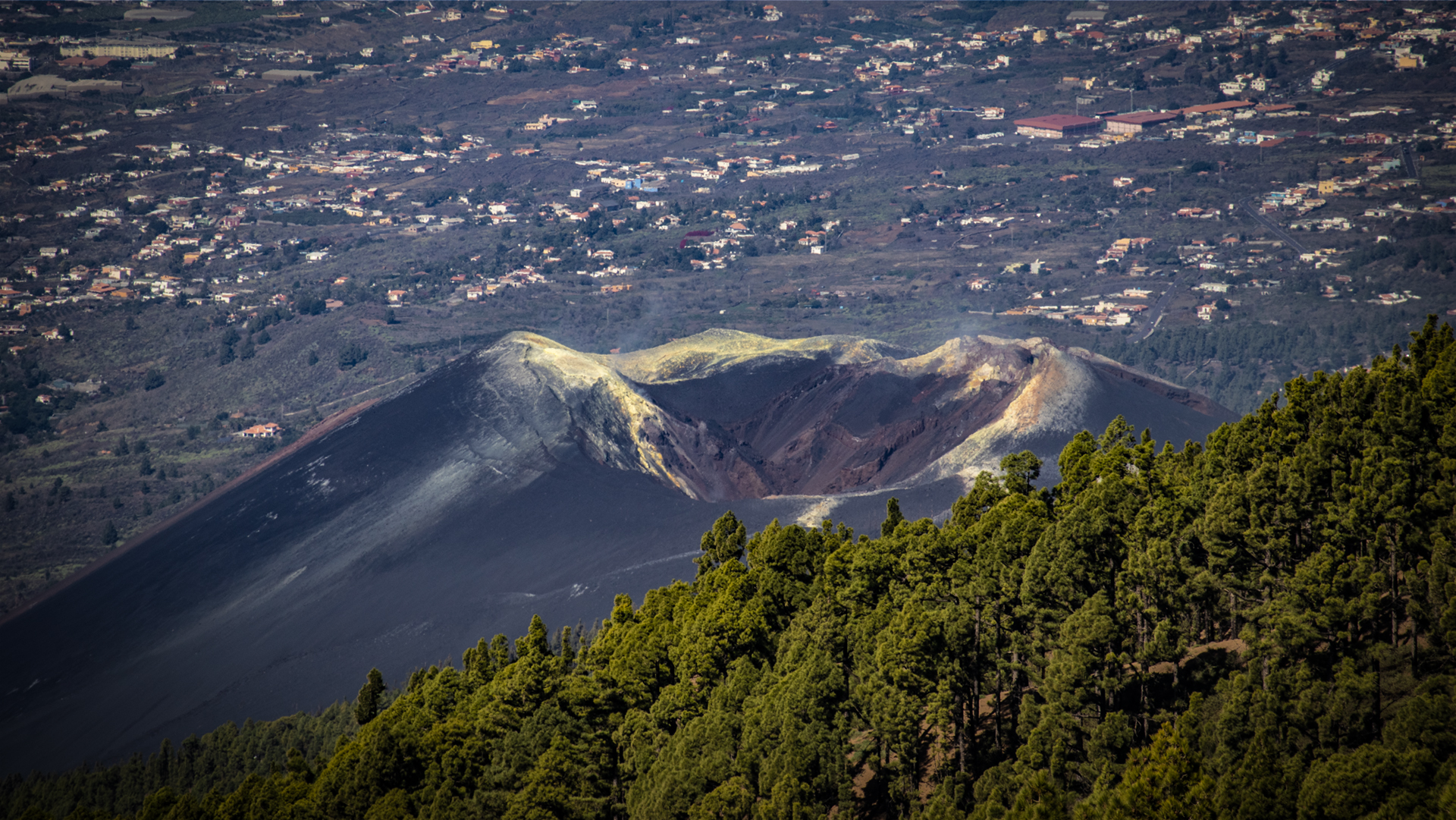
On 19 September 2021, the earth opened a fissure on the Cumbre Vieja. What followed were 85 days of fire, lava, and ash — the first volcanic eruption on La Palma since 1971, and the first the whole world followed in real time. Since then, this volcano has been called Tajogaite — and the lava field it left behind is one of the most fascinating and moving natural spectacles in the Canary Islands.
What the Eruption Left Behind
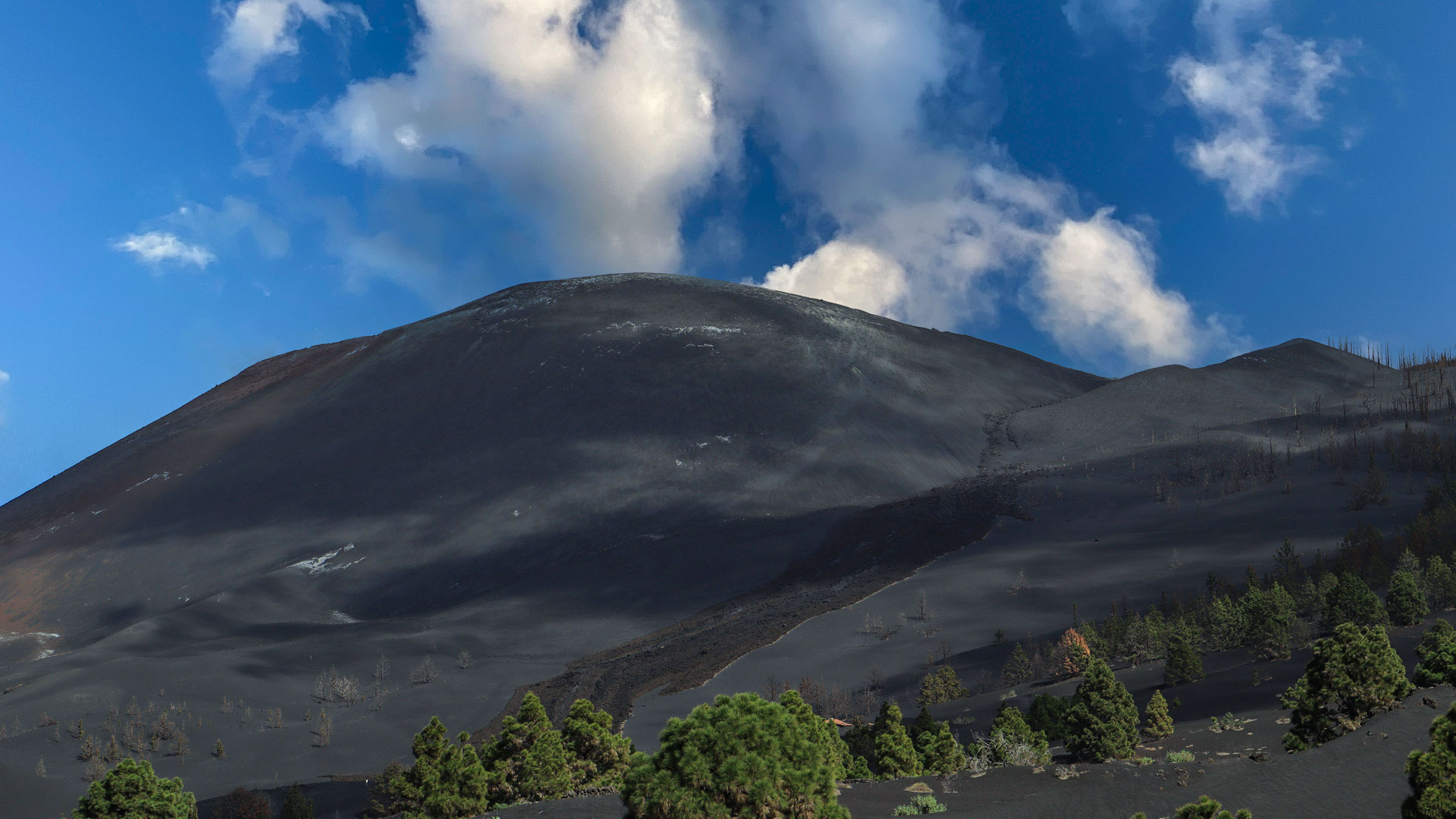
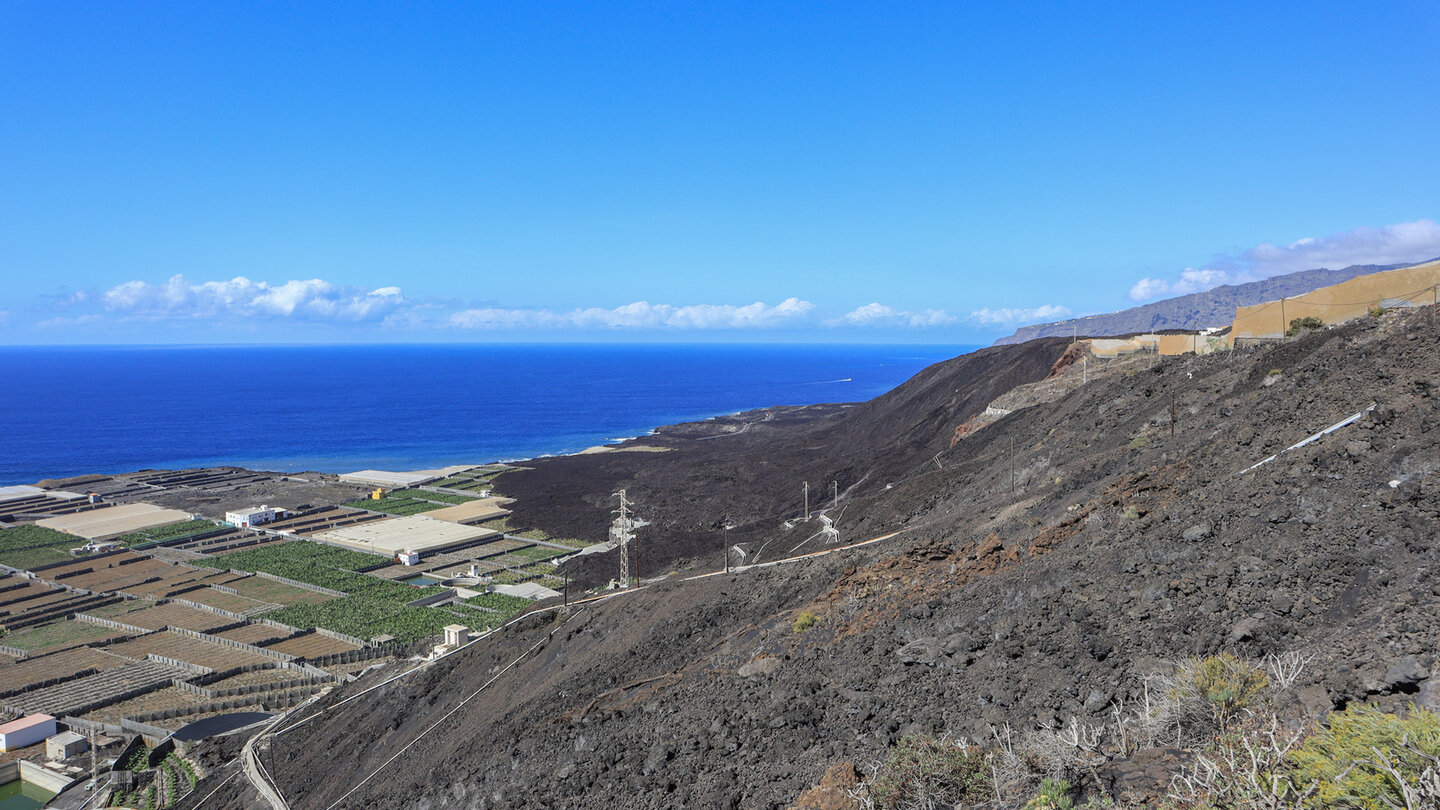
Tajogaite covered around 1,219 hectares of La Palma’s west coast in lava, destroyed more than 3,000 buildings, and at the same time created 49 hectares of new land that flowed into the sea and solidified — a delta of black volcanic rock that even today no one passes without pausing. The newly formed lava delta is visible from the coastal road and from several viewpoints: a strip of black rock, beyond which the Atlantic meets something not even a decade old.
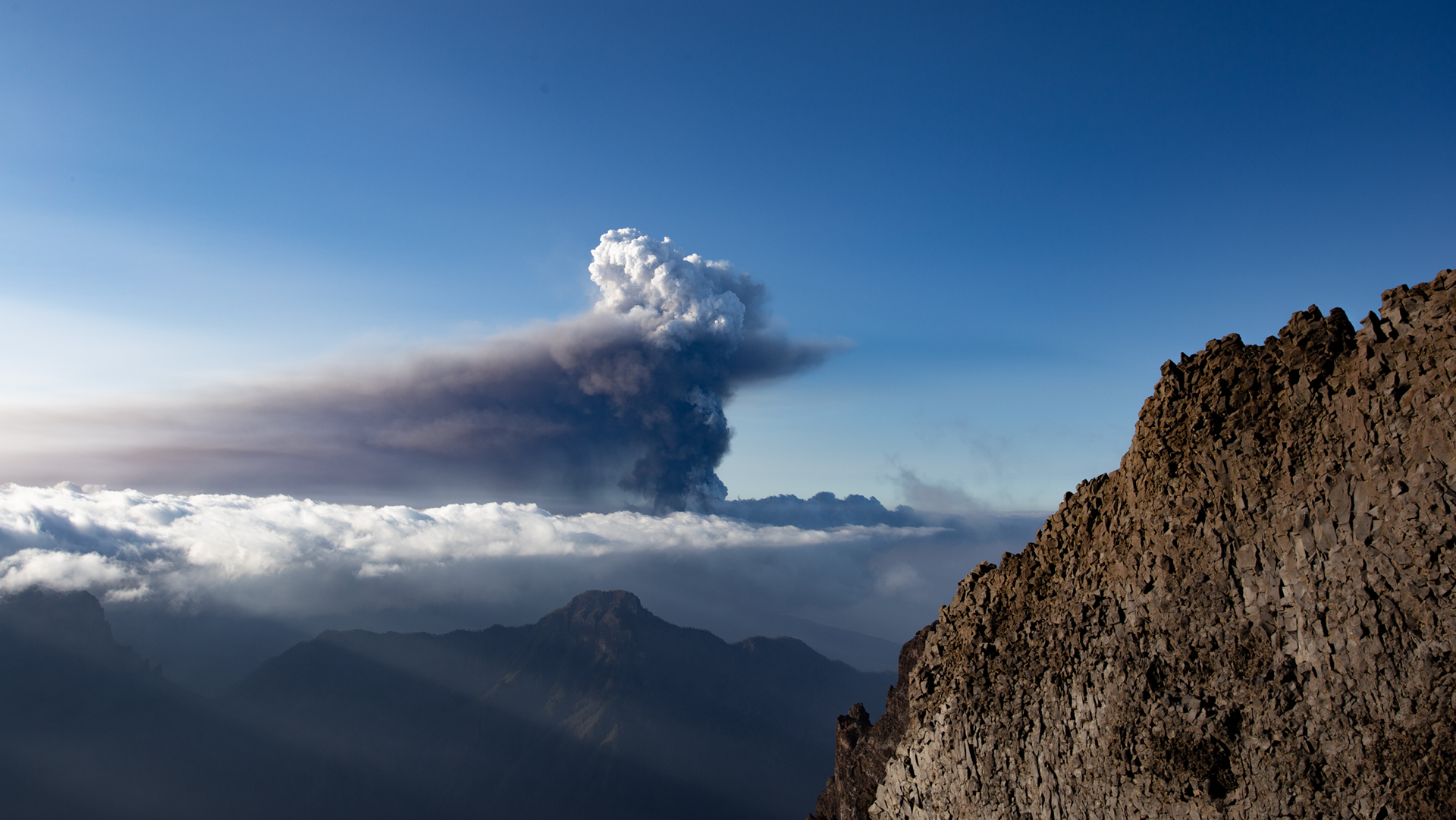
The eruption lasted from 19 September to 13 December 2021 — 85 days, longer than any other historic eruption on La Palma. Around 7,000 people had to be evacuated. Images of the slow-moving lava flow burying houses, plantations, and roads went around the world. What remains is a lava field of breathtaking beauty and heavy silence.
The Most Important Viewpoints
Mirador de Las Hoyas
From the Mirador de Las Hoyas above Los Llanos de Aridane opens arguably the most impressive view of the lava field and the new coastal terrain. The black expanse stretching from the mountainside down to the sea makes the scale of the eruption instantly understandable. Early in the morning — when the first light falls on the cooled lava rock — the atmosphere is hard to beat.
Viewing Platform near Tajuya
Along the LP-211 and the coastal road in the area of the former villages of Todoque and Las Manchas, there are further stopping points with views of the lava. Information panels explain the course of the eruption and mark where houses, schools, and roads once stood — testimonies to a tragedy that was also a striking natural marvel.
The Path Through the Lava
Between Tajuya and Jedey, a well-marked path leads through parts of the cooled lava field. The walk over cooled lava chunks — a combination of moonscape and open-air geological museum — takes 1–2 hours depending on the route. The terrain is uneven and sharp-edged, and it demands different footwear than ordinary trails: sturdy hiking boots with a solid sole aren’t a suggestion, they’re a necessity.
Hiking within the core exclusion zone is only permitted with a certified guide and is otherwise prohibited, as a genuine danger to life remains. Outside the exclusion zone, however, there are official trails from which you can view the lava from a safe distance.
Safety in the Lava Field:
Stay on marked trails only. Terrain outside the signposted areas can be unstable or affected by elevated gas concentrations (CO₂, SO₂). Check with the local Los Llanos de Aridane tourist office for current information.
Puerto Naos and La Bombilla – Current Status
The former seaside resorts of Puerto Naos and La Bombilla were closed for years after the eruption due to elevated CO₂ and SO₂ concentrations. Since 2025/2026, both towns have been largely accessible again — with gas sensors monitoring air quality. Individual areas may still be temporarily closed at times. Check with the Los Llanos de Aridane town hall for current information.
Guided Tours Through the Lava Field
Guided tours provide context that’s hard to find on your own. Local guides explain the geology, point out spots where gas activity can still be measured, and bring along the stories of affected families. GetYourGuide offers a selection of vetted Tajogaite tours: Tajogaite tours on GetYourGuide
Practical Tips for Visiting the Tajogaite Lava Field
The Right Gear Makes the Difference
The young volcanic field of Tajogaite is no ordinary walking trail. The fine volcanic ash gives way with every step, so you sink in several centimetres in places. High hiking boots with good grip are therefore noticeably more comfortable than light casual shoes. Gaiters can also help keep fine volcanic sand out of your shoes.
Since the fresh lava and ash landscape offers almost no natural shade, sun protection, plenty of water, and a windproof jacket are essentials for your day pack. Wind can be surprisingly strong across the open terrain.
Enjoy the View Even Without Hiking
Anyone who doesn’t want to join a guided tour, or would rather avoid the demanding terrain, can also experience the Tajogaite area from various viewpoints. Particularly beautiful views can be had from the Plaza de Tajuya in El Paso, the Mirador del Time, and the Caños de Fuego visitor centre near Las Manchas.
Seeing the New Volcanic Landscapes from the Sea
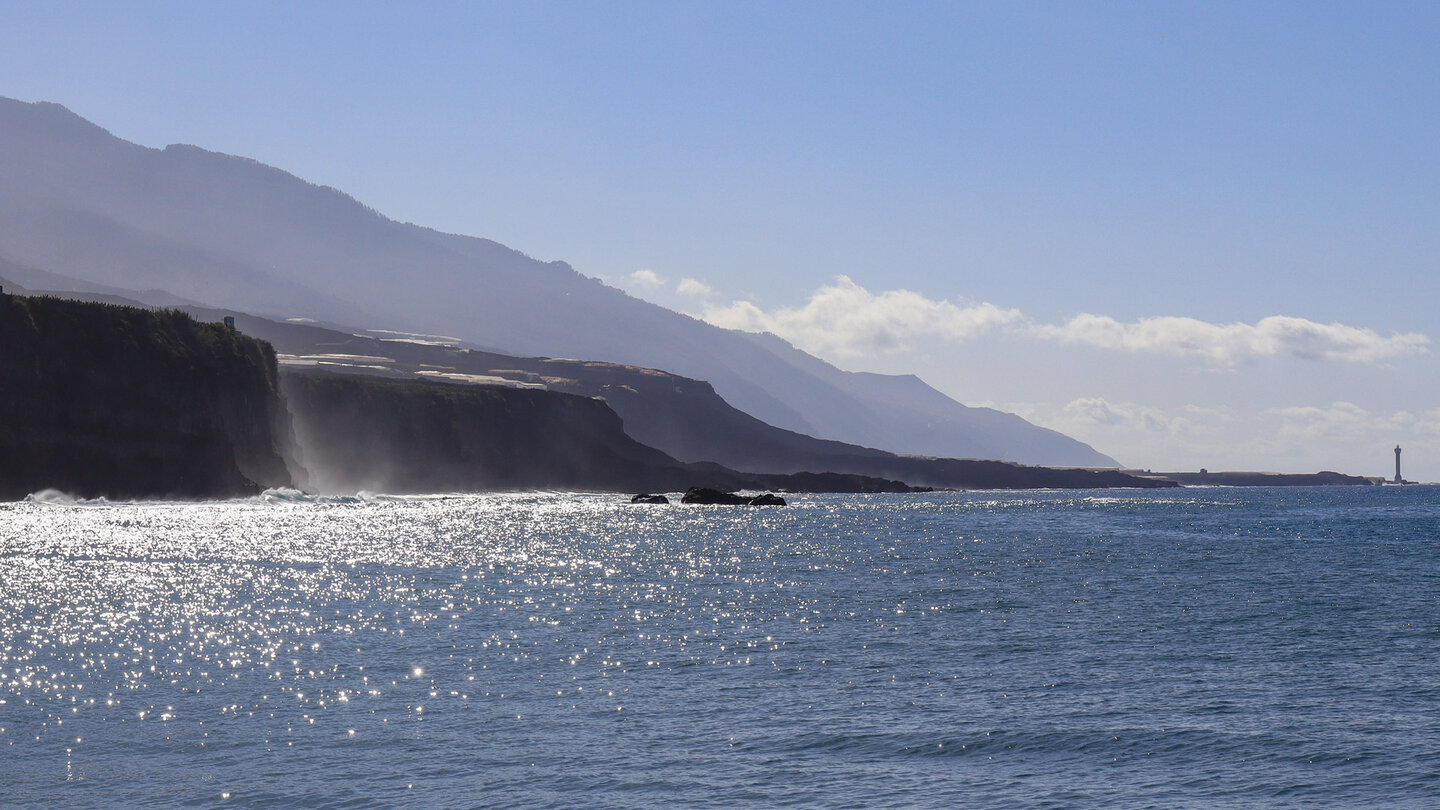
Boat trips from Tazacorte offer a completely different perspective. From the Atlantic, you can view the newly formed coastline with its young lava deltas (fajanas) — an impressive glimpse of the power of volcanism and the changes the eruption has left behind.
Safety Notice: Respect for a Young Volcanic Landscape
Even though the lava fields seem fascinating, this is still a very young and fragile landscape. Trails and barriers should be respected, as loose ash slopes, sharp-edged lava blocks, and unstable areas can pose a genuine risk of injury.
Frequently Asked Questions (FAQ)
Can you visit the Tajogaite lava field on your own?
Is Puerto Naos open again?
How do you get to the Tajogaite lava field?
Why is the volcano called Tajogaite and not Cumbre Vieja?
What shoes do I need for the lava field?
Is there any shade on the lava field?
Can you see Tajogaite without hiking?
What makes Tajogaite so special?
The Chronology of the Eruption
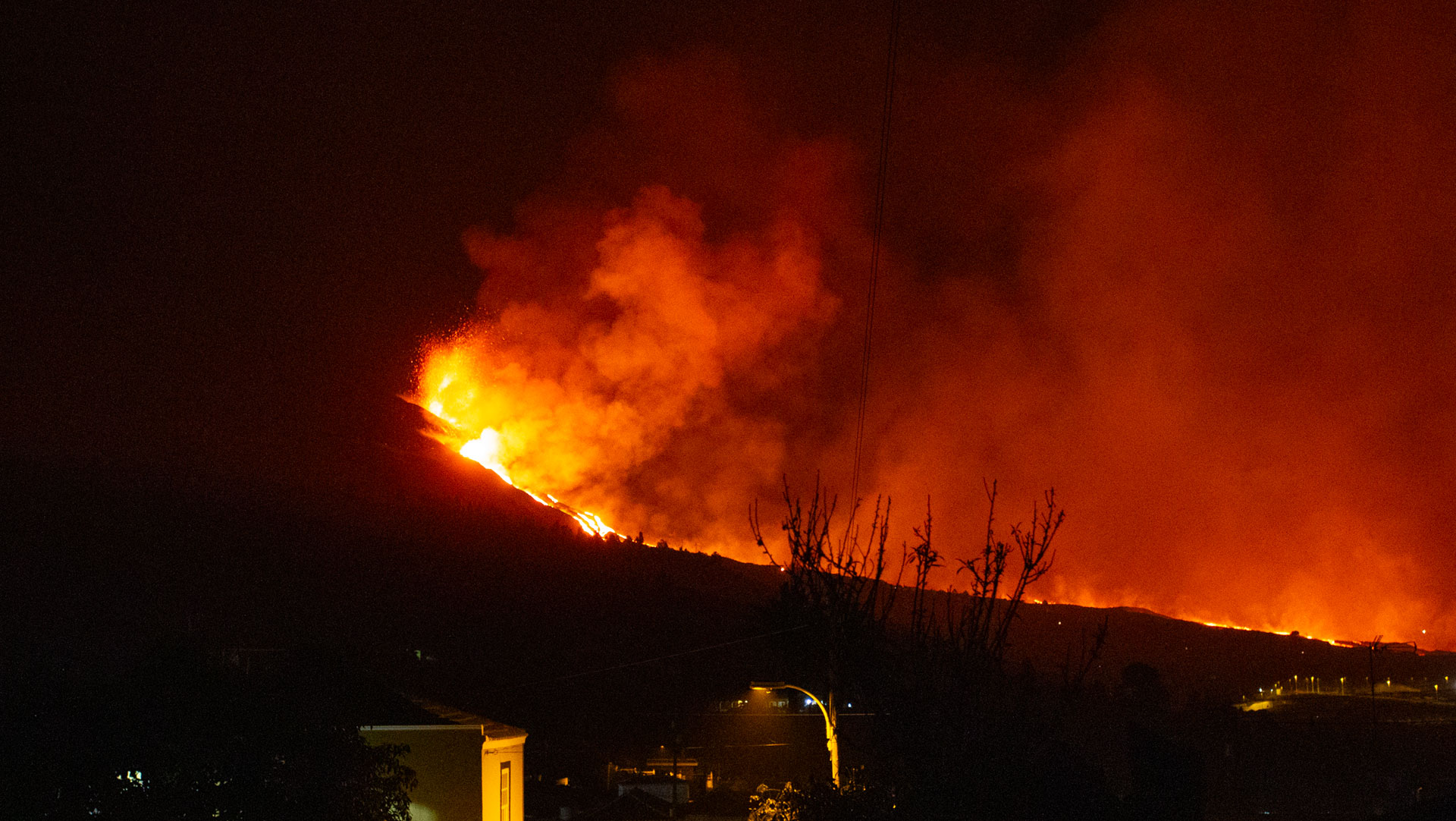
The Tajogaite eruption began on 19 September 2021 at 3:12 p.m. local time with a magnitude 3.8 earthquake — the strongest in a long series of swarm quakes that had grown increasingly intense in the preceding weeks. A few minutes later, a first fissure opened in the ground near El Paraíso. Lava poured out. More than 7,000 residents were evacuated in the following hours.
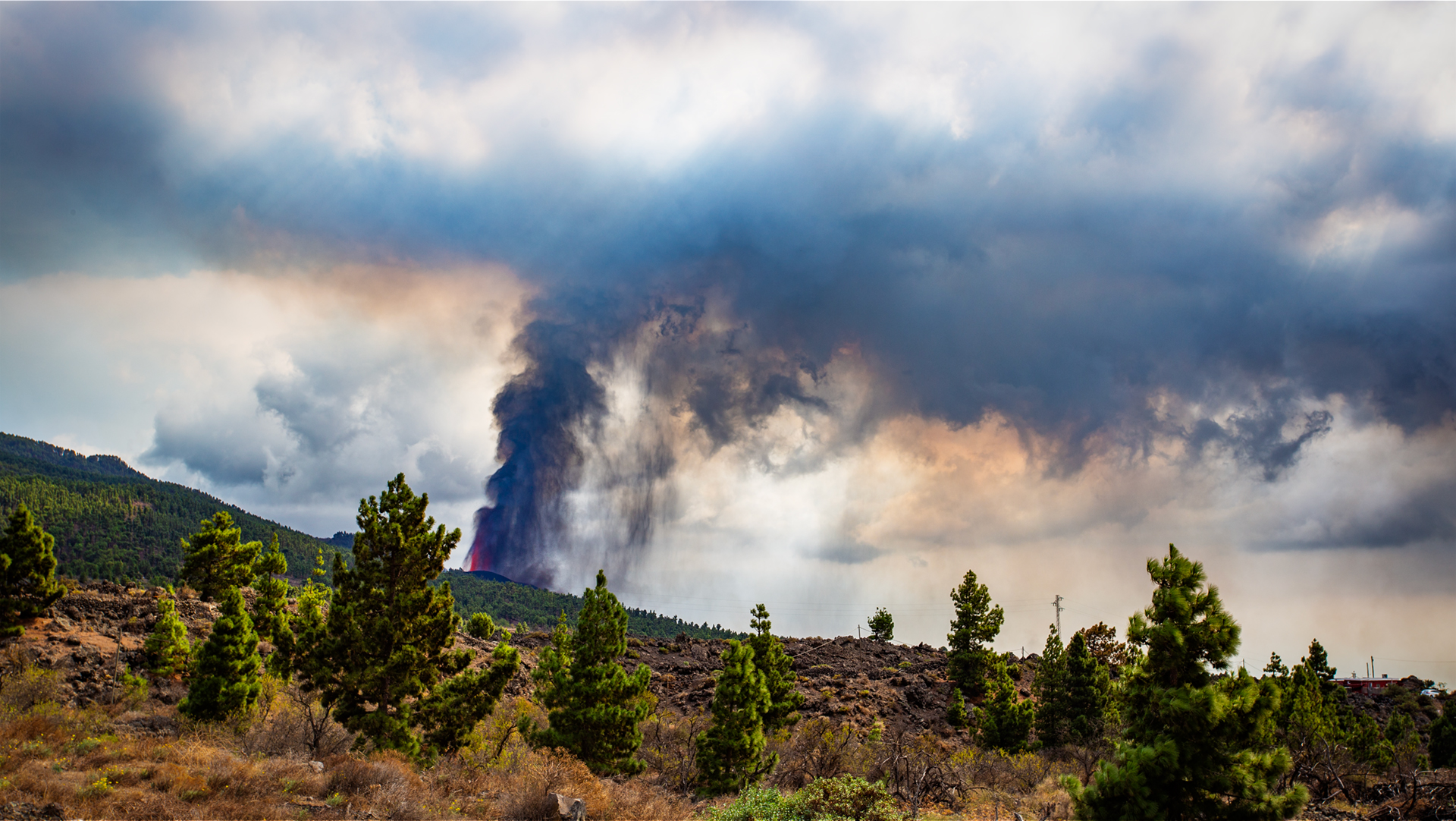
The eruption remained active for 85 days. The lava flows moved toward the coast in two main arms, burying everything in their path: houses, banana plantations, roads, a church, a school. On 13 December 2021, the volcano fell silent as abruptly as it had begun. What remained was a 1,219-hectare lava field, a new 49-hectare delta in the sea, and the memory of a tragedy that was also a striking natural marvel.
Reconstruction and Resilience
La Palma has shown remarkable resilience since the eruption. Within a few months, new roads were built through the lava field, and evacuated residents began rebuilding. The island has been fully open to tourism again since 2022 — with the lava field as a new, unique attraction. Many of the former residents of Puerto Naos and La Bombilla are gradually returning.
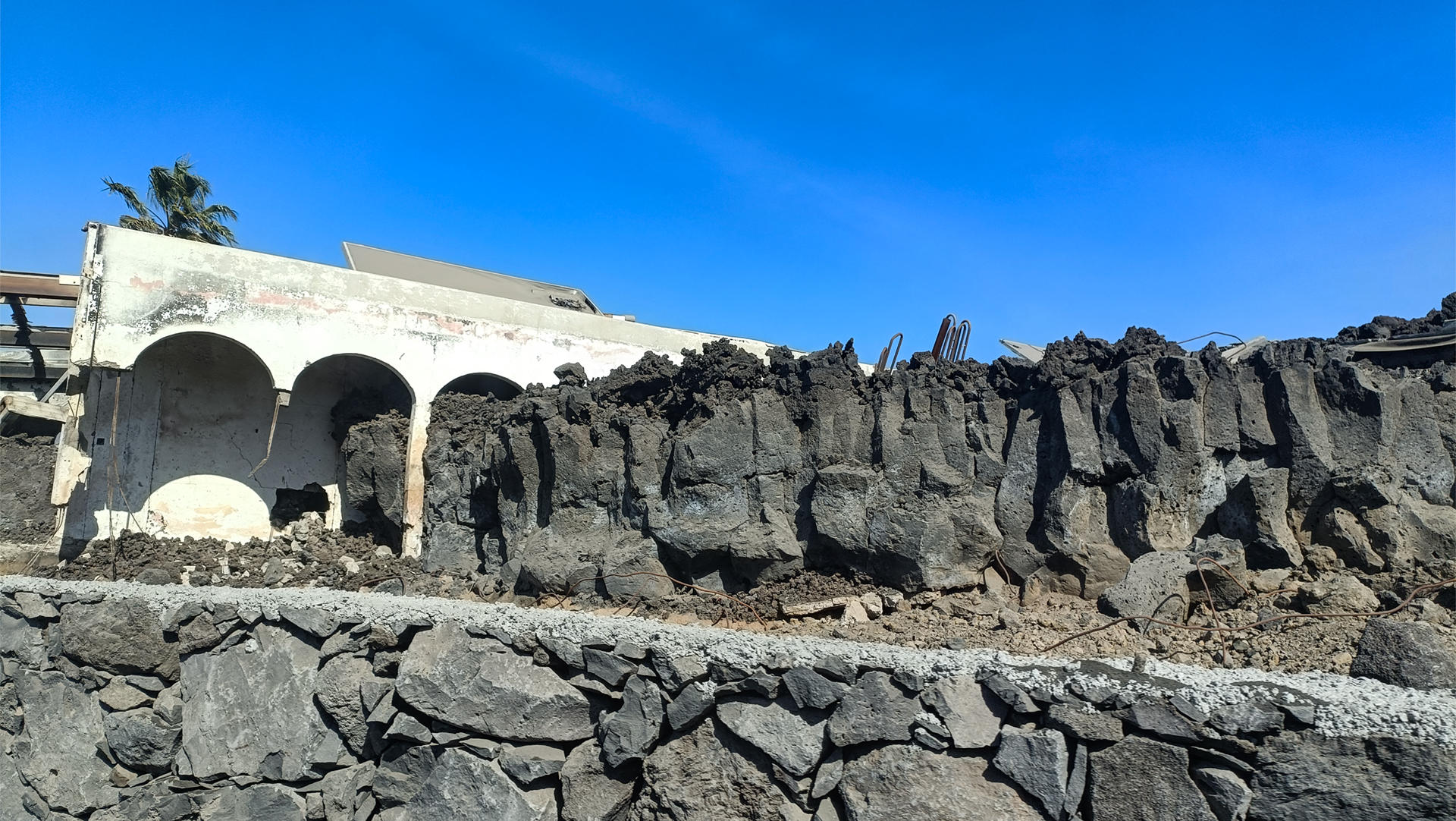
The lava field itself is changing quickly: pioneer plants — above all the resilient malpaís herb — have already begun colonising the black surfaces. Where glowing lava still flowed in December 2021, delicate growth now appears. Within a few decades, the lava field will be covered in vegetation, just like all of La Palma’s other volcanic areas.
Renting a Holiday Home in the West of La Palma
Anyone wanting to explore the lava field thoroughly is best off staying in Los Llanos de Aridane — La Palma’s largest town in the west and an ideal base for excursions to the lava area, the beaches, and the mountain regions. Clariso.eu has a wide selection of holiday homes and fincas in Los Llanos and Tazacorte, right on the west coast.
Accommodation tip: Los Llanos de Aridane and Tazacorte are close to the lava field and offer access to the best beaches on the west coast. Clariso has the widest selection of vetted holiday homes on La Palma here.
Natural Regeneration in the Lava Field
What looks at first glance like dead, black rock is in reality a living laboratory of natural regeneration. Just a few years after the Tajogaite eruption, pioneer plants had already begun colonising the hardened lava: first small mosses and lichens, then the resilient tabaibas and cardón — Canary Island spurge plants known as the first colonisers of fresh lava fields.
On La Palma’s older lava fields — such as the Malpaís de Todoque from the 1949 eruption — you can see how far this process can go in 70 years: a lava field completely overgrown with vegetation, barely recognisable as such anymore. Tajogaite will look the same in a few decades.
Accommodation on the West Coast
The west coast of La Palma around Tazacorte and Los Llanos de Aridane is the sunniest and most tourist-friendly zone on the island. Here you’ll find most of the holiday homes and fincas close to the sea — with Atlantic views and quick access to the lava field. Clariso.eu has accommodation in Tazacorte and Los Llanos de Aridane; Tazacorte in particular offers beautiful sea-view locations.
West coast accommodation tip: Tazacorte and Los Llanos de Aridane have the largest Clariso selection on La Palma. Ideal for anyone wanting to combine the lava field, the west coast beaches, and the Caldera in a single holiday.
A Thought – A Place of Two Sides
The lava field of Tajogaite is one of the few places on La Palma that is both fascinating and thought-provoking. You stand on what remains of houses, on roads that no longer exist, in the middle of a landscape that was entirely reshaped in 85 days. At the same time, it’s a place of brutal, black beauty — proof that La Palma is not finished.
Tajogaite isn’t just a destination — it’s a testimony. Anyone who visits the lava field stands on one of the youngest pieces of earth in the world and understands La Palma for what it is: an island still in the making. Sturdy footwear, check the latest information — and book a guided tour to understand the full picture.
This article is based on the on-the-ground knowledge of the Gequo editorial team – publishers of the Reisezeit hiking guides and operators of Sunhikes.com. Last updated: May 2026