Rock Climbing on La Palma – Basalt, Rock Pillars and Gorge Walls
La Palma isn’t a mass-tourism climbing destination. The routes are lightly developed, guidebooks are scarce, and the scene is small and local. If that’s exactly what you’re after – original routes on sharp basalt, no queues at the base, and views you won’t find on any other European crag – you’ll find it here.
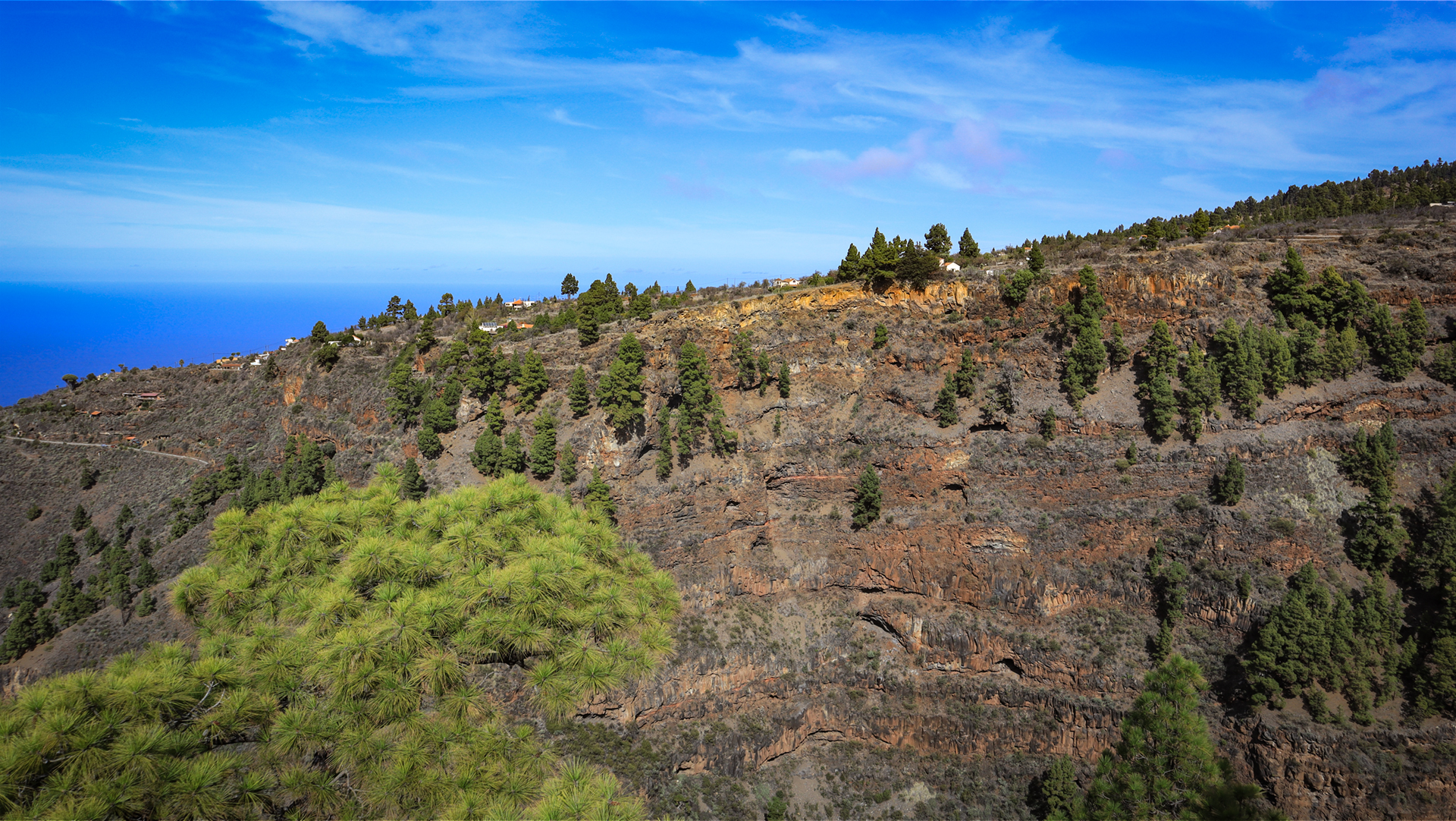
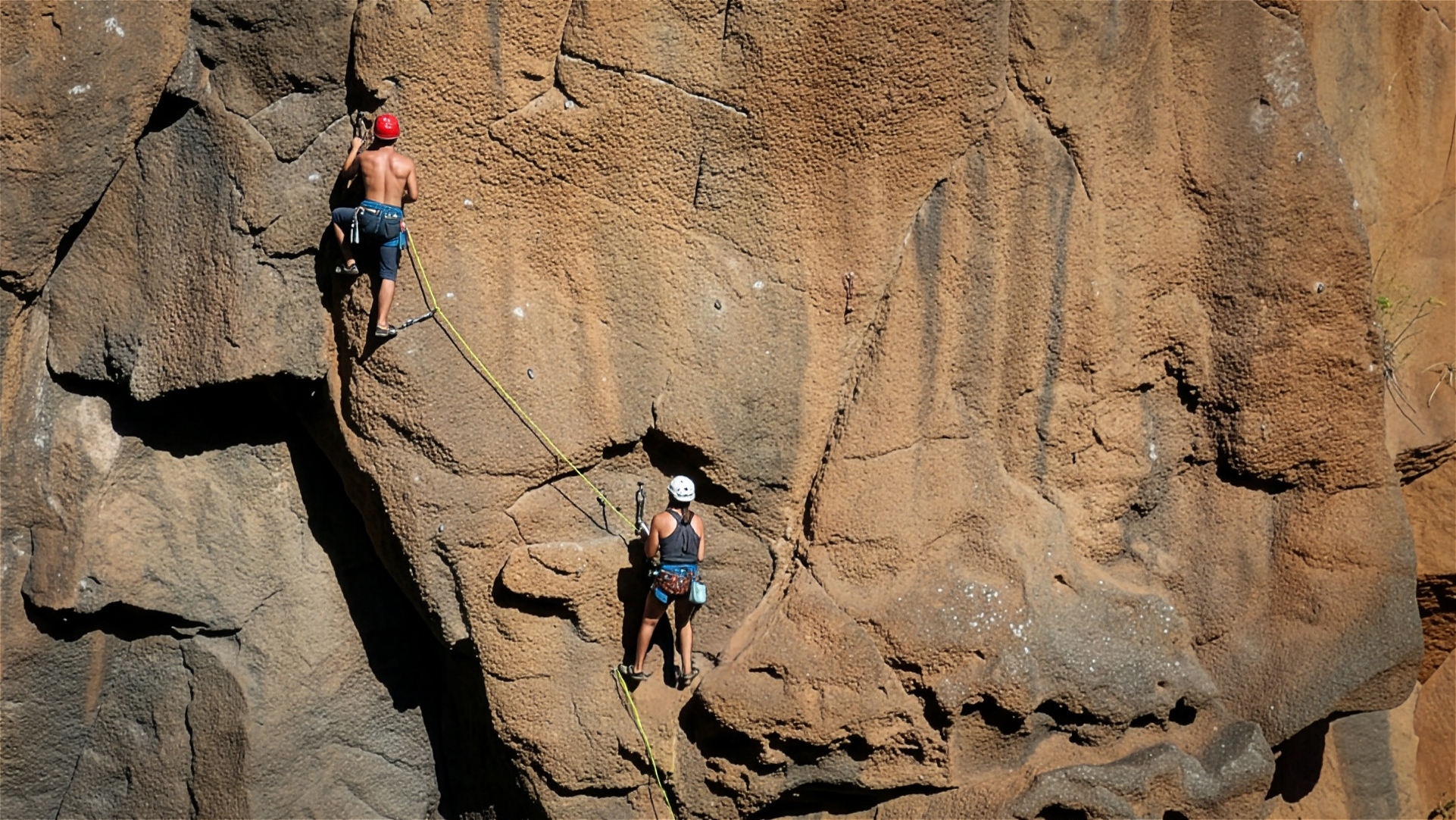
La Palma offers two distinct styles of climbing: long routes on gorge walls and basalt formations inland, and more compact sectors on rock pillars and coastal formations. The rock is mostly basalt – sharp-edged, with good holds, though occasionally loose in the less-developed areas.
The Main Climbing Areas
Barranco de la Madera (Las Nieves)
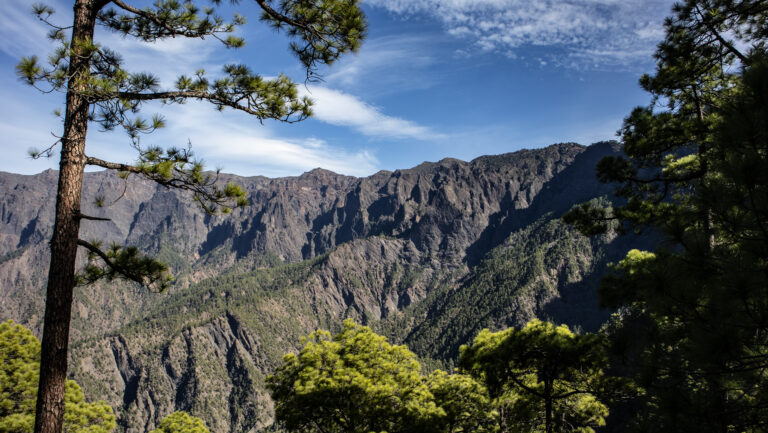
La Palma’s largest developed climbing area lies in the Barranco de la Madera near Las Nieves, close to El Paso. Over 70 routes have been bolted, ranging from grade IV to 7b+. The dark basalt walls rise straight up from the gorge floor. Especially appealing are the longer multi-pitch routes, which can easily fill a whole day of climbing.
Tajuya Volcano (El Paso)
The rock pillars of the Tajuya volcano in El Paso offer around 20 routes from grade IV to 7a. The sector is more compact than the Barranco de la Madera, making it ideal for a half-day session. The view from the upper routes across the Aridane valley and out to the Atlantic offers a backdrop few other crags on the island can match.
Barranco del Agua (Garafía)
In the wild north, in Garafía, lies one of the island’s most scenic climbing spots. The Barranco del Agua area is less developed, but the quality of the routes on the gorge walls and the surrounding lush laurel forest backdrop make it exceptional.
Bouldering at Izcagua (Puntagorda)
In Puntagorda, in the Izcagua area, scattered boulders offer routes from 6a to 7c. A climbing platform like theCrag or Vertical-Life provides up-to-date topos – printed guidebooks for La Palma are rare.
San Bartolo (Puntallana)
San Bartolo (Puntallana) is one of the island’s best-known sport climbing areas, offering plenty of well-bolted routes on compact basalt. Thanks to its easy access, it’s especially popular with locals and visitors alike.
Climbing Areas
| Barranco de la Madera · Las Nieves (El Paso) | 70 routes · difficulty up to 7b+ · one of the best-developed areas on the island |
|---|---|
| Tajuya Volcano · El Paso | 20 routes · volcanic rock pillars · difficulty up to 7a · spectacular views |
| Barranco del Agua · Garafía | Most significant area in the northwest – numerous routes in a stunning natural setting |
| Roque de Santo Domingo | Routes directly above the sea with spectacular Atlantic views |
| Izcagua · Puntagorda | Sport climbing and bouldering – routes 6a to 7c · topos on theCrag and Vertical-Life |
The rock is basalt – sharp-edged and good for holds, but with loose material in undeveloped areas. Gloves for the approach are recommended. Some sectors lie within protected nature zones, so check the current status via theCrag or local guides. Bring your own climbing gear.
La Palma isn’t a classic climbing destination with extensive infrastructure. Climbing shops or gear rental are practically nonexistent, so bring your own complete setup – including helmet, harness, belay device, quickdraws, and a 60- to 70-metre single rope. For most sport routes, 12 to 15 quickdraws will be enough. Replacement gear is only available on the island to a very limited extent.
Topos and Route Information
Printed climbing guidebooks for La Palma are hard to come by and often out of date. The most reliable information on routes, protection and approaches can be found on theCrag and 27 Crags, where topos are regularly updated by the local climbing scene.
| Provider | Contact | Specialisation |
|---|---|---|
| La Palma Aventura | WhatsApp: +34 690 26 15 89 | Climbing, canyoning, abseiling |
| La Palma Outdoor | WhatsApp: +34 617 704 019 | Adventure tours, multi-pitch climbing |
| Graja Tours | WhatsApp: +34 686 443 832 | Custom hiking & climbing tours |
Frequently Asked Questions (FAQ)
Which climbing area is best for beginners?
Are there climbing guidebooks for La Palma?
Do the trade wind clouds affect climbing conditions?
Should the nesting season of protected bird species be taken into account?
Is there corrosion on coastal routes?
Do I need a helmet?
The Rock of La Palma – Basalt as a Climbing Partner
Basalt isn’t an easy rock to climb: it’s sharp-edged and very solid, though some areas have loose blocks or brittle sections. Hold quality is good – but sharp edges are rough on your hands. Gloves for the approach, tape for your fingertips, and caution with untested holds are standard practice on La Palma. The grip is excellent, but the sharp-edged texture is noticeably harder on the skin than limestone or granite.
The fine-grained basalt offers excellent friction in many sectors, making technically demanding slab climbing possible. Depending on exposure and moisture, though, conditions can vary considerably. Some of the finest routes in the Barranco de la Madera are slab routes that simply wouldn’t work as well on other types of rock.
When to Climb on La Palma?
The best time to climb is autumn through spring (October to April): moderate temperatures, little rain, good light. In summer, the south-facing routes get hot – an early start is essential. In the laurel-forest area (Barranco del Agua), humidity stays high year-round – a factor that affects both friction and hold quality.
After heavy rain, gorge sections should be avoided for a while, since loose rock can come away and approaches can turn slippery.
This article is based on the on-the-ground knowledge of the Gequo editorial team – publishers of the Reisezeit hiking guides and operators of Sunhikes.com. Last updated: May 2026