Cubo de la Galga – In the Island’s Oldest Forest
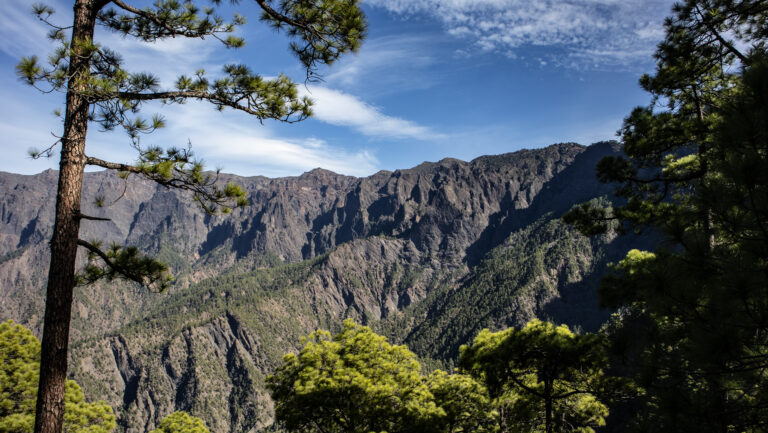
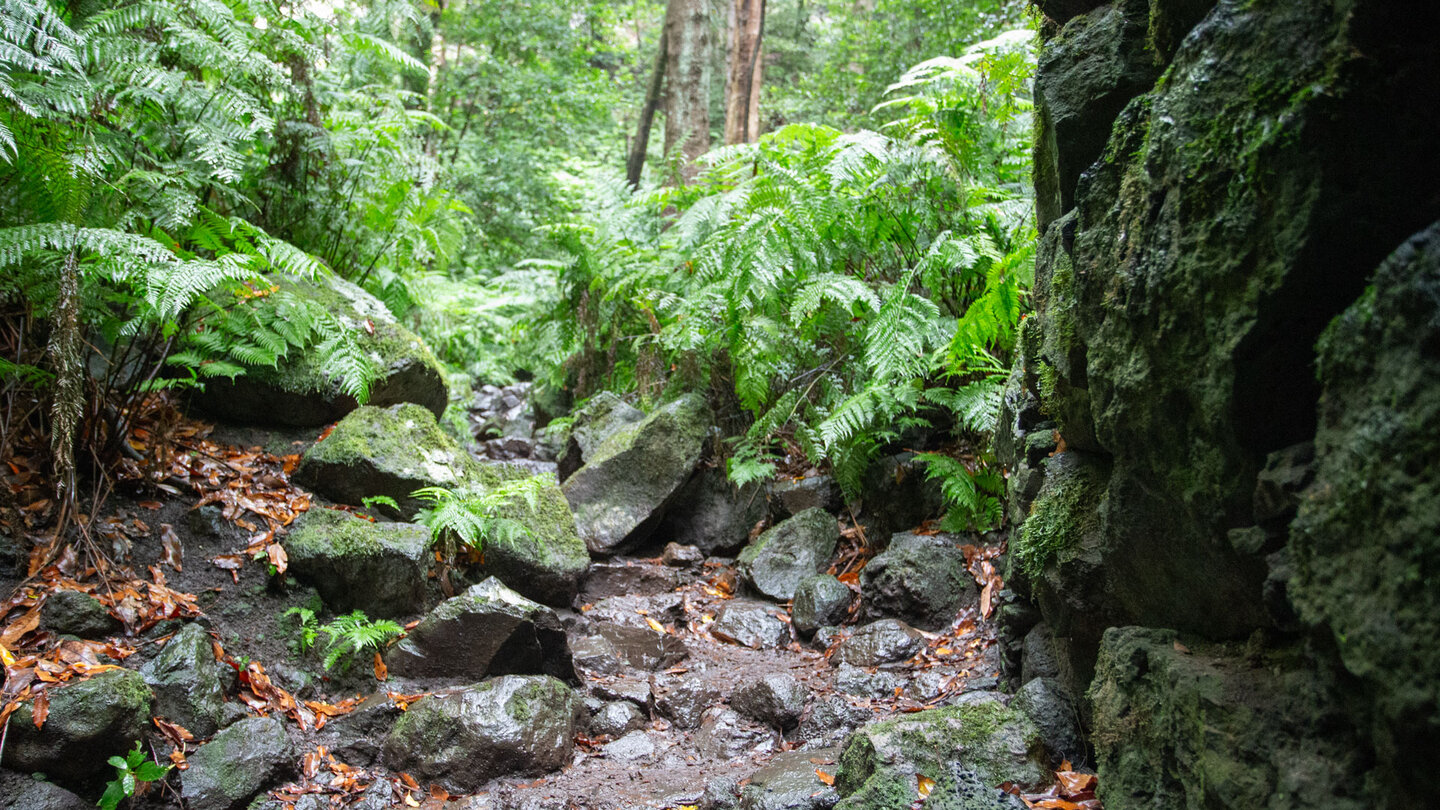
There are forests on La Palma that you enter and immediately know: something here is different. The Cubo de la Galga in the northeast of the island is such a forest. The air is heavy with moisture, the trunks old and moss-covered, the light fighting its way through a canopy built up over decades. Anyone who walks the PR LP 5.1 circular route moves through one of the best-preserved laurel forests on La Palma – a piece of nature that seems to have remarkably stopped time.
A Forest from the Tertiary
The Laurisilva – the Canary Islands’ subtropical laurel forest – is not a young forest. It is a direct descendant of the forest communities that covered large parts of Europe, North Africa and West Asia around 65 million years ago. As the climate grew drier, it disappeared from the continent. On the Atlantic islands it survived – and in the Cubo de la Galga in a form that has botanists worldwide taking notice. The Canarian laurel forest has held UNESCO World Heritage status since 1999.
The Tree Species of the Laurel Forest
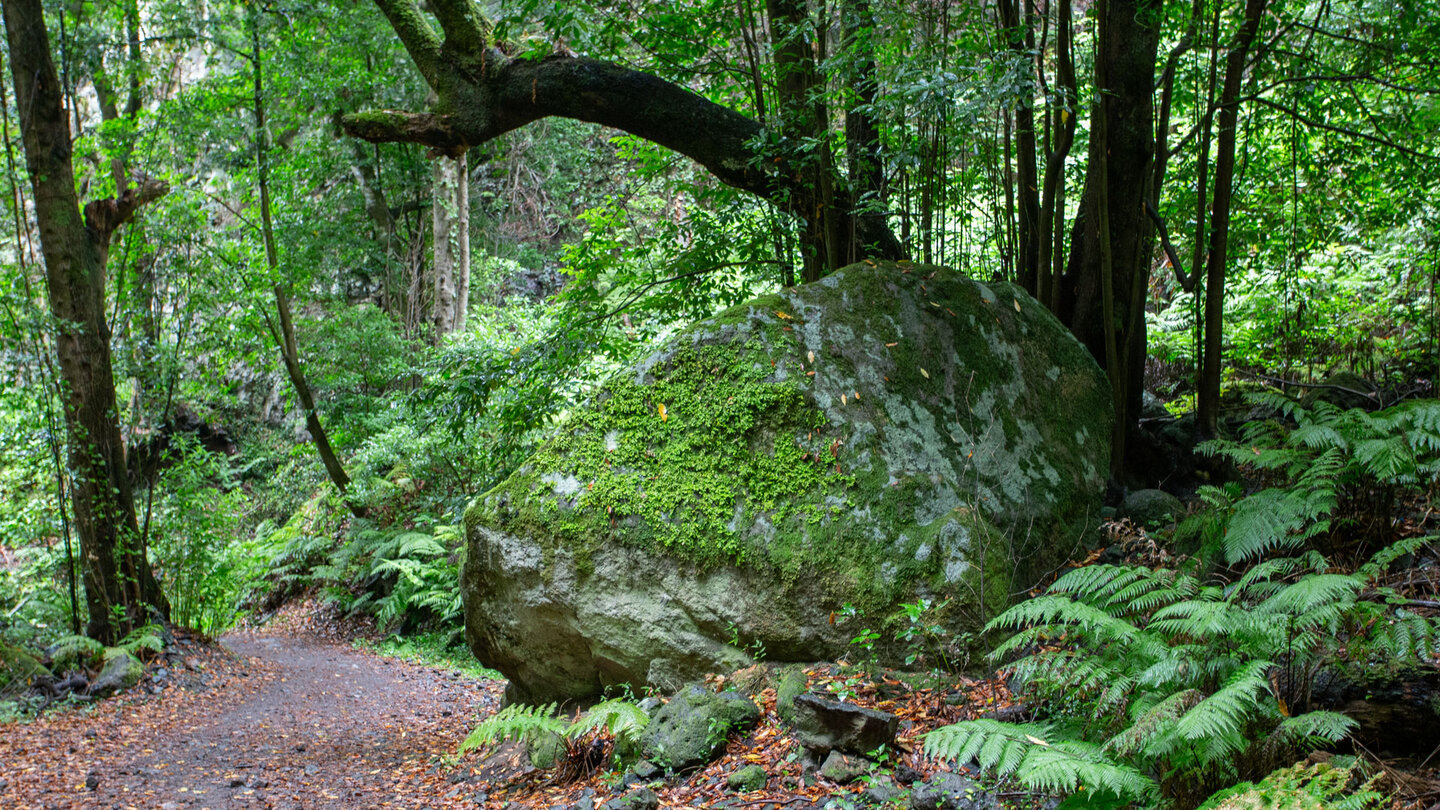
Laurel, til (Ocotea foetens), viñátigo (Persea indica), tree heath, erica – anyone walking through the Cubo de la Galga discovers a world of trees with no equivalent in Central Europe. The trees carry epiphytes – mosses, lichens, ferns – that cover every branch and every stone. It’s a diversity you have to see to believe.
The Circular Hiking Route PR LP 5.1
The roughly 8.4-kilometre loop leads through the core of the protected area, past streams, along forest paths offering dramatic views down into the gorge, and back to the starting point. Its moderate difficulty and manageable length make it one of the most accessible laurel forest excursions on La Palma – challenging enough to feel truly outdoors, but not so long that it takes up a whole day.
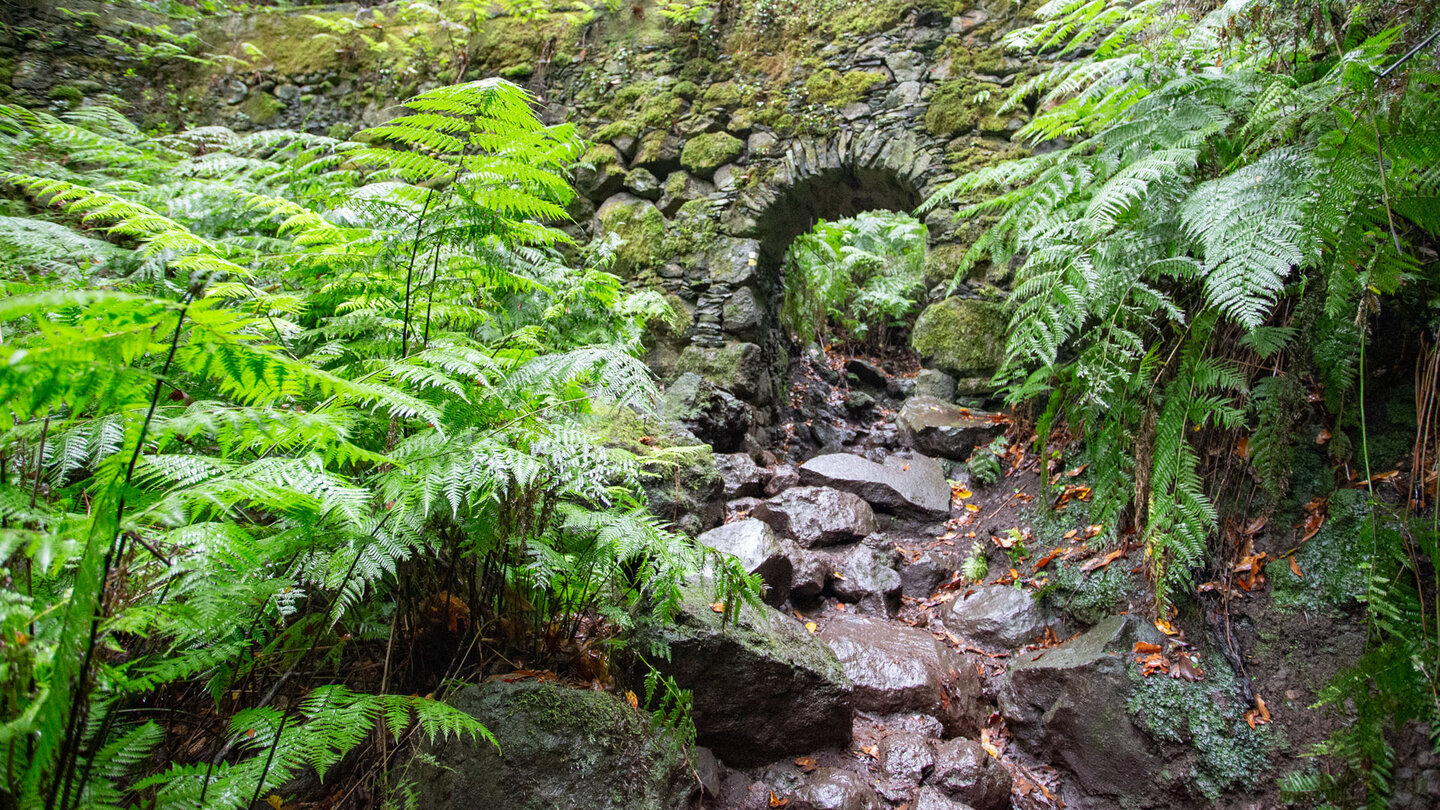
Along the way you pass an old stone-built aqueduct – a remnant of the historic irrigation system that once supplied the farmers of the northeast with water. Relics of this agricultural history can be found on many of La Palma’s old forest paths.
The Best Time to Visit
The Cubo de la Galga is accessible year-round – but in autumn and winter, when the trade wind clouds wrap the north-facing slopes in mist and the forest appears in its wettest form, it shows itself at its most beautiful.
Best Time of Day for a Visit
For nature lovers and photographers, an early morning start is especially worthwhile. Light often falls through the dense vegetation at that time, creating the laurel forest’s typical mystical atmosphere with striking plays of light and shadow.
Flora and Fauna in the Cubo de la Galga
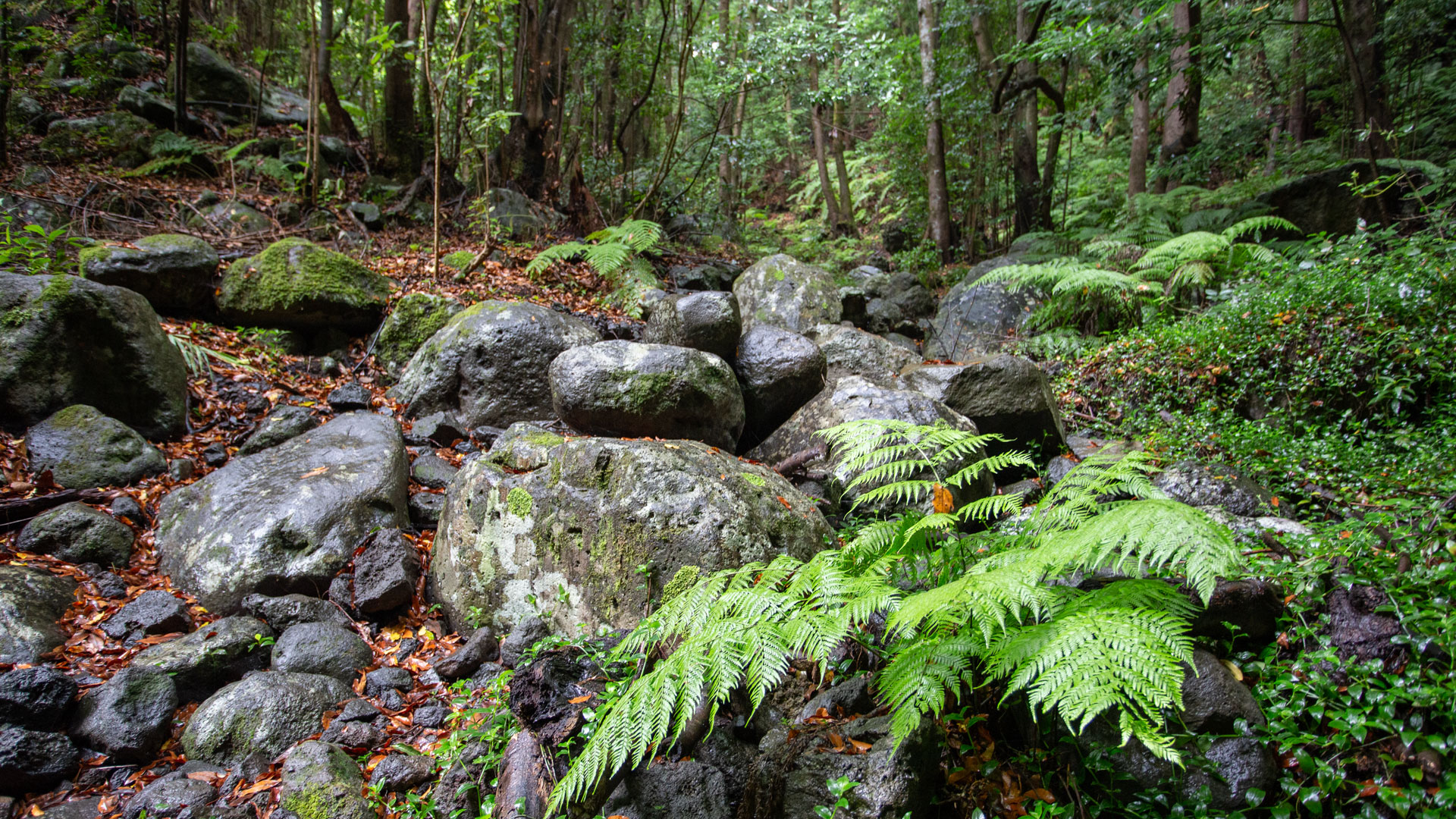
The botanical density in the Cubo de la Galga is extraordinary by European standards. Alongside the laurel forest trees, more than 30 endemic plant species grow here. Ferns reaching hip height, moss on every stone, and in the damp sections near the stream, orchids and epiphytic ferns thrive.
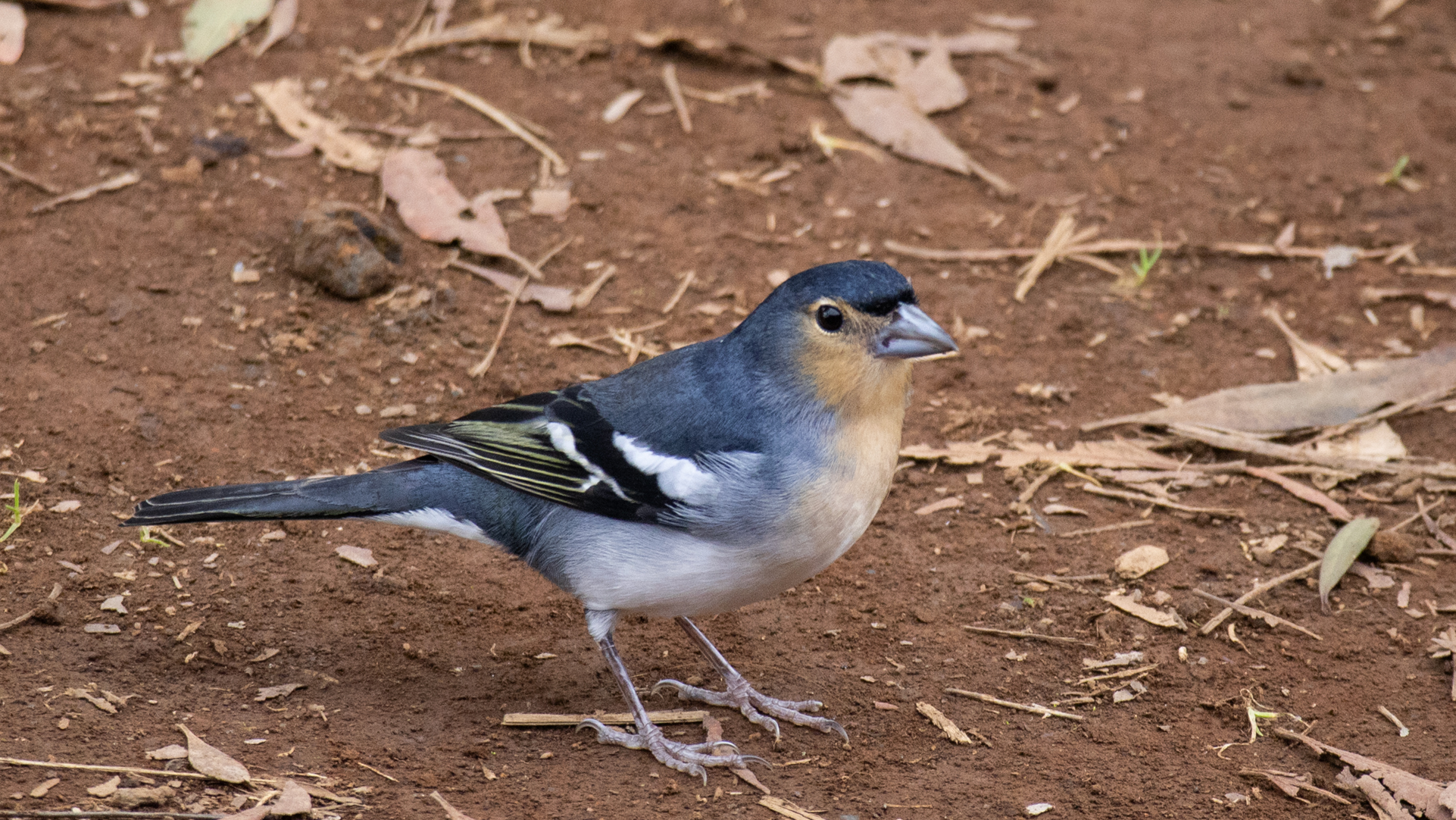
Wildlife here is discreet but present: the Canary chaffinch, the greenfinch, and rare songbirds such as the wild form of the canary live in this forest. The dawn chorus is when you can hear it most clearly.
Frequently Asked Questions (FAQ)
What is the difference between the Cubo de la Galga and Los Tilos?
Is the route suitable for families?
Is there parking at the starting point?
Do I need hiking boots for the Cubo de la Galga?
Is the laurel forest worth visiting even with clouds or light rain?
Can I do the hike spontaneously, without planning ahead?
When is the best time for photography?
The History of the Cubo de la Galga
The name Cubo de la Galga refers to the characteristic basin shape – a cubo is a water container or trough – and to the village of La Galga below. This part of La Palma’s northeast coast was historically known for its abundance of water and dense forest. While forests elsewhere on La Palma were cleared for agriculture, the Cubo de la Galga was preserved – initially because of the steep terrain, later through active protection.
Today the Cubo de la Galga is part of the nature park and one of the few areas of La Palma where the laurel forest still survives in its original extent. The PR LP 5.1 circular route was deliberately laid out to give visitors access without putting the most sensitive areas under pressure.
Practical Tips for the Hike Through the Cubo de la Galga
The PR LP 5.1 circular route has a clearly marked starting point on the LP-109 near La Galga. The trail is well-marked throughout, but in wet weather some sections can be slippery. Trekking poles are recommended. Start early in the morning – from around 10 a.m. groups from Santa Cruz may arrive and make the trail a little busier.
Starting Point and Information
At the starting point of the hike on the LP-1 road near Puntallana there is a small information point. Parking and toilets are available here. Before setting off, it’s worth taking a quick look at current notices about trail conditions or possible restrictions.
Choosing the Right Equipment
At first glance the laurel forest looks like a tropical paradise – but the trails can be demanding. Because of the high humidity and the fine mist of the trade wind clouds, stones, wooden boardwalks and shaded path sections are often damp and slippery. Sturdy footwear with good grip is therefore recommended.
Even in sunny weather on the coast, a light rain or wind jacket should go in your pack. Under the dense forest canopy it can be noticeably cooler and damper than just a few kilometres away by the sea.
Don’t dress too warmly: The Cubo de la Galga lies in a completely different climate zone from the sunny coast. Many visitors set off in T-shirts and sandals – and only realise once inside the damp laurel forest that an extra layer and good footwear are worth their weight in gold.
What Makes the Cubo de la Galga Special
Compared to La Palma’s other laurel forests, the Cubo de la Galga is less well-known and less visited – and that is one of its greatest strengths. On a quiet weekday you can walk the entire circular route without meeting many other hikers. The quiet atmosphere is a big part of the experience.
Another advantage: the infrastructure is modest and honest. No visitor centre, no souvenir stand, no viewing platform with railings. The Cubo de la Galga is a nature experience in the original sense – you arrive, you go in, and you’re alone with the forest.
After the Hike: Charco Azul
The Cubo de la Galga is only 20 minutes from Santa Cruz and combines well with a visit to the capital or a stop at the beaches of the east coast.
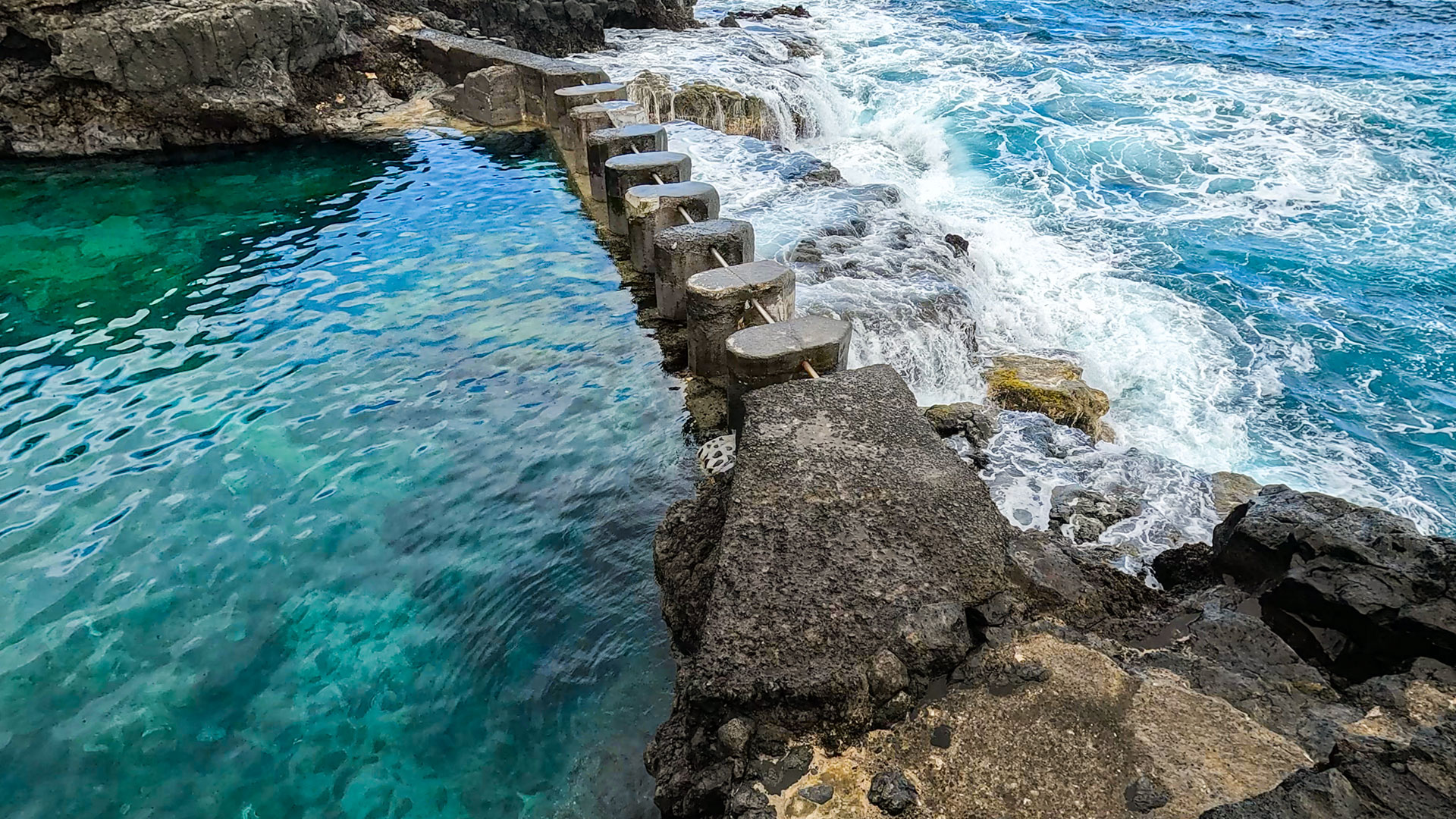
From the Cubo de la Galga it’s just a few kilometres to the Charco Azul in San Andrés y Sauces – one of La Palma’s best-known natural sea pools. These seawater pools set into the rock make an ideal finish after a forest hike: the deep blue of the Atlantic water, the contrast with the green forest landscape – and the chance to cool off and let the day wind down.
The Northeast of La Palma as a Day Trip Destination
The northeast of La Palma is one of the island’s least touristy regions – and one of its most beautiful. Between the Cubo de la Galga, the Charco Azul, Los Tilos and the small village of La Galga you’ll find a concentration of nature and authenticity that is rarely found in such density. Anyone spending a full day in this corner should combine the route: Cubo de la Galga (morning) – La Galga (lunch at one of the small restaurants) – Charco Azul (afternoon).
The village of La Galga itself is worth a stop: a small, well-preserved village with traditional architecture and a church that seems to hover on a rocky outcrop above the sea. The view from here – over the blue Atlantic and the island’s green northern slopes – is one of the most peaceful panoramas on La Palma.
Conclusion: Cubo de la Galga
The Cubo de la Galga is one of the quietest and most species-rich laurel forest excursions on La Palma – less well-known than Los Tilos, but often emptier and especially striking in damp autumn and winter weather. A truly immersive UNESCO World Heritage site.
This article is based on the on-the-ground knowledge of the Gequo editorial team – publishers of the Reisezeit hiking guides and operators of Sunhikes.com. Last updated: May 2026