La Bombilla: The Village That Survived the Lava
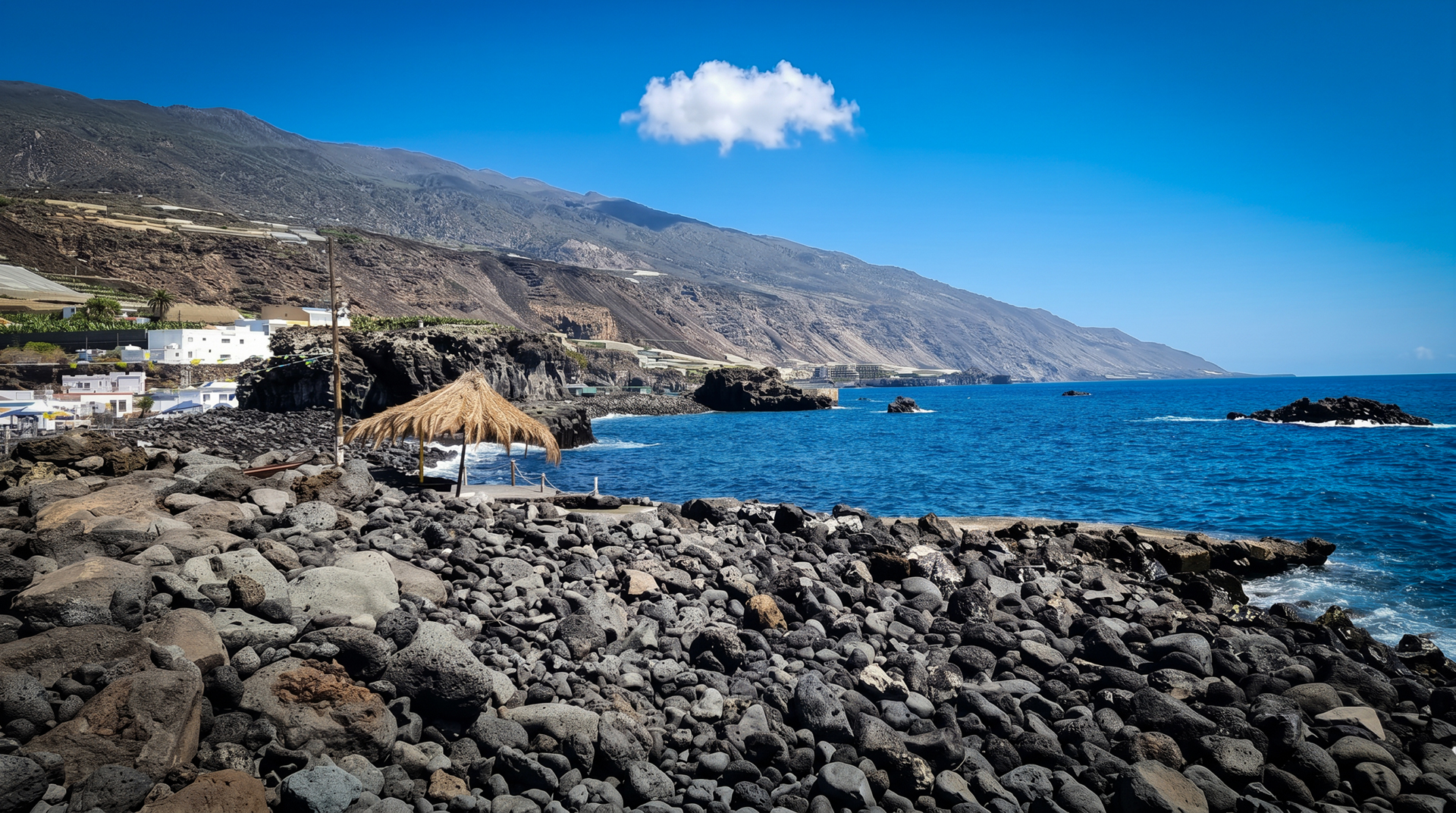
La Bombilla lies on La Palma’s west coast between the resort of Puerto Naos and the newly formed lava delta of the Tajogaite. This small coastal hamlet belongs mainly to the municipality of Los Llanos de Aridane, with a small section in Tazacorte. Before the 2021 eruption, La Bombilla was a quiet place of simple fishermen’s cottages, narrow lanes, and a small beach — nestled between banana plantations and the Atlantic.
The Eruption and Its Aftermath
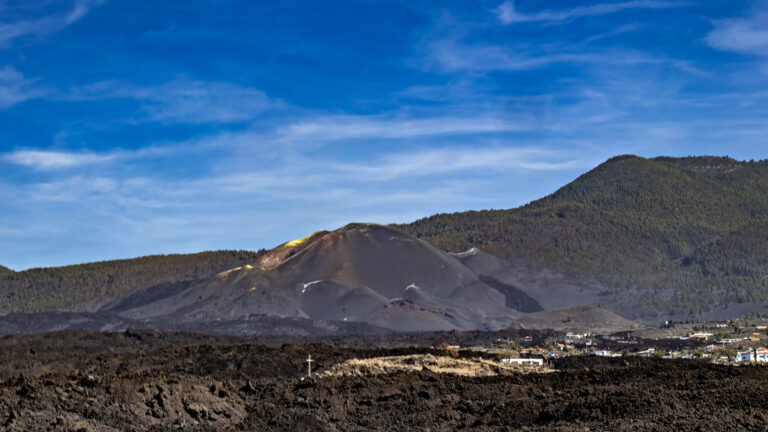
The Tajogaite lava flows reached the sea north of La Bombilla and permanently altered the coastline. The village itself, however, remained largely intact and was not engulfed by lava.
Nevertheless, La Bombilla is among the most severely affected places on the west coast. After the eruption ended, persistently high concentrations of carbon dioxide (CO₂) began seeping from the ground in the area. As the colourless, odourless gas is heavier than air, it accumulates in low-lying areas and enclosed spaces, posing a serious risk. As a result, La Bombilla has been largely closed to the public since the eruption ended.
La Bombilla Today
Even years after the eruption ended, La Bombilla remains subject to severe access restrictions due to ongoing CO₂ emissions. Access is regulated by authorities and — depending on current hazard levels — is only possible under special safety conditions.
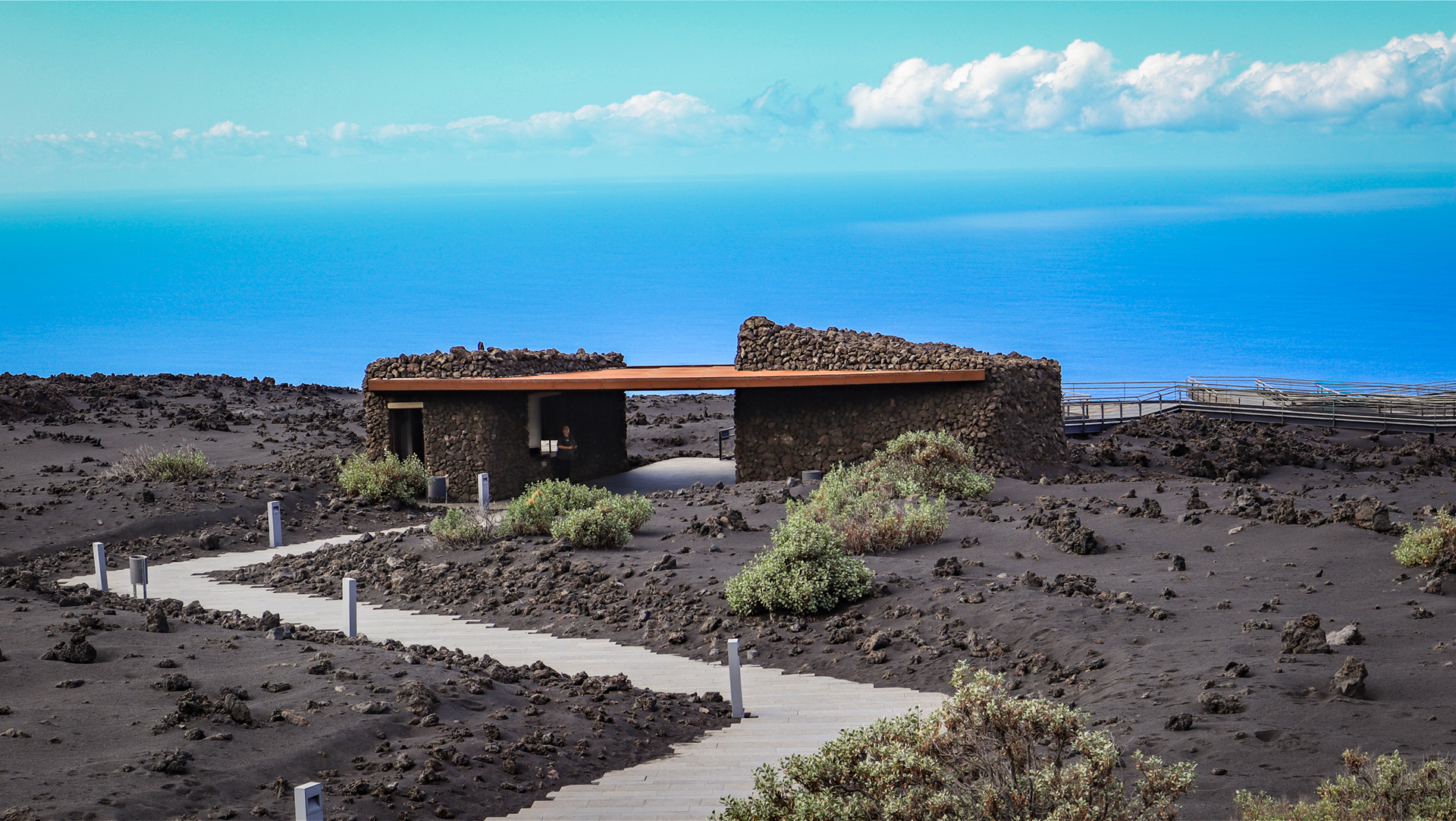
Those wishing to learn about the effects of the volcanic eruption can instead visit the approved viewpoints around the lava delta, as well as the Caños de Fuego visitor centre in Las Manchas. There, the formation of the Tajogaite, the new lava field, and the ongoing volcanic processes are explained clearly.
Note
La Bombilla is not a freely accessible day-trip destination due to ongoing CO₂ gas emissions. Access regulations can change at any time. Always check current advisories from the responsible authorities before visiting.
Conclusion
La Bombilla is a vivid reminder that a volcanic eruption continues to have an impact long after the lava stops flowing. Although the village itself escaped destruction, invisible CO₂ gases have prevented normal daily life from resuming to this day. Those wishing to understand the story of the Tajogaite will find the right starting points at the approved viewpoints and the Caños de Fuego visitor centre.
Frequently Asked Questions
Is La Bombilla freely accessible after the eruption?
Was La Bombilla destroyed by the lava?
Where is La Bombilla located?
Where can I learn more about the volcanic eruption?
This article is based on the on-the-ground knowledge of the Gequo editorial team – publishers of the Reisezeit hiking guides and operators of Sunhikes.com. Last updated: May 2026