Museums & Sights on La Palma – From the Observatory to the Lava Tube
La Palma has no overcrowded mega-museums and no tourist attractions with hour-long queues. Instead, visitors find places that tell stories found only here: the world’s largest single optical telescope at the Roque de los Muchachos, a walkable replica of a historic Columbus ship, mysterious rock carvings of the indigenous people deep in the cloud forest, or one of the last working silk workshops in Europe. Those who visit these places discover the true face of La Palma – in a way that no hiking trail or beach can match.
The Gran Telescopio Canarias – World Record at 2,426 Metres
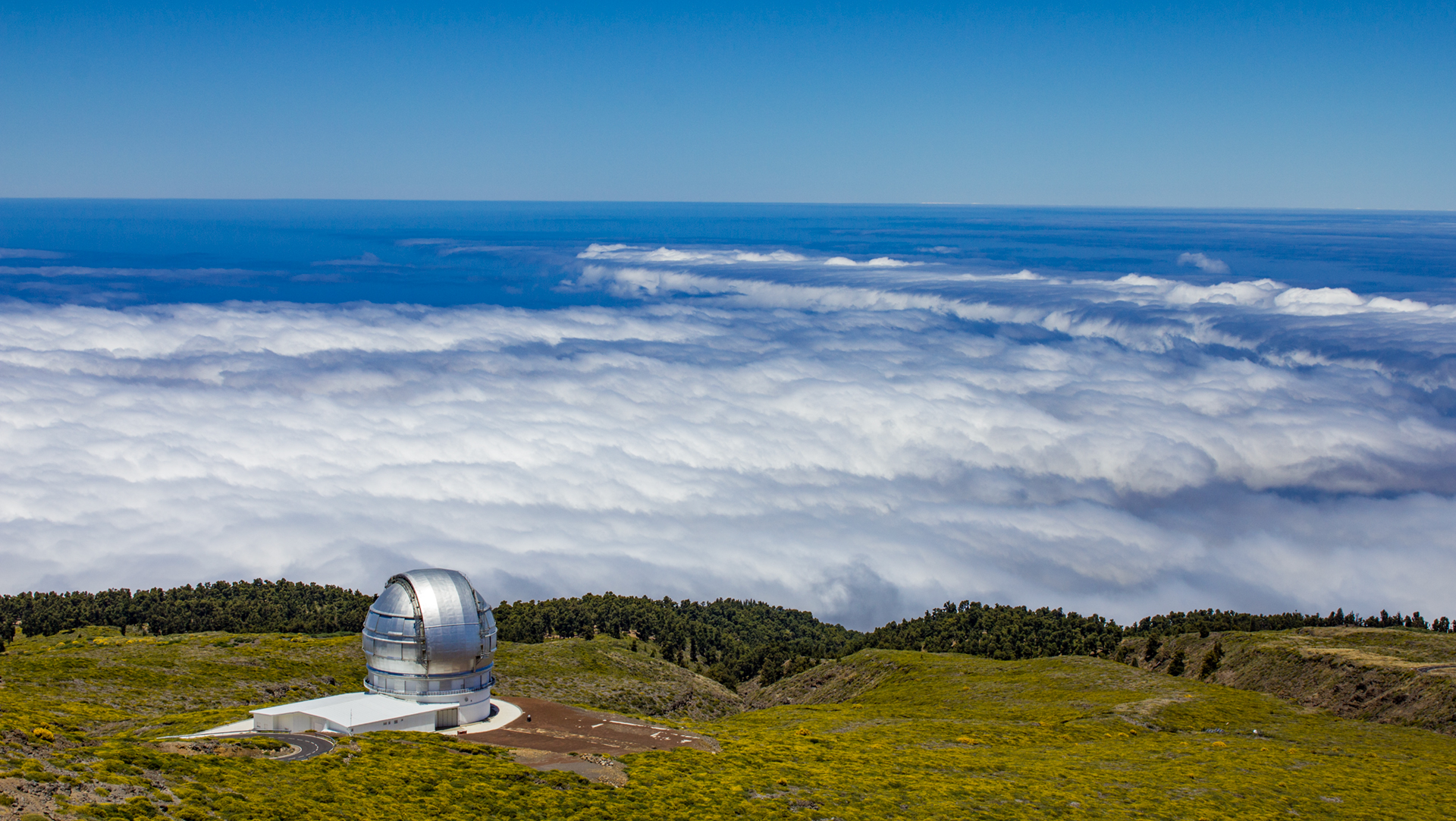
The Observatorio del Roque de los Muchachos (ORM) is one of the world’s most important astrophysical research facilities. Its centrepiece is the Gran Telescopio Canarias (GTC). With its segmented primary mirror measuring 10.4 metres in diameter, it is the largest single optical telescope on Earth.
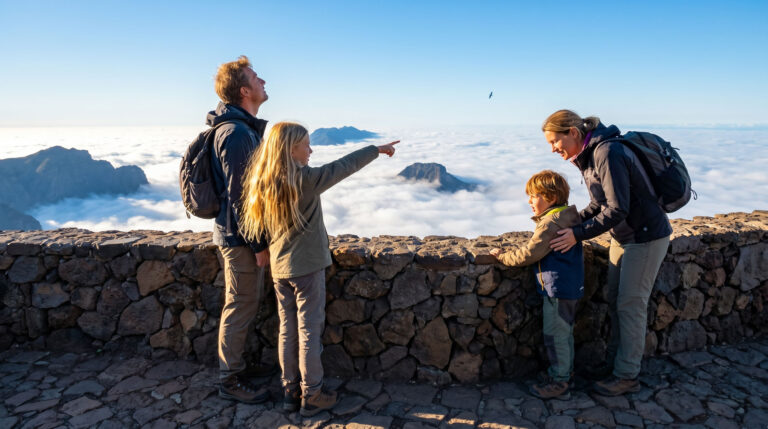
More than 20 high-performance telescopes from 19 countries take advantage of the exceptionally clear and dry air above the clouds here. Since La Palma is protected as a UNESCO Starlight Reserve, strict light-pollution controls apply across the entire island.
| Opening Hours | Guided tours take place during the day only (the telescope is in research operation at night). |
| Booking | Essential to book weeks to months in advance via the official IAC portal (Instituto de Astrofísica de Canarias) or specialist agencies (e.g. Ad Astra La Palma, AstroLaPalma). |
| Price | Approx. €20–40 per person (depending on provider). |
| Minimum Age | Children must be at least 12 years old to enter the telescope dome. |
| Getting There | Via the winding LP-4 mountain road. In winter (January–March), always check road conditions before departing – closures due to ice or snow are possible. |
Barco de la Virgen – The Columbus Ship in the Harbour
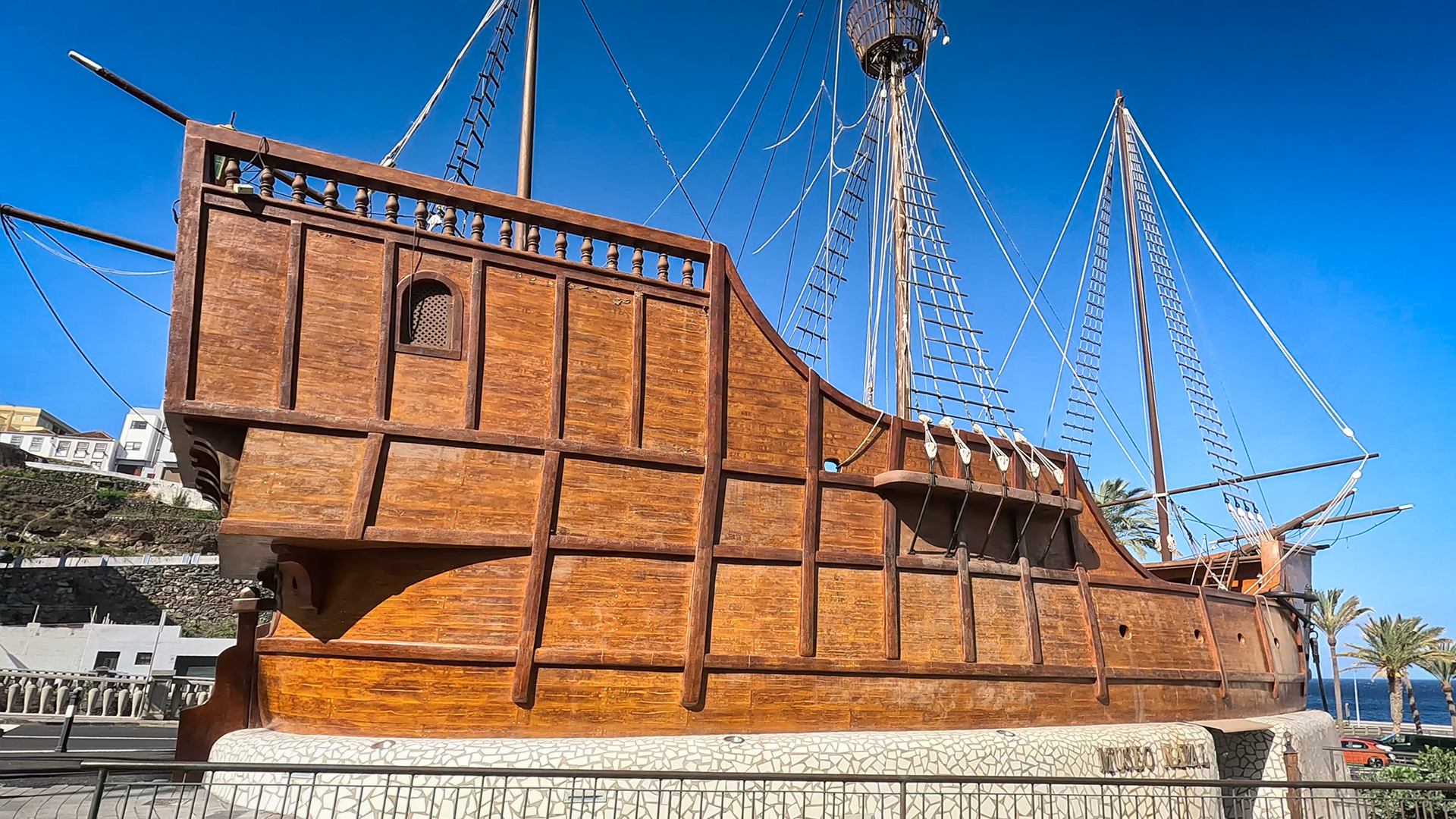
Right at the northern end of Santa Cruz de La Palma’s old town lies a true-to-scale replica of the Santa María, Christopher Columbus’s famous flagship.
Today it houses the Museo Naval. Historic sea charts, navigation instruments and ship models trace the island’s maritime history. Walking through the narrow cabins quickly makes clear the conditions under which sailors once crossed the Atlantic.
Museo Insular – The Heart of the Island’s History
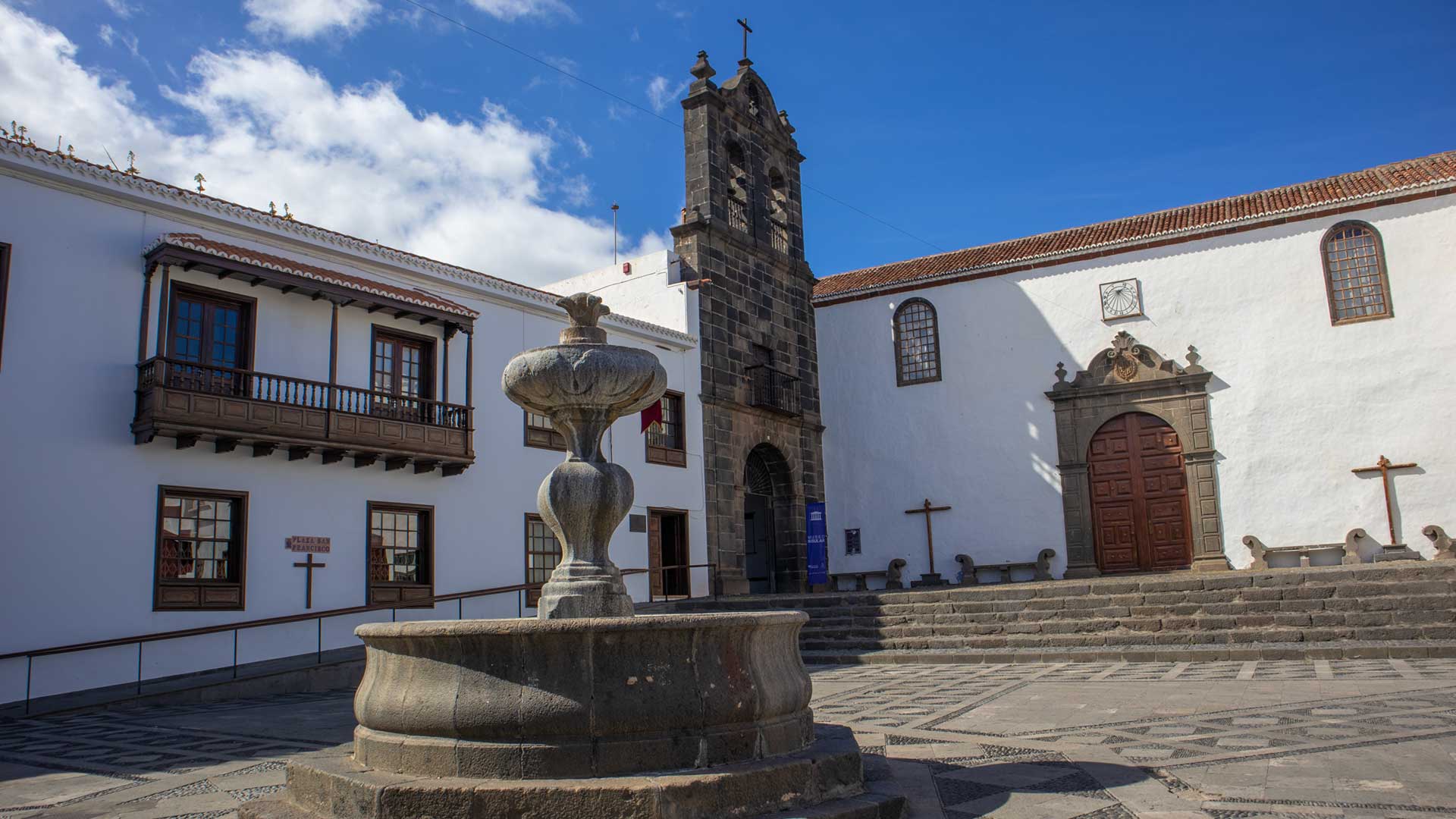
Housed in a former 16th-century Franciscan monastery in Santa Cruz, this is the island’s most wide-ranging museum. Natural history, ethnography, archaeology and fine art are all presented here under one roof.
The tour reveals historic looms, marine finds, religious art and significant paintings. Anyone wanting to understand the history of La Palma will find the ideal starting point here.
MAB – Museum of the Indigenous People
The Museo Arqueológico Benahoarita (MAB) in Los Llanos de Aridane is the most important museum dedicated to the history of La Palma’s indigenous people.
Interactive exhibitions, ceramics, tools, cave reconstructions and original finds provide a comprehensive insight into the life of the Benahoaritas before the Spanish conquest.
Museo de la Seda – Silk from El Paso
In El Paso, the centuries-old art of silk production is kept alive to this day. At the Museo de la Seda, visitors can follow the entire manufacturing process live – from the silkworm through the unwinding of the cocoons to the finished fabric on historic looms. The museum is not a conventional exhibition, but an active workshop and one of the last of its kind in Europe.
Maroparque – Botanical Garden and Animal Rescue Centre
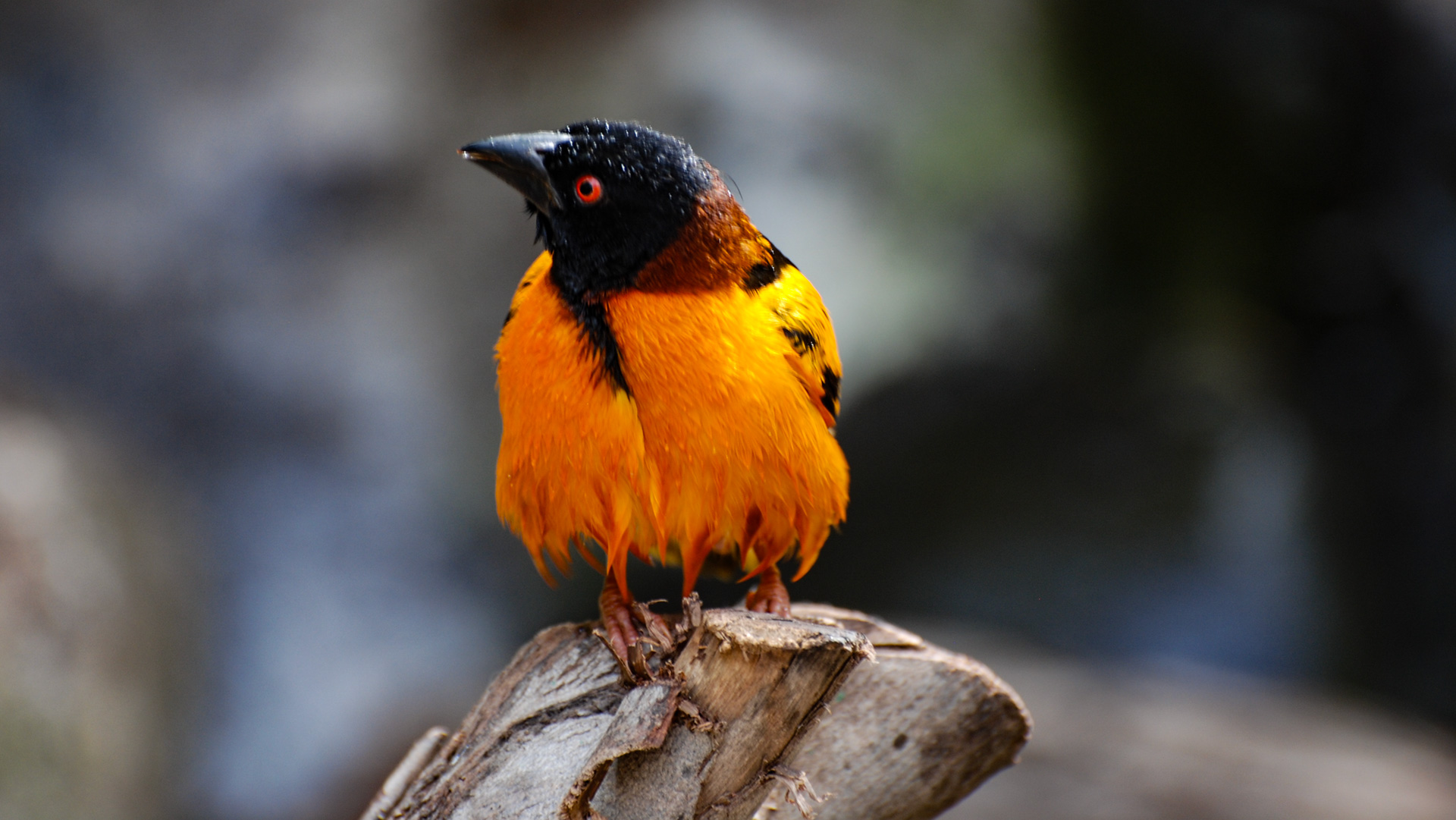
Maroparque in Breña Alta combines a botanical garden with an official rescue centre for exotic animals. Wooden walkways lead through tropical plants and large walk-in aviaries. Parrots, birds of prey, monkeys, reptiles and other rescued animals can be observed at close quarters.
Admission & Hours
- Open daily 10:00–18:00
- Admission approx. €11–12.50
- Easy to combine with a visit to Santa Cruz
Parque Cultural La Zarza y La Zarcita – Petroglyphs in the Laurel Forest
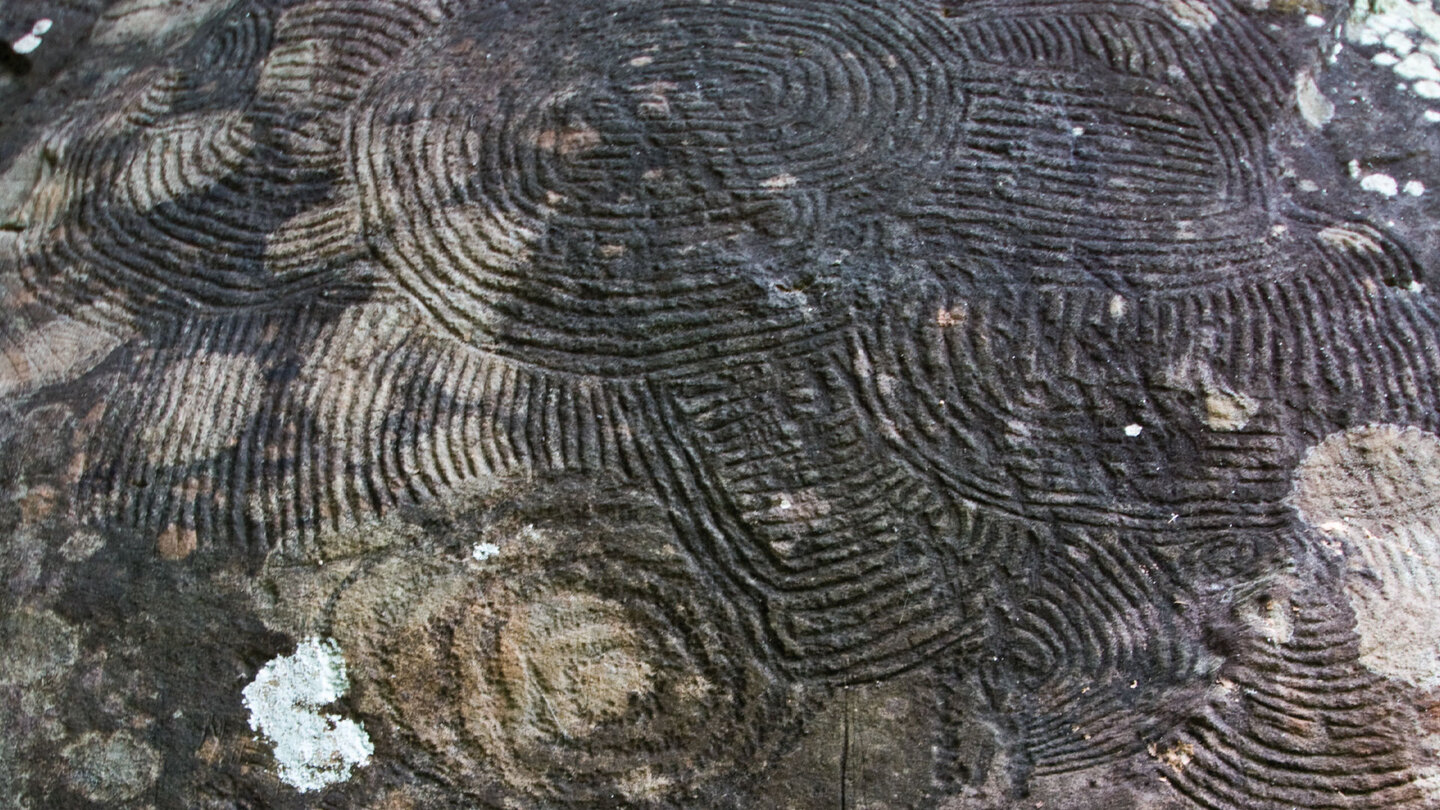
In the north of the island, near Garafía, the Parque Cultural La Zarza y La Zarcita sits at around 1,000 metres altitude. A shaded circular trail winds through laurel and pine forest to the most significant rock carvings in the Canary Islands. Spirals, circles and meanders bear witness to the culture of the Benahoaritas.
Note 2026: The visitor centre may be temporarily closed. It is worth checking current status before making the journey. The hiking trail itself is generally accessible.
More Museums at a Glance
| Museum | Location | Theme & Highlight |
|---|---|---|
| Ecomuseo Belmaco | Villa de Mazo | The oldest archaeological museum in the Canary Islands, with rock carvings inside a real cave dwelling. |
| Museo del Plátano | Tazacorte | Everything about the Canarian banana – the fruit that brought prosperity to La Palma. |
| Casa Museo del Vino | Las Manchas | The island’s winemaking history, with an attached tasting room for Malvasia wines. |
| Museo del Puro Palmero | Breña Alta | The traditional production of the world-famous hand-rolled La Palma cigars. |
| Museo Casa Roja | Villa de Mazo | Famous embroidery and the intricate art of Corpus Christi salt carpets. |
| Casa Luján | Puntallana | A historic 19th-century manor house that shows what rural island life once looked like. |
Practical Notes
Most museums open in the morning and again in the late afternoon. Many close on Mondays. Admission is often under €5; larger museums and special exhibitions may cost more. It is worth checking current opening hours before visiting, as smaller museums may adjust their times seasonally.
Conclusion:
Those interested in astronomy should visit the observatory at the Roque de los Muchachos. The Barco de la Virgen offers fascinating insight into the island’s maritime history, while the Museo de la Seda showcases living craftsmanship. The MAB, La Zarza and Belmaco lead deep into the world of the Benahoaritas and rank among the most impressive cultural sites in the Canary Islands.
Frequently Asked Questions
How far in advance should I book a guided tour of the observatory?
Which museum is best to visit in bad weather?
Are the museums on La Palma accessible for visitors with mobility needs?
Which museum is particularly suitable for families with children?
Can you visit several museums in one day?
This article is based on the on-the-ground knowledge of the Gequo editorial team – publishers of the Reisezeit hiking guides and operators of Sunhikes.com. Last updated: May 2026