Barranco Fagundo – Where the North Falls into the Depths
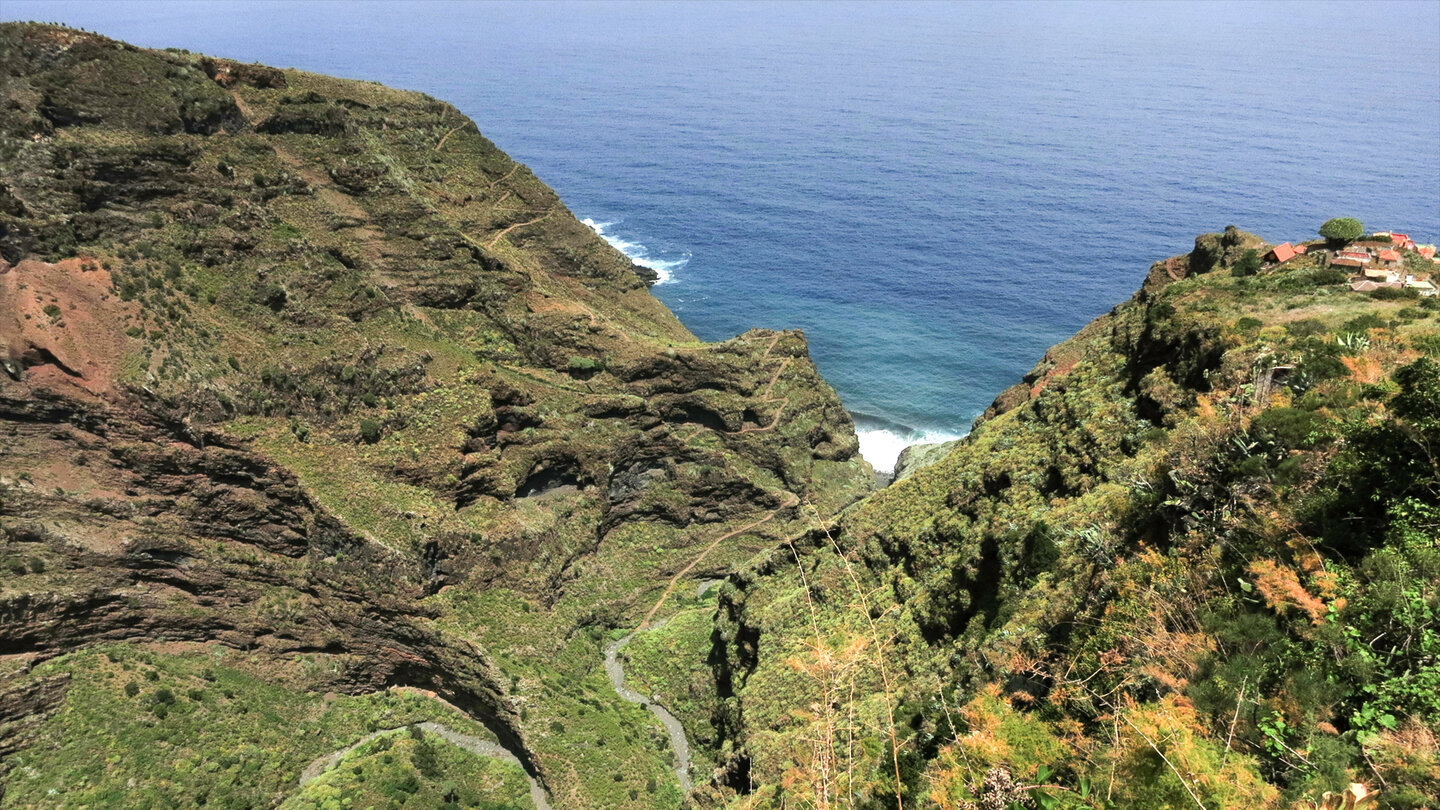
There are gorges on La Palma that you look at from above. And then there is the Barranco Fagundo. You don’t just look at this gorge – you fall with it. A steep zigzag path corkscrews down from El Tablado into the interior of the rock, past exposed rock layers that shimmer in yellow, red and ochre, past vegetation squeezing into every crevice, and past a streambed far below that carries water from the wild north down to the sea.
The Wildest Gorge in the North
The Barranco Fagundo is considered one of the most impressive gorges on the entire island. It lies in the municipality of Garafía in the north – a region considered the wildest and most inaccessible on the island even among La Palma connoisseurs. The village of El Tablado perches on a mountain spur between this gorge and a second one, enclosed by ravines on both sides: a village built for seclusion.
The Rock Layers as a Book of Island History
What makes the Barranco Fagundo so appealing to geologists and nature lovers is how erosion has worked here: the walls of the gorge expose different layers of rock that tell La Palma’s formation story in colour. Deep basalt grey, pink palagonite, ochre-yellow tuff – anyone descending the path reads the island’s volcanic history from top to bottom.
Mirador Barranco Fagundo
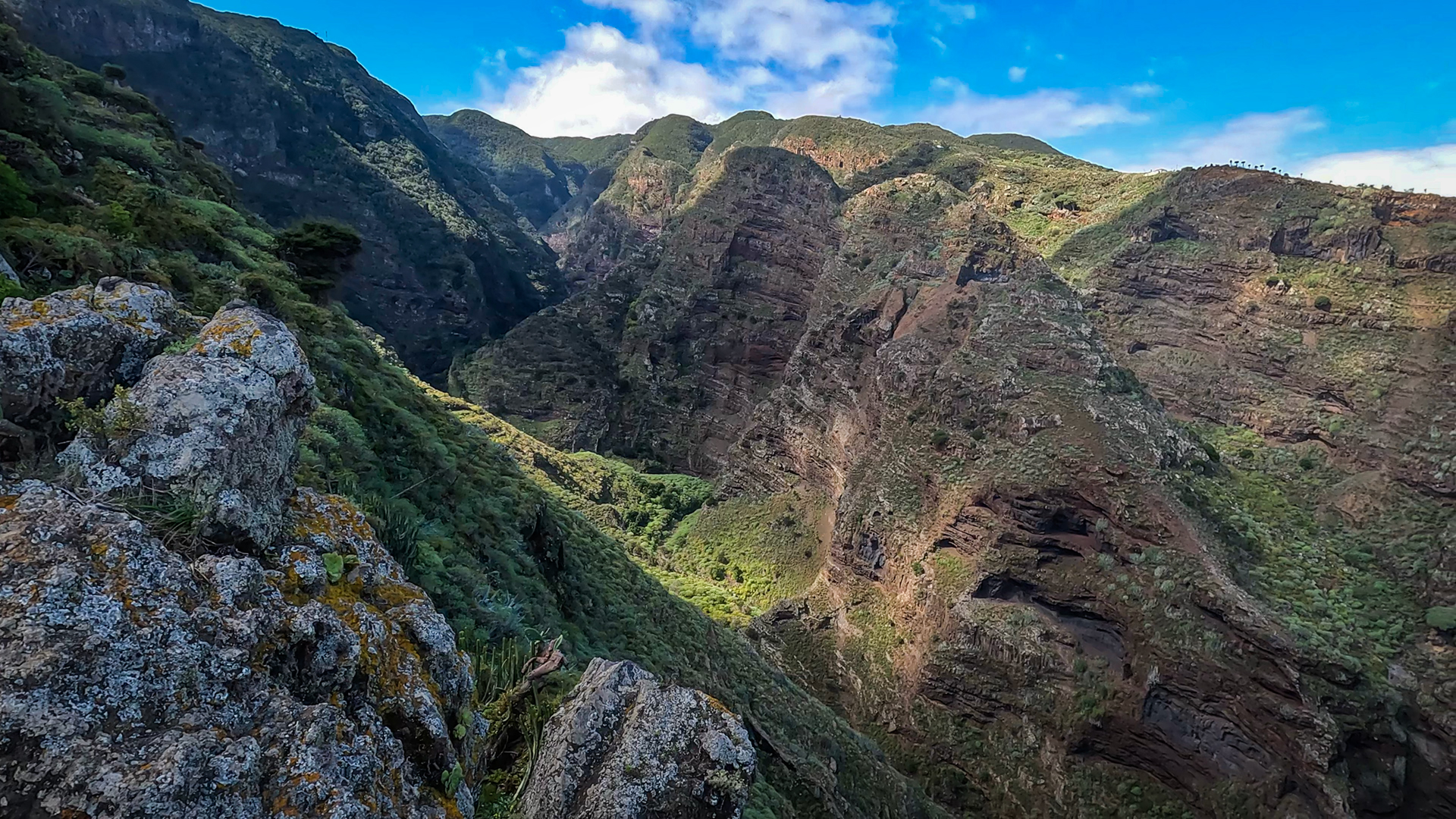
From the Mirador Barranco Fagundo – also called Mirador El Moral – you get the first dramatic view into the depths: no descent required, directly from an easily accessible viewpoint on the LP-1. Parking is free, the view is free, and the feeling of looking over the edge into another world is priceless.
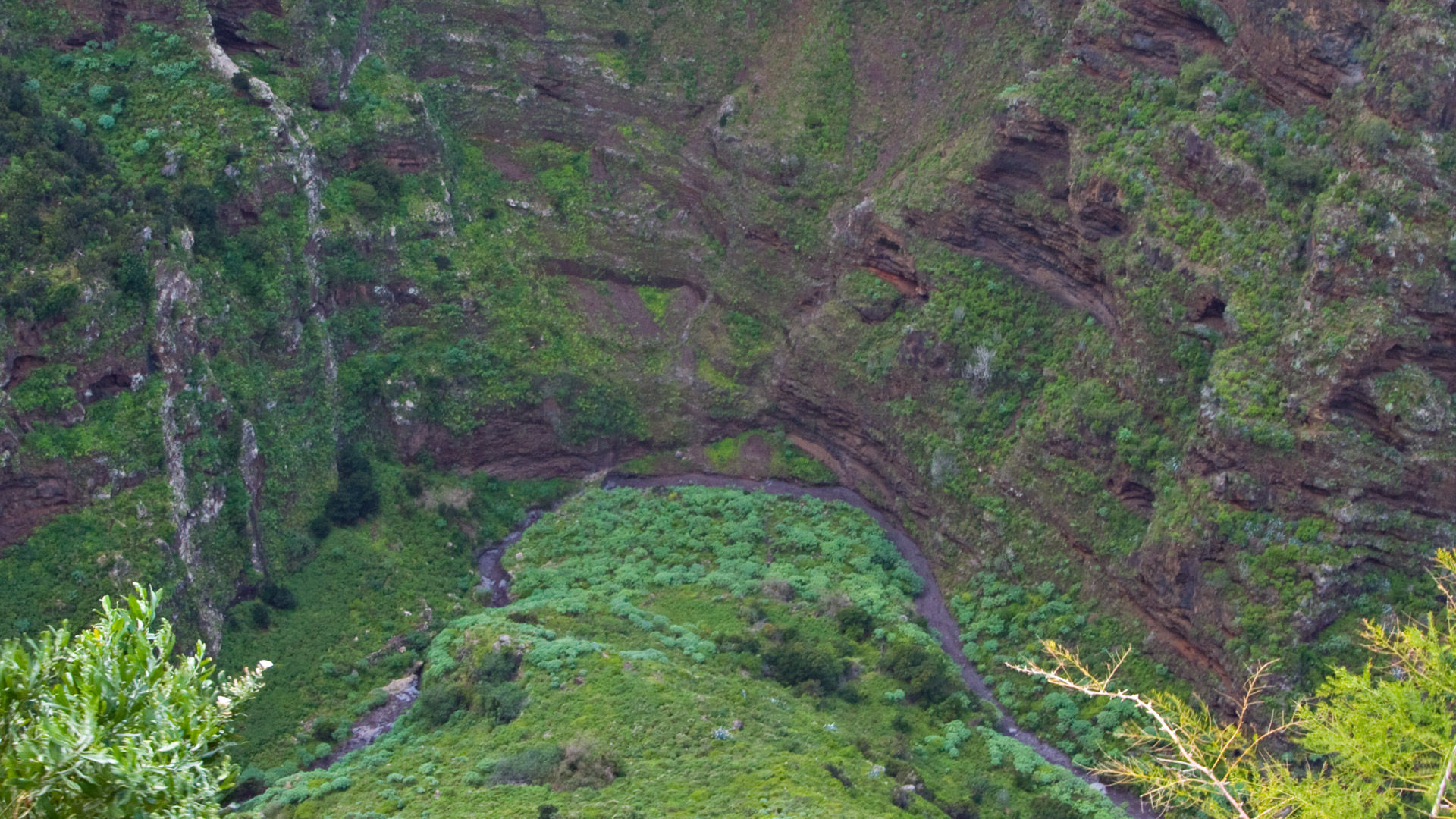
The mirador lies north of El Tablado and is signposted from the LP-1. A short walk from the car park brings you to the edge – and suddenly the gorge yawns open, almost vertically, hundreds of metres down.
The Descent into the Gorge
For anyone who wants more than the view from above, the descent into the gorge begins at El Tablado: demanding, rewarding, unforgettable. The path follows an old mule track that winds down the flank of the gorge in switchbacks. The vegetation changes dramatically along the way: dry tree heath and spurge up top, laurel and ferns further down where the humidity increases.
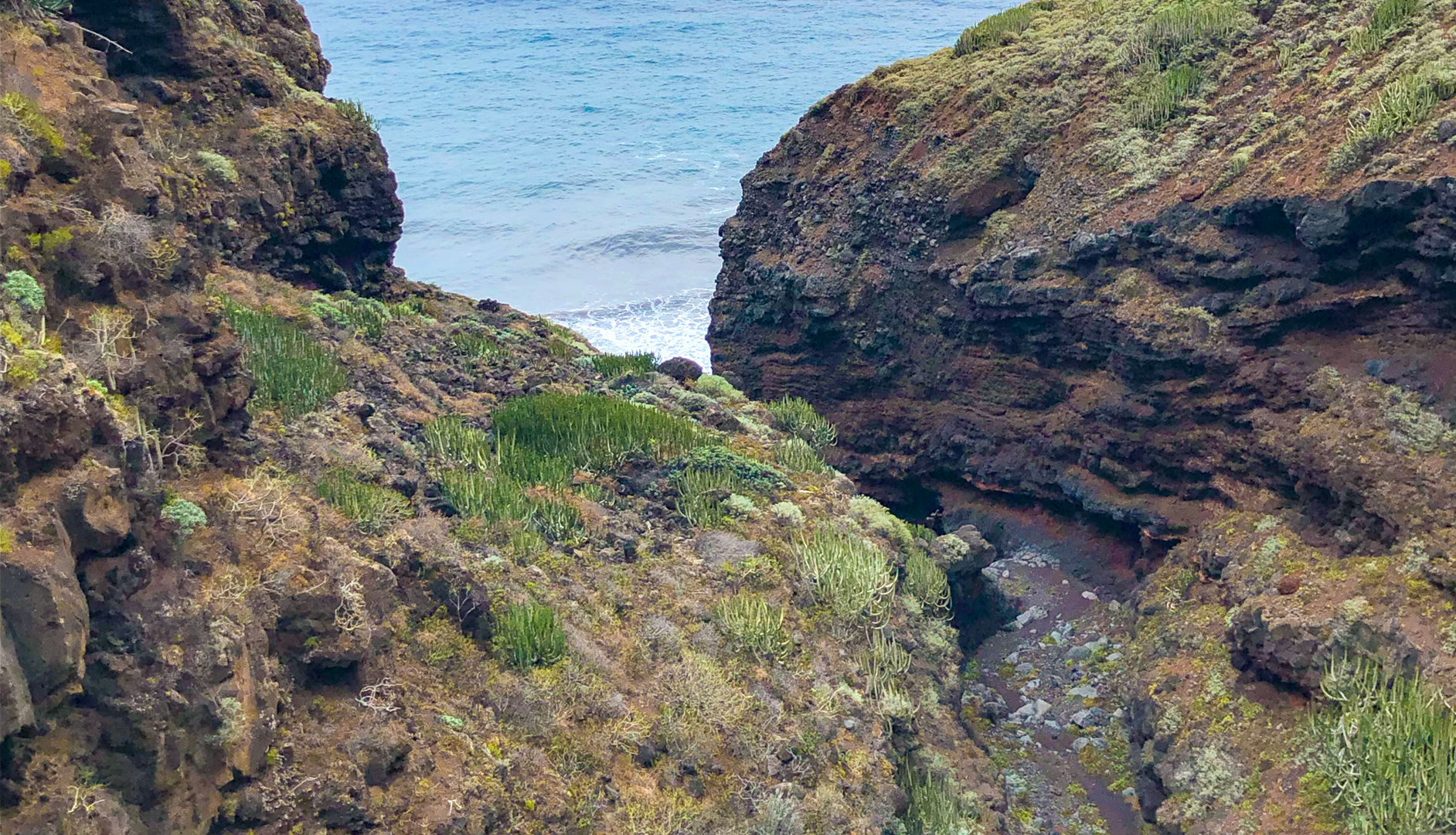
Note: The descent is steep and requires good footwear with grip. The path can be slippery after rain. Allow significantly more time for the climb back up than for the descent.
The Village of El Tablado
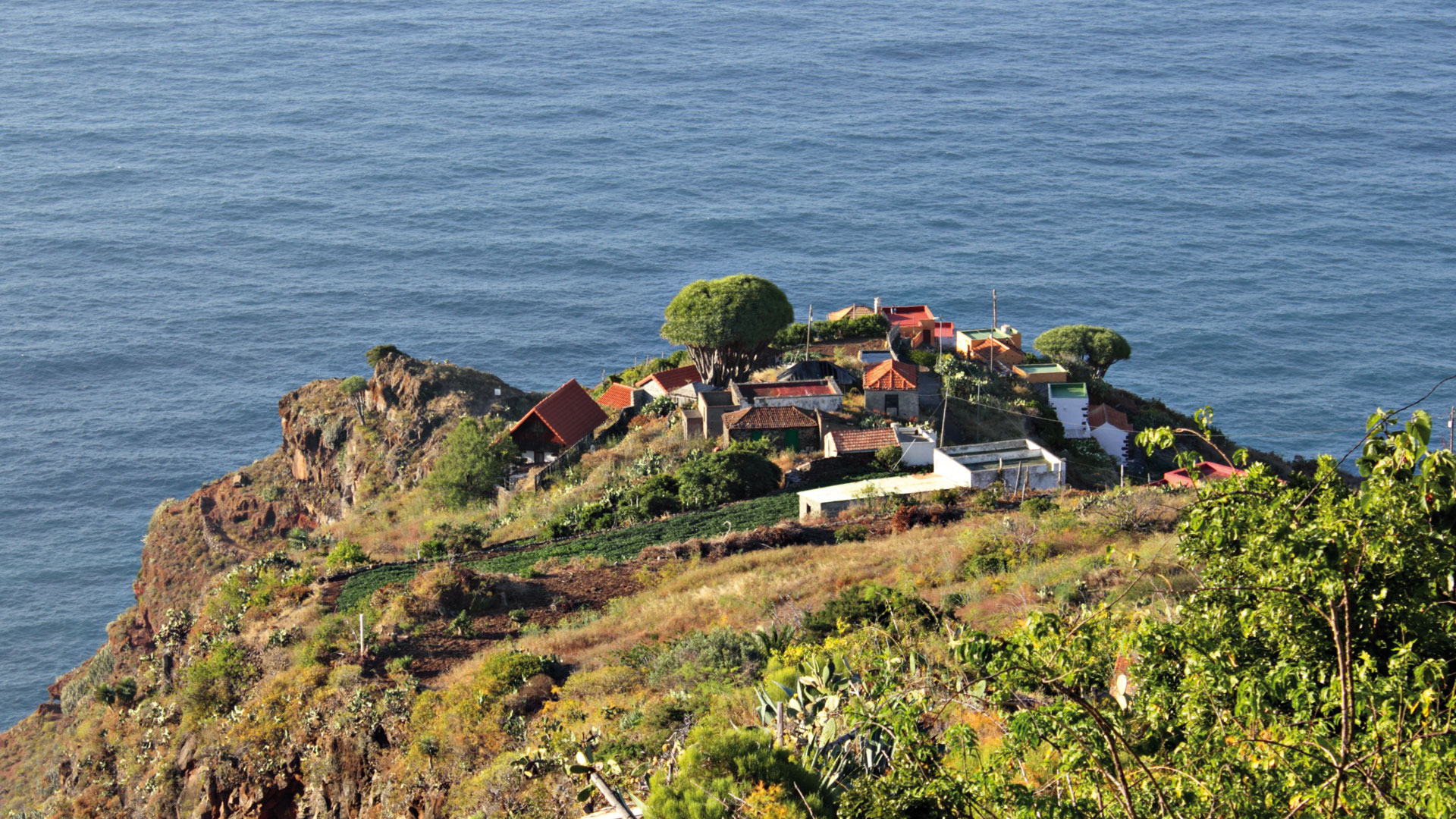
El Tablado itself is a destination in its own right. The small mountain village in Garafía, framed by two gorges, is one of the most remote inhabited places on La Palma. Until the 1990s it was, for a long time, accessible only via mule tracks. Today a narrow road leads in – but the sense of seclusion has remained. A village that shows how La Palma lived for centuries.
The Gorge Landscape of Garafía
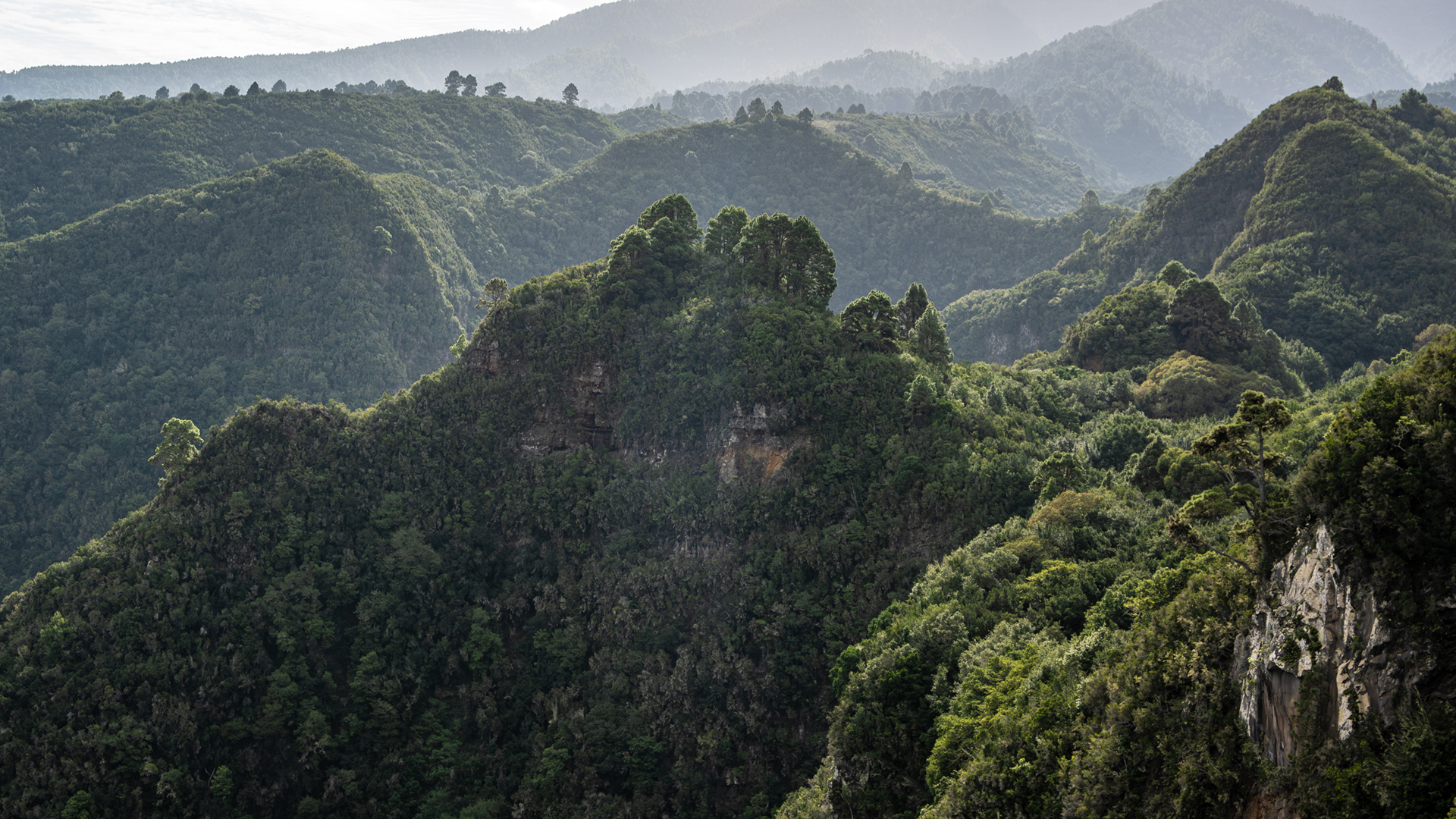
The Barranco Fagundo is just one of several spectacular gorges in Garafía. The Barranco de los Hombres, the Juan Adalid and the Barranco de Fernando Porto cut through the island’s northern flank in similar fashion – deep, narrow, with a wildness that most visitors to La Palma never see. Anyone wanting to explore the north has, with the gorges of Garafía, a lifetime’s worth of exploring ahead.
Practical Tips for the Barranco Fagundo
Fitness and Equipment
The Barranco Fagundo is no stroll. You gain considerable elevation over a short distance – both on the way down and back up. Anyone who isn’t a regular in the mountains will notice this at the latest on the return leg. Trekking poles aren’t a luxury—they are essential for saving your knees on the steep switchbacks. Bringing plenty of water is crucial: at the bottom of the gorge it can get windless and oppressively warm, even if it was still pleasant higher up.
Mirador at the cliff edge: Anyone starting the descent via El Tablado should take a short detour to the cliff edge right by the village: from the Mirador Barranco Fagundo there you look out over the wild, rugged north coast – a panorama that puts the start of the descent into an entirely different perspective.
Getting There and Return Journey
Since the Barranco Fagundo is usually walked as a one-way point-to-point hike, the return to the starting point is a logistical question. The most practical solution: the Guagua bus line 100, which connects El Tablado with Santa Cruz. Alternatively, a taxi can take you back flexibly. Anyone travelling with two vehicles can leave one at the endpoint – more effort, but self-sufficient.
Frequently Asked Questions (FAQs)
Can you visit the Mirador Barranco Fagundo without hiking?
How long does the descent into the Barranco Fagundo take?
What is there to see in El Tablado?
Is the path into the gorge passable year-round?
Can the Barranco Fagundo be done as a circular walk?
Is there anything to eat or drink in El Tablado?
How do I get to El Tablado without a car?
Garafía – La Palma’s Most Remote Municipality
The Barranco Fagundo lies in Garafía, La Palma’s northernmost and most remote municipality. This region is a world of its own on the island: hardly any tourism, traditional agriculture, world-class goat’s cheese, and a landscape still undiscovered. Anyone visiting Garafía leaves La Palma’s well-trodden tourist paths behind and steps into a La Palma that looked, 40 years ago, much as it does today.
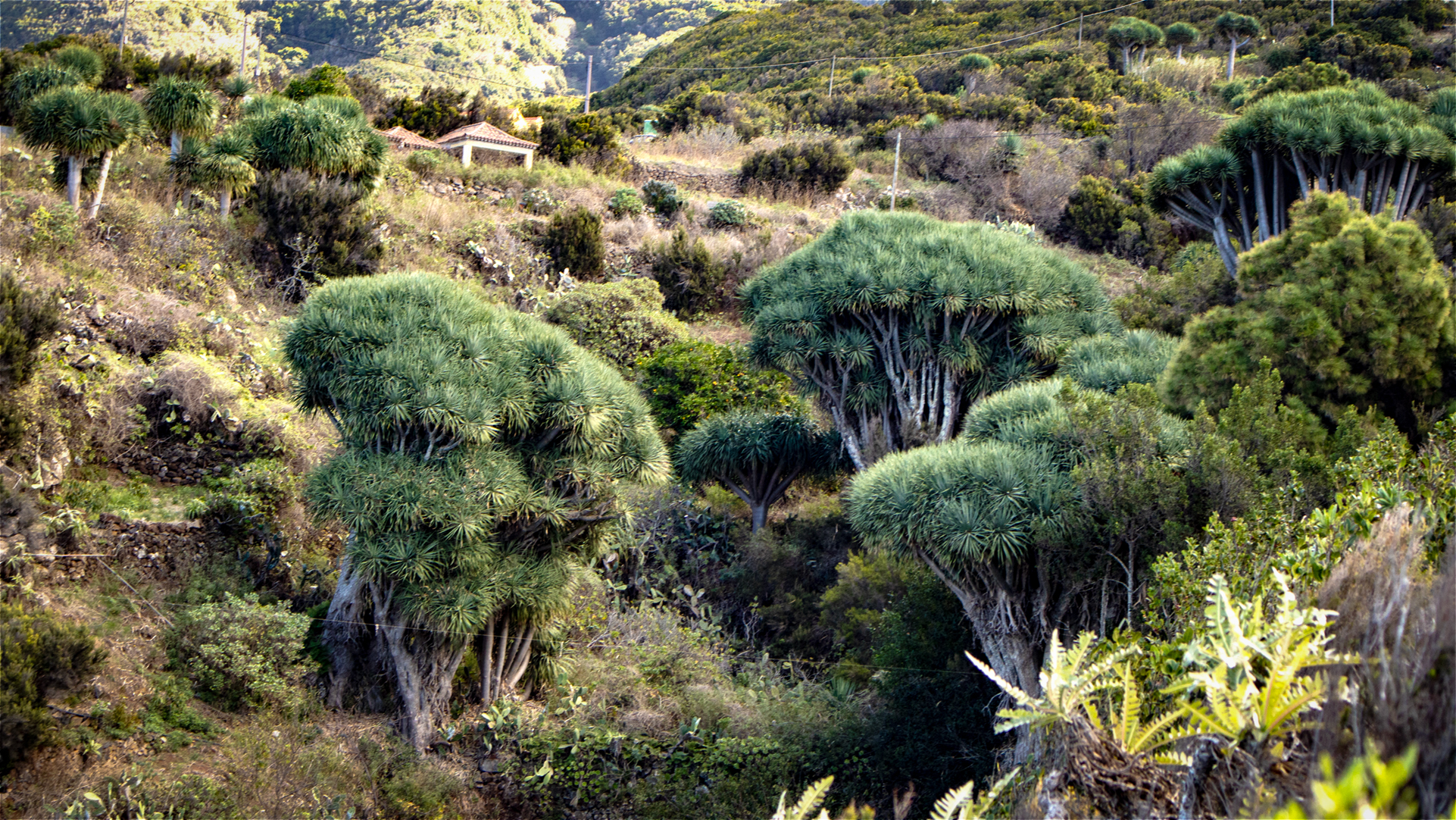
The municipality is known for its goat’s cheese, which regularly wins the top awards at Canarian cheese competitions. In the region’s few restaurants – such as Camu Camu in Las Tricias (Thu–Sun, 11am–10pm) or the Tasca El Castillo in the hamlet of El Castillo – you can often eat this cheese straight from the local producer, grilled with mojo rojo and mojo verde.
Santo Domingo de Garafía
The municipality’s main village, Santo Domingo de Garafía, sits on a mountain plateau above the gorges – a quiet village with a beautiful parish church and a small ethnographic museum documenting rural life in the wild north. The Mercadillo (market) is held on Sundays and is one of the most authentic on the entire island.
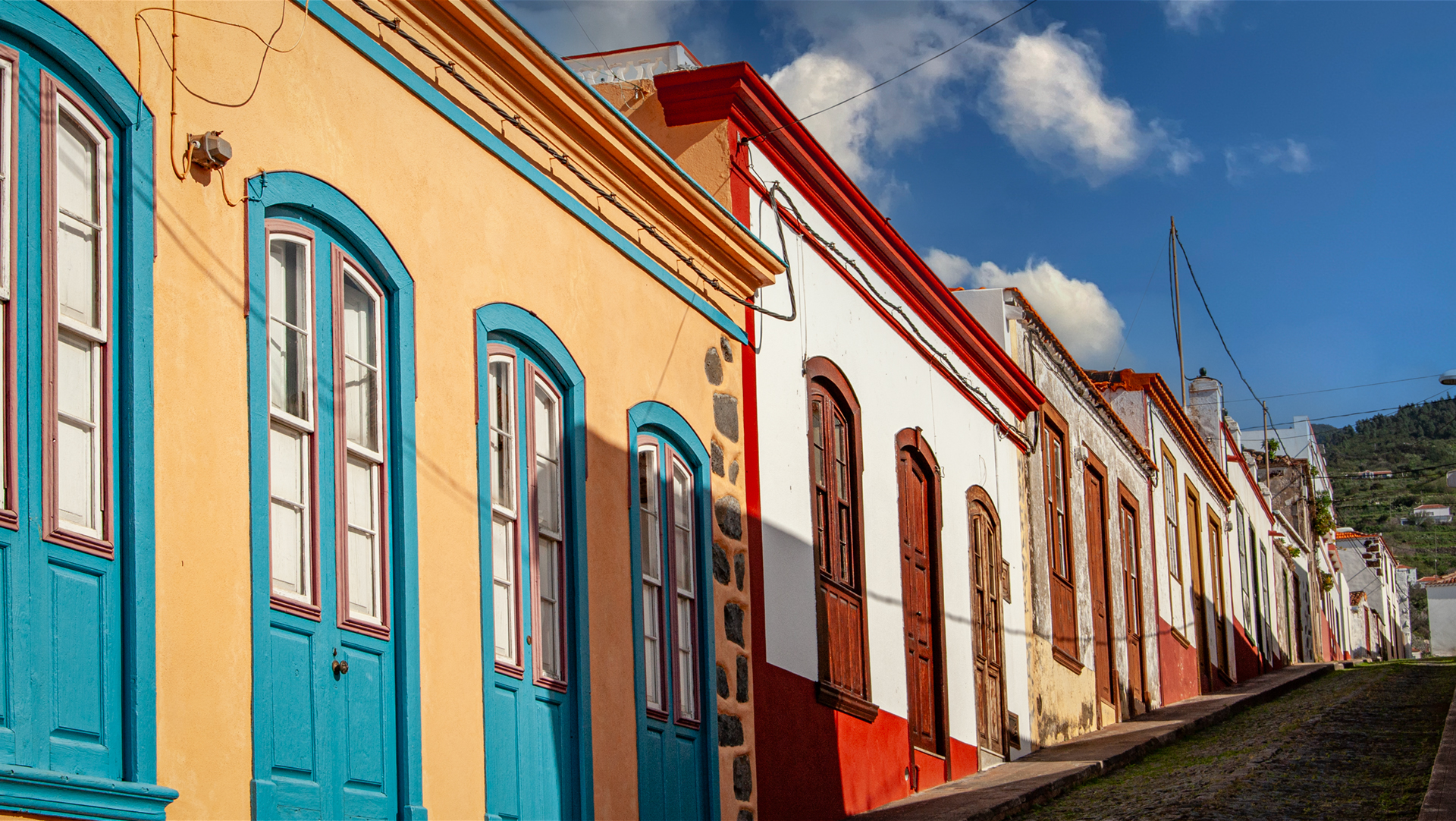
From Santo Domingo, several hiking routes into the surrounding gorges are marked, including the path to the Barranco Fagundo. Anyone wanting to explore the north’s entire gorge system should plan at least two to three days in Garafía.
Puerto de Garafía
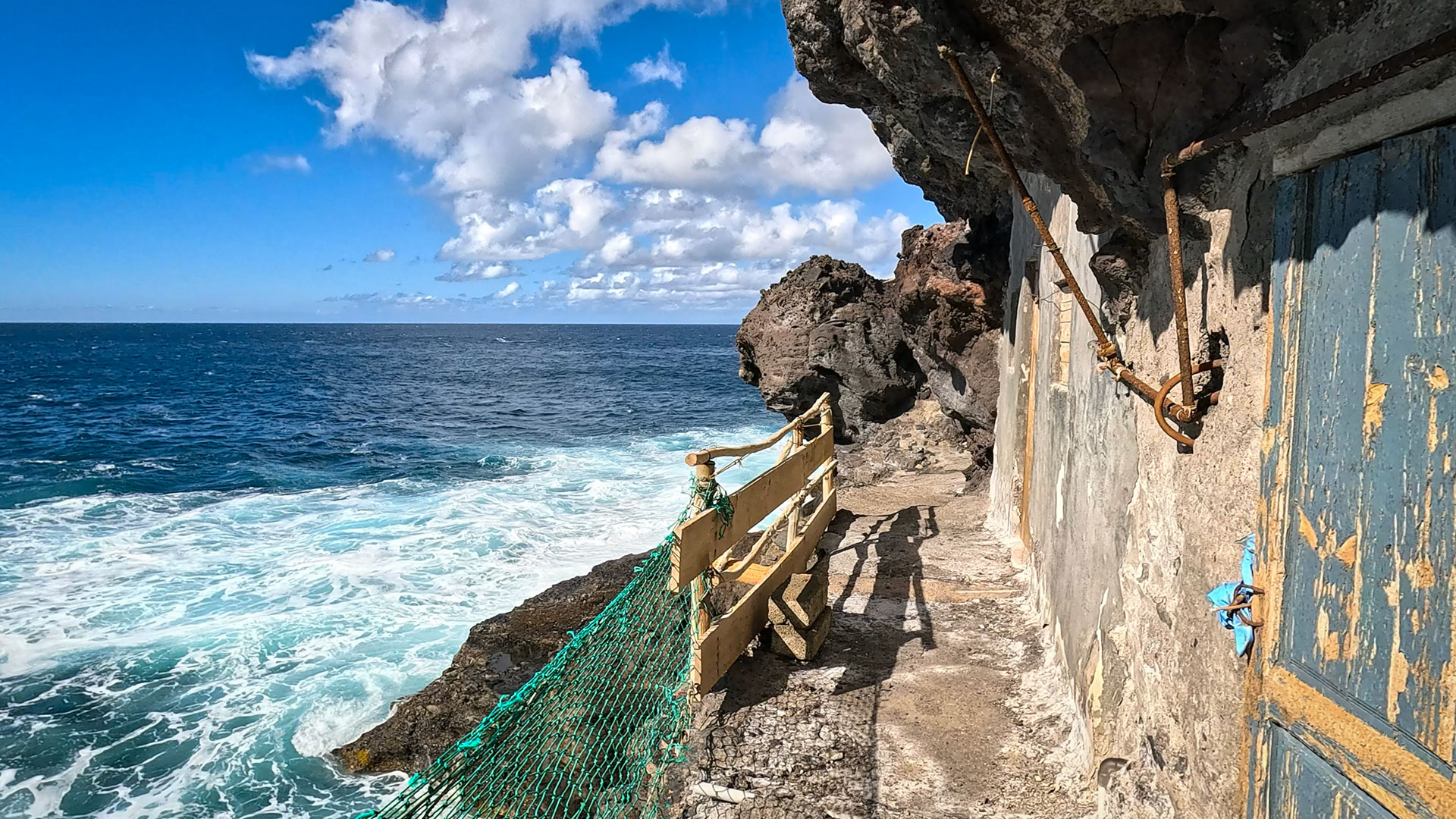
At the end of the gorge, where the Barranco Fagundo meets the sea, lies the old harbour of Puerto de Garafía – a place of almost surreal remoteness. Bananas and other produce were once loaded onto ships here; today the Puerto is a silent end of the world that few visitors know. The drive there is an adventure and requires a vehicle that can handle rough terrain. The reward: wild Atlantic coastline without another soul in sight.
Accommodation in Garafía
In Garafía, Clariso.eu offers a small but hand-picked selection of holiday homes. Three houses are available – small fincas nestled in the nature of the wild north. Anyone who really wants to switch off and experience La Palma’s most original side should spend the night in Garafía.
Insider tip: Stay overnight in Garafía – only 3 Clariso houses, but uniquely remote. Camu Camu restaurant in Las Tricias (Thu–Sun) for Canarian cuisine with goat’s cheese and views over the Atlantic.
Garafía Through the Year
Garafía is a municipality that looks different every month. In January and February the almond trees blossom – La Palma doesn’t have as spectacular an almond blossom festival as Gran Canaria, but in Garafía the blossom unfolds in a landscape that can easily hold its own. In March and April the tajinaste blooms in the highlands. In summer the light is golden and the air is clear. In autumn the grape harvest begins in the small vineyards.
Conclusion: Barranco Fagundo
The Barranco Fagundo near El Tablado is an experience for anyone seeking La Palma beyond the well-known tourist paths. The mirador offers the dramatic view even without hiking – the descent into the gorge is, for the determined, one of the most unforgettable trails in the island’s wild north.
This article is based on the on-the-ground knowledge of the Gequo editorial team – publishers of the Reisezeit hiking guides and operators of Sunhikes.com. Last updated: May 2026