Clothing & Packing List for La Palma
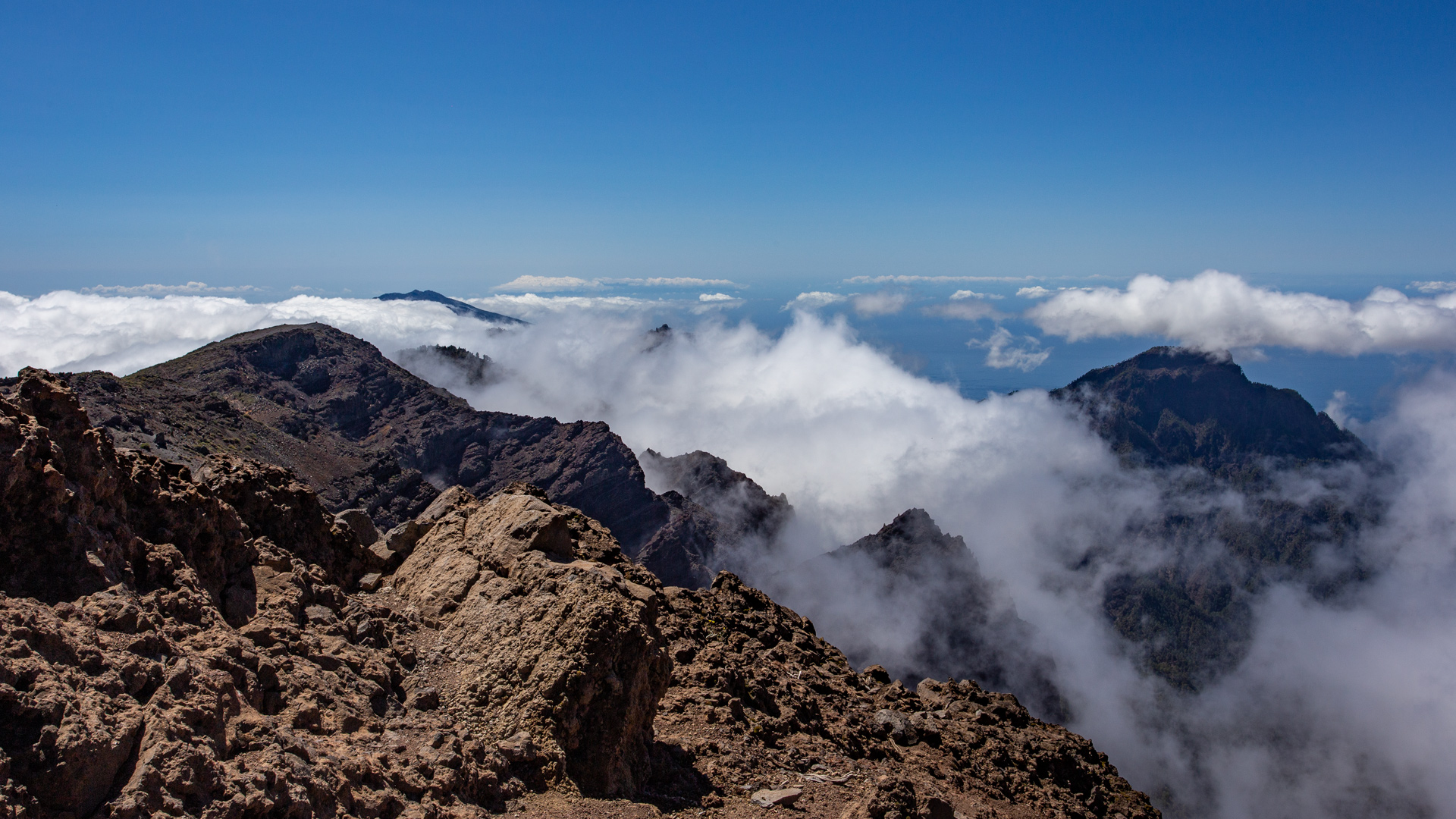
La Palma is effectively three climate zones in one. On the coast, 25°C and sunshine. In the laurel forest, cool and damp. On the Roque de los Muchachos, perhaps snow. Anyone who only packs swimwear – or conversely only windproof jackets – is not prepared. The layering principle solves everything.
The Layering Principle: Three Climate Zones
| Coastal zone (0–500 m) | Eternal spring and summer. Light summer clothing, swimwear and sandals. In winter, a thin sweater for the evenings. |
|---|---|
| Mid-altitude / forests (500–1,500 m) | Cool and damp in the laurel forest. A rain jacket or light fleece is essential for hiking. |
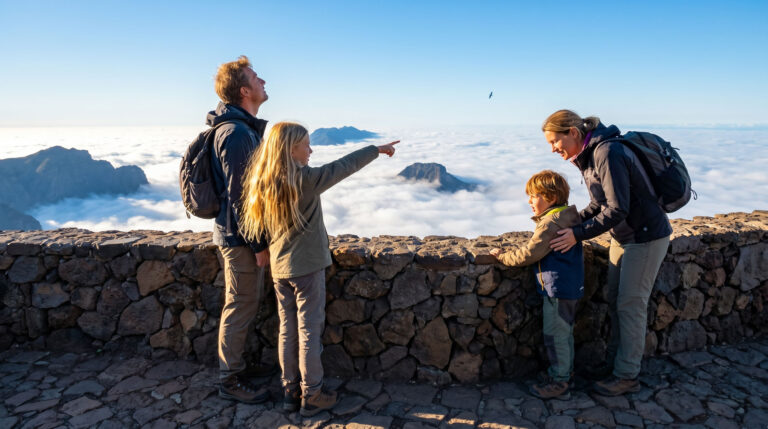
| High mountain zone (above 1,500 m) | Up to 10–15°C colder than the coast at 2,426 metres. Frost possible in winter. Pack a windproof jacket, hat and gloves. |
Packing List: What to Bring
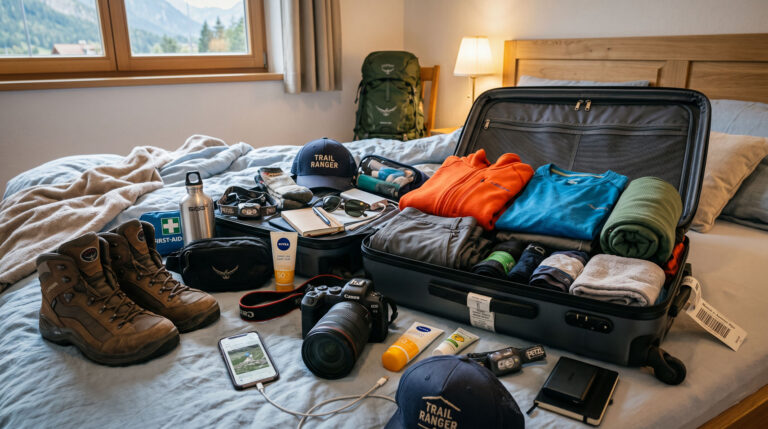
| Footwear | Hiking boots with good grip are essential for all trails. Add water shoes for lava-pebble beaches and natural pools. |
|---|---|
| Sun protection | SPF 50+ sunscreen, a sun hat and sunglasses – UV radiation at this latitude is intense. |
| Rain jacket / windproof jacket | Essential for mountain areas and boat trips. Even in summer, indispensable above 2,000 metres. |
| Swimwear and towel | For the beach, natural pools and snorkelling. Pack extras if you plan to be in the water daily. |
| Warm layer | A fleece or thin pullover for evenings, mountain areas and boat trips. |
| Extension lead | Holiday homes and fincas rarely have enough sockets – one of the most useful things to bring. |
| Offline map | Download Google Maps for La Palma – there is no signal in the Caldera and many ravines. |
| First aid kit | Plasters, antiseptic, painkillers, diarrhoea tablets and after-sun gel. |
What You Don’t Need
High-heeled shoes – useless in old towns and on hiking trails. Large amounts of clothing – La Palma is not an evening-entertainment resort and restaurants are casual. A waterproof backpack for urban sightseeing – crime rates in the tourist centres are very low. A summer rain poncho for hiking – a good hardshell jacket is lighter, more effective and dries faster.
Dress Code in Churches
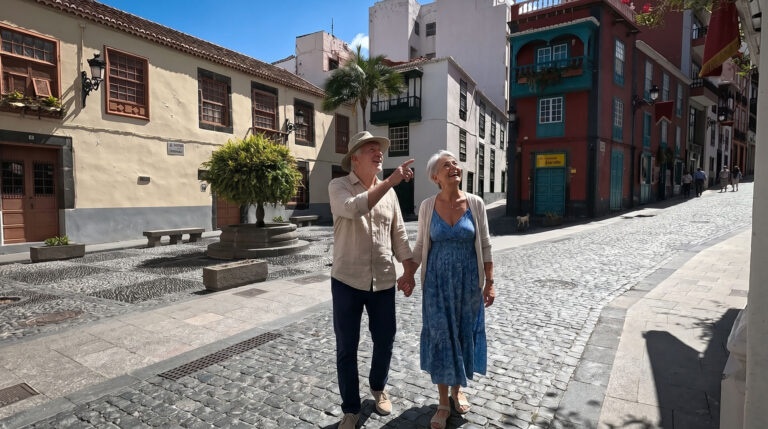
La Palma’s historic churches – Iglesia El Salvador in Santa Cruz and Iglesia San Andrés Apóstol in San Andrés – are well worth a visit. The usual rules apply: covered shoulders and knees. A light jacket or a scarf in your daypack solves the problem everywhere.
Sun Protection: The Most Underestimated Risk
La Palma lies at the same latitude as the Sahara. UV radiation is noticeably stronger here than in most of Europe – at any time of year. The steady trade wind is particularly deceptive: it cools the skin pleasantly, so sun exposure is often underestimated. Sunburn frequently only becomes apparent hours later.
SPF 50+ sunscreen, a sun hat and a good pair of sunglasses are therefore essential for every outing – even on cloudy days, as UV rays penetrate cloud cover with ease.
More and more visitors are also choosing reef-safe or ocean-friendly sunscreen. It protects the delicate marine environment and helps preserve La Palma’s natural tidal pools, natural swimming areas (charcos) and coastal waters for the long term. Anyone swimming or snorkelling in the Atlantic is making a small but meaningful contribution to nature conservation.
What Hikers Pack Differently
Hikers on La Palma have particular requirements. Hiking boots with a good rubber sole are a must – volcanic rock and pine-needle paths are slippery. Two litres of water for moderate trails, more for long ones. Walking poles help on steep descents over loose ground. A rain jacket even on sunny days – weather can change fast on La Palma, especially in the laurel forest zones. Snacks for long trails with no services along the way.
Digital Gear
For anyone with multiple devices: a small power bank (such as Anker or Jackery) makes a big difference on longer hikes or in power-scarce fincas. Download offline maps to your phone (Google Maps or OruxMaps both work well). A satellite communicator or Garmin inReach for truly remote routes – overkill for most visitors, but worth considering for solo long-distance hikers.
Conclusion:
Layering principle: swimwear for the coast, a rain jacket for the forest, a windproof jacket for the summit.
Never leave without: hiking boots, SPF 50+, an offline map and a power strip.
Frequently Asked Questions
How cold does it get at the Roque de los Muchachos?
Do you really need hiking boots on La Palma?
What do you wear to restaurants in the evening?
What should you wear for stargazing at the Roque de los Muchachos?
Do you need warm clothing on La Palma in winter?
This article is based on the on-the-ground knowledge of the Gequo editorial team – publishers of the Reisezeit hiking guides and operators of Sunhikes.com. Last updated: May 2026