La Palma 2026: The Complete Travel Guide to the Green Island
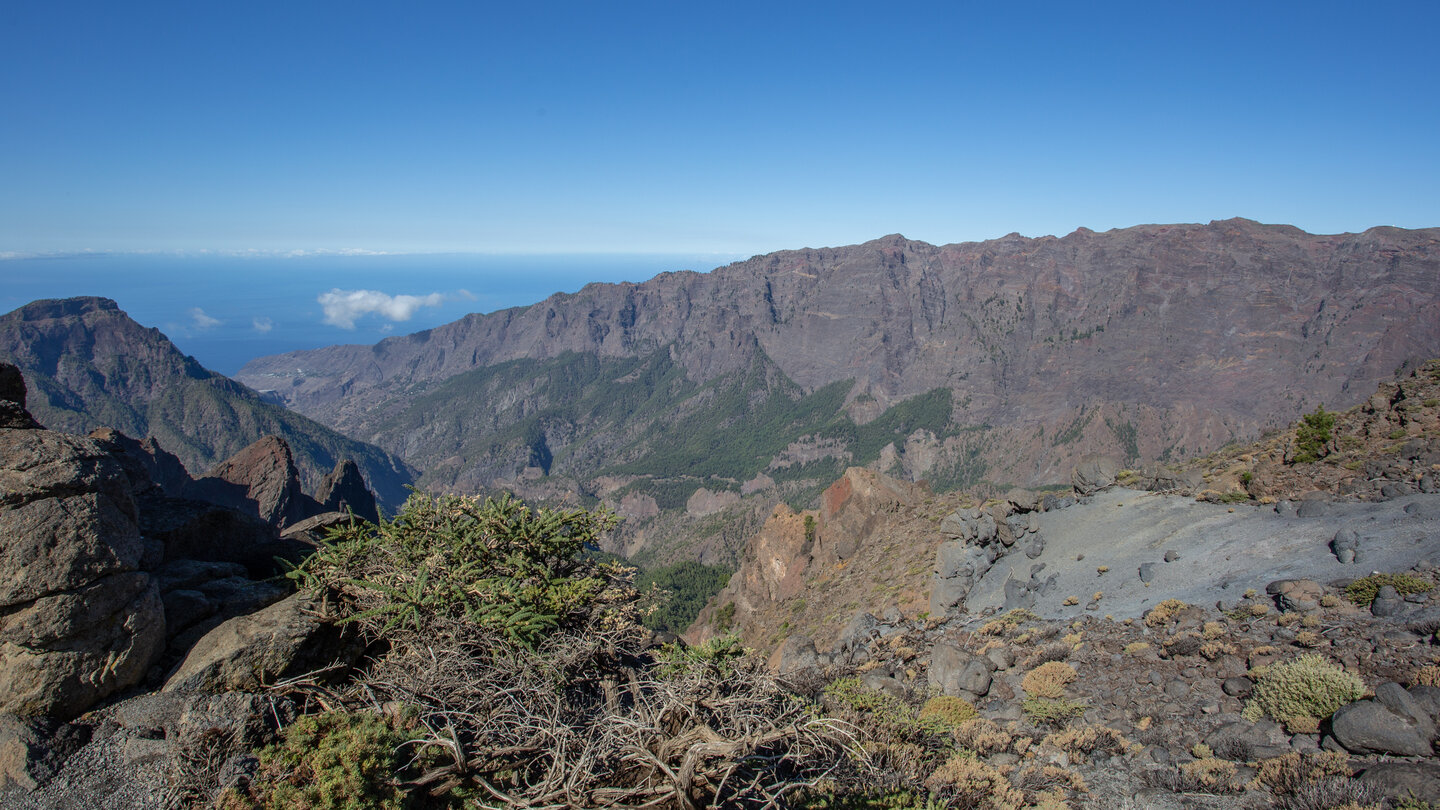
La Palma is the greenest, steepest, and quietest of the Canary Islands — and the one where you most quickly understand why people keep coming back. The Caldera de Taburiente National Park. The Tajogaite — the youngest volcano in Europe. The best starry sky in the northern hemisphere. Laurel forests from the Tertiary period. And black sand beaches that no other Canary Island has in this form. La Palma is not a mass tourism destination — and that is its promise.
This travel guide provides all the practical information for a La Palma holiday in 2026: getting there, accommodation, hire car, best time to visit, weather, beaches, hiking, dining, and current information about the Tajogaite lava field. Follow the links throughout the guide for more detailed articles.
Getting There: Direct Flights and Ferry
Getting to La Palma is easier than many expect. La Palma Airport (SPC) is located in Breña Baja on the east coast and is only about 10 minutes from Santa Cruz de La Palma and about 5 minutes from Los Cancajos.
Direct flights are available – depending on the season – from the UK (London Gatwick), Ireland (Dublin), Scandinavia (Copenhagen, Oslo, Stockholm), and Benelux (Amsterdam, Brussels). Airlines include easyJet, TUI, Iberia, Aer Lingus, TUI Nordic, SAS, and Transavia. Flight time is approximately 3.5–5.5 hours from northern Europe.
Those who can’t find a suitable direct flight can travel conveniently via Tenerife Norte or Madrid. Binter Canarias and Canaryfly operate between Tenerife Norte and La Palma several times daily. The connecting flight takes only about 30 minutes.
Ferry connections are also excellent. Fred. Olsen Express and Naviera Armas connect the port of Los Cristianos on Tenerife to Santa Cruz de La Palma daily. The crossing takes 2.5 to 3 hours depending on the vessel. Those bringing their own car or motorhome from mainland Spain can use the weekly ferry connection from Cádiz. Due to several intermediate stops, the journey takes approximately 55 to 56 hours.
Car Hire: Almost Essential
Anyone who really wants to get to know La Palma should plan for a hire car. The public bus network reliably connects the main towns on the island, but many viewpoints, hiking parking areas, natural attractions, and remote beaches are only conveniently accessible by car.
Particularly recommended are local providers like Cicar, PlusCar, or Acoron. They often include comprehensive insurance with no excess in the base price and impress with straightforward handling.
Especially between November and March, over the Christmas period, and at Easter, early reservation is recommended, as hire cars book up quickly during these periods.
Best Time to Visit: When Should You Go to La Palma?
La Palma is one of the few European destinations that can be visited year-round. The mild Atlantic climate provides pleasant temperatures even in winter.
For hiking, April to June and September to November are considered ideal travel times. Temperatures are pleasant, visibility is clear, and many plants – including the famous Rosa Tajinaste – are in full bloom.
Those planning a beach holiday should travel between July and October. The Atlantic reaches its highest water temperatures of 22 to 24 °C during this period.
For a winter holiday, the months of November to March are recommended. Especially on the west side of the island, daytime temperatures are usually between 20 and 22 °C. Places like Tazacorte or the Aridane Valley benefit from the highest number of sunshine hours.
Another natural highlight awaits visitors as early as January and February. The almond blossom around Puntagorda then transforms large parts of the landscape into a white-pink sea of flowers.
Accommodation: Hotels, Apartments, or Finca?
The accommodation landscape on La Palma differs significantly from other Canary Islands. Large hotel resorts are rare. Instead, small hotels, comfortable apartments, and lovingly restored holiday homes dominate.
Those looking for a classic beach holiday will find comfortable hotels in Los Cancajos directly on the swimming bays. Also popular are accommodations in Tazacorte and the reopened Puerto Naos, where the west side offers the most sunshine hours on the island.
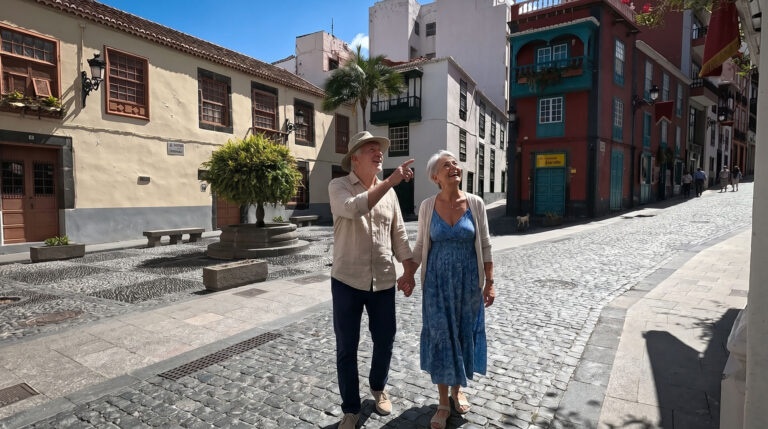
Santa Cruz de La Palma offers charming city hotels in historic colonial buildings and is particularly suitable for culture enthusiasts.
The island’s real trademark, however, is its fincas. Many are quietly situated among vineyards or banana plantations and feature large terraces, ocean views, or even a private pool.
The Local Specialist Clariso offers over 114 personally inspected holiday homes in municipalities like Tijarafe, Los Llanos de Aridane, Puntagorda, or El Paso. Those seeking peace, privacy, and authentic island feeling usually find the right accommodation here.
Current Situation on the West Coast
Since the 2021 volcanic eruption, life on the west side of the island has gradually returned to normal. The popular resort of Puerto Naos is now largely reopened. Beach, promenade, restaurants, cafés, and numerous accommodations have reopened to visitors. A modern CO₂ monitoring and traffic-light system tracks air quality around the clock. The cleared areas are considered safe and can be visited without restrictions.
Practical Information
In everyday life, a holiday on La Palma is straightforward for visitors from the UK, Ireland, and Scandinavia. The currency is the Euro, credit cards are accepted almost everywhere, and contactless payment is widespread.
Visitors from the UK and Ireland will need a plug adapter — La Palma uses Schuko plugs (Type F, 230 volts). Scandinavian and Benelux visitors can use their plugs without an adapter.
Mobile phone and internet coverage is very good in most places. Only in some remote mountain regions and in the north can reception occasionally be limited.
Since the Canary Islands belong to the Western European time zone (WET/WEST), La Palma is on the same time as the UK and Ireland in winter, and one hour behind in summer. Visitors from Scandinavia will find La Palma one hour behind year-round.
La Palma at a Glance
| Topic | Quick Info & Tip |
| ✈️ Flight Time | Approx. 3.5–6 hours direct flight from northern Europe to SPC. |
| 🚗 Car Hire | Be sure to reserve online in advance (recommendation: Cicar, PlusCar, or Acoron). |
| 🏡 Accommodation | Clariso (clariso.eu) for inspected fincas; hotels/apartments on the coasts. |
| 💶 Currency & Power | Euro (EUR) · Standard Schuko plug (Type F, 230 V) — UK/Irish visitors need a plug adapter. |
| ⏰ Time Zone | Western European Time (WET/WEST) — same time zone as the UK and Ireland in winter; 1 hour behind Scandinavia year-round. |
Conclusion:
La Palma is not a destination for those seeking giant hotel complexes or a vibrant nightlife. Instead, spectacular volcanic landscapes, dense laurel forests, breathtaking starry skies, charming villages, and a relaxed pace await you
Those who book flights, hire car, and accommodation early will experience one of the most unspoilt islands in Europe – whether for hiking, swimming, stargazing, or simply switching off.
Frequently Asked Questions
Do you really need a hire car on La Palma?
When is the best time to visit La Palma?
Is it safe to visit after the 2021 volcanic eruption?
What language is spoken on La Palma?
How much does a La Palma holiday cost?
How many days should you allow for La Palma?
Which region is best to stay in?
This article is based on the on-the-ground knowledge of the Gequo editorial team – publishers of the Reisezeit hiking guides and operators of Sunhikes.com. Last updated: May 2026