Stargazing on La Palma – Europe’s Darkest Nights
Step outside on a clear La Palma night and look up, and you’ll see the Milky Way in all its glory. Not the faint smudge you might catch in the countryside back home, but a brilliant, shimmering band of thousands of stars visible to the naked eye. That’s no accident: since 2002, La Palma has held the world’s first official Starlight Reserve status, awarded jointly by UNESCO and the Instituto de Astrofísica de Canarias – a title built on a law that protects the night sky the way other laws protect water or forests.
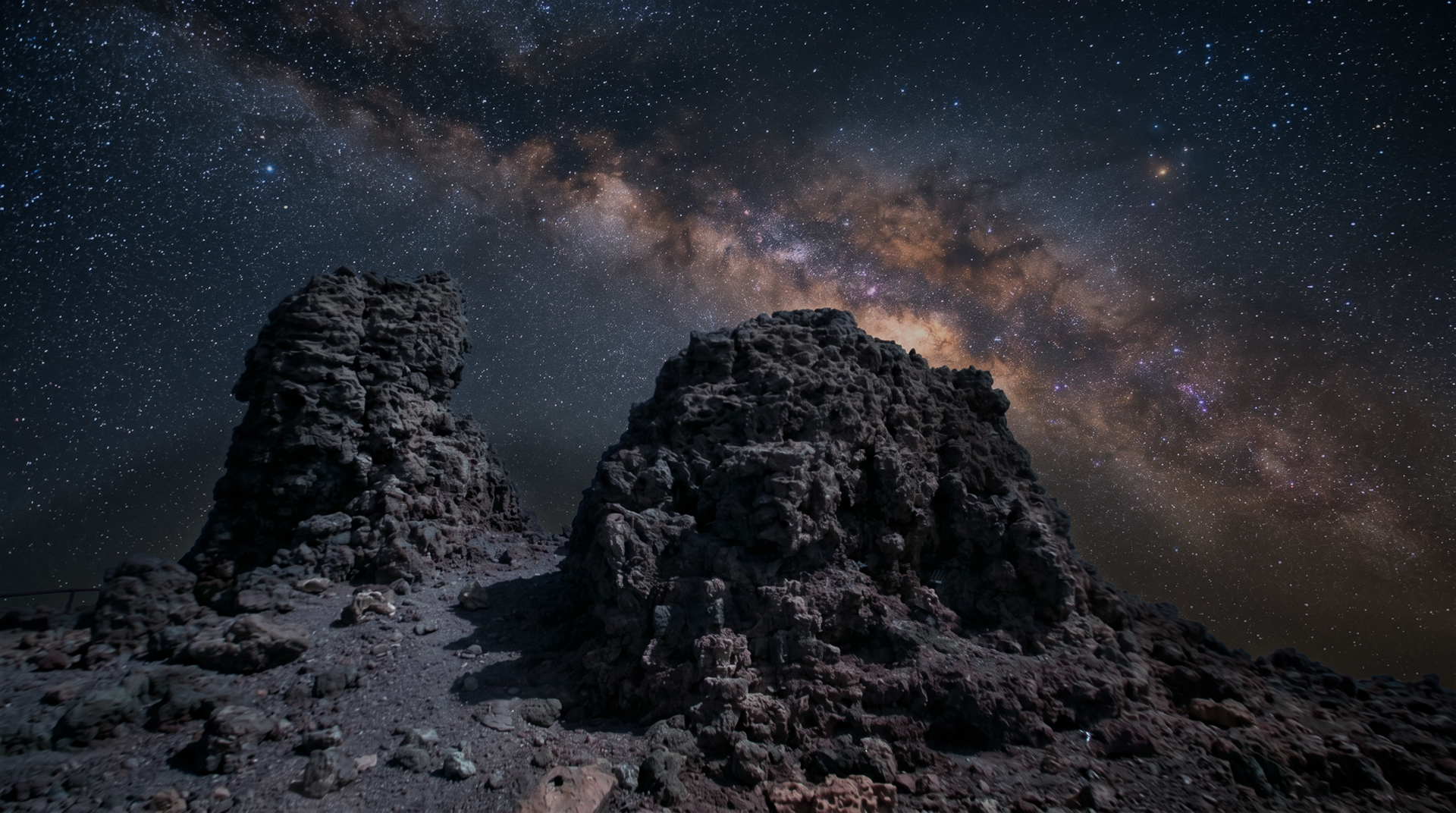
The Ley del Cielo—or Sky Law of 1988—regulates the intensity, spectrum, and direction of every outdoor light on the island. Streetlights point strictly downward, illuminated signage is heavily restricted, and all infrastructure must meet stringent dark-sky standards. The result is a night sky with virtually no equal anywhere in Europe.
Astronomy Tours on La Palma
For anyone who wants more than a chance glance upward, the island offers dedicated night-sky tours. Operators such as LaPalmaStars, Asterark and Ad Astra La Palma take small groups to selected viewpoints above the trade wind clouds, where guides use telescopes and laser pointers to talk you through what you’re seeing.
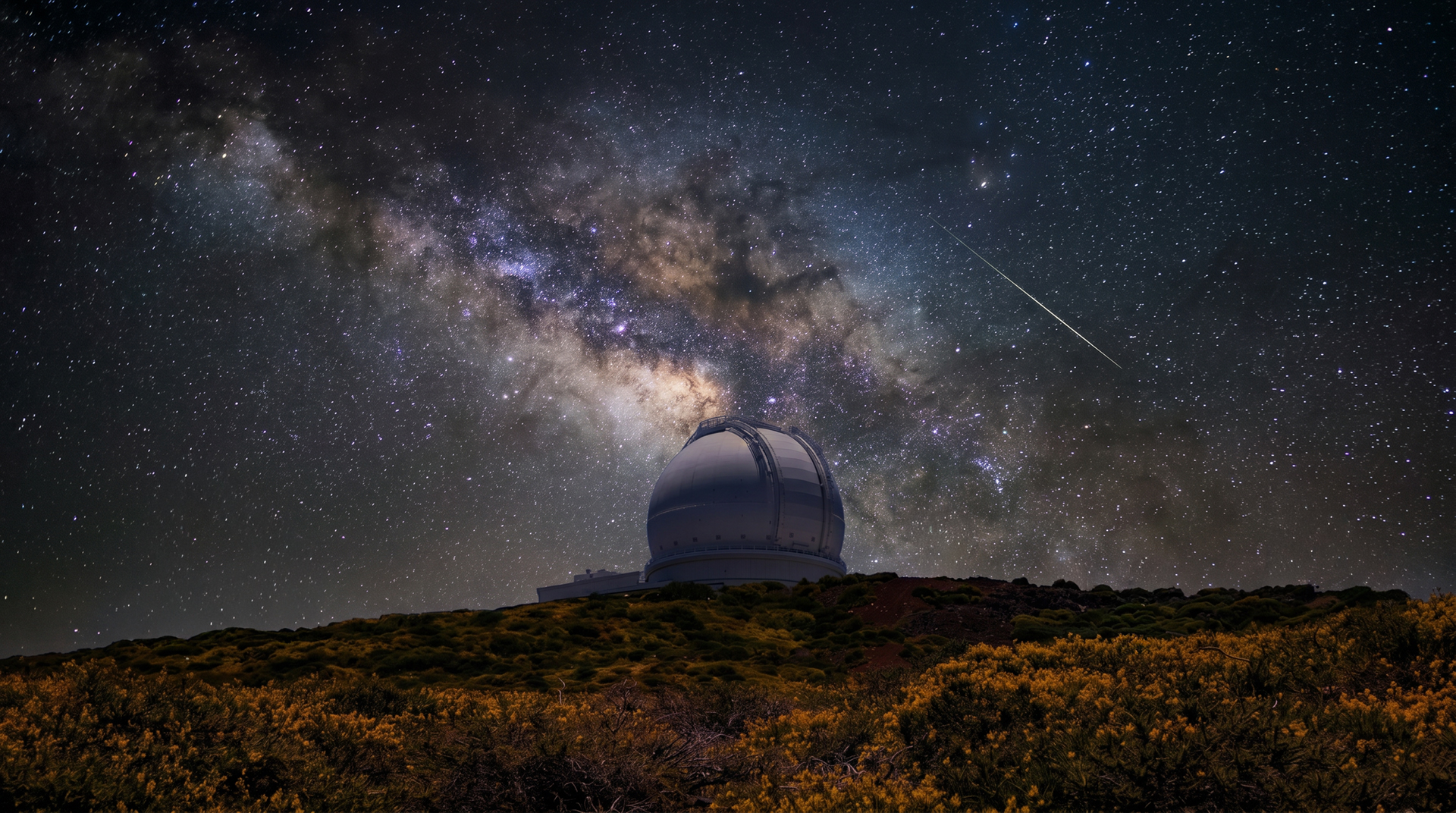
A typical tour includes transport to the viewing location (usually between 1,000 and 2,000 metres above sea level), an introduction to stargazing, telescope observation, and time for astrophotography. Tours generally run for 2 to 3 hours and cost around €30 to €50 per person. Essential tip: Bring warm layers—at 1,500 metres, temperatures regularly drop below 10°C, even at the height of summer.
The Observatory – Daytime Tours
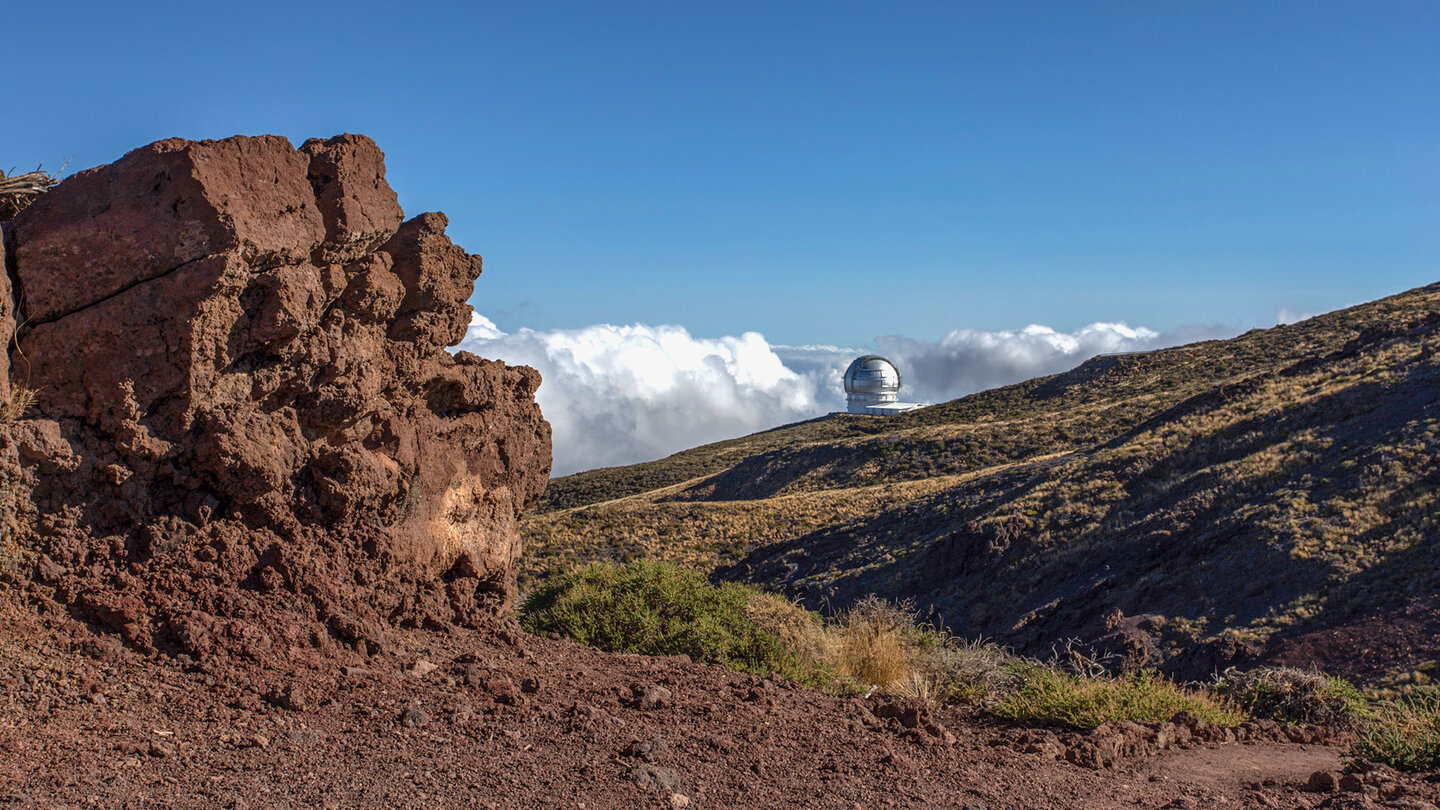
By night, the Observatorio del Roque de los Muchachos is strictly reserved for scientific research. By day, however, the Instituto de Astrofísica de Canarias (IAC) offers guided daytime tours of the facility. The impressive Gran Telescopio Canarias (GTC), housing a 10.4-metre primary mirror, is visible from the exterior, but entering the telescope domes requires advance booking.
On a handful of days each summer (dates published on iac.es), the observatory holds an open day when visitors can also see inside the domes. Demand is high, so early registration is essential.
The Best Spots for Independent Stargazing
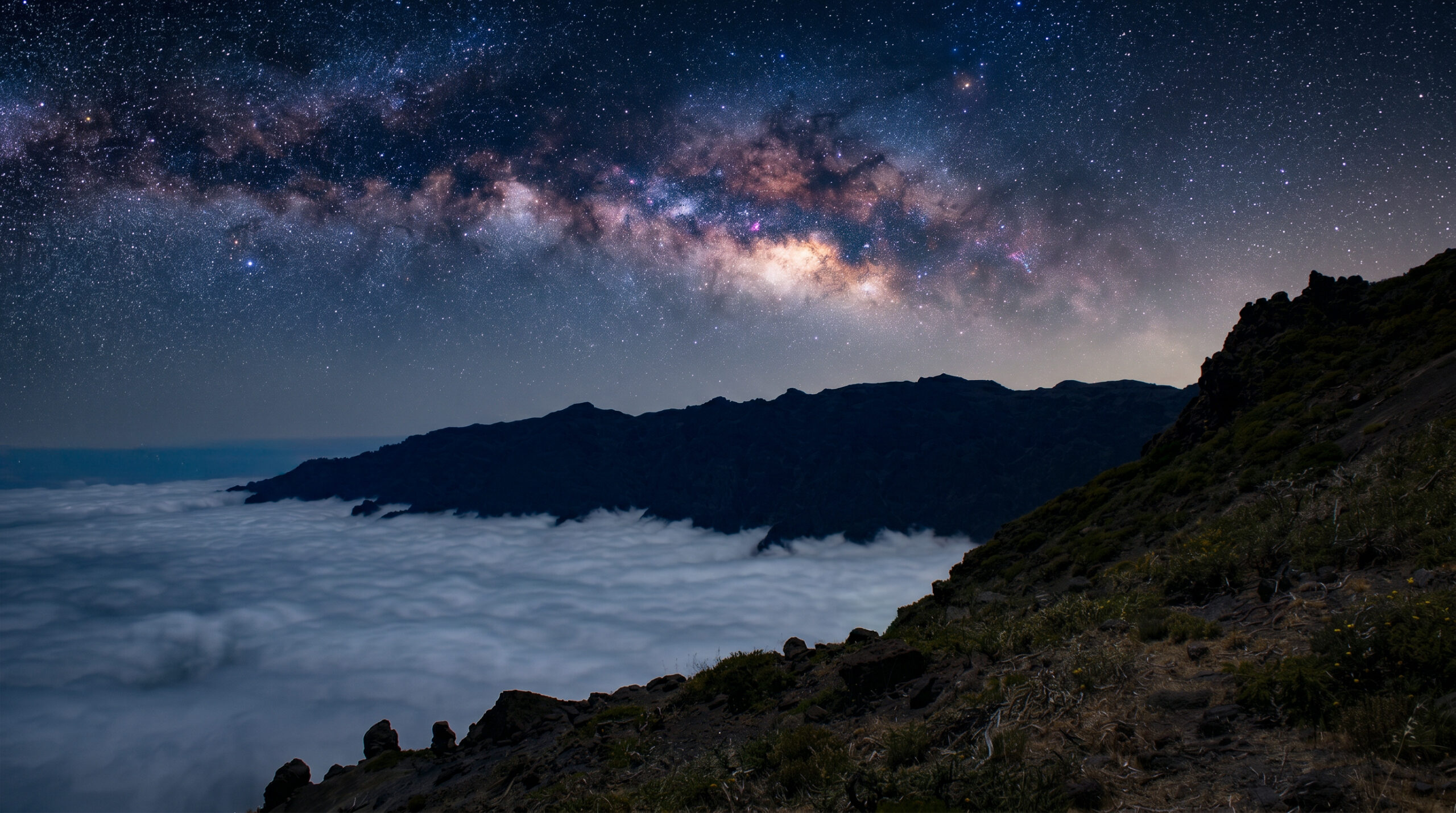
Prefer to explore the night sky on your own? Any pull-off or car park along the LP-4 road above the cloud inversion layer (roughly 1,500 metres up) offers exceptional darkness on clear nights. While coastal areas have slightly more ambient light, the views remain impressive—particularly along the quieter west coast. The black-sand beach at Puerto Naos (when open to visitors) and the cliffs above Tazacorte are both easily accessible spots at sea level.
Important for Stargazers!
To protect the scientific work at the summit, the access barrier to Roque de los Muchachos closes strictly every evening between 8pm (sometimes as early as 7pm in winter) and 7am. If you want to watch the sunset over the sea of clouds, plan to head back down straight afterwards. The LP-4 pass road itself isn’t affected and remains open to traffic.
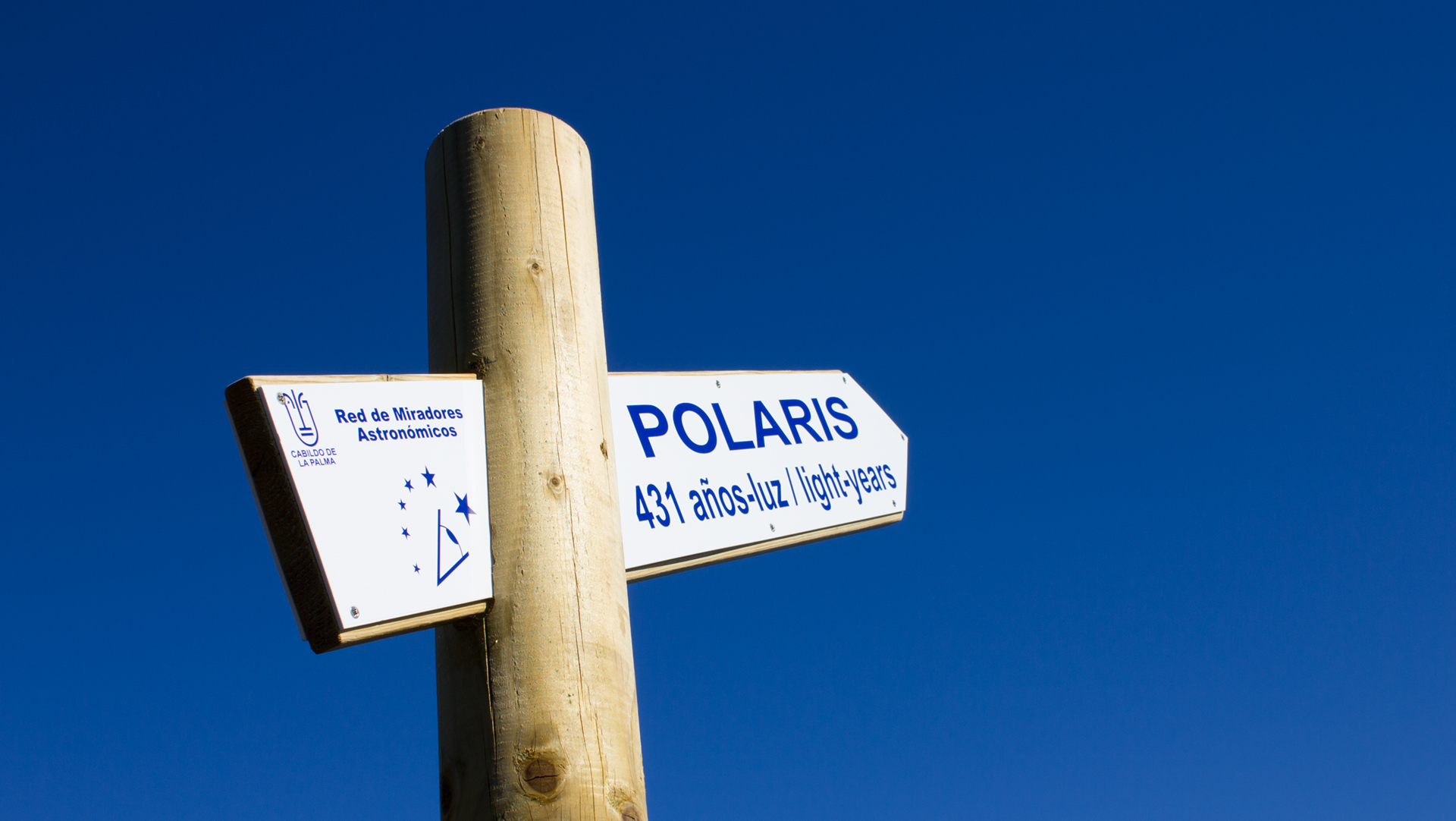
Since the observatory itself is closed to the public at night, the island has established over 15 official Miradores Astronómicos (astronomical viewpoints). These free-to-visit spots are equipped with stargazing platforms and information boards explaining constellations and planetary movements.
Three top spots to check out: The Mirador del Llano del Jable (1,340 m), nestled in the pine forests near El Paso above the cloud line, is famous for sweeping, unobstructed views of the Milky Way. The Mirador de San Borondón, located on the warmer western coast near Tazacorte, is ideal if you want to stargaze without the alpine chill and watch constellations rise over the Atlantic Ocean. The Mirador del Molino near Barlovento, set in the lush north, is a favourite among astrophotographers thanks to its historic windmill framing the night sky.
Best Time for Stargazing
The prime stargazing season runs from October to March, offering longer nights, stable atmospheric conditions, and less risk of Saharan dust (calima) haze. Summer nights are shorter but still offer incredible viewing conditions. For the darkest skies, align your trip with the new moon phase.
Don’t be fooled by coastal temperatures
T-shirt weather at the beach by day, winter coat by night—that’s standard on La Palma. As you climb to stargazing elevations between 1,300 and 2,400 metres, temperatures drop sharply into single digits (°C), and frost is not uncommon on clear nights. Pack plenty of warm layers (thermal base layers, jacket, hat, gloves)—it is much better to have an extra layer than to freeze under the stars!
| Guided Night Tour Providers | LaPalmaStars.com, Ad Astra La Palma, Asterark |
|---|---|
| Pricing | From approx. €30–€50 per person |
| Best Time to Visit | October to March (for maximum darkness & long nights) |
| Top Independent Spots | LP-4 viewpoints (above 1,500 m), Roque de los Muchachos area |
| Recommended Clothing | Heavy warm layers (temperatures above 1,500 m drop below 10°C / freezing) |
| Daytime Observatory Tours | Advance booking required via iac.es (limited spaces) |
Frequently Asked Questions (FAQ)
Do I need a telescope to enjoy stargazing on La Palma?
Can you visit the observatory at night?
Is a guided tour worth it over independent stargazing?
La Palma and the Origins of Astrotourism
La Palma is a true pioneer of astrotourism—travel centred on dark skies and astronomy. Since enacting the Ley del Cielo in 1988 and becoming the world’s first Starlight Reserve in 2002, the island has grown into a bucket-list destination for stargazers worldwide. Today, the island hosts annual astronomy events, daytime observatory open days, and night tours throughout the year.
Highlights include the annual La Palma Astronomy Festival (Stars & Science) in Santa Cruz, which brings together scientists, amateur astronomers, and visitors for public lectures, stargazing sessions, and special access events.
This article is based on the on-the-ground knowledge of the Gequo editorial team – publishers of the Reisezeit hiking guides and operators of Sunhikes.com. Last updated: May 2026