Driving on La Palma: Hairpin Bends, Tunnels, and Sunshine on the Right Side
Driving on La Palma is a pleasure — if you know what you’re getting into. The island is steep, the roads are winding, and anyone driving the LP-4 up to the Roque de los Muchachos for the first time will start counting the hairpin bends. But: the roads are well-maintained, the signage is reliable, and you’ll rarely encounter the traffic jams that are an everyday reality on Tenerife.
The Key Roads at a Glance
LP-3 (The Tunnel Road): The island’s most important east-west link. It runs through the toll-free Cumbre Tunnel, connecting the east side, Santa Cruz de La Palma, and the airport with El Paso and Los Llanos de Aridane on the sunny west side in around 35 to 40 minutes.
LP-1 (The Northern Route): The panoramic road that loops around the north of the island, running from Santa Cruz de La Palma via Puntallana and Barlovento to Garafía, then on via Tijarafe down to Los Llanos. Scenically one of La Palma’s most beautiful roads — but very winding.
LP-2 (The Southern Route): Connects Santa Cruz de La Palma via Mazo and Fuencaliente with the west side — the ideal route for exploring the volcanic south.
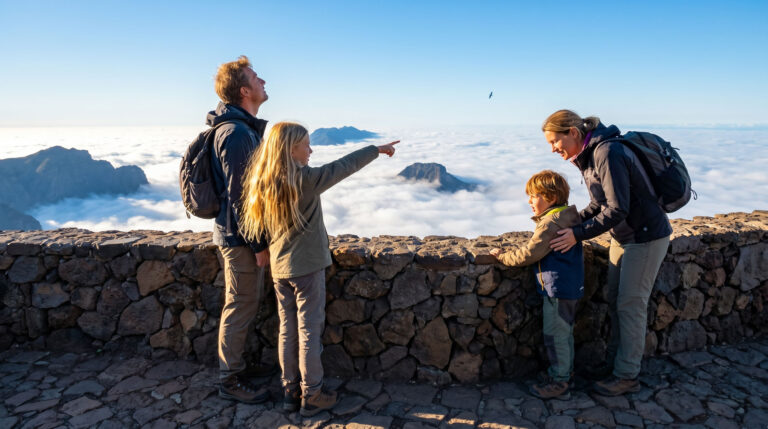
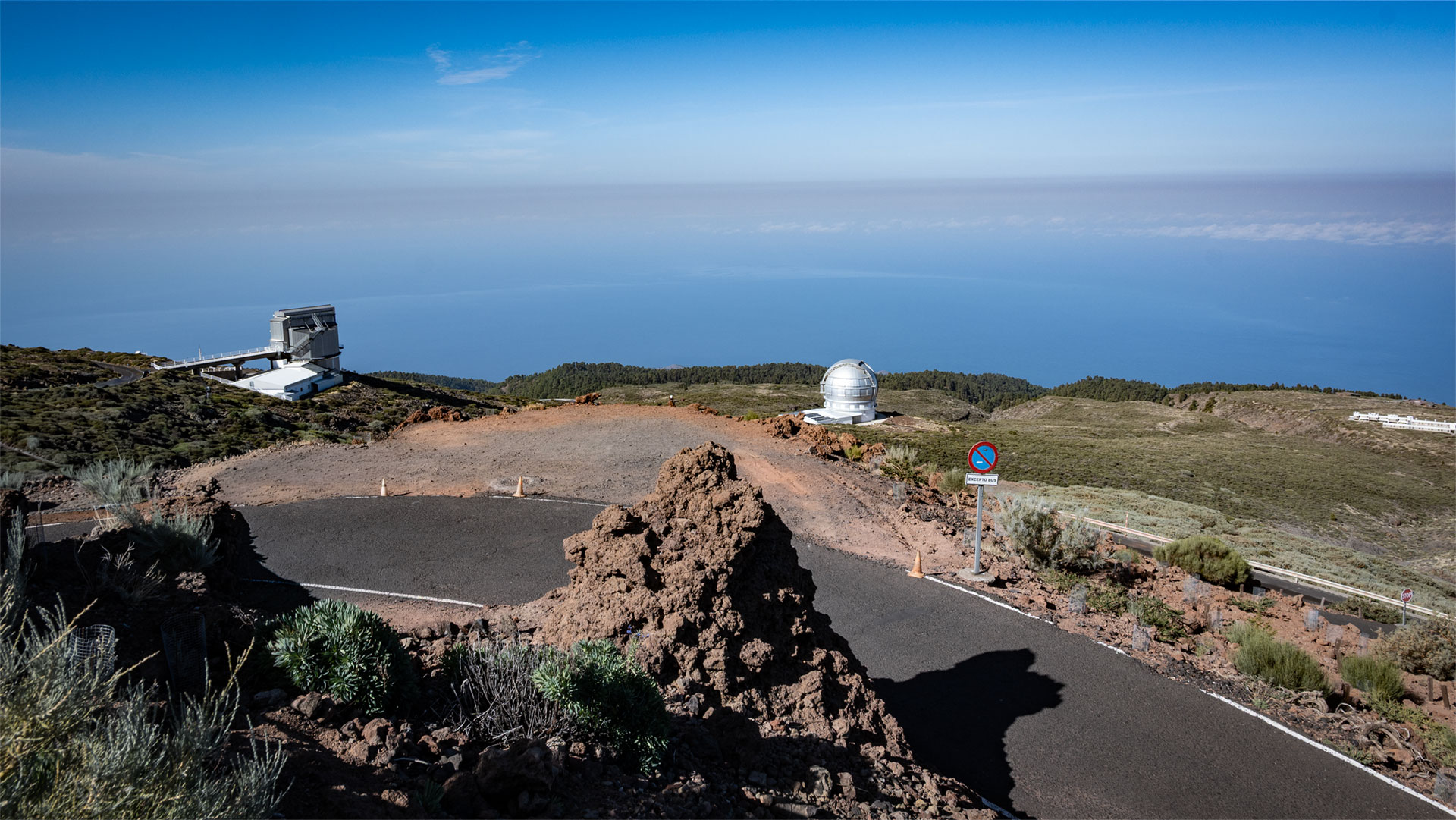
LP-4 (The Summit Road): The spectacular mountain road climbs to the Roque de los Muchachos and the observatories. In winter it can be temporarily closed due to snow or ice.
Hairpin Bends: Taking the Corners Calmly
La Palma is one of the most winding islands in the Canary Islands. The terrain rises from sea level to over 2,400 metres in a short distance — hairpin bends are simply part of the deal.
Cornering technique: Anticipatory driving and appropriate speed make for relaxed travel. In the mountains especially, keep consistently to your own lane.
Sounding the horn on blind bends: On very narrow, blind mountain roads you can give a brief, discreet toot on the horn — purely to warn oncoming vehicles early.
Allow enough time: On the LP-1 in the north or the LP-4 to the Roque de los Muchachos, journeys often take longer than satnavs predict. Google Maps frequently underestimates the many bends and altitude gained.
Enjoy the scenery safely: The spectacular views are one of the great pleasures of driving on La Palma. To take photos or enjoy the outlook, only stop at the many Miradores (viewpoints) or designated laybys — never on the road itself.
Driving slowly? No problem: If you’re taking your time or want to enjoy the landscape, use a layby or passing place when you get the chance and let faster vehicles through. This is standard practice on La Palma, keeps traffic flowing smoothly, and makes the journey more pleasant for everyone.
Tunnels, Parking, and Dirt Tracks
Modern tunnels: The island’s main tunnel is the approximately 1.4-kilometre Cumbre Tunnel on the LP-3. It links east and west sides quickly and comfortably. All tunnels on La Palma are well-lit and straightforward to drive through.
Parking: Santa Cruz de La Palma has several car parks and large parking areas at the harbour. Popular hiking car parks can fill up quickly — especially in high season, arriving early is worthwhile.
Dirt tracks and insurance: Most hire car insurance policies only cover paved roads. Dirt tracks are frequently off-limits for standard hire cars. Always check the rental terms before setting off.
| Category | Details & Recommendations |
|---|---|
| 🚦 Traffic rules | Drive on the right · valid EU driving licence is sufficient |
| 🏎️ Speed limits | Built-up areas mostly 30–50 km/h · country roads 90 km/h · no motorways on La Palma |
| 🛣️ Main link | LP-3 with the Cumbre Tunnel connects east and west sides in around 35–40 minutes |
| ⛽ Fuel | Petrol stations in all larger towns · fill up before heading to Garafía or the Roque de los Muchachos |
| 🛞 Dirt tracks | Insurance cover usually only applies on paved roads · check rental terms |
| 🍷 Alcohol | Legal limit 0.5 ‰ · for new drivers and professional drivers 0.3 ‰ · safest option: no alcohol at all when driving |
Conclusion:
Driving on La Palma is relaxed and great fun. Knowing the island’s quirks makes for stress-free travel: allow plenty of time for mountain routes, use the sunny west or green east depending on the weather, fill up before longer trips, and avoid dirt tracks in a standard hire car.
Frequently Asked Questions
Do I need an international driving licence?
Are there enough petrol stations on La Palma?
Is driving on La Palma difficult for beginners?
What are the road conditions like on La Palma?
Do I have to drive fast on La Palma to avoid holding up traffic?
What is the drink-driving limit on La Palma?
This article is based on the on-the-ground knowledge of the Gequo editorial team – publishers of the Reisezeit hiking guides and operators of Sunhikes.com. Last updated: May 2026