Loop Hike to the Cuevas de Buracas: Dragon Trees and Cave Dwellings in Las Tricias
The circular walk to the Cuevas de Buracas is one of the most rewarding easy routes in Garafía: 6.5 km, 479 m ascent, family-friendly, 2:30–3:00 hours. Often called the Buracas Dragon Tree Trail, this area is home to, as this area is said to have the highest concentration of century-old dragon trees in the Canary Islands.
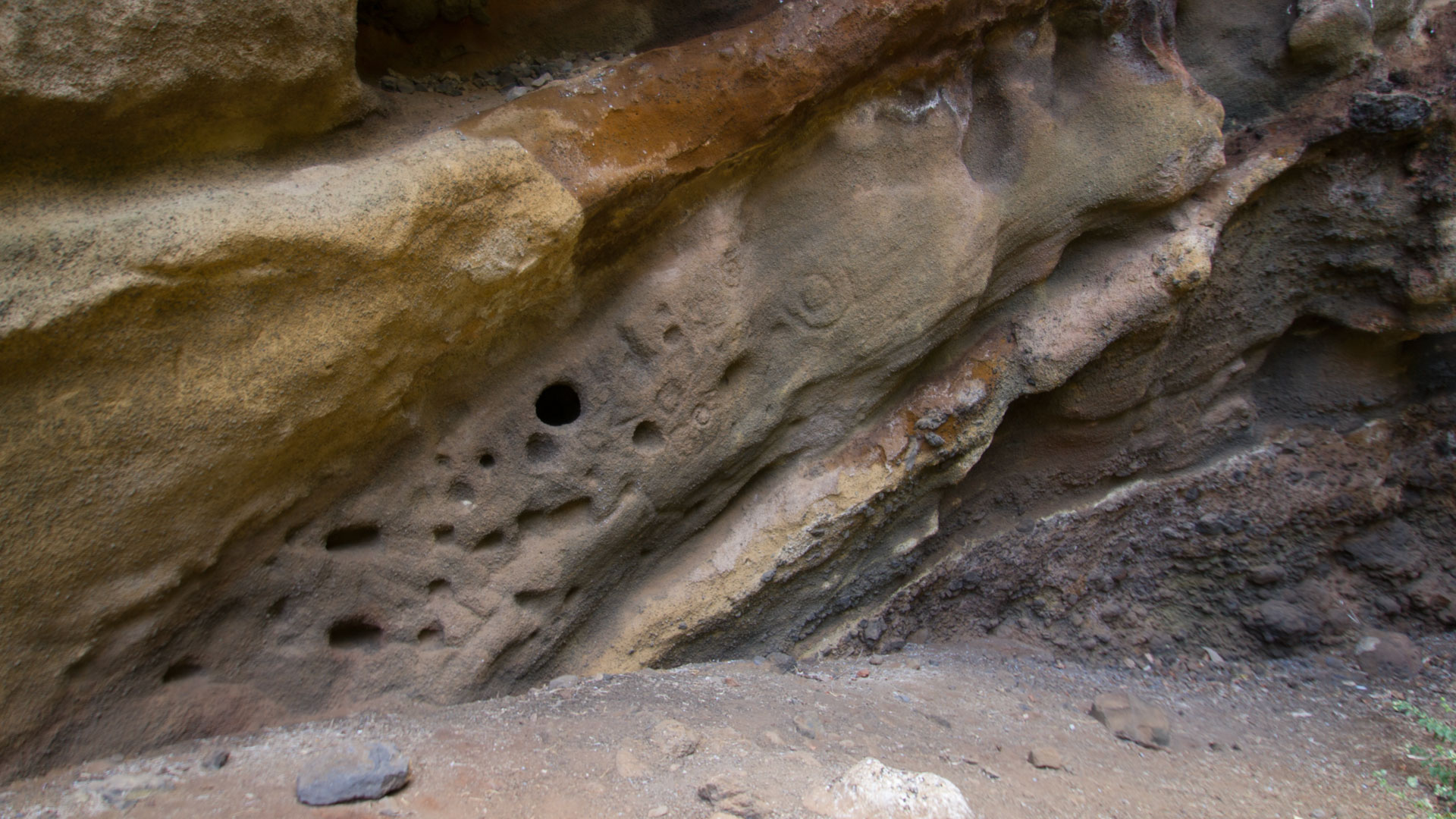
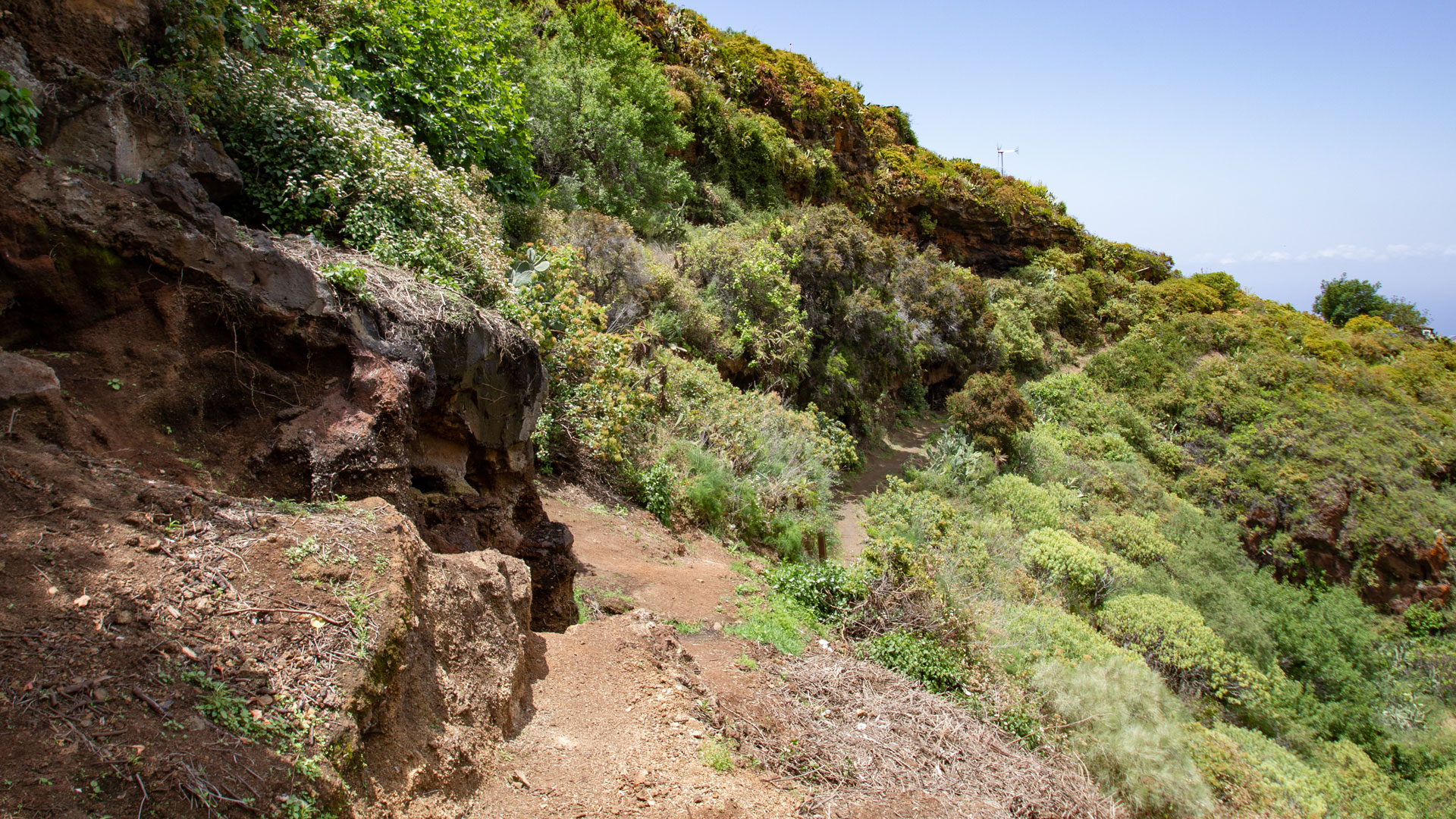
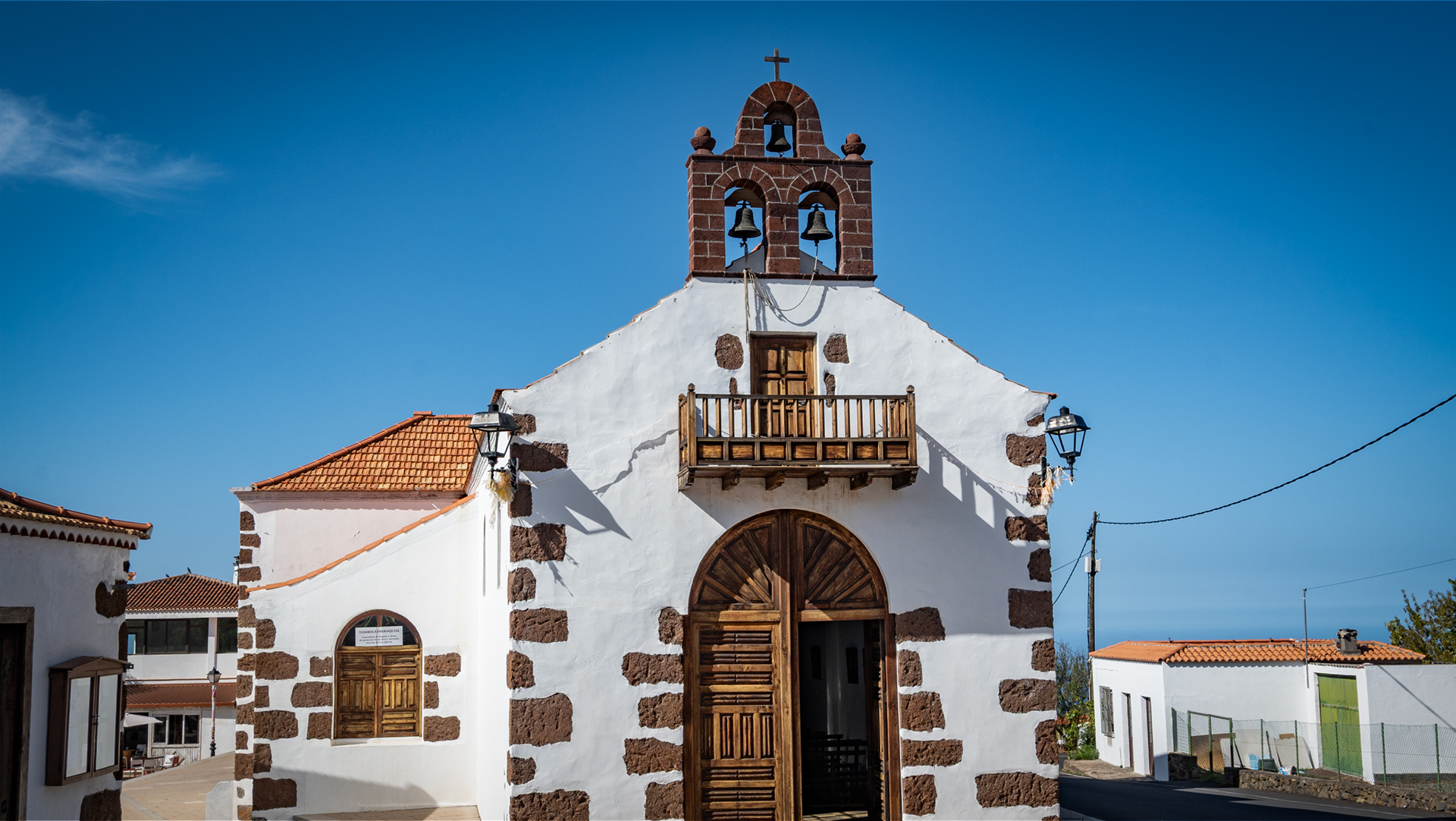
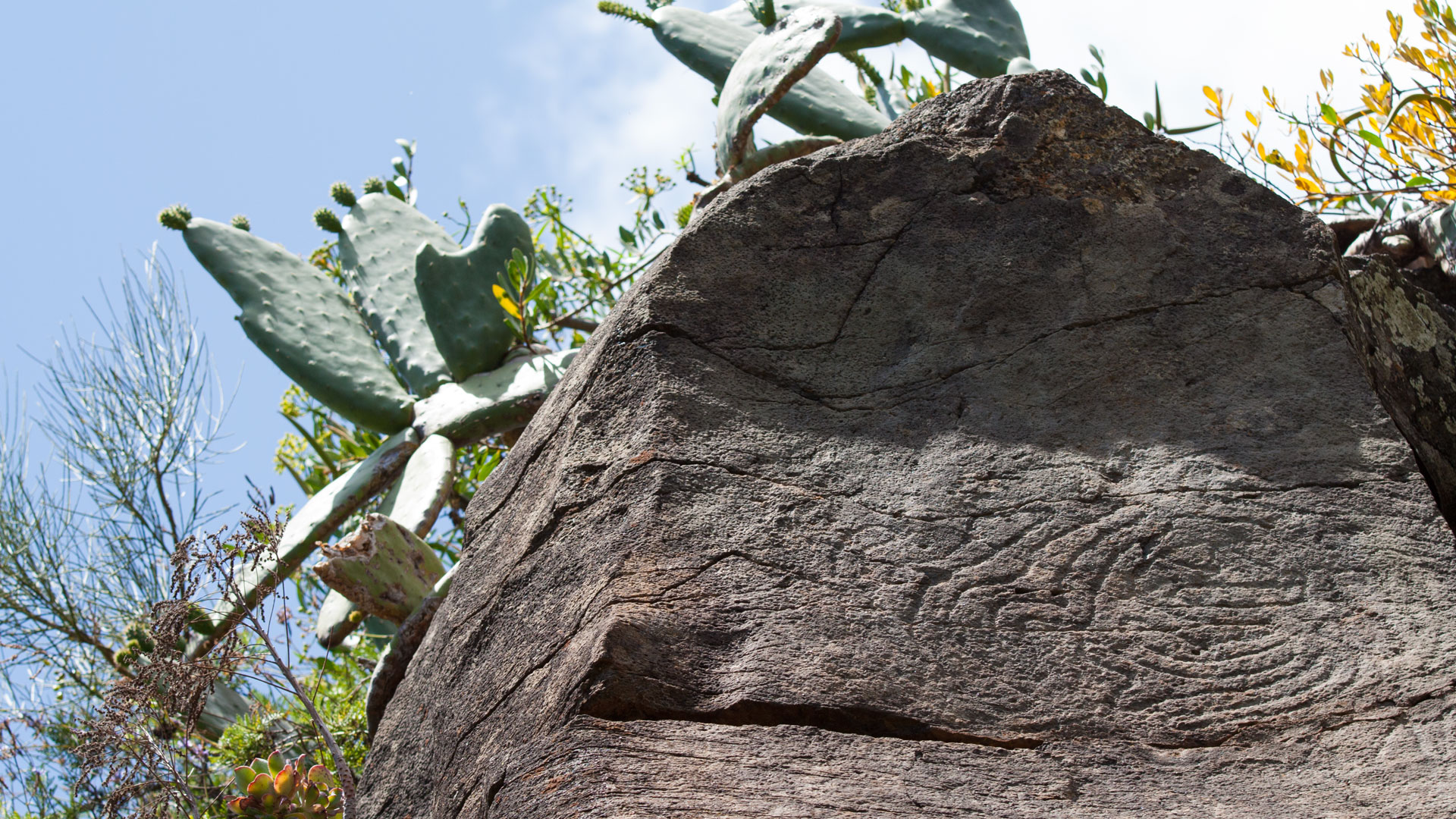
The starting point is the village square by the church of Las Tricias. The trail follows the GR-130 through picturesque countryside, vegetable gardens, fruit trees and almond groves — and above all through the ancient dragon tree groves, some of which grow in remarkable clusters. The destination, the Cuevas de Buracas, is an archaeological and ethnographic complex with cave dwellings, stables, an old well, washing places and numerous rock carvings (petroglyphs) left by the pre-Hispanic Benahoritas.
The archaeological site was discovered in 1941. Over a period of more than 500 years, the caves were used for various purposes. Spiral-shaped petroglyphs of great significance are found in the main cave and its immediate surroundings. Along the way lies the old mill of Las Tricias, today home to the Gofio Interpretation Museum MIGO.
Route Facts at a Glance
| Route type | Loop hike |
|---|---|
| Distance | 6.5 km |
| Elevation | 479 m ascent / 479 m descent |
| Highest point | 793 m |
| Lowest point | 427 m |
| Duration | 2:30–3:00 hours |
| Difficulty | Easy (family-friendly, easy to follow) |
| Starting point | Village square by the church of Las Tricias, Garafía |
| Waymarking | SL-VG 55 (green and white) | GR-130 (red and white) | GR-130.1 (red and white) |
| Protected area | Municipality of Garafía |
| Equipment | Water, sturdy footwear — family-friendly |
Getting There
Las Tricias lies within the municipality of Garafía, reached via the LP-114. Parking is available by the village square near the church. By bus: stop at the tourist information centre in the centre of Las Tricias. The route starts opposite the village square.
The Route in Detail
Las Tricias to the Dragon Tree Groves
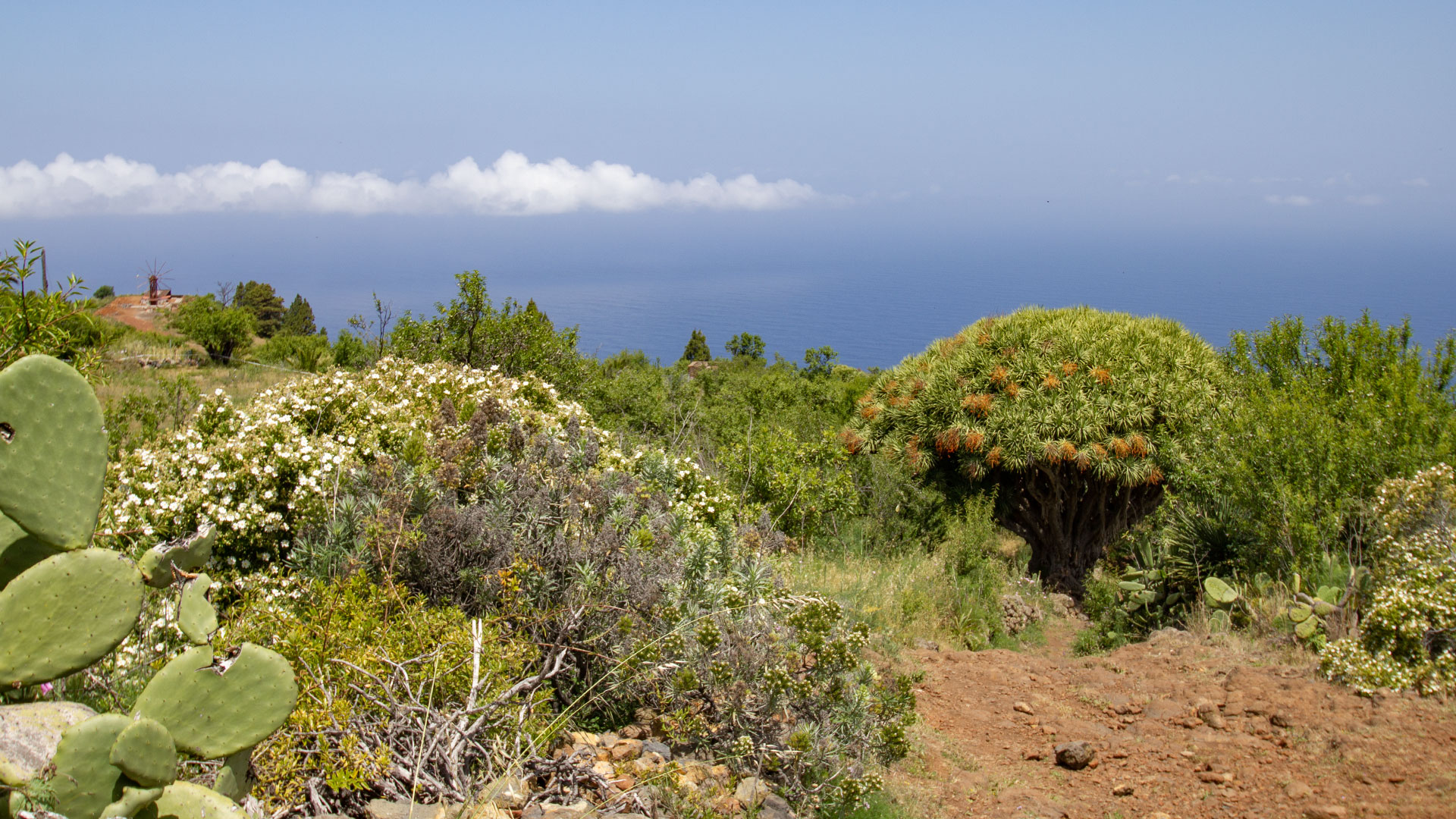
From the church of Las Tricias, follow the SL-VG 55 (green-white) a short stretch downhill along the LP-114. The trail leaves the road, crosses it again, then runs approximately 400 metres along the road. Turn onto the GR-130 (red-white): passing between traditional houses with vegetable gardens, fruit trees and almond trees. Along the way, the first dragon trees appear — individually at first, then in groups. The ancient dragon tree groves of Las Tricias are a defining feature of the entire walk.
The Old MIGO Mill and the Turn-off to the Cuevas de Buracas
At the junction near the old mill in Las Tricias — today the Gofio Interpretation Museum (MIGO) — continue straight on along the GR-130.1 towards the Cuevas de Buracas. With the sea always in view, you pass through a wonderful cultural landscape. The MIGO explains the history of gofio — the traditional Canarian flour made from roasted grain, with roots deep in the culture of the indigenous people.
Cuevas de Buracas: Caves, Petroglyphs and Café Aloe
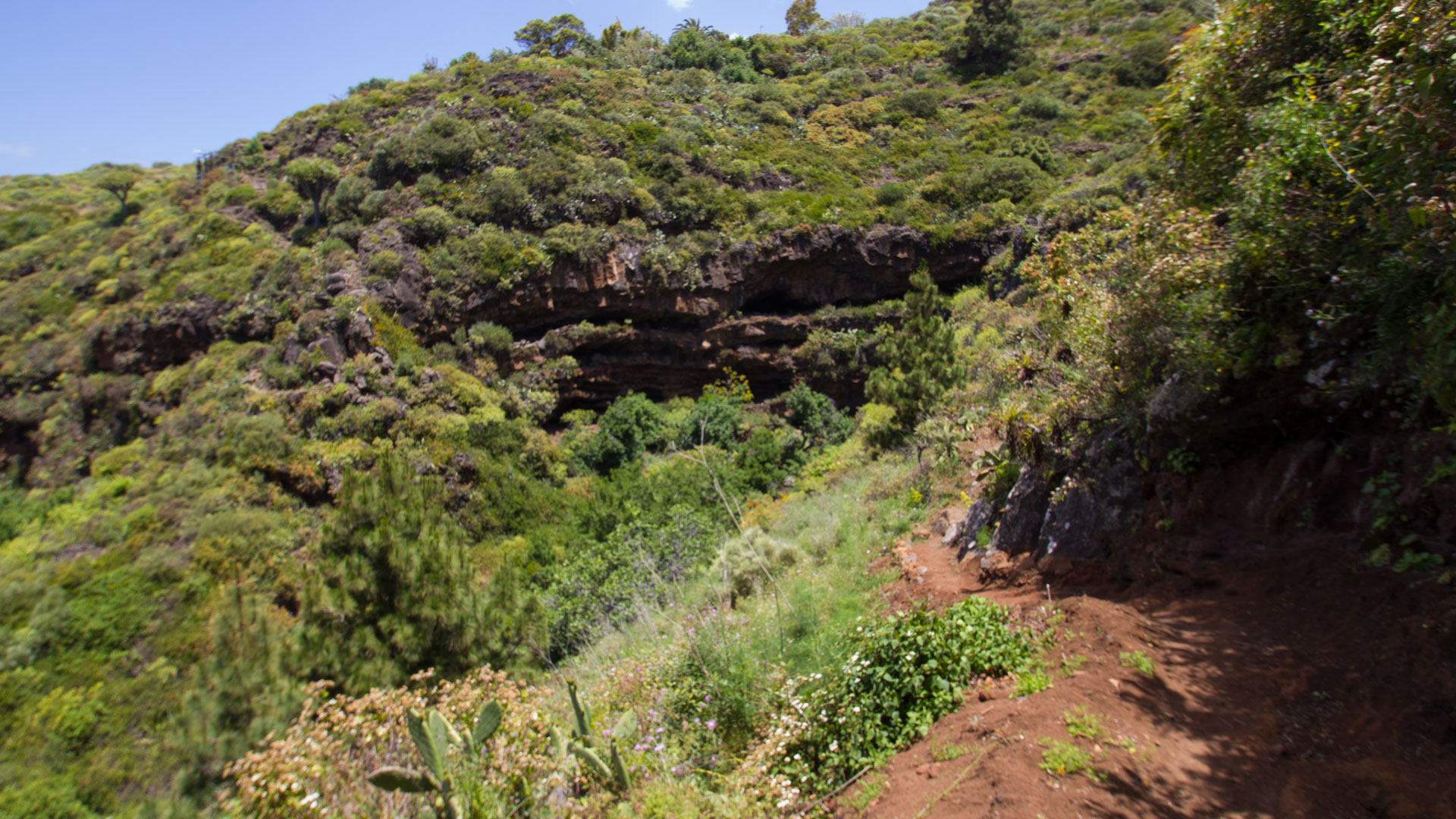
At the Cuevas de Buracas, explore the remains of cave dwellings, stables, an old well and washing places. Numerous rock carvings (petroglyphs) left by the pre-Hispanic indigenous people can be found throughout the area. The spiral-shaped petroglyphs in the main cave and its immediate surroundings are of great archaeological significance.
Return via the GR-130 to Las Tricias
Continue along the GR-130.1 out of the ravine, then loop back in a wide arc onto the GR-130. This leads right and uphill towards Las Tricias. Near the mill: a section already familiar from the outward journey. Continue uphill on the GR-130. Then take a track back to the LP-114. Follow the winding tarmac road down into the Barranco de Izcagua ravine. After 500 metres, turn right onto an unsurfaced track. Continue close to the Izcagua ravine. At the junction by the first houses of Las Tricias, go straight ahead — not right onto the GR-130. Follow the concrete lane left back to the starting point.
The Dragon Trees of Las Tricias: Highest Concentration in the Canaries
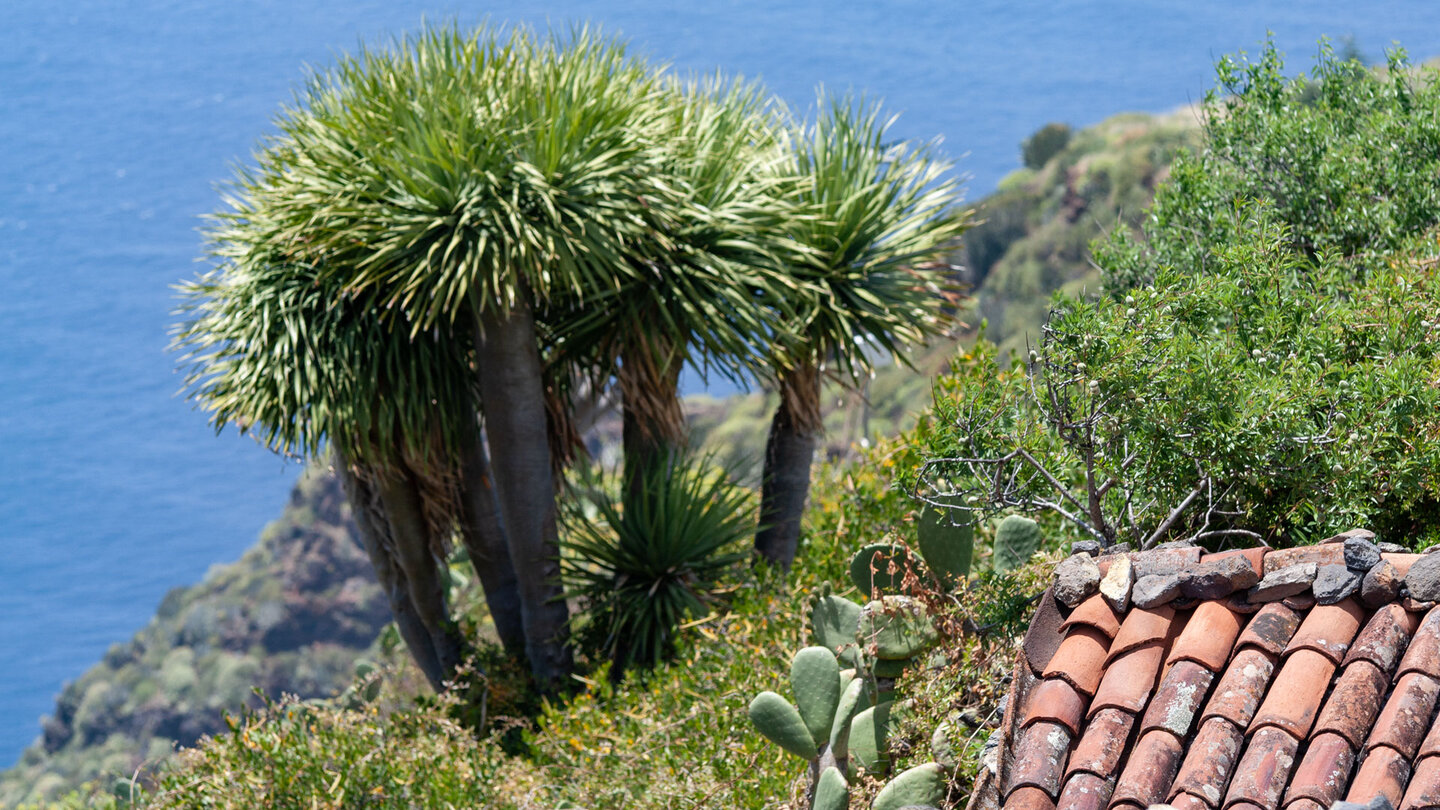
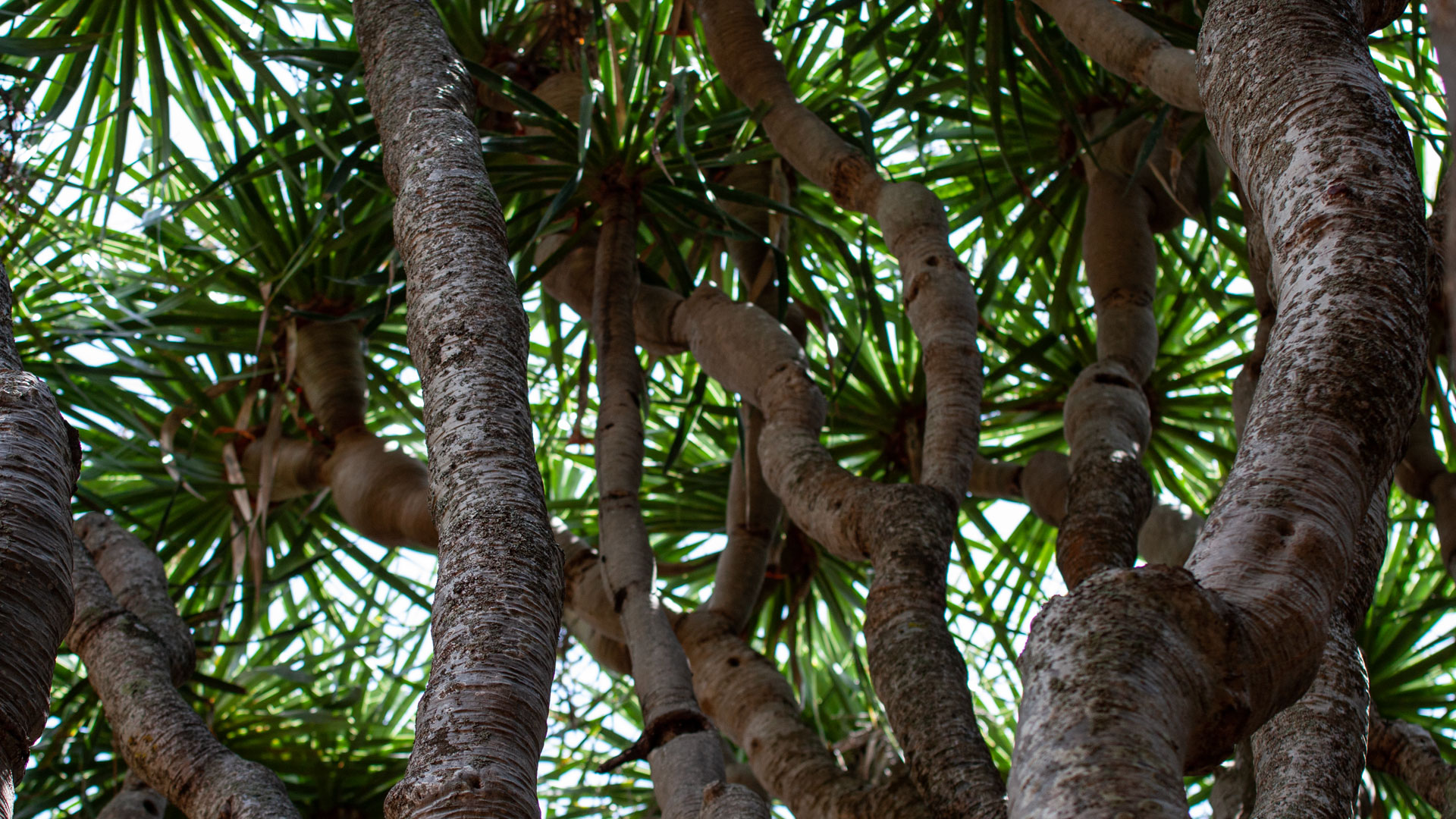
Garafía is considered home to the most significant wild populations of dragon tree (Dracaena draco) on La Palma. Las Tricias is the best-known concentration point: according to Sunhikes, the dragon tree groves along the GR-130 have the highest density of century-old dragon trees in the Canary Islands. These trees grow slowly — a hundred-year-old dragon tree has a trunk diameter of roughly half a metre. The mighty specimens here are considerably older.
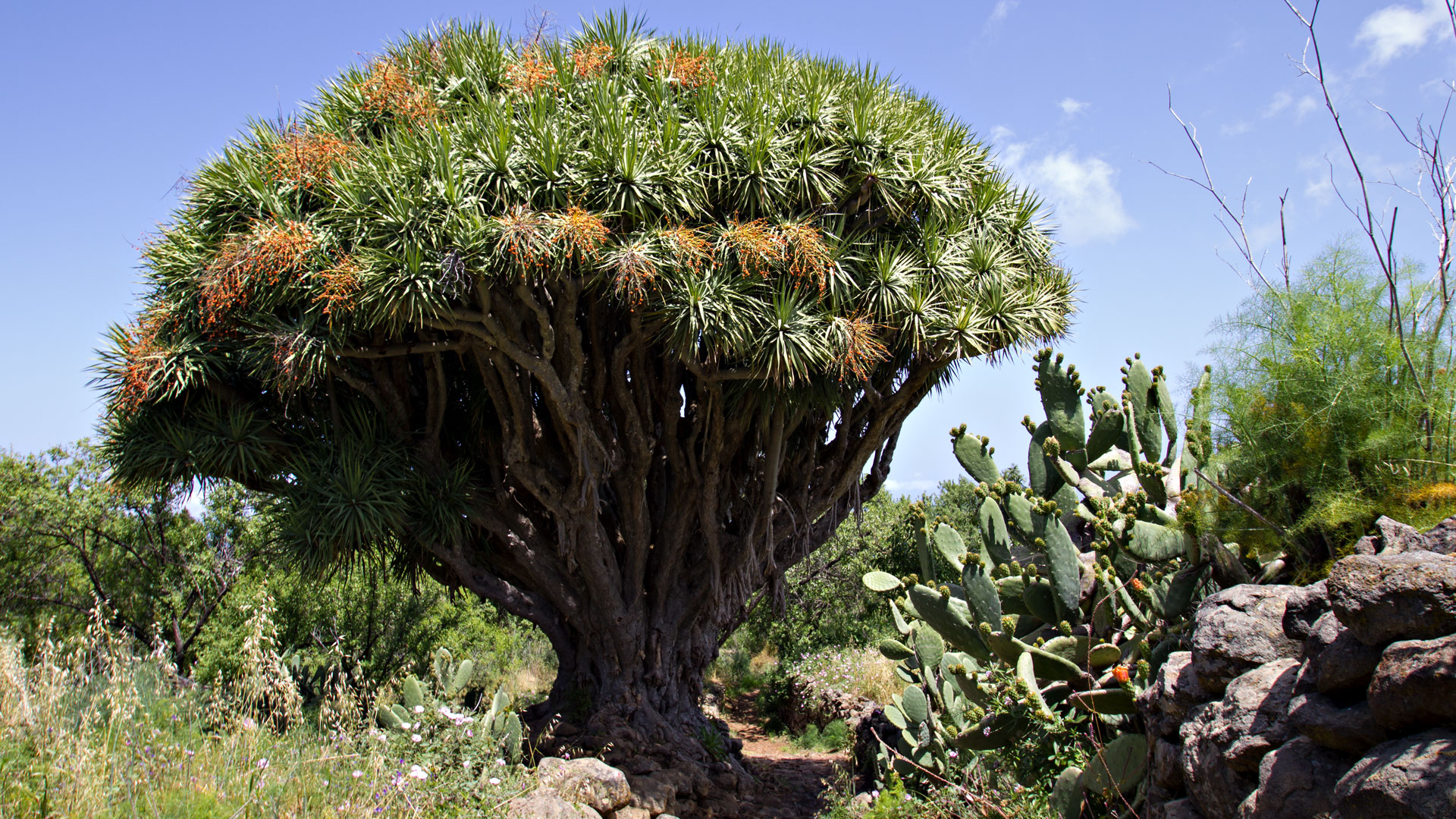
The dragon tree is closely linked to the culture of the Benahoritas — the indigenous people of La Palma. Its red resin (dragon’s blood) was used as a remedy, dye and protective varnish. The Cuevas de Buracas, the destination of this hike, also lie in the immediate vicinity of the dragon tree groves — this connection is no coincidence: the Benahoritas chose to settle where the dragon trees thrived.
The Cuevas de Buracas: Archaeological Site
The archaeological and ethnographic complex of the Cuevas de Buracas was discovered in 1941. For more than 500 years, these caves were used for dwelling, keeping livestock, washing and ritual purposes. The spiral-shaped petroglyphs of the Benahoritas — in the main cave and its immediate surroundings — are among the most significant petroglyph finds in Garafía.
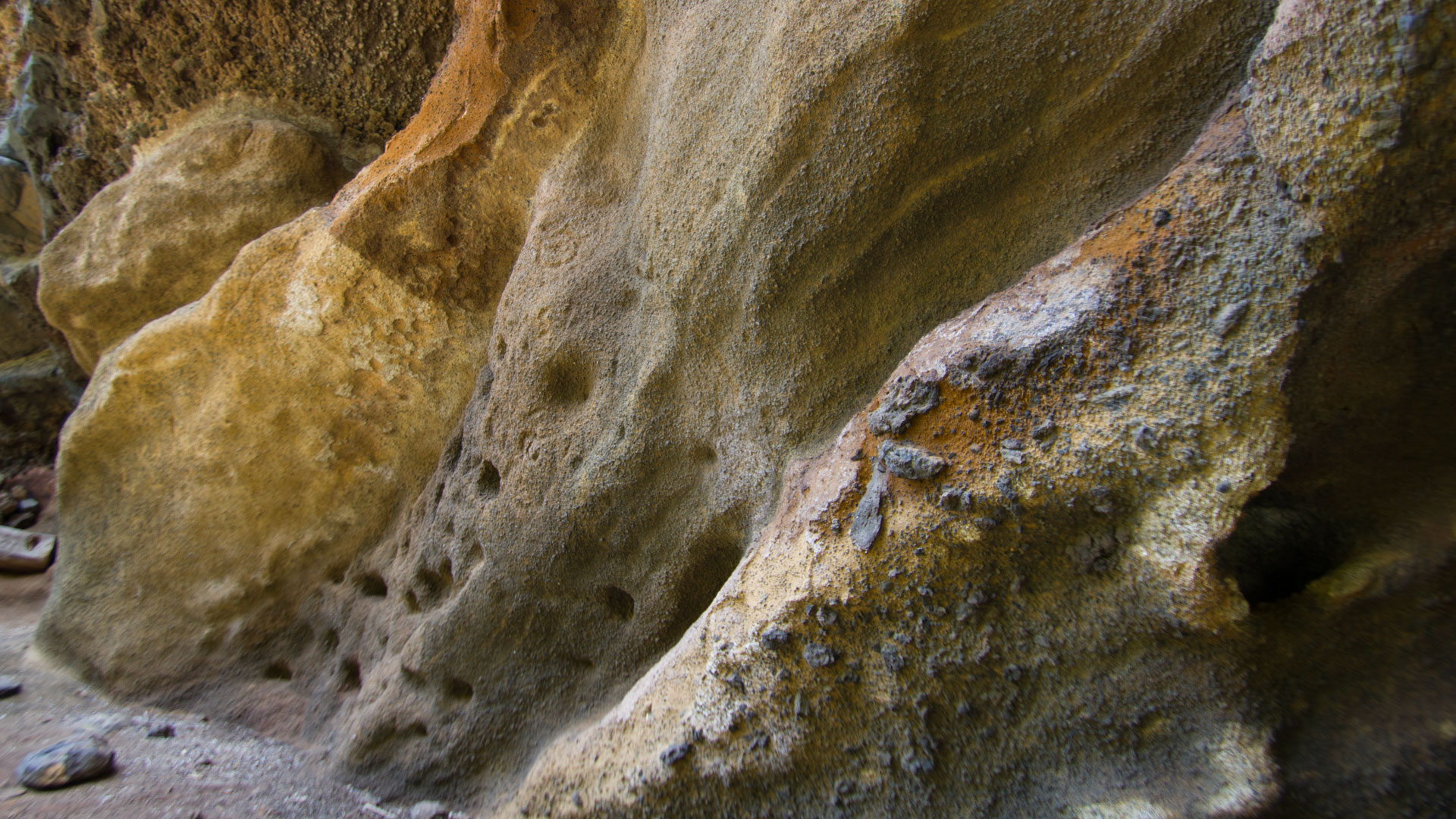
Garafía is the municipality with the highest density of petroglyph sites on La Palma. Besides Buracas: La Zarza, La Zarcita and several smaller sites. The motifs show geometric shapes, spirals and line patterns. What makes Buracas unique is that the site is fully integrated into the natural landscape — without formal museum displays, but a place reached on a hiking trail and experienced in its natural surroundings.
The MIGO: Gofio Museum in the Old Mill
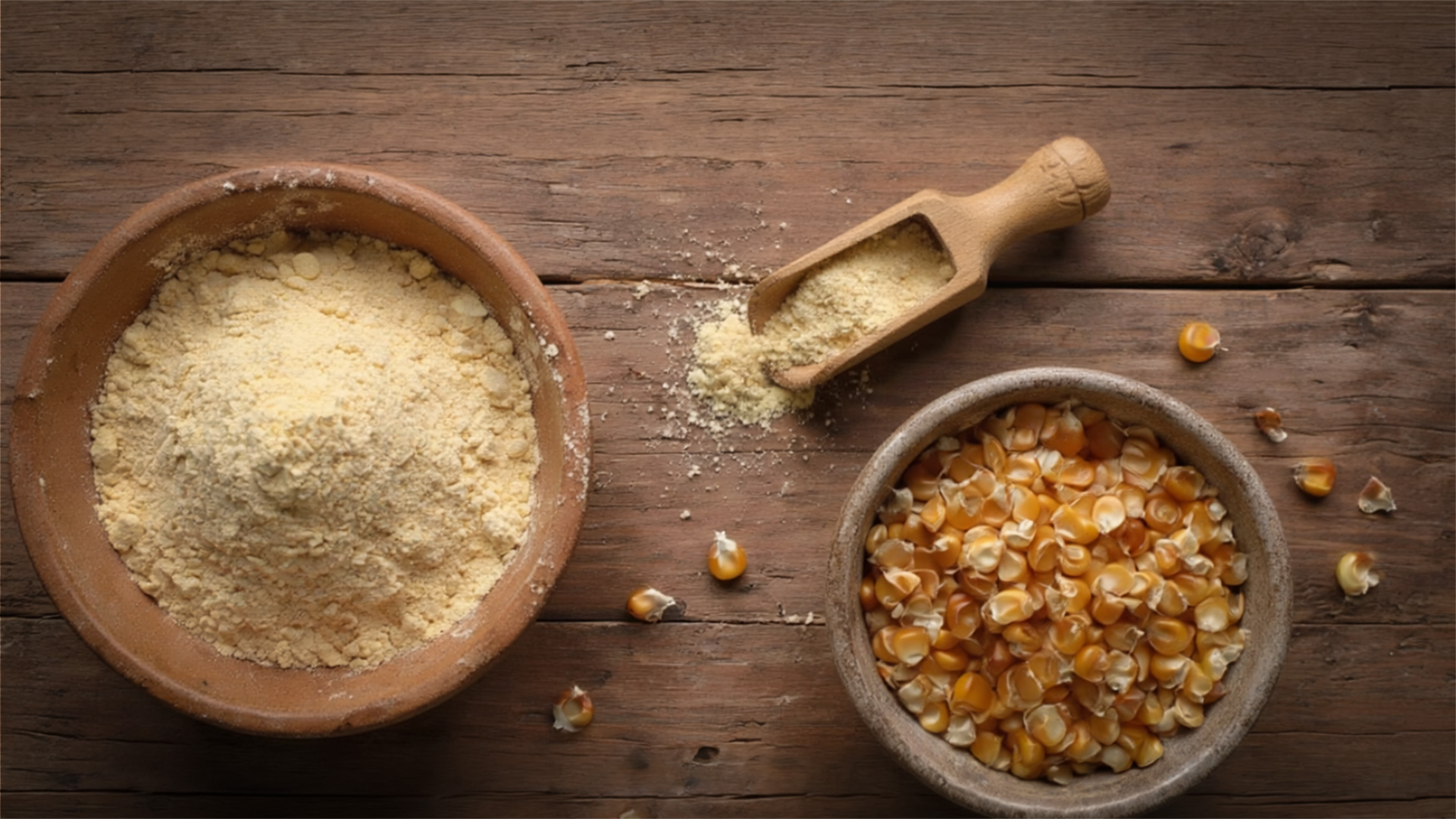
The Gofio Interpretation Museum MIGO in the old mill of Las Tricias explains the history of gofio — the traditional Canarian flour made from roasted grain. Gofio has its roots in the culture of the indigenous people and remains a staple of Canarian cuisine to this day. The MIGO demonstrates how these mills once operated, how gofio was produced and what role it plays in Canarian food culture. A short detour that completes the cultural context of the hike.
Best time to visit
| Season | Character | Note |
|---|---|---|
| Spring (Mar–May) | Almond blossom and lush greenery | Best time — gardens in full bloom |
| Summer (Jun–Aug) | Warm; dragon trees provide shade | Pleasant even in the heat thanks to shade |
| Autumn (Sept–Nov) | Clear views of the coast | Best light for photography |
| Winter (Dec–Feb) | Cool; MIGO and Café Aloe open | Suitable year-round |
Accommodation: Garafía — Clariso
Las Tricias lies within the municipality of Garafía. Holiday homes in Garafía on clariso.eu — Holiday Homes Garafía. Casa Julia in Las Tricias is located directly on the edge of the Barranco de Izcaqua — the ideal base for this hike.
Combinable Hikes
The Buracas route is short and ideal for families. Suitable second hikes on the same day:
| Hike | Details | Character |
|---|---|---|
| PR-LP 9: Los Andenes → Santo Domingo de Garafía | 18.3 km, difficult | Major descent as a multi-day extension |
| El Tablado → Santo Domingo de Garafía | 13.2 km, difficult | GR-130 stage from Santo Domingo as a following day |
| GR-130 Stage 4: Santo Domingo → Tijarafe | 24.8 km, difficult | Long-distance trail stage through Las Tricias |
An additional tip for combining routes: anyone doing this route as an introduction will already know the dragon tree groves and the terrain when tackling GR-130 Stage 4 (Santo Domingo – Tijarafe). The dual perspective — once as a loop, once as a through-route — reveals the same area in two entirely different contexts.
GPS Track and 3D Route Planner
The GPS track shows the turn-off onto the GR-130.1 towards the Cuevas de Buracas and the return route along the GR-130 back to Las Tricias. Three waymarking systems (SL-VG 55, GR-130, GR-130.1) require attention. With the free 3D route planner, the route can be extended or combined with further Buracas sections — directly in the browser, without an app.
Route page on Sunhikes: Loop Hike to the Cuevas de Buracas
3D Route Planner by Sunhikes — customise and combine the route
Practical Tips
Emergency number 112. Bio Café Aloe at the Cuevas: check opening hours in advance.
MIGO Gofio Museum at the old mill: worth a short detour. Family-friendly from around age 4.
Frequently Asked Questions
What are the Cuevas de Buracas?
What is the MIGO?
Why Garafía’s Dragon Trees Are So Old
Dragon trees grow slowly — 10 cm per year is typical. A tree with a trunk diameter of 50 cm is at least 100 years old, often considerably more. The specimens in Las Tricias, with their wide-spreading branches and massive trunks forming the groves, are likely several hundred years old. The reason for their good preservation in Garafía: remote location, limited tourist development, and — ironically — the decline of agriculture, which has reduced livestock grazing, allowing young dragon trees to grow undisturbed.
This article is based on the on-the-ground knowledge of the Gequo editorial team – publishers of the Reisezeit hiking guides and operators of Sunhikes.com. Last updated: May 2026